
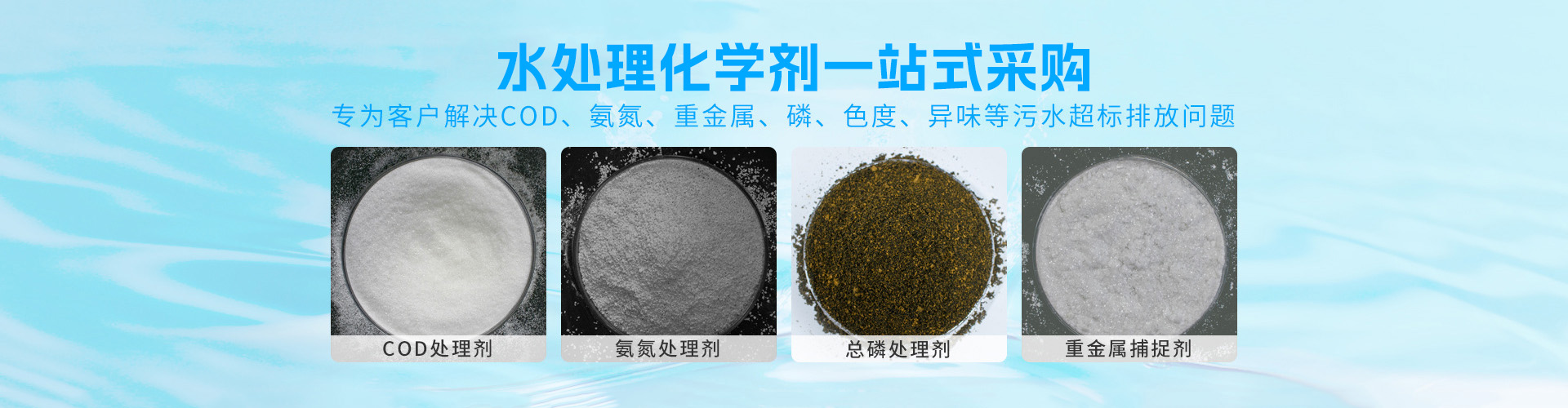
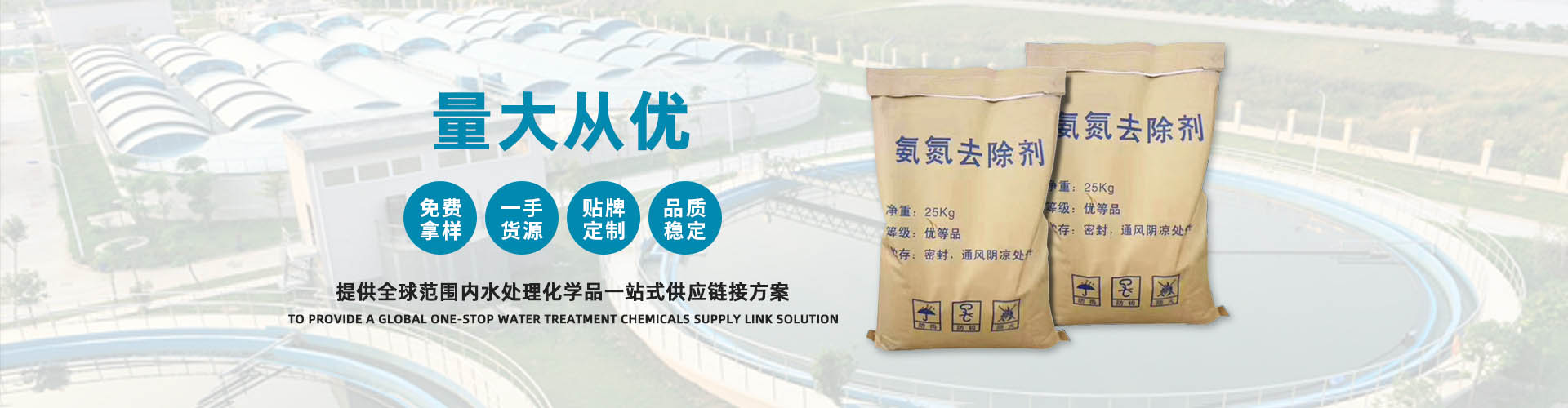
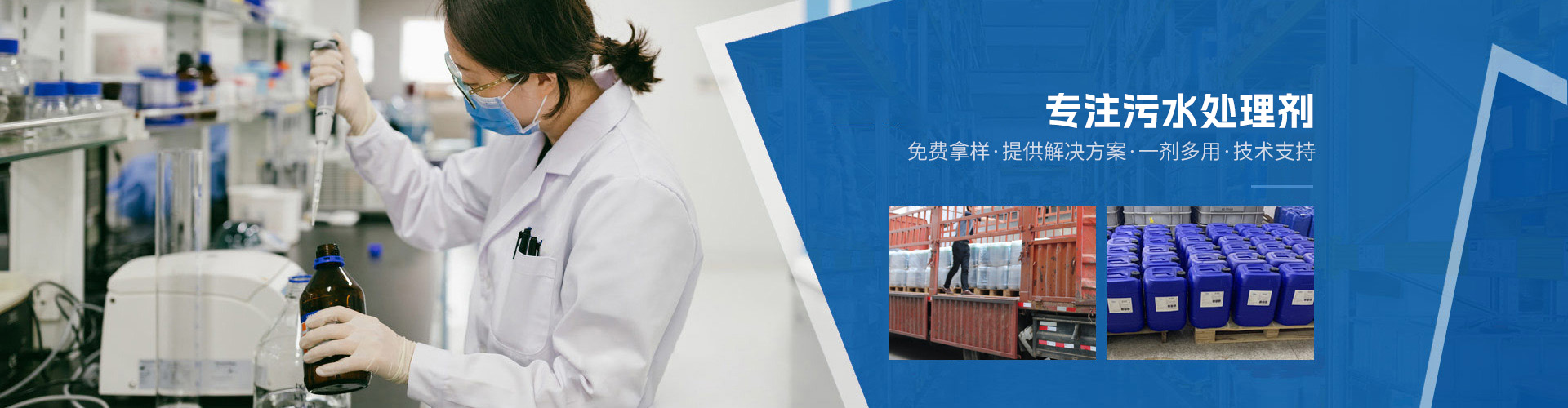

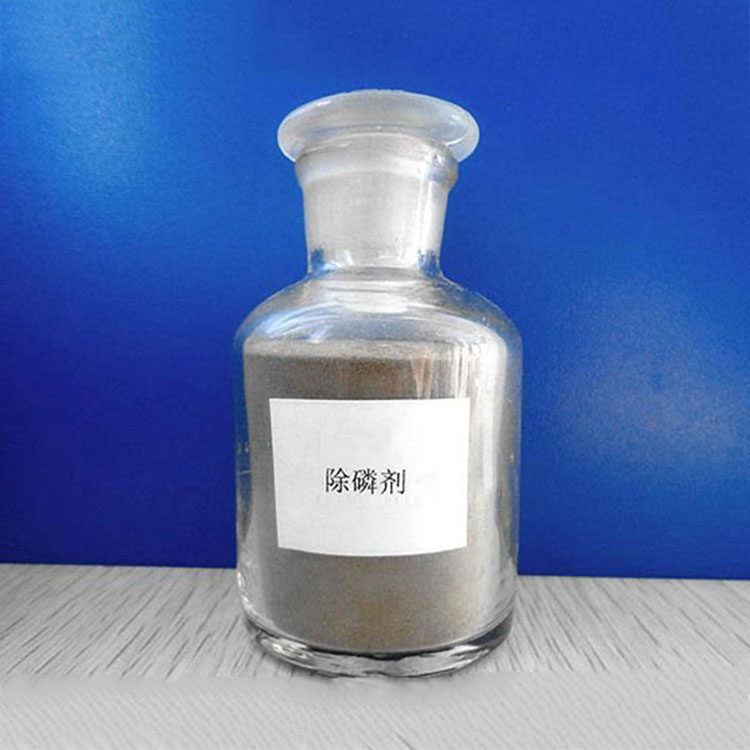
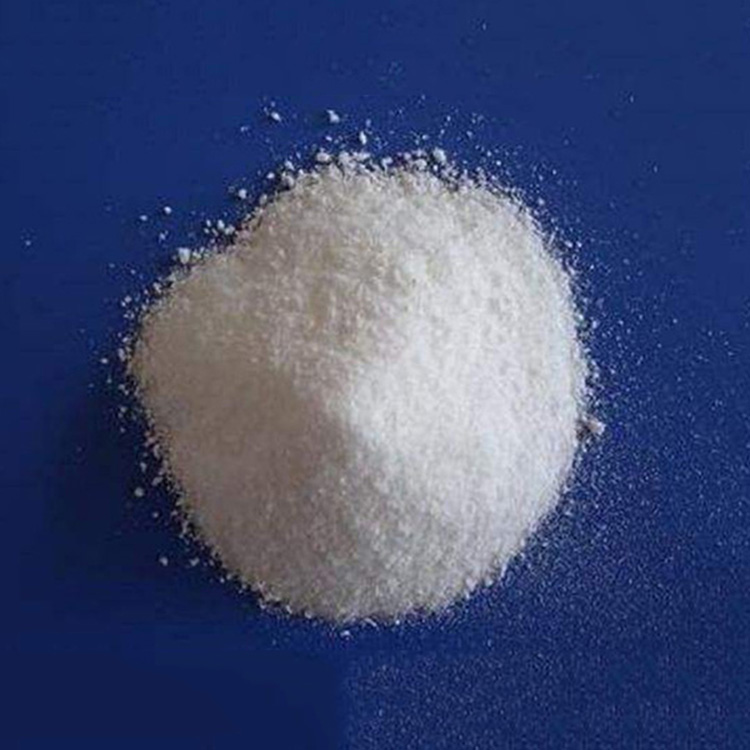
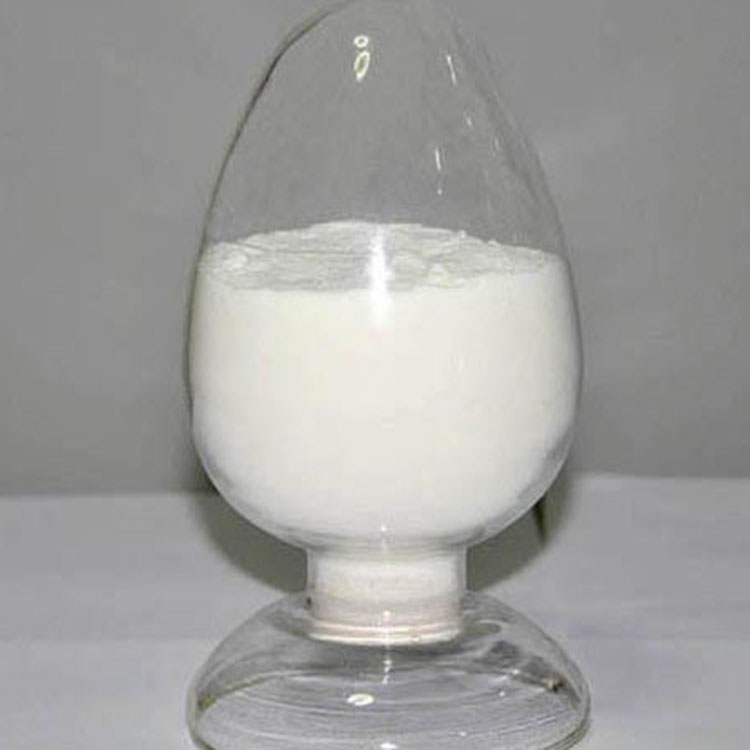
Phosphorus removal agents are substances used for the coagulation and clarification of urban water sources and phosphorus removal. They can achieve deep phosphorus removal simultaneously with the coagulation and clarification process of urban water sources, thereby reducing the phosphorus content in the treated drinking water to below the limit without altering the original water treatment process or requiring additional large-scale water treatment structures. This method is simple, cost-effective, and yields significant social and economic benefits.
Phosphorus Remover Main Ingredient Formula
Potassium permanganate 20-30%, ferrous sulfate 5-10%, ferric chloride 20-30%, manganese sulfate 5-10%, polyacrylamide 1-2%, calcium carbonate 1-3%, aluminum chloride polymer 10-20%, sodium silicate 2-4%, activated aluminum oxide 5-10%, all percentages by weight.
Phosphorus Remover Usage Instructions
Directly add this product to use, or first dissolve it in a tank at a concentration of 10-20%, stir, and then pump it into the reaction pond. This product is suitable for a wide pH range, with excellent performance under acidic conditions. The dosage is approximately 100-1000 ppm (i.e., 0.1-1 kg per ton of wastewater), which varies depending on the phosphorus content in the wastewater. The specific dosage is usually determined through experiments.
During the experiment, take a certain amount of raw water, add an appropriate amount of this product (e.g., 500ppm), adjust the pH value of the wastewater to 7-8, add a small amount of polyacrylamide (PAM) for flocculation and sedimentation, filter to obtain the supernatant and measure the phosphorus content. (If heavy metals need to be treated, a secondary treatment with the supernatant is sufficient.)
FeCl3 and AlCl3 solutions are thoroughly mixed in a 3:2:14 molar ratio with NaOH solution. After mixing and allowing to settle, the resulting product is filtered and washed with water until the effluent is neutral. The mixture is then dried at 100-110°C to form a uniform granular adsorbent. This adsorbent is used in conventional water treatment processes by adding an adsorption phosphorus removal step, which consists of 2-4 phosphorus removal adsorption ponds in series. The ponds are constructed similarly to filter ponds, using granular composite iron and aluminum phosphorus removal adsorbents as filter media with particle sizes ranging from 0.5mm to 0.8mm. The adsorption layer thickness is 1.0-1.5m, with a hydraulic loading of 5m/h to 8m/h and an empty bed contact time of 30-40 minutes. This adsorbent has a wide applicability for phosphorus removal, excellent decontamination performance, simple regeneration, low raw material costs, and easy availability.
Phosphorus removal agent's working principle
The phosphorus removal process of this agent is as follows: after dissolving in water, the complex ions form insoluble salts with phosphate roots, and undergo strong hydrolysis through dissolution and water absorption. Concurrently, various polymerization reactions occur, producing poly-nuclear hydroxyl complexes with longer linear structures, such as X2(OH)2+4, X3(OH)4+5, X5(OH)9+6, X5(OH)8+7, X5(OH)7+8, X6(OH)12+6, and so on. These iron-containing hydroxyl complexes effectively reduce or eliminate the zeta potential of colloids in water bodies. By electro-neutralization, adsorption bridging, and the sweeping action of flocs, colloids are aggregated. Phosphorus is then removed through precipitation separation.
Phosphate Remover Application Range
1. Phosphorus removal for domestic wastewater treatment plants, especially suitable for medium phosphorus stage treatment.
2. Suitable for industrial wastewater containing surface treatment processes.
3. Wastewater treatment for food factories
4. Wastewater treatment for papermaking.
5. Waste leachate treatment for landfill sites.
Cautionary Notes
1. Phosphorus removers must remain stable under strong acidic conditions; transportation, storage, preparation of solutions, and equipment must use acid-resistant materials or be treated for corrosion resistance.
2. The phosphorus remover may cause a decrease in acidity and an increase in pH during mixing. When the pH exceeds 3.5 and the concentration is approximately 1%, it is more likely to form an insoluble yellow precipitate. Therefore, a slight amount of precipitate is a normal occurrence.
3. For source water with high acidity (PH<5) or strong alkalinity (PH>11), first adjust the PH to between 6-9 using a PH regulator (excluding the application range of phosphorus scavengers), then add the phosphorus scavenger for coagulation.
If phosphorus scavenger spots are present on the ground or clothing, they can be washed with a small amount of oxalic acid solution.
5. Dosage Location: Add at the neutralization pond.
