




Detersives for decolorization can generally be categorized into three types based on their decolorization principles: flocculation decolorizers, oxidation decolorizers, and adsorption decolorizers.
A quaternary ammonium cationic polymer that combines dye removal, flocculation, and CODcr degradation into one.
Absorbent decolorizers, typically activated carbon, white clay, or adsorption resins, can directly filter out impurities and oxides from oil products using filtration methods. They combine decontamination, odor removal, decolorization, and separation into one, transforming dark oil into light, transparent liquid. The processed diesel meets the national fuel quality standards in terms of acidity and color.
Oxidizing decolorizing agents utilize oxidizing substances such as permanganate potassium and ozone to break down colored groups, thereby achieving the goal of removing color.
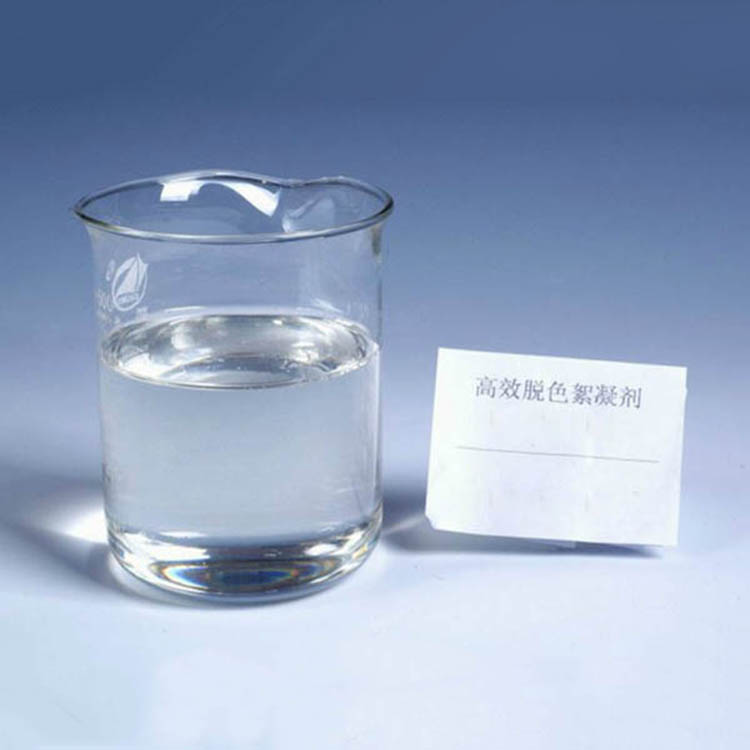
High-efficiency Decolorizing Flocculant
A quaternary ammonium cationic polymer compound that combines multiple functions such as decolorization, flocculation, and CODcr degradation.
One. Application Scope of High-Efficiency Decolorizing Flocculant
Primarily used for decolorization of highly colored wastewater in dye factories, suitable for treating wastewater containing anionic, acidic, and disperse dyes. Also applicable for wastewater treatment in textile and dyeing, as well as in industries such as pigments, inks, and papermaking. Additionally, it can serve as a reinforcing agent and sizing agent for papermaking.
Efficient Decolorization and Flocculation Agent Quality Standard
Light appearance, thick liquid
Viscosity (20°C) 3-5s
pH Value (30% Water Solution) 3-5
Solid Content ≥ 50%
Section 3: Usage and Dosage of High-Efficiency Decolorizing Flocculant
1. Dilute the product with 10-40 times its volume of water, then directly add it to the water. Stir for several minutes, then allow to settle or float for clarification, and the decolorized clear liquid will be obtained.
2. The pH of the wastewater should be initially adjusted to 4-12.
3. When the wastewater has high color and COD levels, it is advisable to use a decolorizing agent in combination with an organic flocculant (PAM) for treatment, which can reduce the treatment cost. The dosing sequence and ratio should be determined based on the actual wastewater treatment process. Typically, the decolorizing agent is added first, followed by the flocculant. The general dosage is 0.05-0.3%.
4. This product is non-flammable and non-explosive. It should be stored at room temperature and avoid direct sunlight exposure.
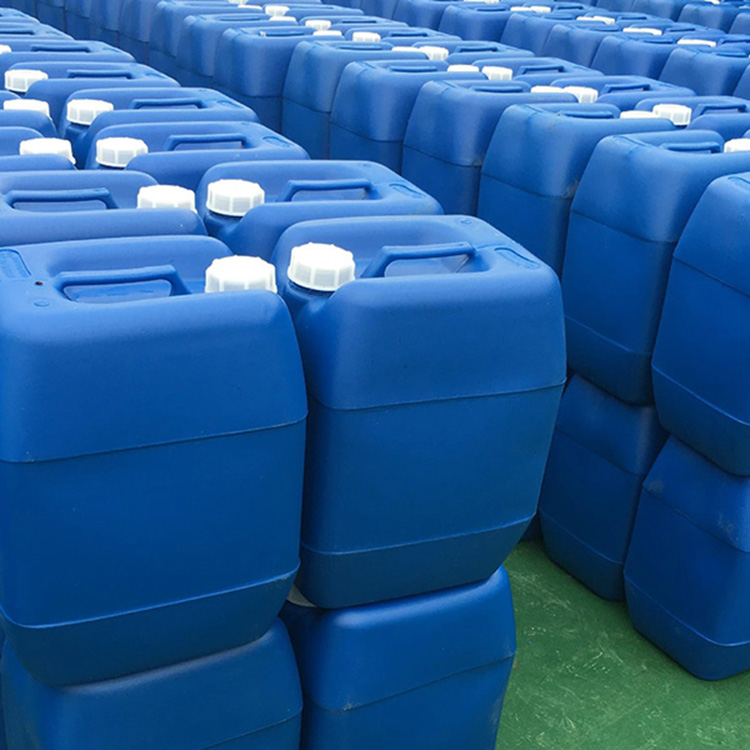
5. This product is packaged in plastic drums, 25KG per drum.
Detergent Usage Precautions:
1. Special equipment is required, as decolorizers can react with inorganic agents (such as polyaluminum or polyferric) to form white precipitates. Therefore, a dosing device is needed for each type of chemical. If conditions do not permit, a homemade simple dosing device can be used instead.
2. The decolorizer concentration during the large-scale trial should be between 5%-10%, and it should not be stored for too long (diluted decolorizer degrades and reduces its effectiveness). It is recommended to prepare and use it on the same day.
3. Add the treating agent in sequence; it is recommended to set up a mixer to enhance the coagulation effect.
4. Determine the effect during debugging based on the color intensity of the supernatant from the sedimentation tank (since the biochemical effluent from dyeing wastewater treatment ponds typically has a low COD, the main issue is color intensity. Once the color can be removed, the COD of the wastewater will also decrease, thus using color intensity as the standard for assessment).
5. The dosage during the large-scale trial may be slightly higher than that in the small-scale trial, which is due to the error of the operating system and is considered normal.
6. If the amount of decolorizer suddenly increases significantly during operation, a new wastewater sample should be taken for a small-scale test to determine if there has been a major change in the wastewater composition. Adjustments to the dosage of related agents should be made promptly as needed.
