Offer a one-stop industrial anti-static solution

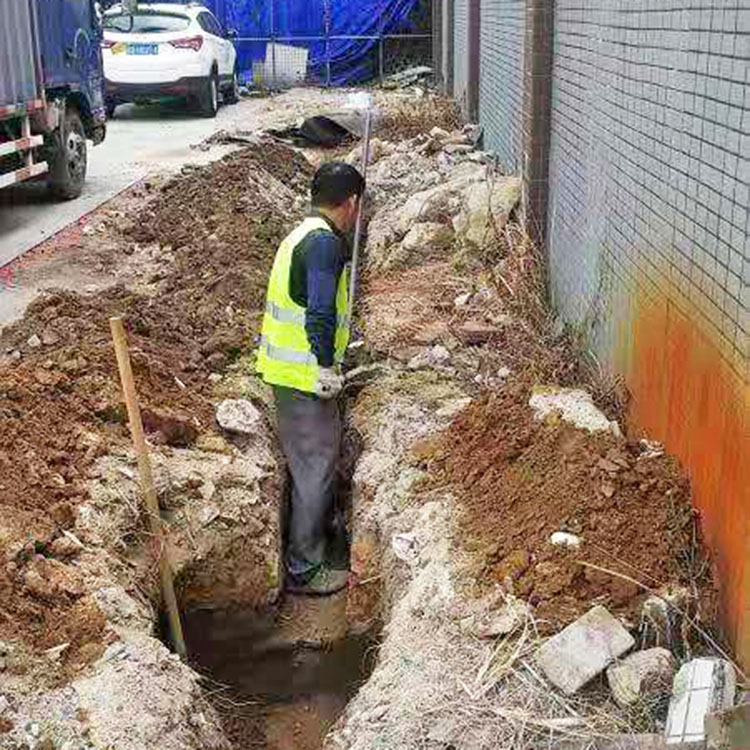
Anti-static grounding
Static discharge grounding is a crucial safety measure in the electronics field. By connecting equipment or facilities to the earth, it can effectively eliminate or reduce static buildup, ensuring the safe operation of electronic devices and preventing accidents caused by static discharge. Next, we will delve into the importance and implementation methods of static discharge grounding.
Types of Anti-Static Grounding
Grounding is a fundamental and commonly used method to prevent static disasters, encompassing the following three main types:
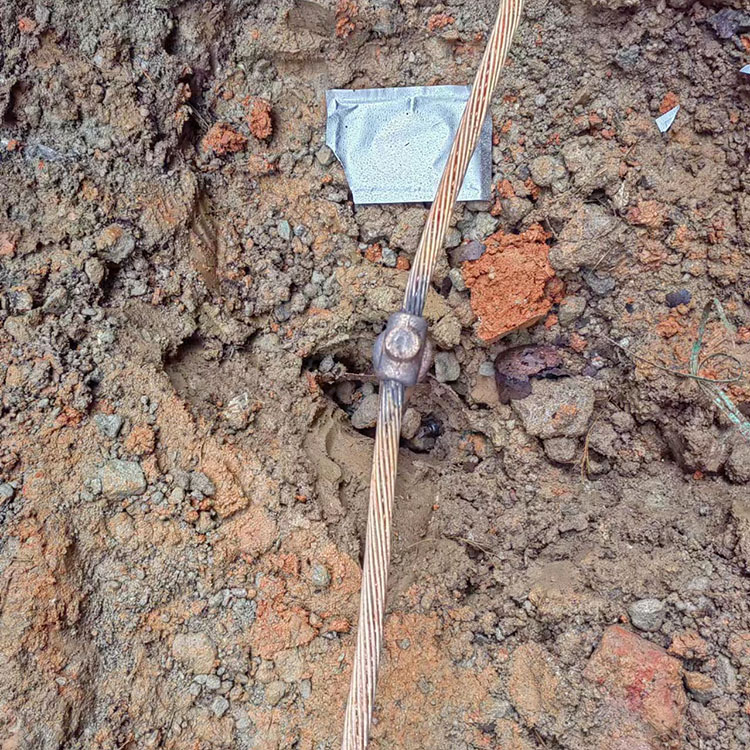
Direct to Earth: This type involves conducting a connection between a metal conductor and the earth, with the aim of making the potential of the metal conductor approach that of the earth.
(2) Indirect grounding: This type of grounding ensures that the static conductors and potential conductors on the exterior of metal conductors can be effectively grounded. By connecting the entire or partial surface of the metal conductor to the grounded metal closely and using this metal as the grounding electrode, it achieves effective static control.
(3) Bonding to Ground: This method involves mechanically and chemically securing a metallic object's structure, allowing two or more insulated metal conductors to be electrically connected. This creates a low-impedance path for current flow and establishes a connection to the earth.
III. Anti-static Grounding Targets
The primary targets for static electricity grounding include equipment and pipelines used for processing, storing, and transporting flammable and explosive liquids, combustible gases, and combustible dusts, such as oil tanks, gas storage tanks, transportation pipeline units, filters, and adsorbers, etc. For bag-shaped filters made of textiles or similar materials, it is recommended to process them by sewing metal wire and grounding. If pipelines are made of non-conductive materials, metal wire should be wrapped around the external or internal surface of the pipeline, and ensure the metal wire is effectively grounded.
Furthermore, mobile equipment such as tanker trucks, rail tank cars, oil tankers, and hand trucks must also be fitted with specialized grounding connectors, such as jaw clamps or bolted fastenings, in safe areas during parking or mooring to ensure proper grounding and prevent static charge buildup. During loading and unloading operations, the principle of grounding first, then working should be followed, and ensure that moving parts like crane booms are grounded individually. After completion of the work, the equipment should be left undisturbed for a period (typically at least 3 to 5 minutes) before the grounding wires are removed. For tanker trucks, it is essential to equip them with specialized grounding soft copper wires or conductive rubber trailing mats to effectively dissipate static electricity generated during travel.
Additionally, tools such as metal samplers, calibration rulers, and thermometers must be grounded through conductive ropes. To prevent rapid discharge, the resistance between the ends of the sampling ropes should be maintained between 107 and 109 ohms. Furthermore, the resistance of the static grounding electrode should not exceed 100 ohms, and the contact resistance of pipeline flange connections should be controlled within 10 ohms.
Precautions for Anti-Static Grounding
Static grounding is primarily used to dissipate static electricity from conductors, but it is not suitable for insulators. Direct grounding of static electricity on insulators through conductors may pose a risk of spark discharge. Therefore, anti-static grounding methods are mainly applicable to conductors.
Anti-static grounding devices can be shared with electrical equipment's operating, protective, and repetitive grounding systems. The grounding connection lines must have sufficient mechanical strength and chemical stability, ensuring reliable connections without interruptions. The anti-static grounding resistance value should typically not exceed 1MΩ.
Additionally, conductive flooring is an effective grounding measure. It not only discharges static electricity from equipment but also aids in removing it from the human body. Common materials for conductive flooring include concrete, conductive rubber, and conductive synthetic resins. When applying conductive flooring or conductive coatings, ensure the resistance between the floor and the earth does not exceed 1MΩ, and the contact area with the grounding conductor is at least 10cm².
In high-risk areas, to ensure the reliable grounding of rotating shafts, conductive lubricants or slip rings with carbon brushes for grounding can be used. Additionally, wearing conductive work shoes (such as leather-bottom or conductive rubber sole shoes) is an effective measure to dissipate static electricity from the human body. The resistance of these work shoes should be controlled within 10MΩ.
Additionally, to prevent static electricity from causing harm to the human body, silk or synthetic fiber clothing should be avoided in the workshop, especially in areas with a risk of explosion or fire. In addition to implementing explosion-proof measures for electrical equipment and strictly adhering to relevant regulations and procedures, staff should also avoid wearing garments, gloves, socks, or scarves made from acrylic, nylon, polyester, and other materials. They should also use non-plastic or nylon tools as much as possible to reduce the risk of fire or explosion caused by static electricity.
V. Specific Requirements for Anti-Static Grounding
Oxygen pipelines in factories and workshops must be interconnected and grounded. Additionally, all pipelines and equipment that may generate static electricity, such as fuel transfer equipment, air compressors, ventilation systems, and air ducts, especially local exhaust air ducts, must be interconnected and grounded as well.
Each system's equipment and piping connections in the workshop must be reliable, ensuring the contact resistance at the joints does not exceed 0.03Ω. Under normal conditions, the tightening should be done using two bolts, or connected by a metal jumper wire, and there should be at least two grounding points.
For parallel pipelines within the workshop or on the pier, they should be interconnected every 20 meters when they are 10 cm apart. If the pipelines are less than 10 cm apart or cross each other, connections should be made at the crossing points. Additionally, the pipelines should also be interconnected with the metal framework at a distance of 10 cm.
Gas pipeline trunk lines and branch pipelines must be grounded at both ends. The ends of the pipeline pier should be connected to the pipelines above, and reconnected to the pipelines every 200 to 300 meters. Additionally, the pier itself requires specialized grounding treatment.
For containers such as tanks storing flammable gases, liquefied gases, liquid hydrocarbons, or other fire-hazardous substances, reliable grounding measures must be implemented. Storage facilities with a volume exceeding 50 m3 should be equipped with at least two grounding devices along their diameter.
During use, prevent accidental damage or wire breakage to static-dissipative grounding wires and grounding equipment. Additionally, the flanges of the pipelines should have good conductivity.
All auxiliary equipment or tools such as oiling funnels, floating tank tops, workstations, scales, and metal rulers should be properly grounded. During the oil filling process, oil pots or barrels should be connected and grounded across the oiling equipment.
Automotive fuel tanks should be equipped with metal chains, one end securely fastened to the tank's base, and the other end capable of making an active contact with the ground. Before loading or unloading fuel, the tanker should be cross-connected and grounded to the storage facility; after completion, the fuel lines should be removed first, followed by the cross-connection and grounding lines. All equipment for loading and unloading fuel should adhere to the principle of "ground first, then connect fuel lines; remove fuel lines first, then disconnect grounding lines."
In environments where static electricity may be generated and accumulated, such as in solid and powder processing areas with calenders, polishing machines, and various roller shafts, grinders, sifters, and mixers, grounding should be implemented.
Section 6: Anti-static Grounding Conductive Flooring
Conductive flooring is essentially an effective grounding measure. This type of flooring can not only timely discharge static electricity from equipment but also assist in the release of static electricity from the human body. Conductive flooring is typically made from materials with a resistivity below 1×10⁸ Ωm, such as concrete, conductive rubber, conductive synthetic resins, conductive wood panels, and conductive terrazzo and tiles. Additionally, applying conductive coatings to insulating boards can achieve a similar effect. When implementing conductive flooring or using conductive coatings, it is crucial to ensure that the resistance between the floor and the ground does not exceed 1MΩ, and the contact area between the floor and the grounding conductor should be no less than 10cm².
Seven: Anti-static Grounding Insulator接地
For high-insulation materials that generate and accumulate static electricity, such as liquid materials with resistivity exceeding 1×10^9 Ωm, their static characteristics change very little upon contact with grounded conductors. This indicates that conventional grounding measures are not significantly effective in eliminating static electricity from such high-insulation materials. What is more concerning is that during the generation and accumulation of static electricity, these high-insulation materials may increase the risk of spark production. In contrast, solid materials with resistivity below 1×10^7 Ωm and liquid materials with resistivity below 1×10^8 Ωm are less prone to static accumulation. Therefore, to accelerate the leakage of static electricity on insulators, it is recommended to use a resistor with a value of approximately 1×10^6 Ωm or higher for grounding.
Anti-static Grounding Shielding
Static electricity grounding shielding is a method of placing a charged static body in close proximity to a grounding body (i.e., a shielding conductor). Its purpose is to increase the capacitance of the statically charged body to the ground, thereby reducing the static potential and minimizing the risks associated with static discharge. It is noteworthy that while shielding cannot directly eliminate static charges, it can effectively reduce the potential discharge area, thereby limiting the discharge current and preventing static induction.


b2b.china9.net © Zhongshang 114 Hebei Network Technology Co., Ltd.Address: Room 6009, Oriental New World Center, No.118 East Zhongshan Road, Qiaoxi District, Shijiazhuang City, Hebei ProvincePlatform Service Hotline: 4006299930