Offer a one-stop industrial anti-static solution

Static electricity's hazards are evident, and more and more manufacturers are implementing various levels of static control measures and engineering. However, it is important to recognize that effective static control engineering should be tailored to the specific circumstances of different enterprises and job objects, with corresponding countermeasures. Static control measures should be systematic and comprehensive; otherwise, they may achieve the opposite effect, even causing destructive repercussions. Next, we will discuss specific anti-static methods for workshops.
Anti-static Work Area Facility
1. Flooring Material: It is recommended to use flooring made of electrostatic dissipative materials, such as anti-static activity flooring, or to lay anti-static mats on standard floors with effective grounding. The use of solid wood flooring, carpets made of wool, hemp, or synthetic fibers, or standard floor coverings is prohibited.
2. Grounding
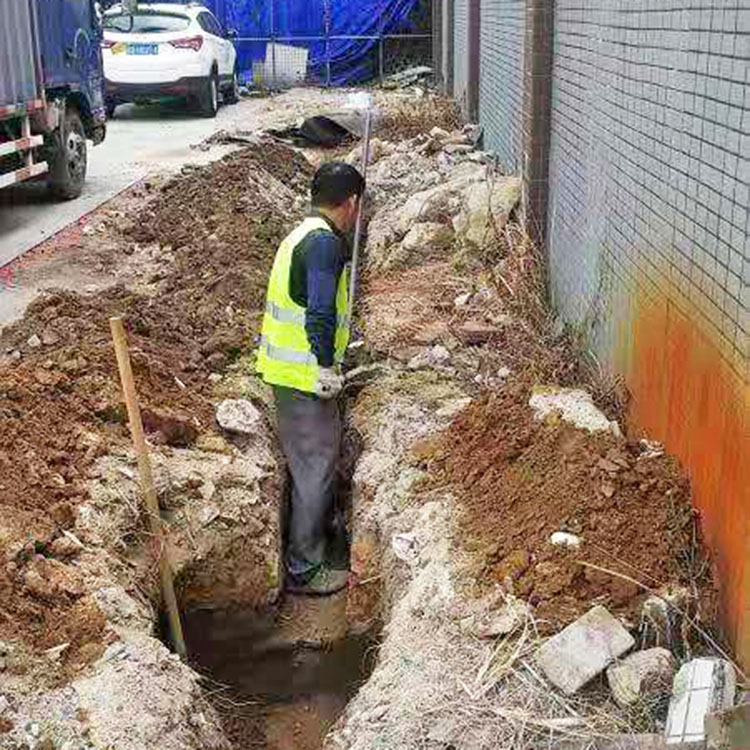
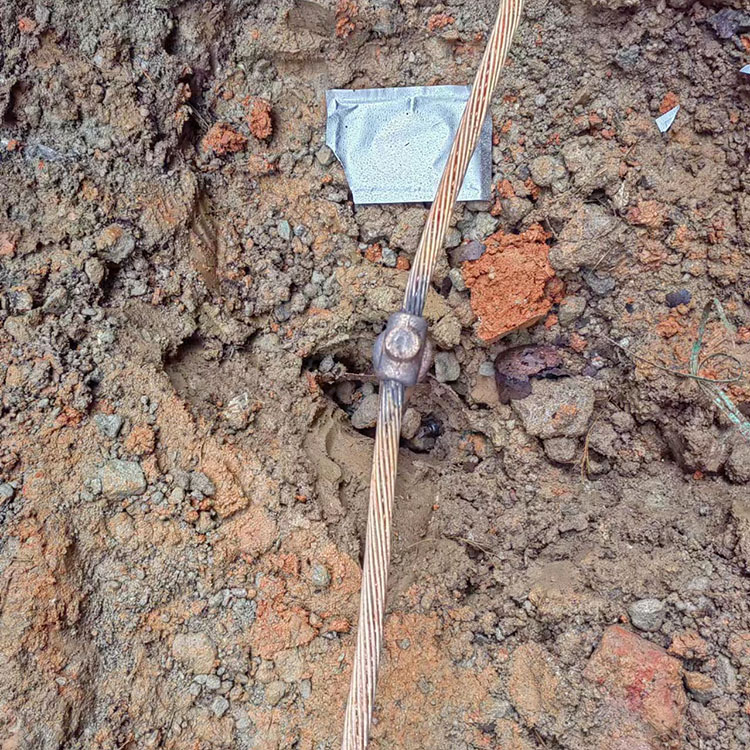
Static electricity systems must have an independent and reliable grounding device, with the grounding resistance generally less than 10Ω. The burial and testing methods should comply with the requirements of GBJ 97.
b. Static-dissipative grounding wires must not be connected to the neutral wire of the power supply and must not be shared with lightning protection grounding wires.
c. The power supply utilizes a three-phase five-wire system, with the ground wire serving as a static-dissipative ground (however, the neutral and ground wires must not be interconnected).
d. The grounding main trunk area should not be less than 100mm²; the branch trunk area should not be less than 6mm²; the grounding wires for equipment and workbenches should use multi-strand insulated wire with a cross-sectional area not less than 1.25mm², and the color of the grounding wire should be yellow-green.
The connection method for the grounding main line should be soldered.
f. The anti-static equipment's connection terminals should ensure reliable contact, easy installation and disassembly, and allow for the use of various clamp connectors, such as alligator clips, plug sockets, etc.
Workplaces with stringent requirements for ground resistance should install ground system monitoring and alarm devices, such as the SL-038A ground system monitoring and alarm device produced by our company, which can continuously monitor the quality of the ground wire's contact with the earth.
3. Ceiling Materials:
Choose antistatic materials. Generally, gypsum board products are permitted, while ordinary plastic products are prohibited.
4. Wall Fabric:
Anti-static wallpaper should be used. Generally, the use of gypsum paint or lime paint on walls is permitted. The use of regular wallpaper and plastic wallpaper is prohibited.
5. Humidity Control:
The relative humidity in antistatic work areas should be no less than 50%.
b. Allow the use of humidification equipment to spray agents or water to increase environmental humidity, without causing any harmful effects to the product.
The humidity in the computer room should comply with the relevant provisions of GB 2887, and similar rooms should also adhere to this regulation.
6. Static Dissipative Work Areas should be clearly marked with their boundaries and warning signs displayed prominently. These signs must comply with GJB1649 regulations. An ionized air wind shower equipment should be installed at the entrance of the work area.
7. Static Electricity: The use and contact with products that are prone to generate static electricity are prohibited in anti-static work areas. This includes surfaces such as painted or varnished workbench tops, common plastic cladding, standard vinyl and resin flooring, plastic and common floor mats, polished waxed wooden floors. Standard vinyl and polyester workwear, hats, shoes, common cotton, synthetic fibers, and nylon fabrics, plastic and common rubber-soled shoes, tools and equipment, common plastic boxes, racks, bottles, dishes, and paper products, common foam and general portable tools, compressors, spraying equipment, and evaporation equipment, etc.
Section II: Application and Management of Antistatic Products in the Production Area
1. Grounded
Grounding involves connecting anti-static products or other equipment to a single earth wire. Establishing an "independent" earth wire by using buried wires ensures the resistance between the earth wire and the ground is less than 10Ω. Its purpose is to discharge any static electricity that may accumulate on conductors, typically using grounding methods for conductors with accumulated static, such as the human body.
Grounding is implemented through the following methods:
Human接地 via wristband.
People ground themselves through anti-static shoes (or laces) and anti-static flooring.
Workstation desk surface grounded.
④ Test equipment, tool holders, and soldering iron grounding.
Anti-static flooring, grounding mats.
Antistatic transport carts, boxes, and racks should be grounded as much as possible.
Anti-static chair grounding.
Anti-Static Safety Workbench
① Comprised of workstations, anti-static mat pads, wrist strap connectors, and grounding wires. Optional equipment, such as our company's ionizer fans, should also be provided when necessary.
There should be more than two wrist strap connectors on anti-static desk mats, one for operators and one for technicians and inspectors.
Static-dissipative workbenches are not to be cluttered with items such as plastic boxes, rubber, cardboard, glass, etc., which can generate static electricity. Technical drawings and documents should be stored in anti-static file bags.
Static Elimination Equipment: An ion blower should be placed on the assembly workbench for products prone to static buildup. Blowing the product with the ion blower can quickly dissipate any static electricity that may be generated.
4. Static Dissipative Wrist Straps: Personnel directly handling electrostatic-sensitive devices must wear static dissipative wrist straps, ensuring they have good contact with the skin. The resistance value of the wrist strap system to ground should be within the range of 750KΩ to 10.5MΩ. Static dissipative wrist straps should be regularly tested for damage using a wrist strap tester. Our company's wrist strap tester is available for use. Companies with more stringent requirements or conditions are recommended to use an online wrist strap monitor, as it connects the wrist strap to the ground line during operation. This allows for continuous monitoring of wrist strap integrity and proper wear by workers.
5. Antistatic Protective Garments: Individuals entering antistatic work areas and those handling static-sensitive devices must wear antistatic protective clothing, particularly in dry environments with relative humidity below 50% (such as during winter). The fabric of the workwear should comply with national standards.
6. Anti-static Shoes: Individuals entering the anti-static work area must wear anti-static shoes. Those wearing regular footwear should use conductive shoe straps, anti-static shoe covers, or heel straps. Anti-static shoes should be regularly tested for their anti-static properties using a human comprehensive tester. Our SL-033 human comprehensive tester is available for this purpose.
7. Anti-static Socks: Many companies do not place enough emphasis on anti-static socks, which is actually incorrect. It is best to wear anti-static socks when using anti-static shoes, and if anti-static socks are not available, cotton socks can be worn instead. However, nylon socks should be avoided, as they have poor conductivity and can prevent the static from being transferred to the anti-static shoes. Sometimes, when using a comprehensive body tester to measure a pair of qualified anti-static shoes, the resistance is found to be too high, and this is often due to the use of nylon socks.
8. Anti-static Containers: Production site components bags,周转箱turnover boxes, PCB loading and unloading racks, etc., should have anti-static protection. Metal and ordinary containers are not allowed. If necessary, containers used to store components should be grounded.
9. Conveyer belts and drive shafts on the production line should be equipped with antistatic grounding brushes and supports. Static elimination devices, such as the ion blower and ion rod produced by our company, can be used on the surface of the conveyer belt.
All assembly fixtures, inspection fixtures, welding tools, and various instruments used in the production facility should be equipped with proper grounding lines.
11. Comprehensive Body Tester: A Comprehensive Body Tester should be installed at the entrance of the production facility. All individuals entering the production area must undergo anti-static testing before they can enter. For example, our company's Comprehensive Body Tester can detect the anti-static properties of shoes, wrist straps, and the overall resistance of the human body.


b2b.china9.net © Zhongshang 114 Hebei Network Technology Co., Ltd.Address: Room 6009, Oriental New World Center, No.118 East Zhongshan Road, Qiaoxi District, Shijiazhuang City, Hebei ProvincePlatform Service Hotline: 4006299930