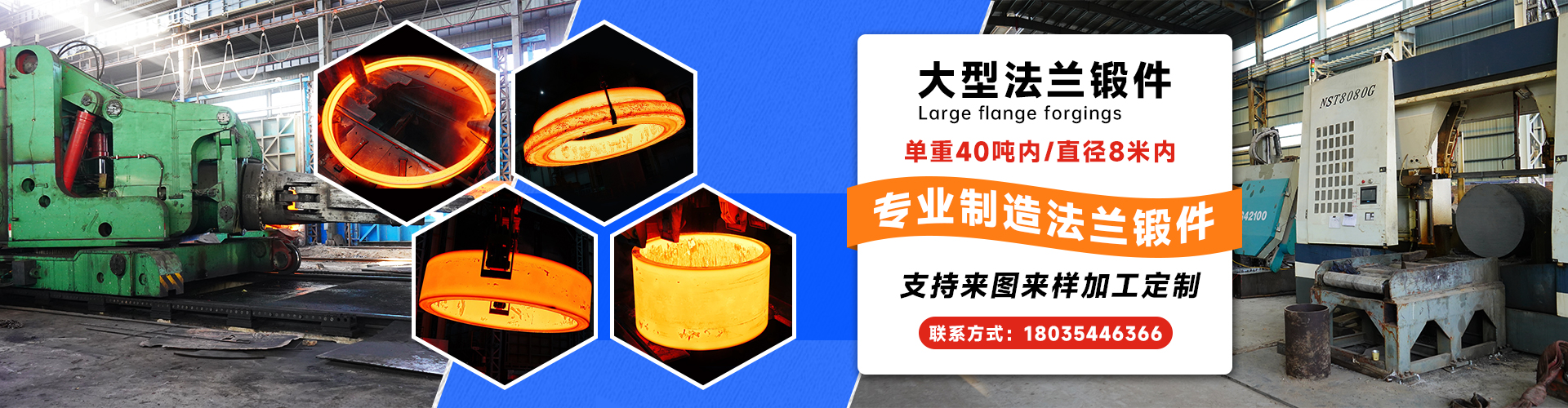
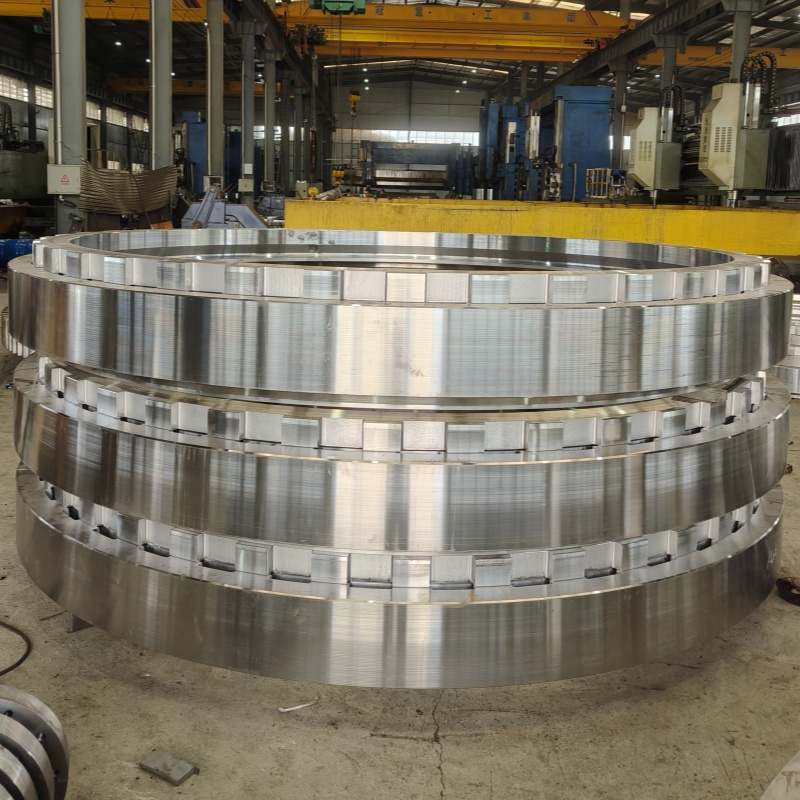
Forging, flange, elbow manufacturing, mechanical processi...


Product Recommendation
Common Stainless Steel Smelting, Forging, and Rolling Issues
Suckback: A cavity formed when molten steel contracts within a steel mold is known as a suckback.
Transverse crack: Refers to horizontal cracks that occur on the surface of steel ingots, typically shallow in depth and removable through precision grinding.
Transverse cracking: Refers to longitudinal cracks that form on the surface of steel ingots, typically located at the upper part and corners of the ingot, with the cracks at the top being particularly deep and difficult to grind out.
Scabs: Scabs refer to the metal splashes that stick to the surface of ingots, appearing as shell-like or tumor-like formations, which are commonly found on the lower part of the ingot.
Reversed skin: When an irregular dark and loose pattern appears at the edge of a low-magnification test slice, a large amount of oxides, mainly ferrous oxide, gather around it, which is known as "reversal."
Surface Inclusions: Refers to non-subscript inclusions visible on the surface of steel ingots to the naked eye.
Surface pores: Referring to the tiny holes visible to the naked eye on the surface of the steel ingot, commonly found in the lower part of the ingot, usually shallow, and can be polished out.
Cracking: A type of crack that occurs on the surface of ingots when they are extremely cold, often accompanied by a loud noise, hence the name "exploding crack."
Upsurge: The steel ingot head shows an irregular protrusion, a defect known as an upsurge or blow hole.
Patterned: The network-like protrusions on the surface of steel ingots are referred to as "patterned."
Mak坑: The concave pits on the surface of steel ingots are called Mak坑.
Double Casting: Obvious re-welding marks around the surface of the steel ingot
Slag Edge: A thin metal layer that exists at the head or tail of a steel ingot, perpendicular to the surface of the ingot.
Feathers: A thin, vertical layer formed on the surface of a steel ingot is called a feather.
Bubble Defects: Bubbles are defects in ingots or billets caused by de-gassing and deoxidation of molten steel, or by damp raw materials in the injection system, etc. They are generally divided into sub-skin bubbles and internal bubbles. (Prevention Methods: The oxidation and boiling of molten steel must be well-reduced and deoxidized; the furnace lining and all refractory materials that come into contact with molten steel should be dry; the steel tapping trough, ladle, tongs, mold, etc., should be dry; rust spots on the mold should be cleaned up, and oil should be applied thinly and evenly.)
White Spots: White spots are actually fine cracks that appear as irregular, radiating, saw-toothed cracks on the transverse low-magnification test samples. On the longitudinal low-magnification test samples, they appear as silver, circular or elliptical spots, hence the name. (The primary cause is due to qin qi.) Common issues in stainless steel smelting, forging, and rolling.


b2b.china9.net © Zhongshang 114 Hebei Network Technology Co., Ltd.Address: Room 6009, Oriental New World Center, No.118 East Zhongshan Road, Qiaoxi District, Shijiazhuang City, Hebei ProvincePlatform Service Hotline: 4006299930