Forging, flange, elbow manufacturing, mechanical processi...


Product Recommendation
Forging and forging each have their own advantages and disadvantages. Deciding which process yields better quality depends on the specific production conditions and requirements.
Basic Concepts of Forging and Forging Press
Forging is a manufacturing process that involves deforming and processing metal materials using various forging machinery. Among them, forging by pressure utilizes high-pressure forging presses to shape heated metal materials into the desired form, while forging by hammering involves hammering the metal materials to achieve the required shape. Although both are forging methods, their specific operational techniques and principles differ.
II. Advantages and Disadvantages of Forging and Forging Pressing
1. The Advantages of Forging
(1) Forging ensures precision in shaping and smooth surface finish, making it suitable for processing thin metal sheets and strip materials.
(2) Forging can utilize molds for mass production, offering high efficiency.
(3) No vibrations or noise are produced during forging and pressing processes, ensuring the health and safety of workers.
2. The Advantages of Forging
Forging can enhance the ductility and toughness of metal materials, making it suitable for processing large and irregularly shaped parts.
(2) Forging can maintain the fiber flow and continuity of metallic materials while ensuring a certain degree of forming accuracy, resulting in higher durability of the finished products.
(3) The forging process can adjust the force and speed during forging, accommodating the processing needs of different materials and sizes.
Section 3: Applications of Forging and Forging Pressing
Application Scenarios of Forging
Mass production of thin-walled parts or precision components with small tolerances.
(2) Simple in shape, but labor-intensive part processing.
Precision machining of parts with high requirements for processing accuracy and surface finish.
2. Applications of Forging
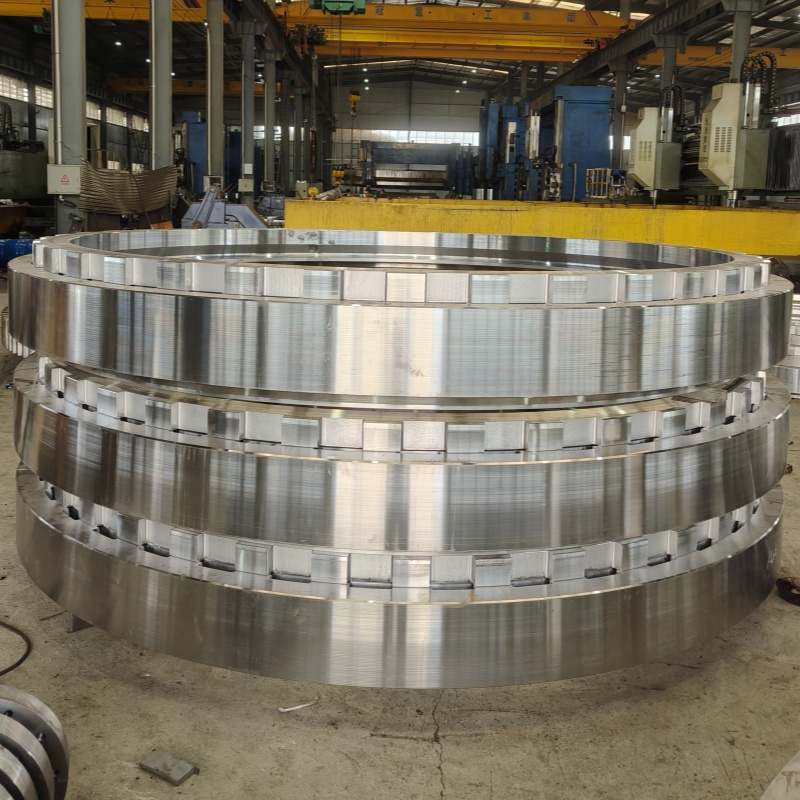
Machining of large or non-standard components.
Precision machining of parts with high requirements for metal toughness and durability.
(3) Parts requiring adjustments in forging force, speed, and angle during the machining process.
Which is better in quality, forging or rolling?
From the above strengths, weaknesses, and application scenarios, it is clear that forging and hot forging have different advantages and applicable situations, and it is not simple to say that one is better than the other. Specifically, the choice of suitable forging process should be based on production conditions, processing requirements, and material characteristics. In practical situations, many cases involve combining forging and hot forging for processing, which can leverage the respective strengths to achieve better processing results.
【Conclusion】
Forging and hot forging are both types of forging processes, each with its own advantages and disadvantages. The choice of which method to use primarily depends on the processing requirements and material characteristics. In practical applications, it is often necessary to select the appropriate processing method based on specific circumstances or combine methods for better results.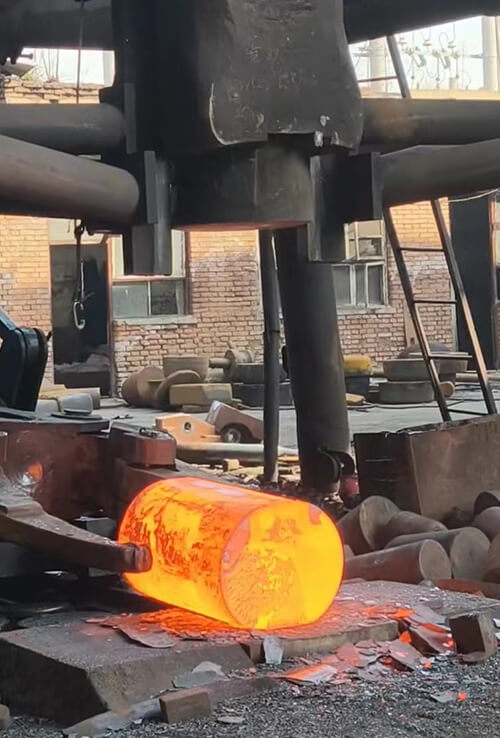


b2b.china9.net © Zhongshang 114 Hebei Network Technology Co., Ltd.Address: Room 6009, Oriental New World Center, No.118 East Zhongshan Road, Qiaoxi District, Shijiazhuang City, Hebei ProvincePlatform Service Hotline: 4006299930