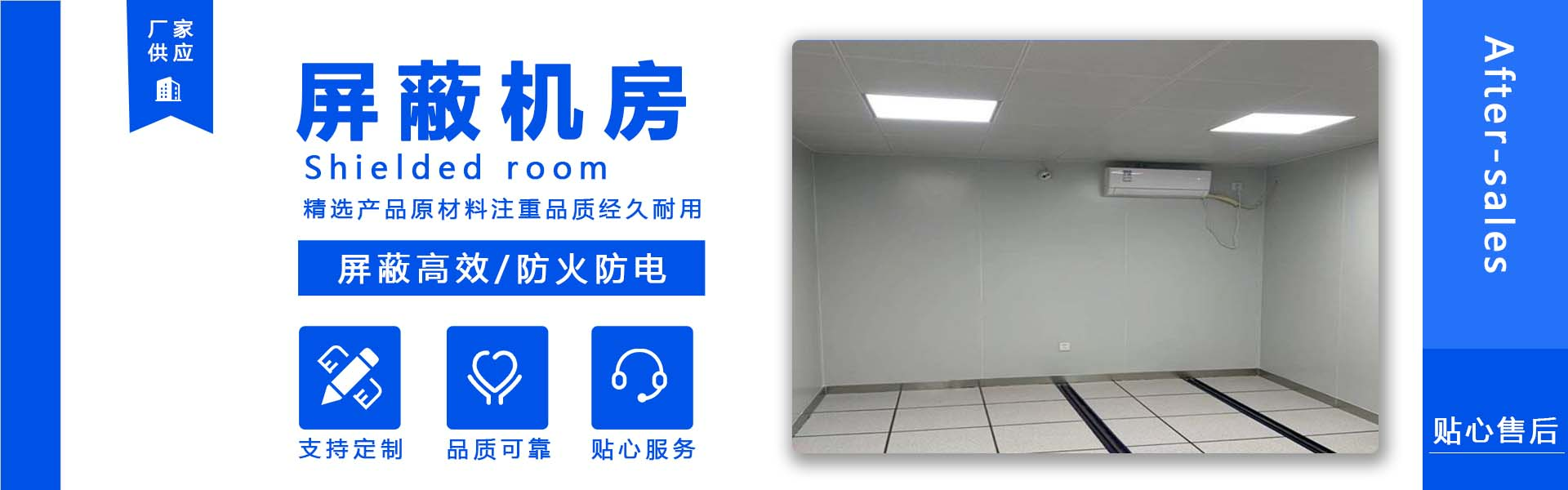
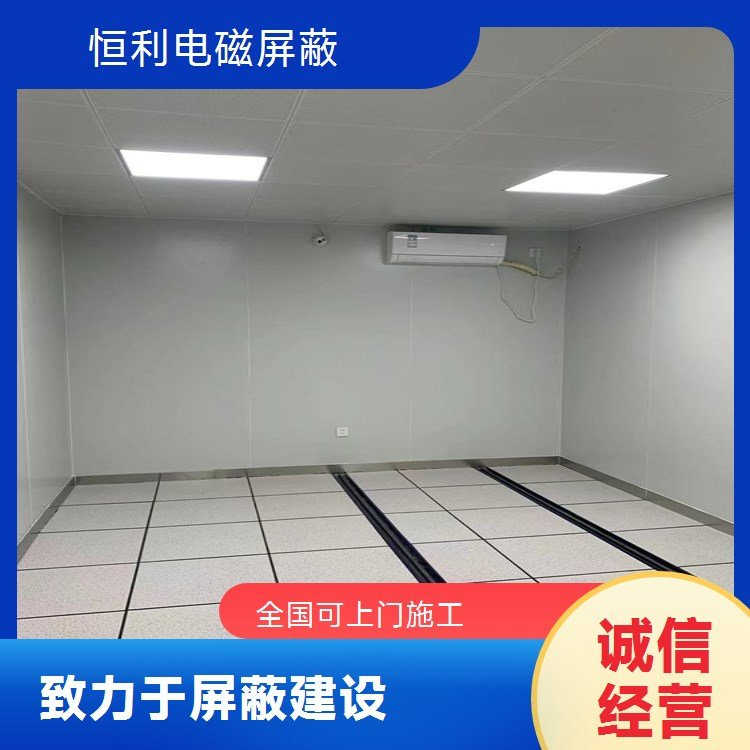
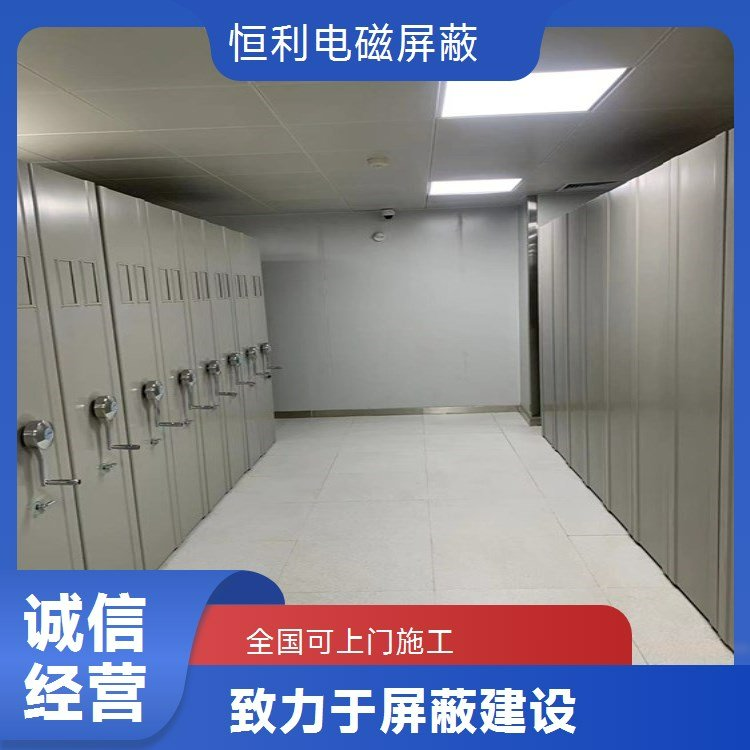
High-voltage partial discharge test equipment, lightning ...

What is Electromagnetic Shielding? We all know what electromagnetic is—it's the generation of magnetic energy from electrical energy, also known as electromagnetic signals, which can be used to transmit information. When it comes to the knowledge of electromagnetic shielding, what do we need to understand? Is electromagnetic shielding simply about creating an iron box and grounding it to make it an electromagnetic shielding room? What should we pay attention to? This time, electromagnetic shielding equipment manufacturer Hengli Shielding informs you about the knowledge of shielding.
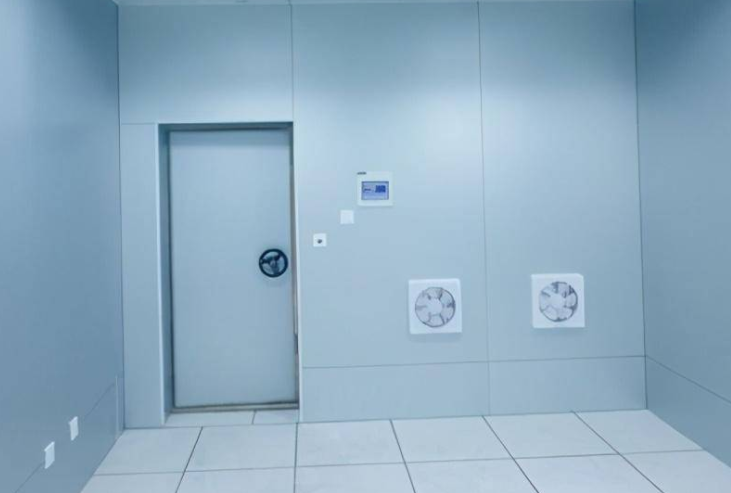
Many people misunderstand the principle of electromagnetic shielding, believing that simply creating a metal box and grounding it will provide electromagnetic shielding. Under this misconception, the results are often disappointing. Because, electromagnetic shielding has nothing to do with whether the shielding body is grounded or not.
The two true factors affecting the shielding effectiveness of a shielding body are: one is that the entire surface of the shielding body must be conductive and continuous, and the other is that conductors cannot directly penetrate the shielding body. There are many points of non-conductive discontinuity on the shielding body, with the most significant being gaps formed at the junctions of different parts of the shielding body.
These non-conductive gaps create electromagnetic leaks, much like fluids might leak through cracks in a container. One solution to this leakage is to fill the gaps with conductive elastic materials, eliminating non-conductive points. This is akin to filling the gaps in a fluid container with rubber. This elastic conductive filling material is known as an electromagnetic seal gasket. Many documents liken electromagnetic shielding to liquid-tight containers, suggesting that only when the gaps are sealed with conductive elastic materials to the point of being completely leak-proof can electromagnetic wave leakage be prevented.
Actually, that's not precise. Whether gaps or holes leak electromagnetic waves depends on their size relative to the wavelength of the electromagnetic waves. When the wavelength is much larger than the size of the opening, no significant leakage occurs.

For more information on electromagnetic shielding, please visit our website. For purchasing electromagnetic shielding equipment, please call our electromagnetic shielding room manufacturer, Hengli Shielding.


b2b.china9.net © Zhongshang 114 Hebei Network Technology Co., Ltd.Address: Room 6009, Oriental New World Center, No.118 East Zhongshan Road, Qiaoxi District, Shijiazhuang City, Hebei ProvincePlatform Service Hotline: 4006299930