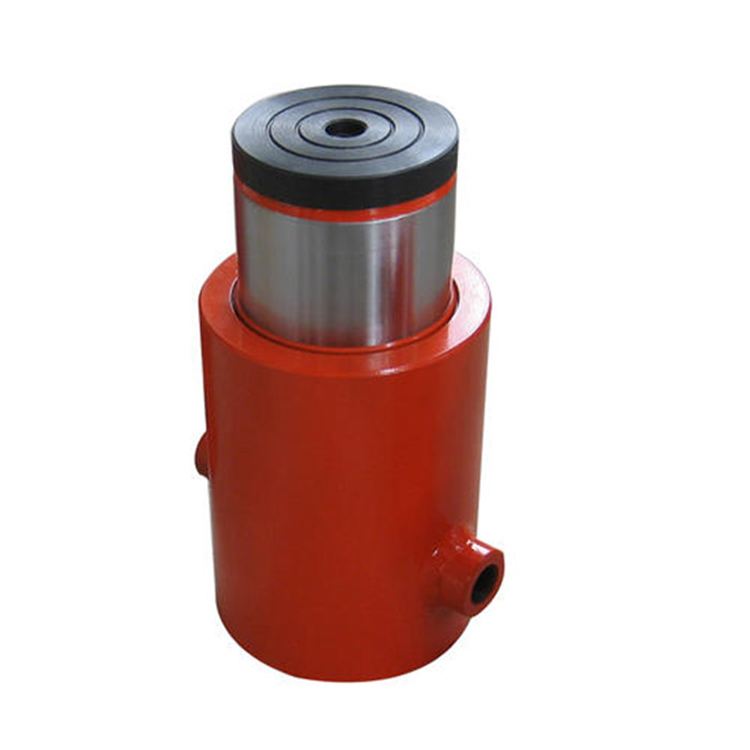
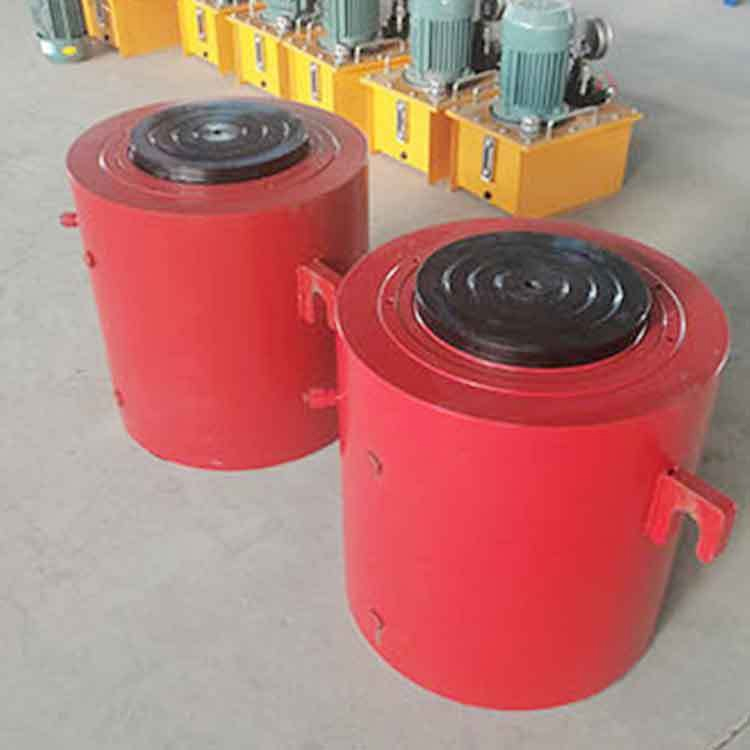
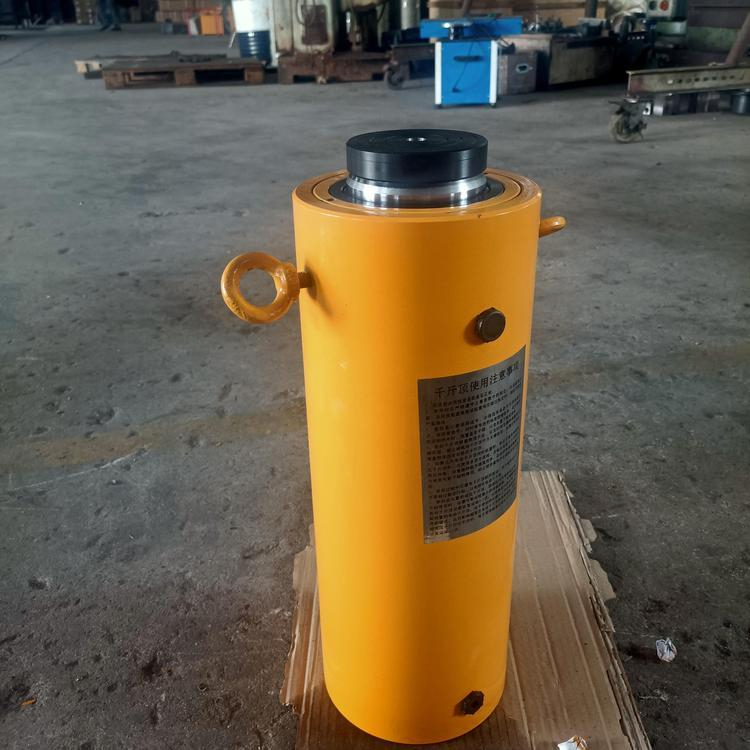
A hydraulic cylinder is a hydraulic actuator that converts hydraulic energy into mechanical energy, performing linear reciprocating (or oscillating) motion. It is structurally simple and highly reliable. When used to achieve reciprocating motion, it eliminates the need for a speed reduction device and has no transmission clearance, ensuring smooth movement, thus it is widely used in the hydraulic systems of various mechanical equipment. The output force of the hydraulic cylinder is proportional to the effective area of the piston and the pressure difference on both sides; the hydraulic cylinder essentially consists of the cylinder barrel and cylinder head, piston and piston rod, sealing device, cushioning device, and exhaust device. The cushioning and exhaust devices are determined by the specific application, while the other devices are indispensable.
Hydraulic cylinders come in various structural forms and are categorized in several ways: they can be classified by motion type into linear reciprocating motion and rotary oscillating motion; by the action of fluid pressure into single-acting and double-acting; by structural type into piston, plunger, multi-stage telescopic sleeve, and gear rack types, among others; by mounting style into pull rod, ear ring, base foot, and pivot shafts; and by pressure grade into 16MPa, 25MPa, 31.5MPa, and so on.
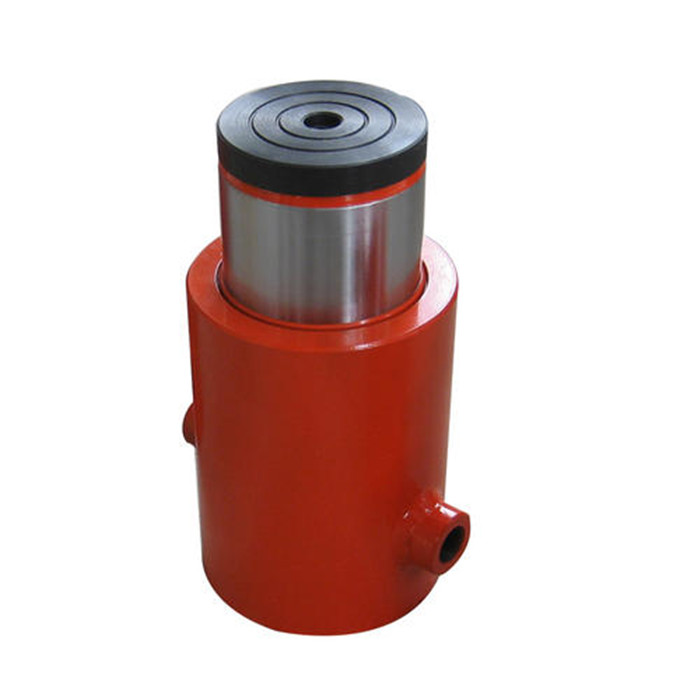

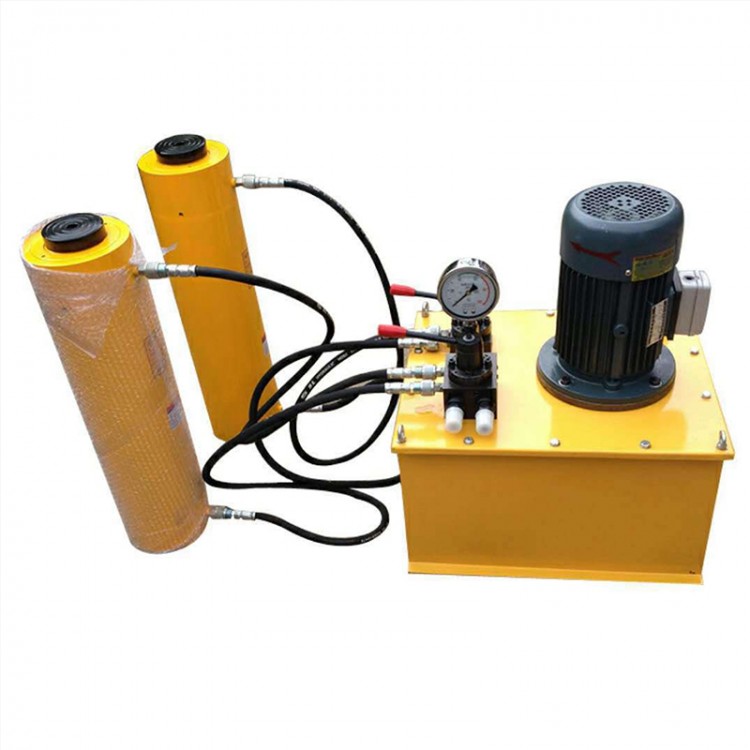 Hydraulic Synchronization Jack-Up
 Electric oil pump
 Electric hydraulic jack
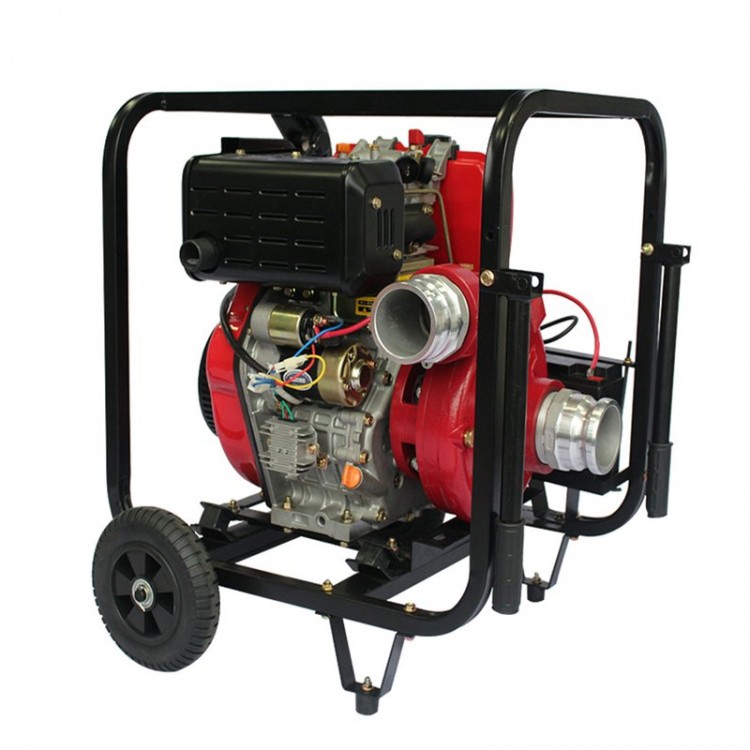 Ultra-High Pressure Mobile Pump
 Ultra-High Pressure Electric Pump
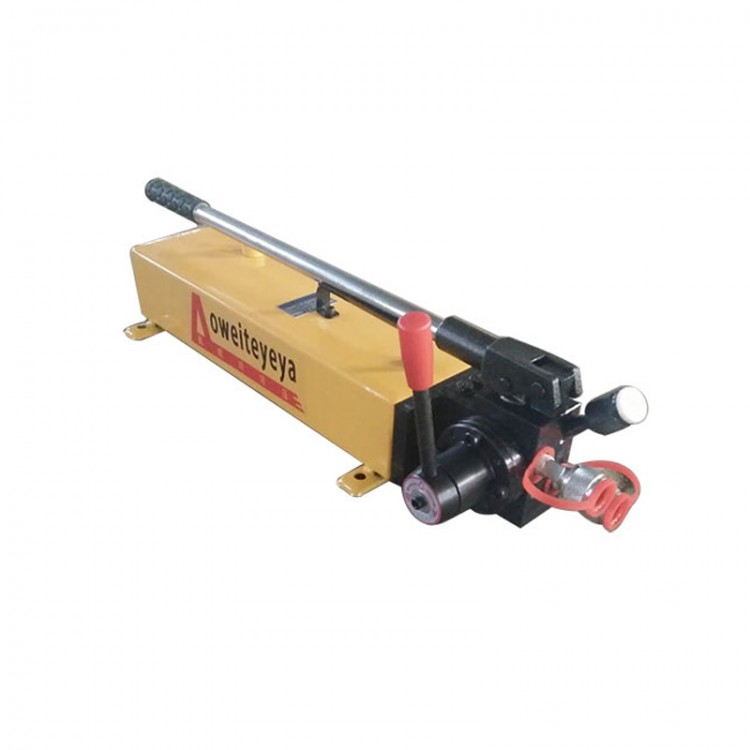 Super High Pressure Manual Oil Pump
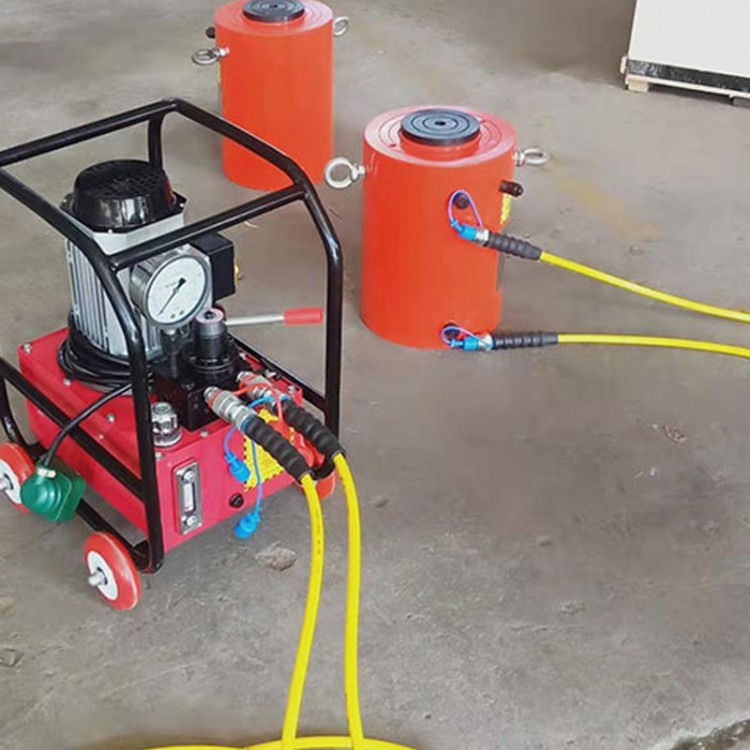 Complete Hydraulic System