Floor washers, street sweeping vehicles, and waste dispos...


Product Recommendation
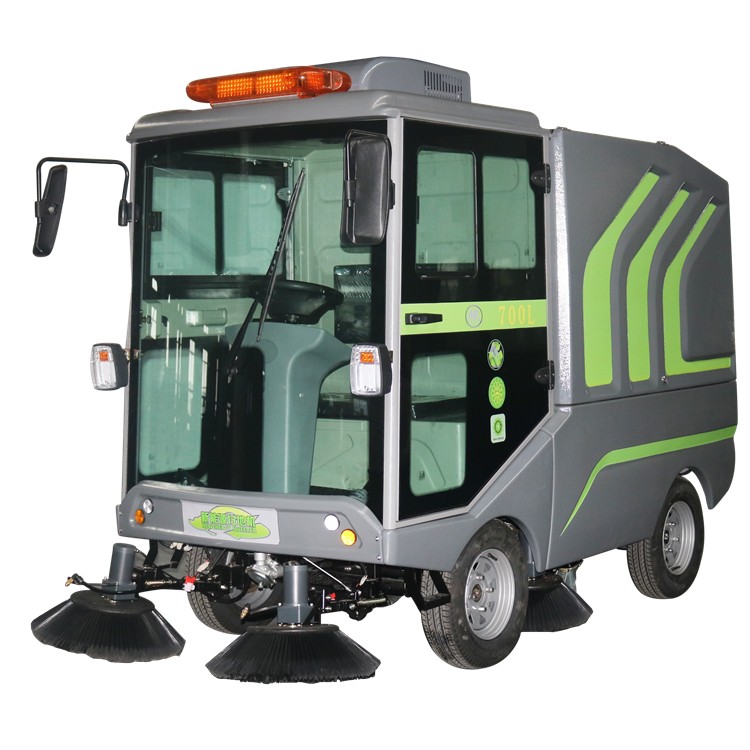
Industrial Park Workshop Factory Electric Sweeper, Residential Community Property Sweeper, Eco-Friendly Cleaning Vehicle
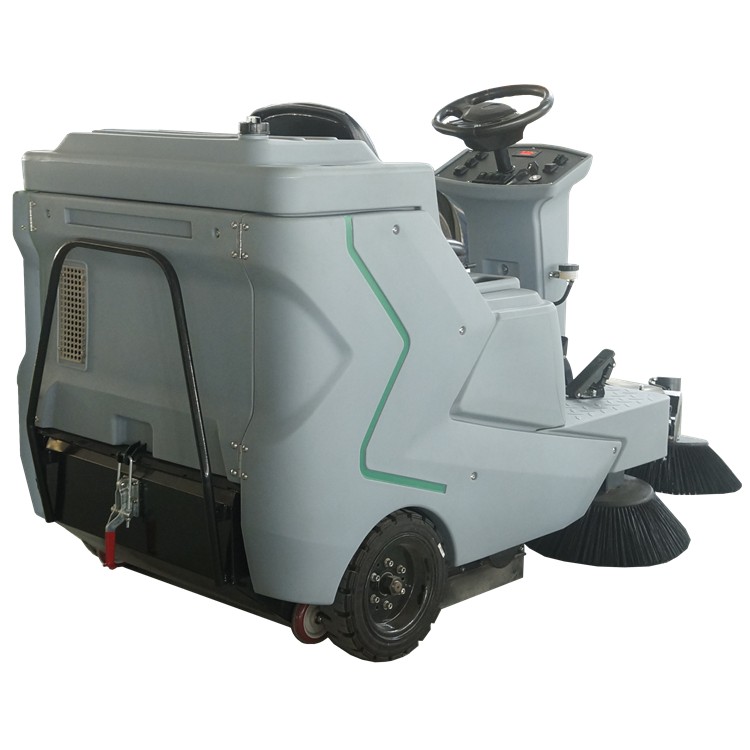
AKT150L Sanitation Sweeper Vehicle, Property Vacuum Cleaning Sweeper, Driveable Road Sweeper
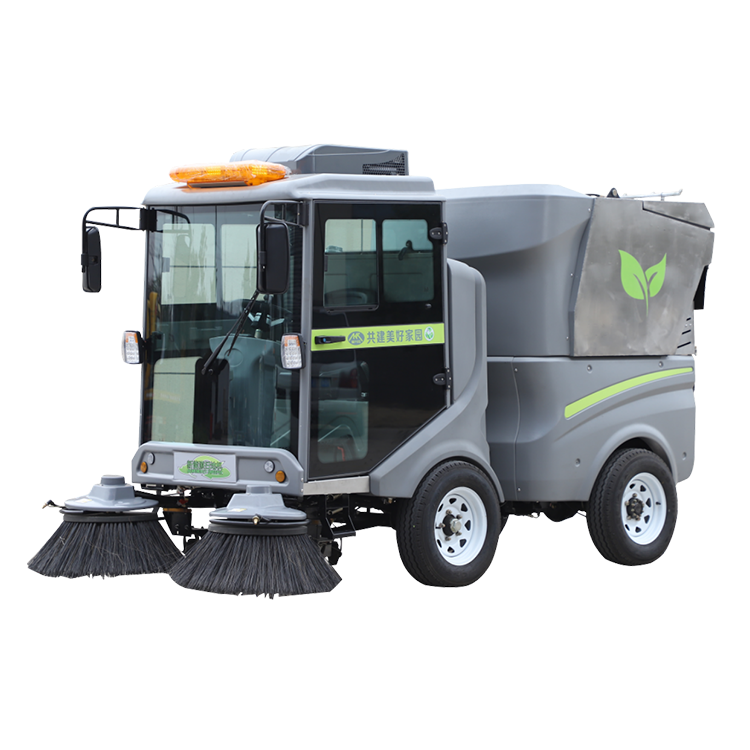
Full Suction Articulated Sweeper, Residential Cleaning Equipment, Automatic Sweeping Machine
Full Suction Articulated Sweeper, Residential Cleaning Equipment, Automatic Sweeping Machine
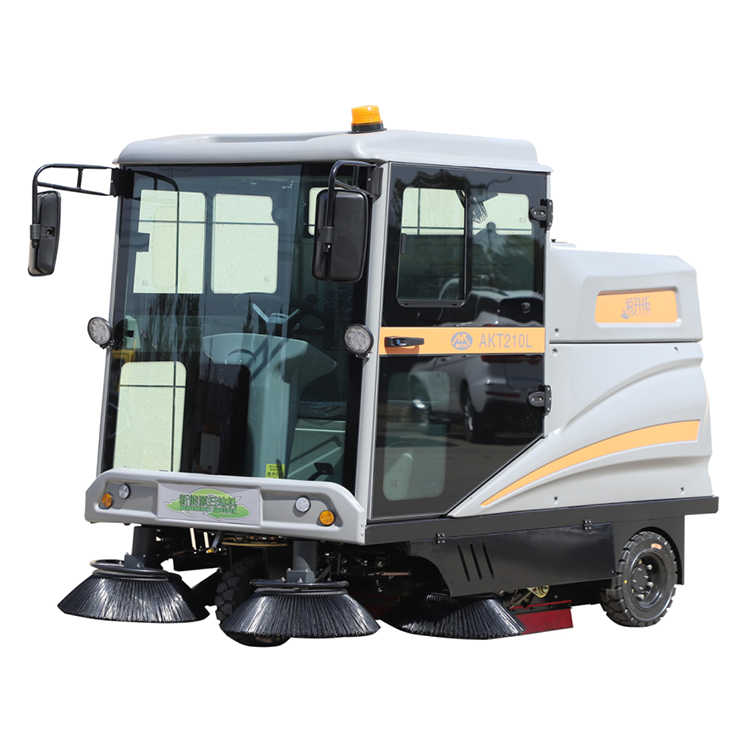
AKT210L Sweeper - Residential Outdoor Sanitation Road Vacuum Cleaner - Workshop Cleaning Vehicle Electric
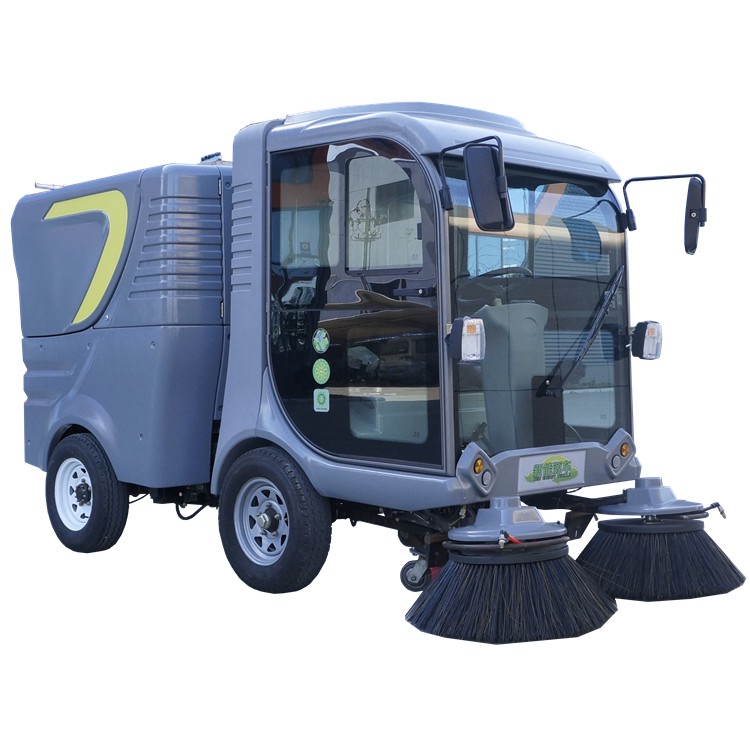
Full-suction sweeping machine, New Energy sweeping vehicle, Sweep and vacuum in one, Clean all sizes of debris
In response, based on the DB11/T 313—2005 Standard for Sweepers Testing Methods, over 10 specialized testing projects have been designed, including sweep efficiency tests, operational capacity tests, dust control tests in sweeping areas, fuel consumption tests during sweeping operations, and noise measurements. These tests validate the quality of sweepers from the perspective of environmental sanitation operations. By conducting these tests under identical conditions, the products of various companies can be evaluated and detection reports obtained. This allows buyers or bid evaluation experts to make cross-comparisons based on the technical data in the reports, selecting products that meet the required specifications during the bidding and procurement process.
The cleanliness test requires spreading "rubbish samples" on a designated area, with a spreading amount of 150 g/m² and a spreading width exceeding the sweeping width of the tested sweeper by 0.3 meters. Taking straight-line sweeping as an example, the sweeper completes a 200-meter sweep at normal operating speed, measuring the residual garbage on the ground before and after sweeping.
Through rigorous control over multiple testing conditions such as waste samples, designated sites, and equipment, as well as key processes like spreading, sampling, and measurement, we ensure that the data obtained is authentic, reliable, and horizontally comparable.


b2b.china9.net © Zhongshang 114 Hebei Network Technology Co., Ltd.Address: Room 6009, Oriental New World Center, No.118 East Zhongshan Road, Qiaoxi District, Shijiazhuang City, Hebei ProvincePlatform Service Hotline: 4006299930