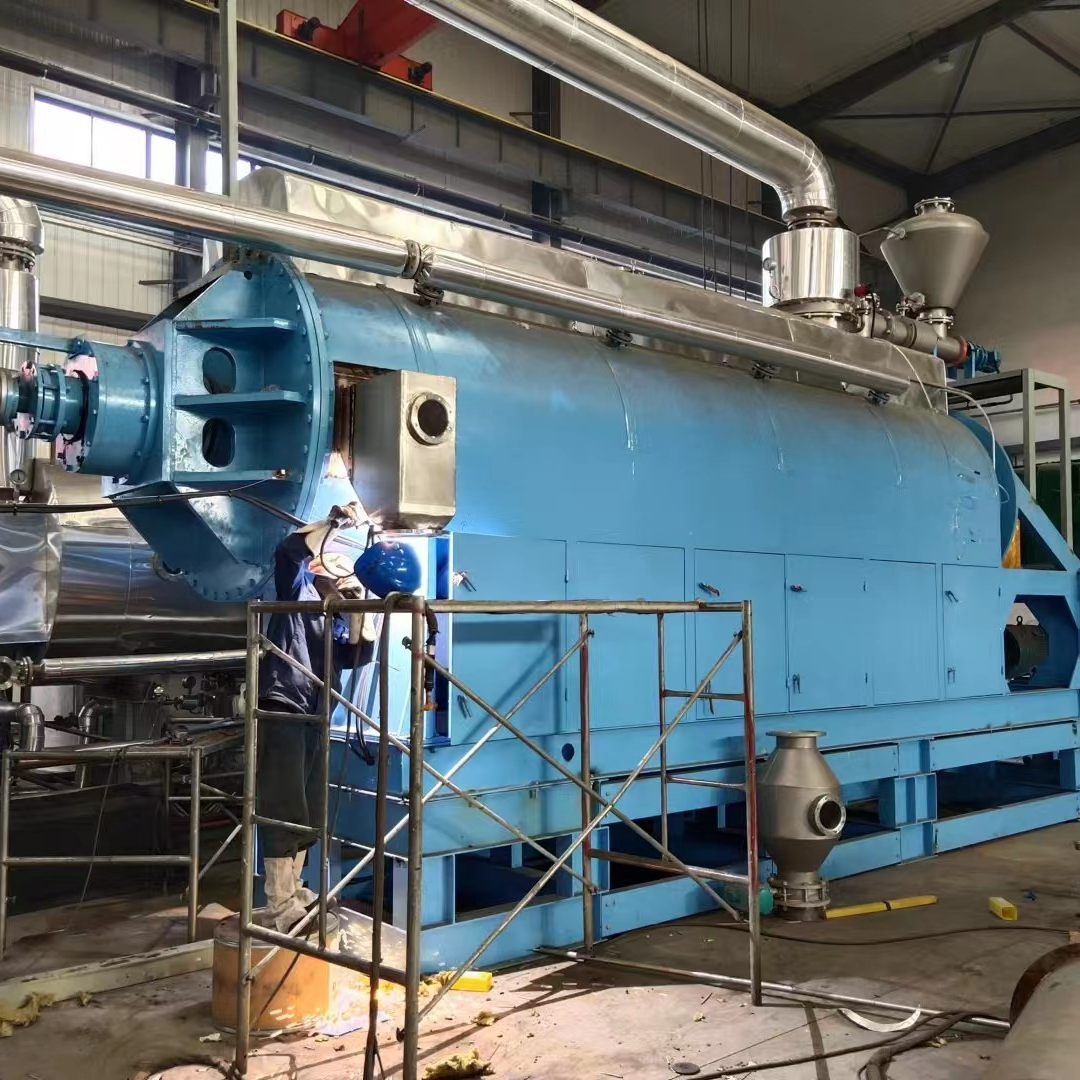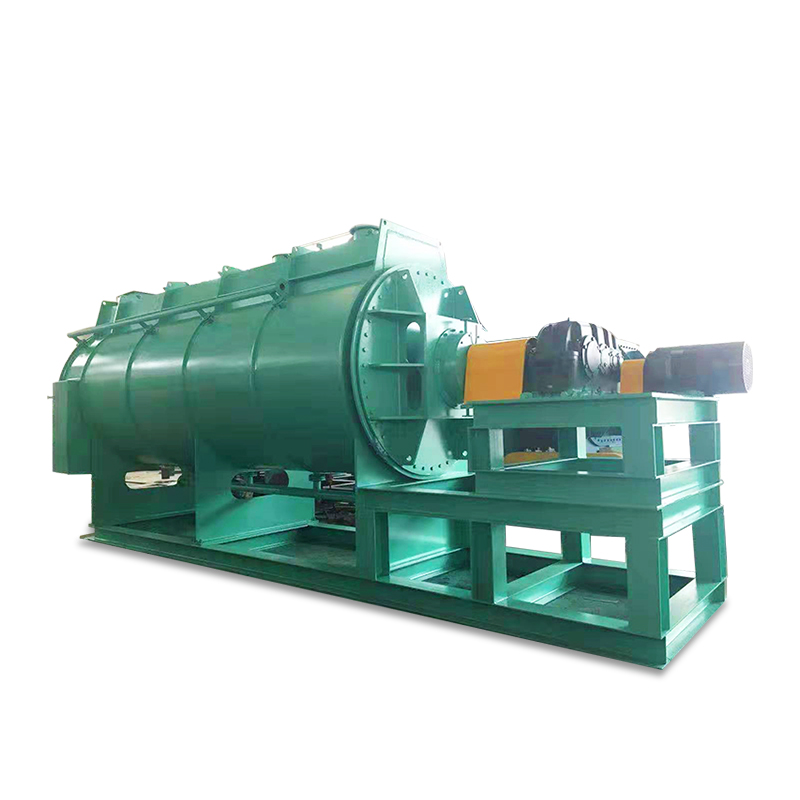


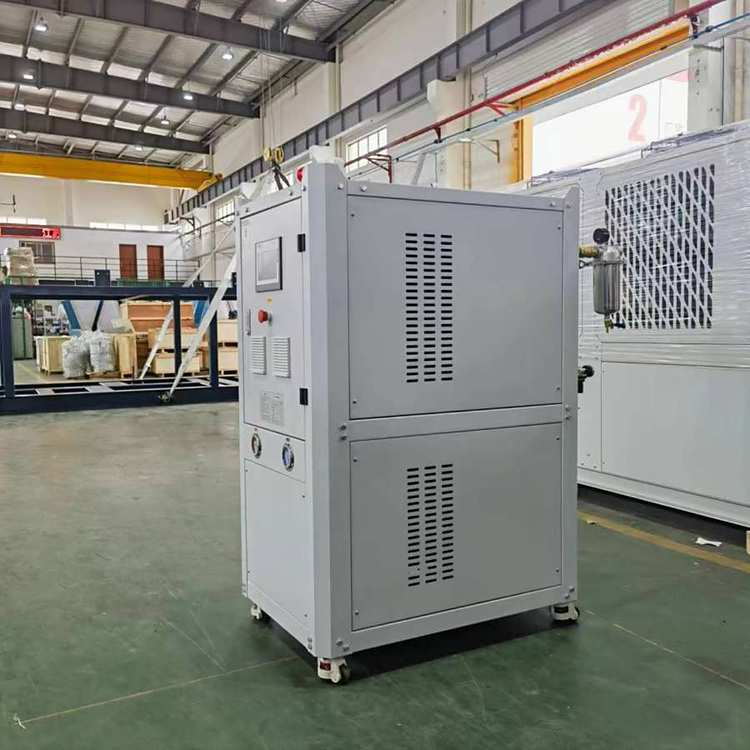

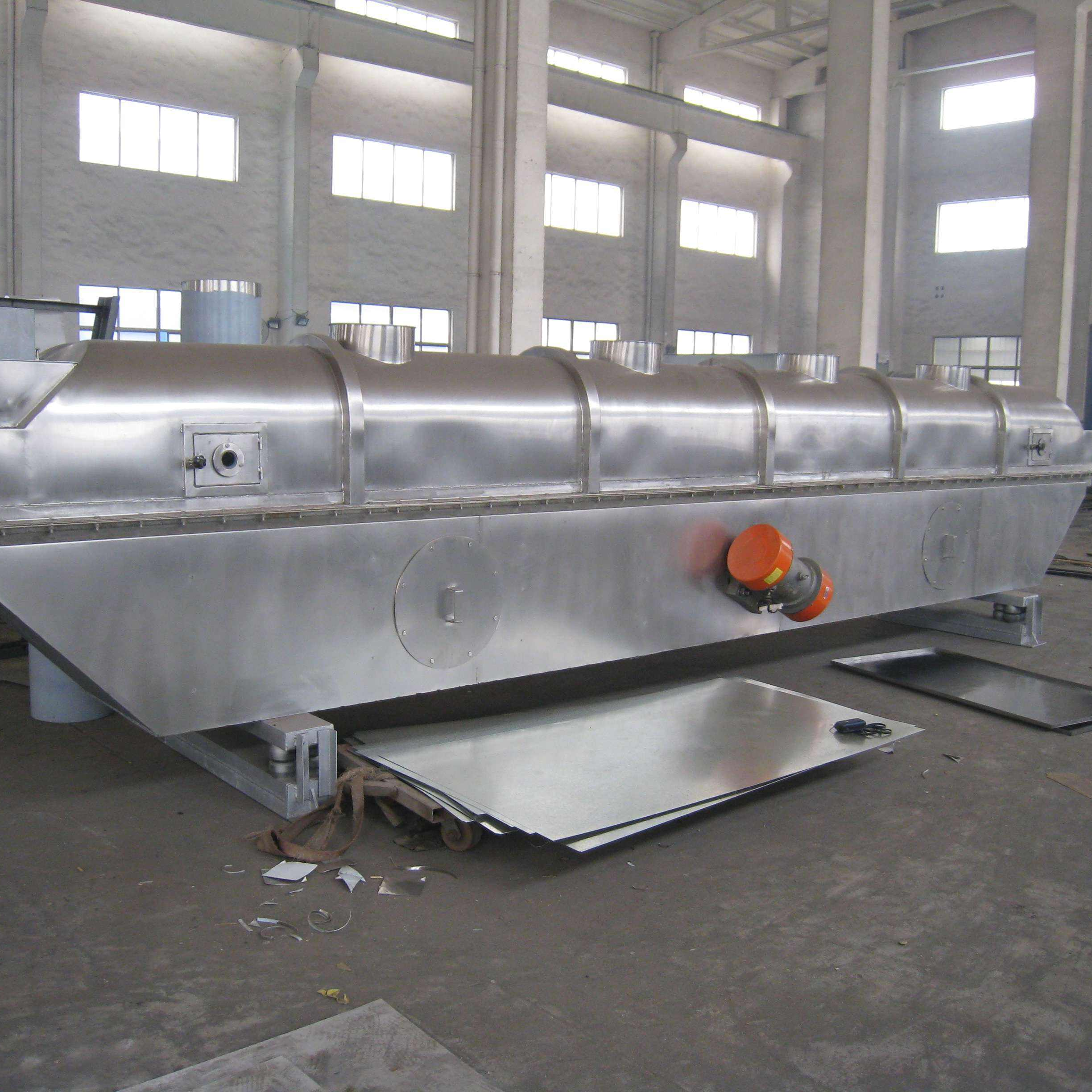
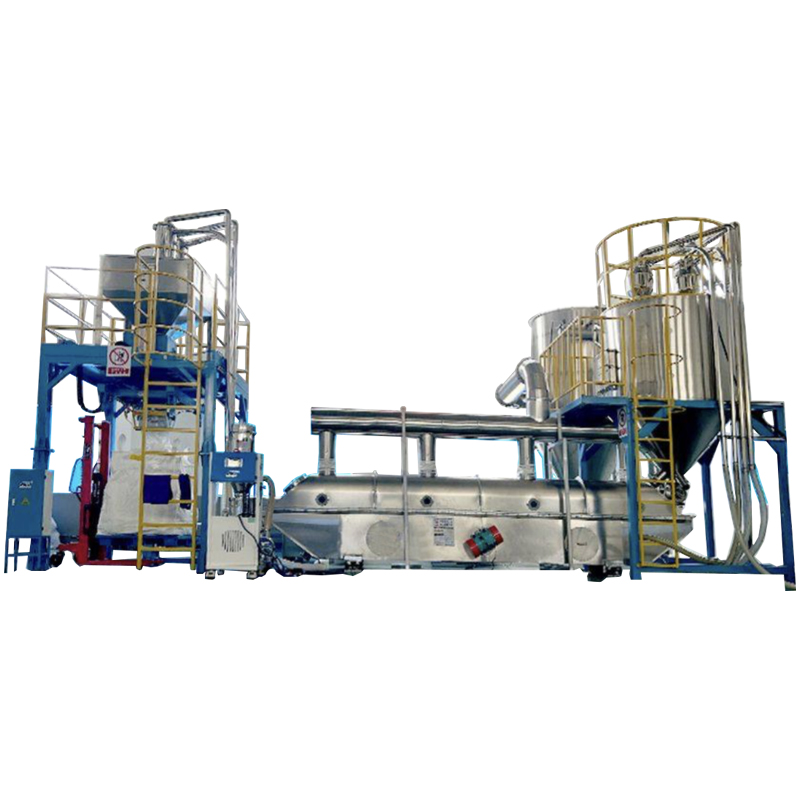
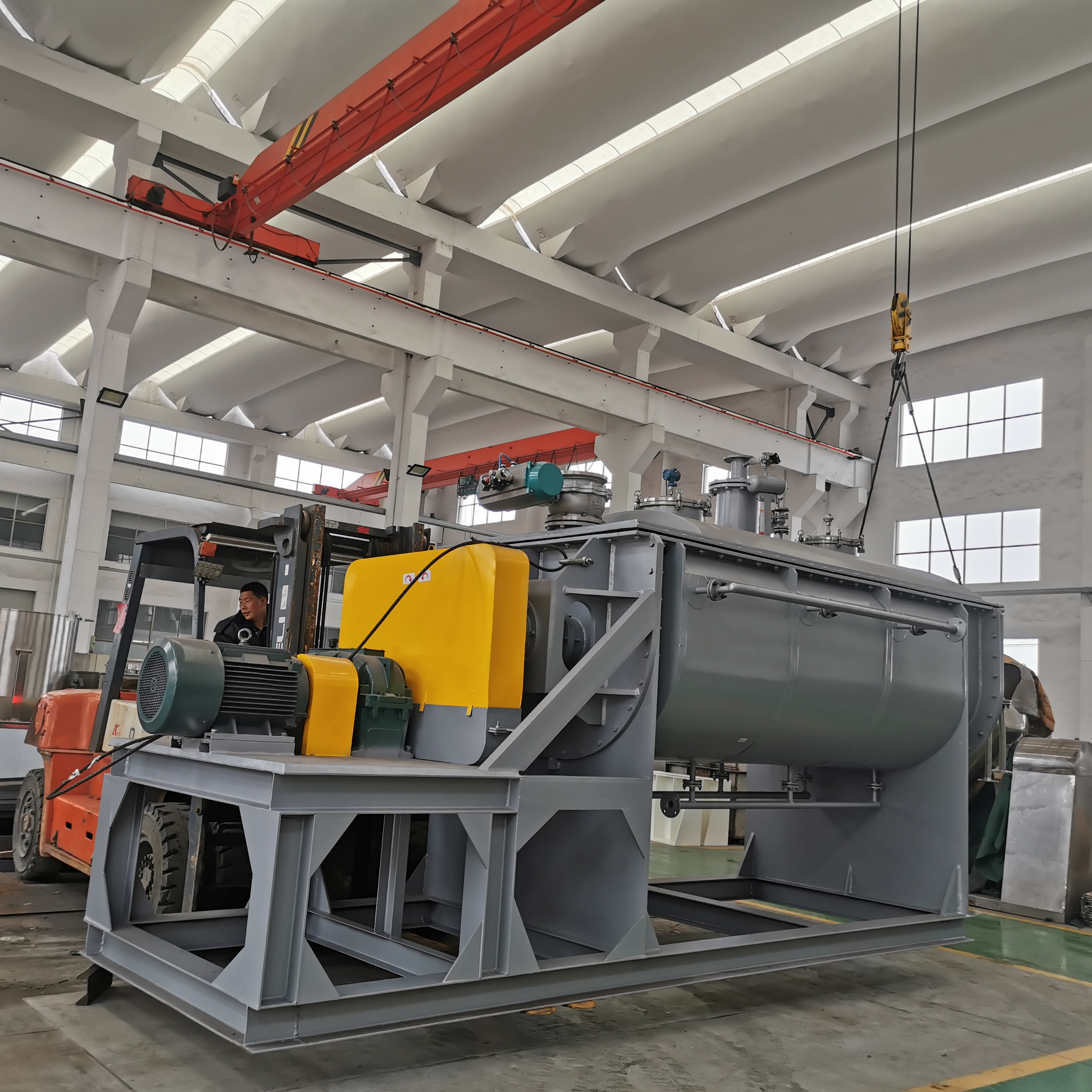





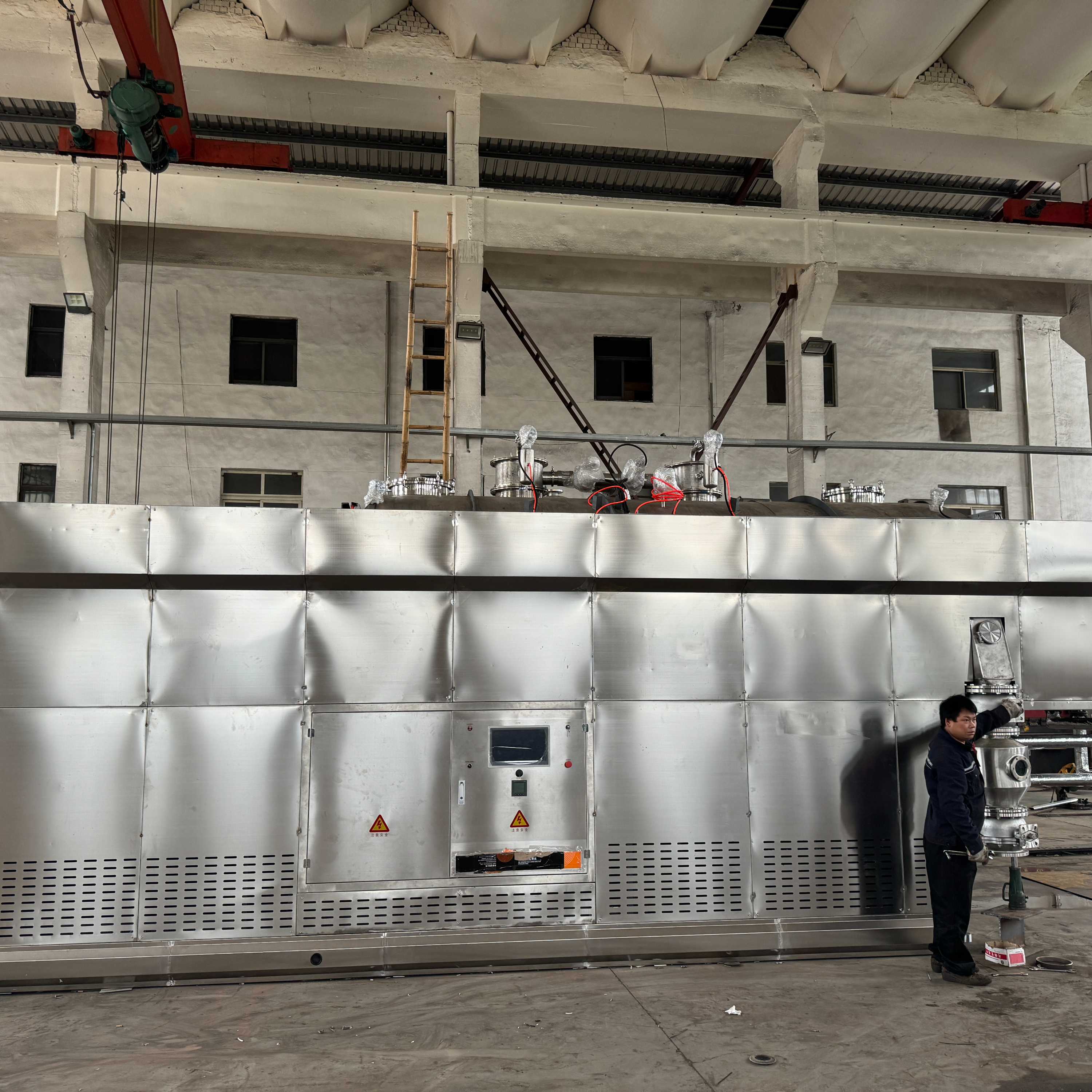
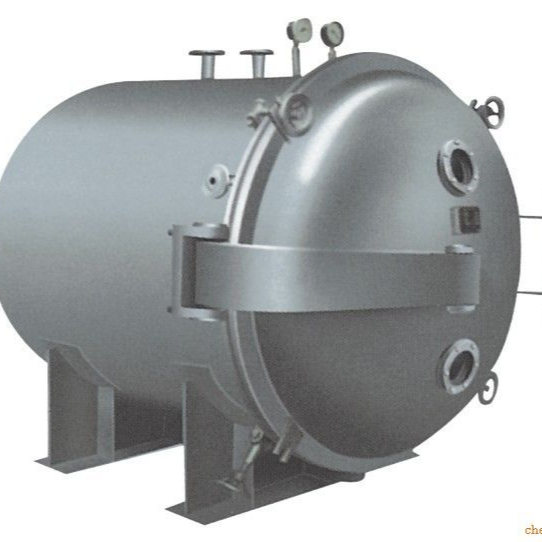
One,Product Overview
Spray drying is a widely used process in the liquid forming and drying industry. It is suitable for producing powdered or granular solid products from solutions, emulsions, suspensions, and pasty liquid raw materials. Therefore, it is a good process when the particle size distribution, residual moisture content, bulk density, and particle shape of the finished product must meet the ^ standards.
Section II: Product Introduction
Spray drying is a widely used process in the liquid forming and drying industry. It is suitable for producing powdered or granulated solid products from solutions, emulsions, suspensions, and paste-like liquid raw materials. Therefore, spray drying is a good process choice when the particle size distribution, residual moisture content, bulk density, and particle shape of the finished product must meet specific standards.
III. Working Principle
The air is filtered and heated, then enters the top air distributor of the drier, where the hot air spirals evenly into the drying chamber. The liquid material is atomized into extremely fine mist droplets by the high-speed centrifugal atomizer at the top of the tower (rotating), and is dried into finished product in a very short time upon concurrent contact with the hot air. The finished product is continuously discharged from the bottom of the drying tower and the cyclone separator, while the exhaust gas is exhausted by the fan.
IV. Performance Features
Quick drying speed; after atomization, the surface area of the material-liquid increases significantly. In the hot air stream, 95%-98% of moisture can be evaporated instantly, and the drying process takes only a few seconds, making it particularly suitable for drying heat-sensitive materials.
The product boasts excellent uniformity, fluidity, and solubility, with high purity and good quality.
The production process is simplified with convenient operation control. Liquids with moisture content of 40-60% (special materials up to 90%) can be dried into powdered products in one step. No crushing or screening is needed after drying, reducing production steps and improving product purity. Product particle size, bulk density, and moisture content can be adjusted within a certain range by changing operating conditions, making control and management easy.
FiveMaterial adaptable
Chemical Industry:Sodium (potassium) fluoride, alkaline dyes and pigments, dye intermediates, compound fertilizers, formaldehyde silicate, catalysts, sulfuric agents, amino acids, white carbon black, etc.
Plastic Resin:AB, ABS emulsion, urea-formaldehyde resin, phenolic resin, melamine (urea) formaldehyde resin, polyethylene, polyvinyl chloride, etc.
Food Industry:High-fat奶粉, Whey, Cocoa奶粉, Milk Substitute, Blood Meal, Egg White (Yolk) etc.
Food and PlantsOats, chicken broth, coffee, instant tea, flavored meat seasonings, protein, soybeans, peanut protein, hydrolysates, etc.
Sugar:Corn syrup, cornstarch, pectin, maltose, potassium sorbate, etc.
Ceramics:Alumina, tiles materials, magnesia, talc powder, etc.