



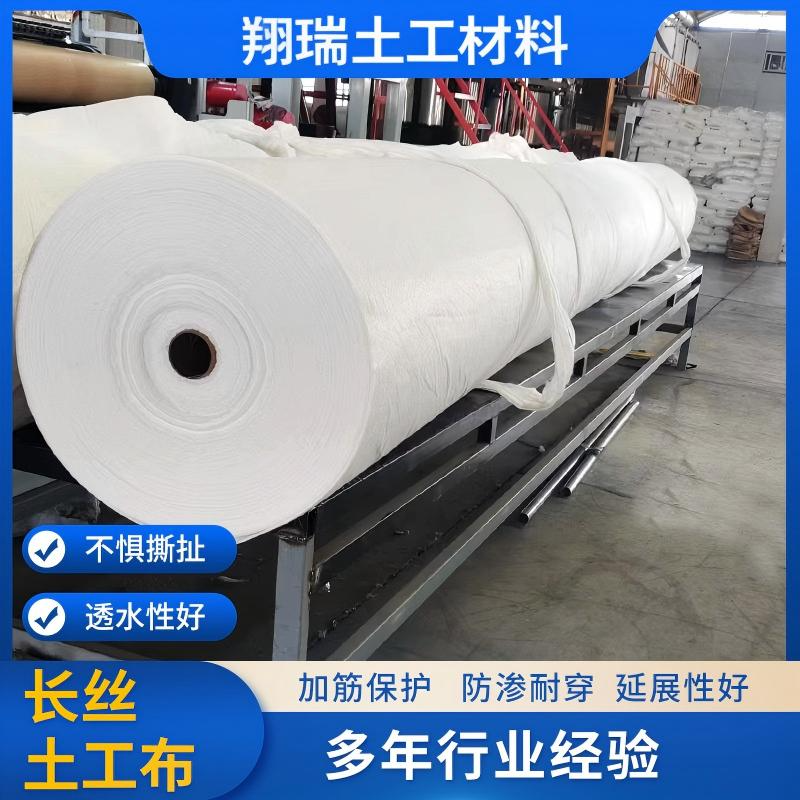
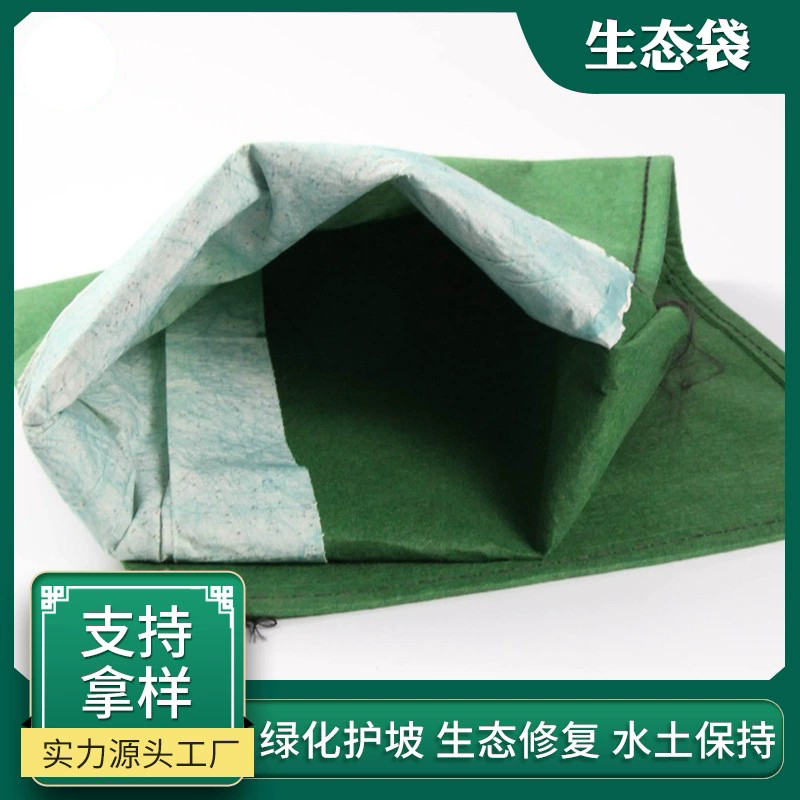







Product Introduction:
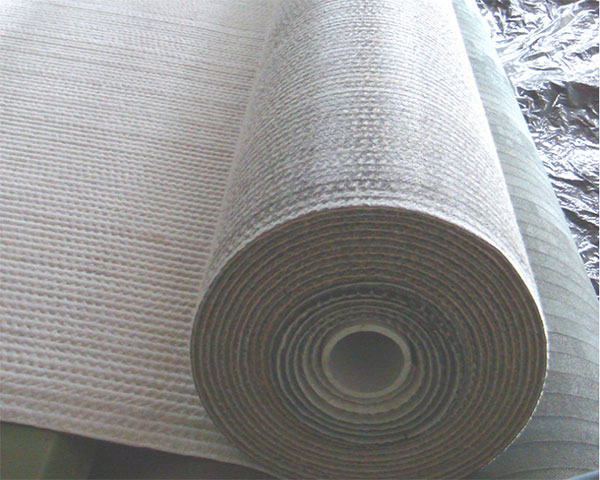
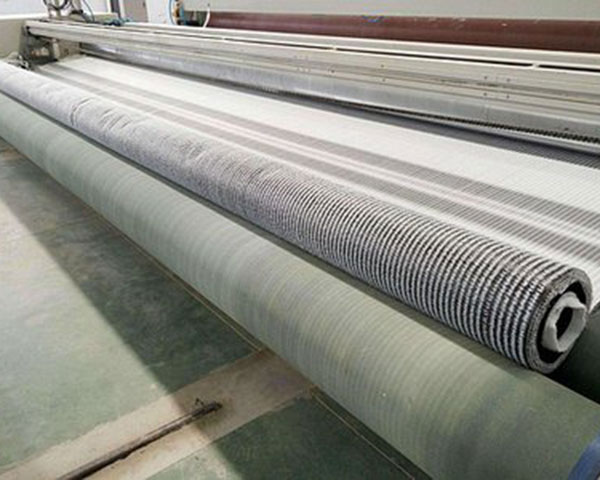
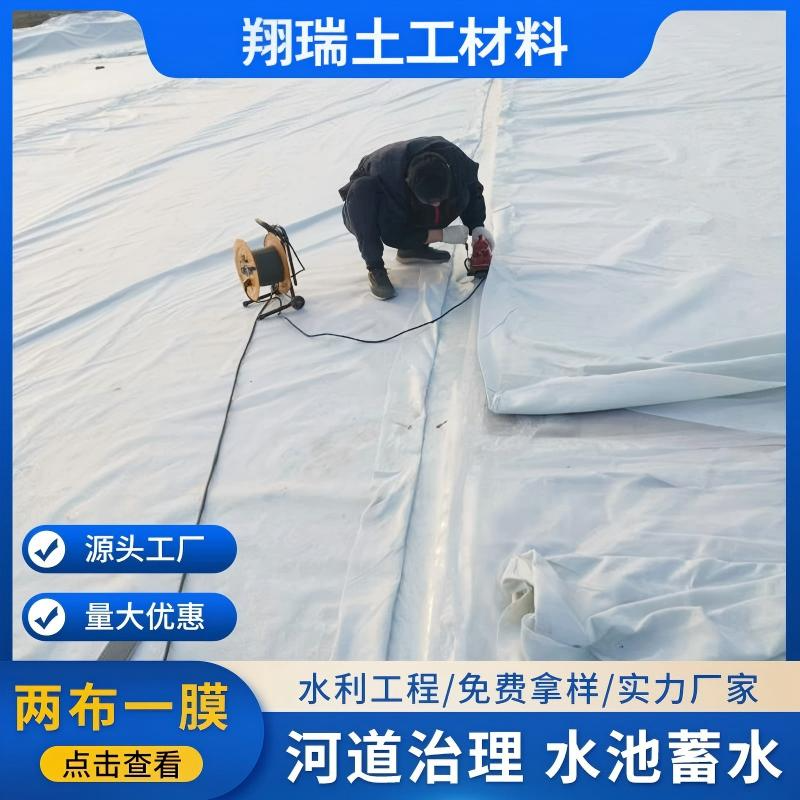
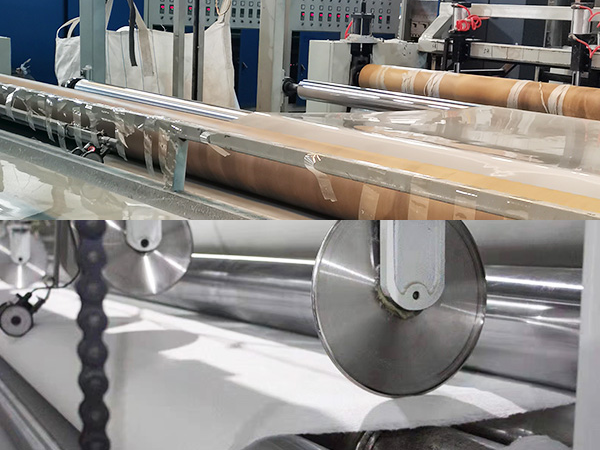
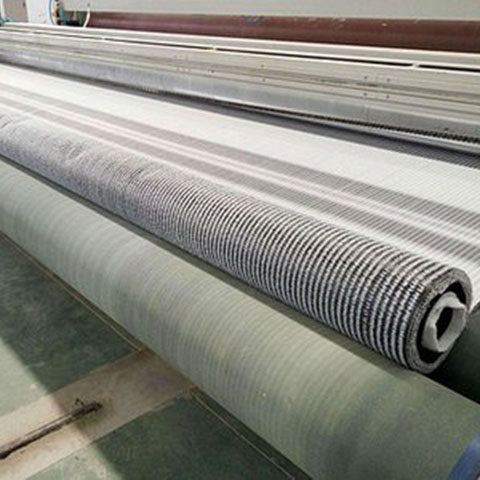
Geotextile waterproofing mats are specialized geomembranes used for artificial lakes, landfill sites, underground parking garages, rooftop gardens, ponds, oil storage facilities, and chemical storage yards to prevent leakage. They are made by filling high-expansive sodium bentonite between a custom composite geotextile and nonwoven fabric, creating a needle-punched bentonite waterproofing mat that forms numerous small fiber spaces. This prevents the bentonite particles from flowing in one direction, and when wet, forms a uniform, high-density gel-like waterproof layer within the mat, effectively preventing water leakage.
Product Features:
High performance-to-price ratio, with a wide range of applications. The product width can reach 6 meters, significantly enhancing construction efficiency.
Application Scope and Conditions: Suitable for municipal (waste landfill), hydraulic, environmental protection, artificial lake, and building underground waterproofing and seepage prevention projects.
Construction Requirements:
1. Before laying the bentonite waterproof mat, the subgrade should be inspected and should be compacted, level, free of holes, puddles, stones, tree roots, and other sharp objects.
2. Avoid vibration and impact during transportation and construction of the bentonite waterproof geotextile, ensuring minimal bending and a one-time placement.
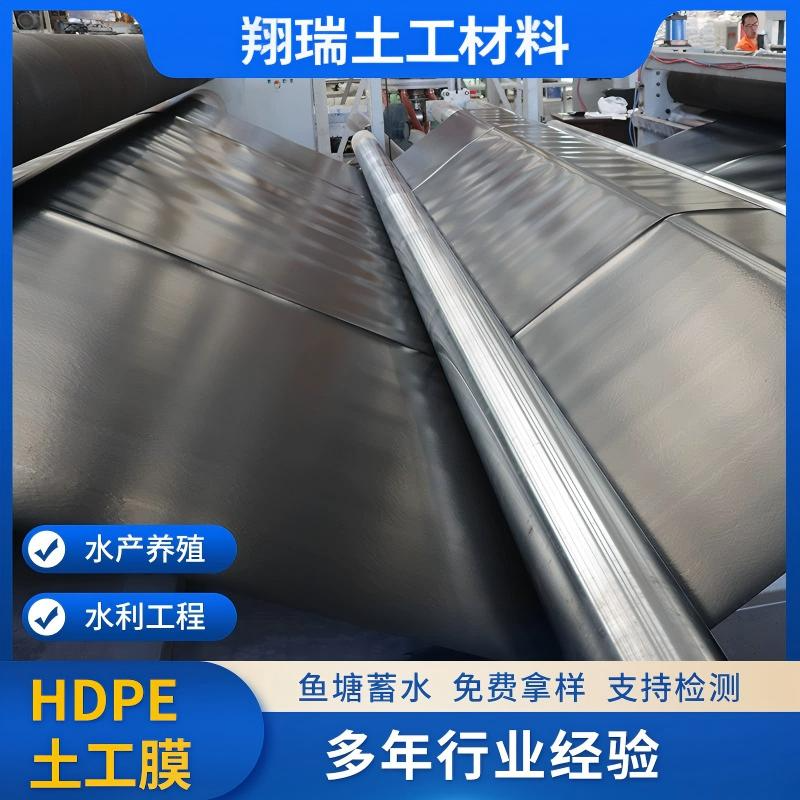
3. After the installation and acceptance of the GCL, it is crucial to promptly carry out the backfilling work. For projects that use the HDPE geomembrane in conjunction with the GCL, the geomembrane should be laid and welded immediately to prevent it from getting wet or damaged by rain.
The waterproofing mechanism is as follows: the sodium-based bentonite particles used in the waterproofing geotextile can expand more than 24 times when in contact with water, forming a colloidal system with high viscosity and low filtrate loss. Under the restriction of the two layers of geotextile, the bentonite expands from disordered to ordered, resulting in a continuous water absorption and expansion. This process allows the bentonite layer to become compact, thereby providing waterproofing properties.