










Product Introduction:
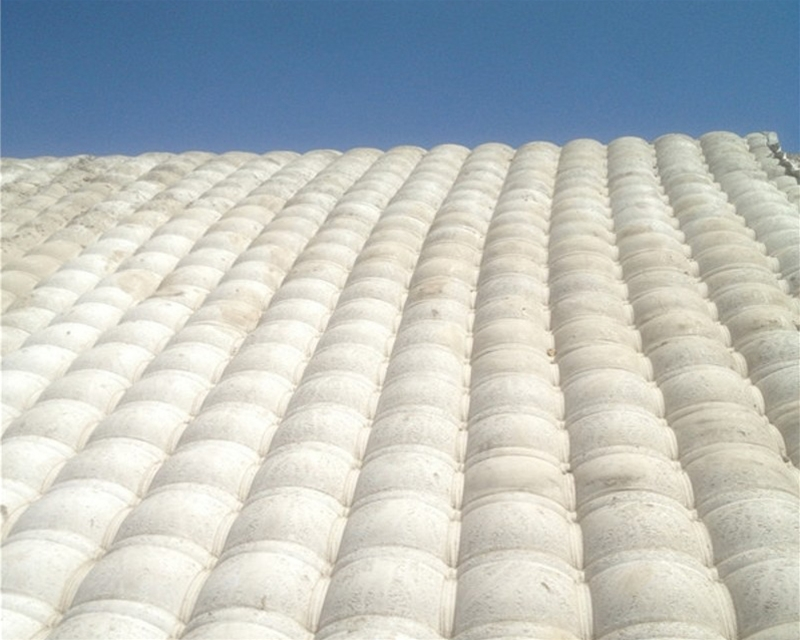
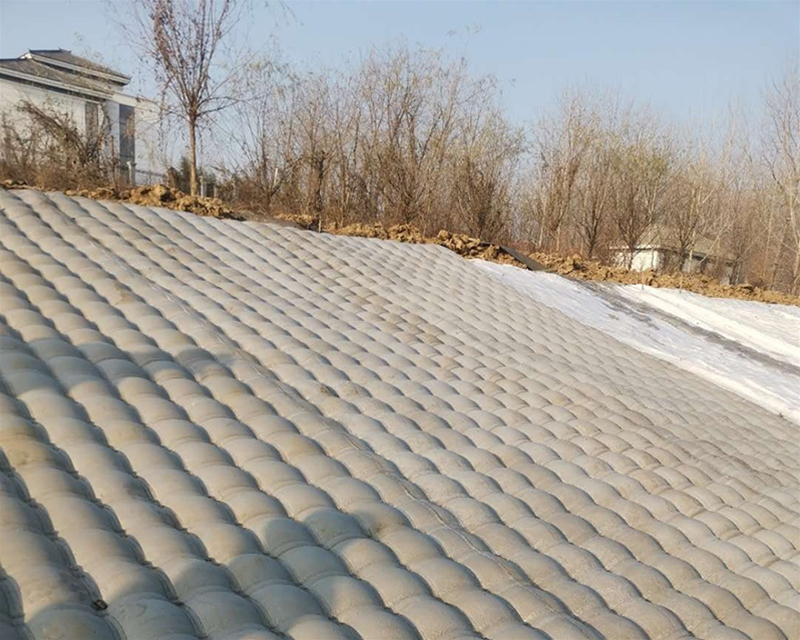
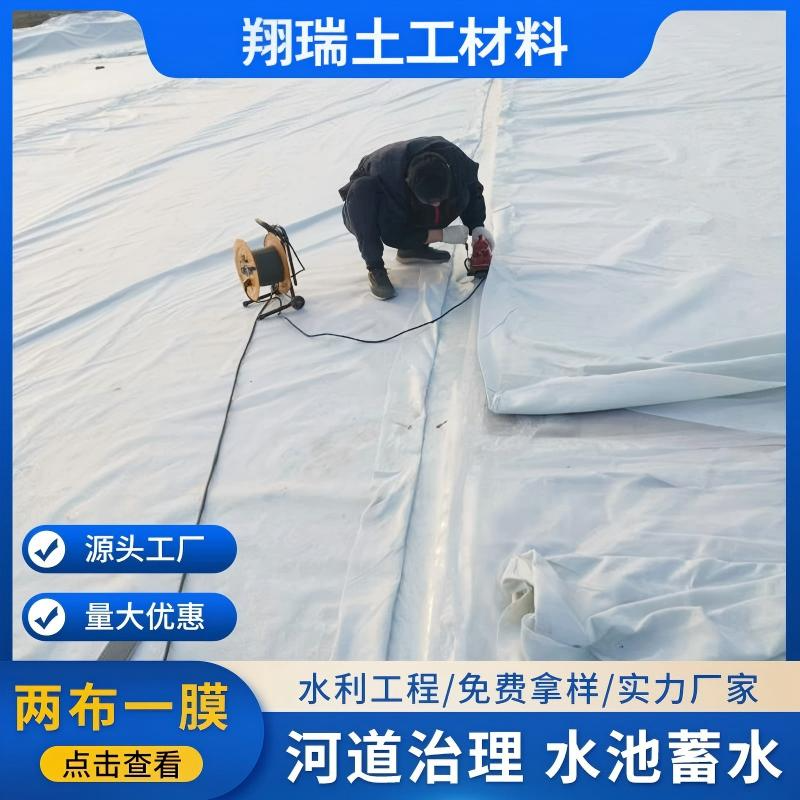
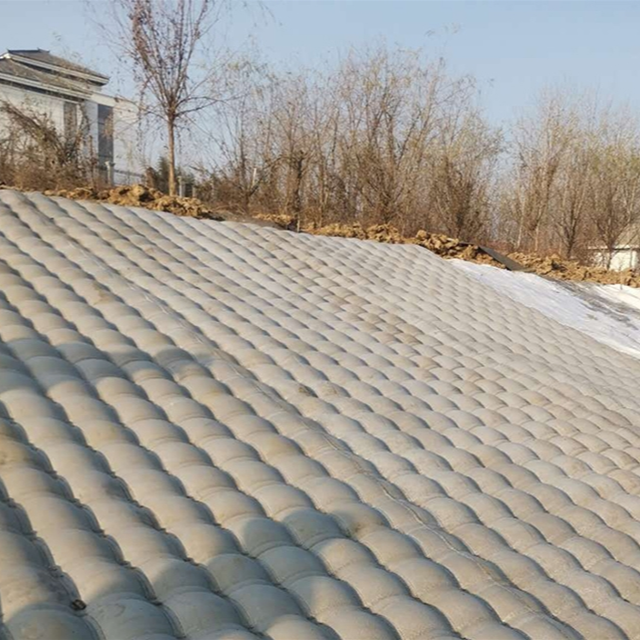
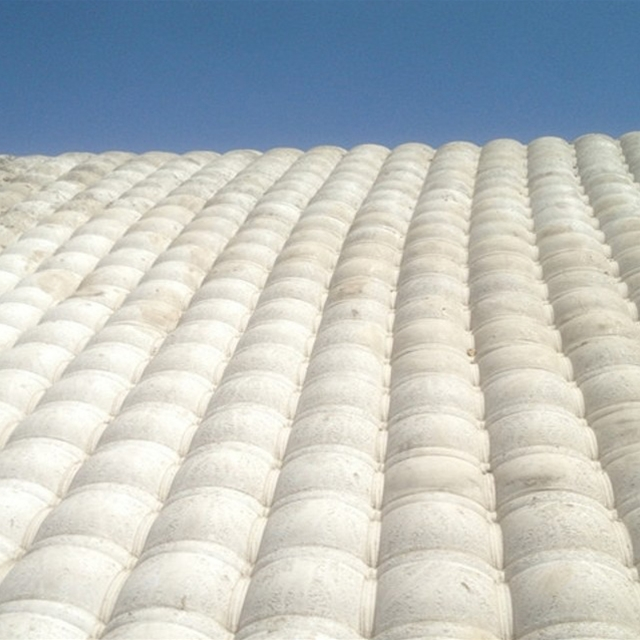
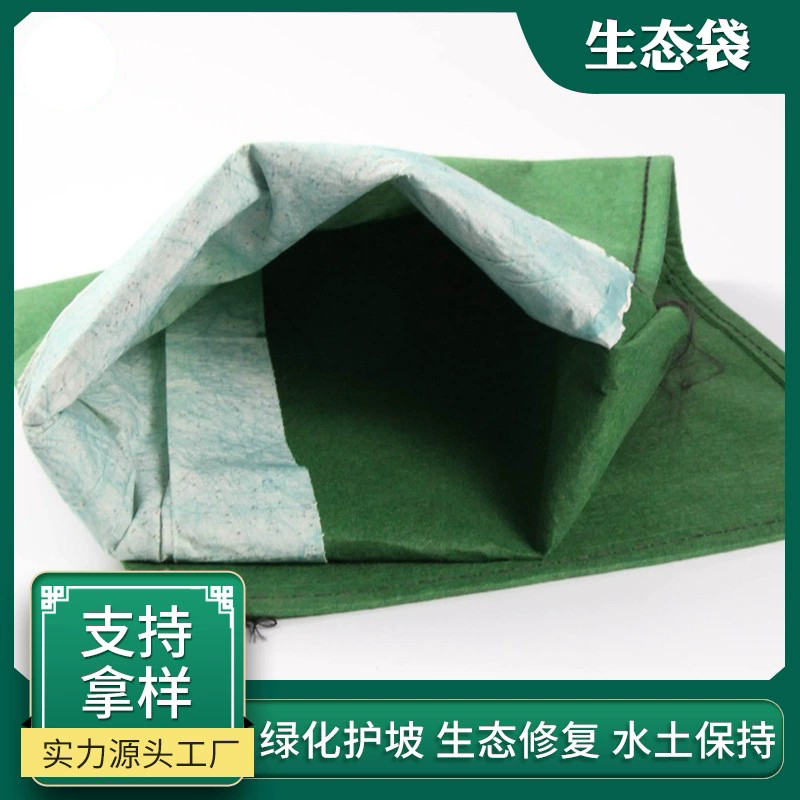
Geotextile bags, also known as woven geotextile bags, are continuous or individual bag-like slope protection materials made by connecting two layers of high-strength woven geotextile through intermediate suspension wires. Concrete or cement mortar is pumped into the geotextile bags through a high-pressure pump, and the thickness of the concrete or cement mortar is controlled by the length of the internal suspension wires. After solidification, the concrete or cement mortar forms a board-like structure with certain strength. Construction can be done both above and below water without the need for cofferdams, and it can be organized under various on-site conditions. Particularly suitable for the protection of river embankments and coastal areas. This slope protection has good integrity, does not require large machinery or equipment, does not affect navigation during construction, is quick to install, and has low labor intensity. The protective surface does not require annual maintenance and has low maintenance costs.
Geotextile Bag Advantages:
(1) Soil geotextile bags are constructed through a single spray-forming process, offering ease and speed of construction.
(2) Geotextile bags are adaptable to various complex terrains, particularly in deep-water revetments and foundations where dike construction is unnecessary. They can be directly installed underwater, featuring high mechanization, large protected slope area, strong integrity, good stability, and a long service life.
(3) Geotextile bags possess certain permeability. After concrete or cement mortar is poured in, excess water can seep out through the fabric gaps, quickly reducing the water-cement ratio, accelerating the setting speed of the concrete, and enhancing its compressive strength.
Application Fields:
Widely used in protective engineering such as embankment turfing, river, riverbank, lake, and sea dykes, shorelines, and docks, it serves to stabilize, reinforce, and green these areas.