

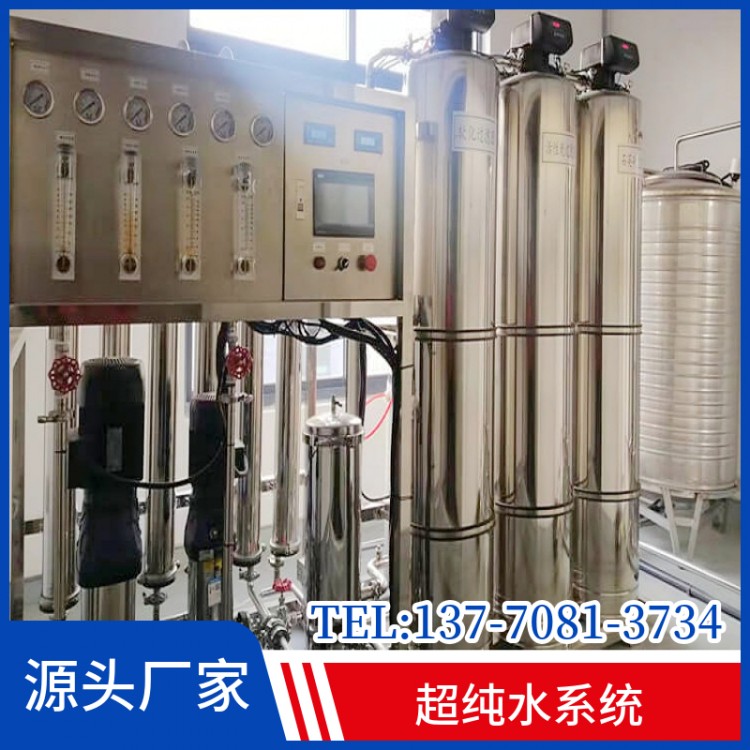
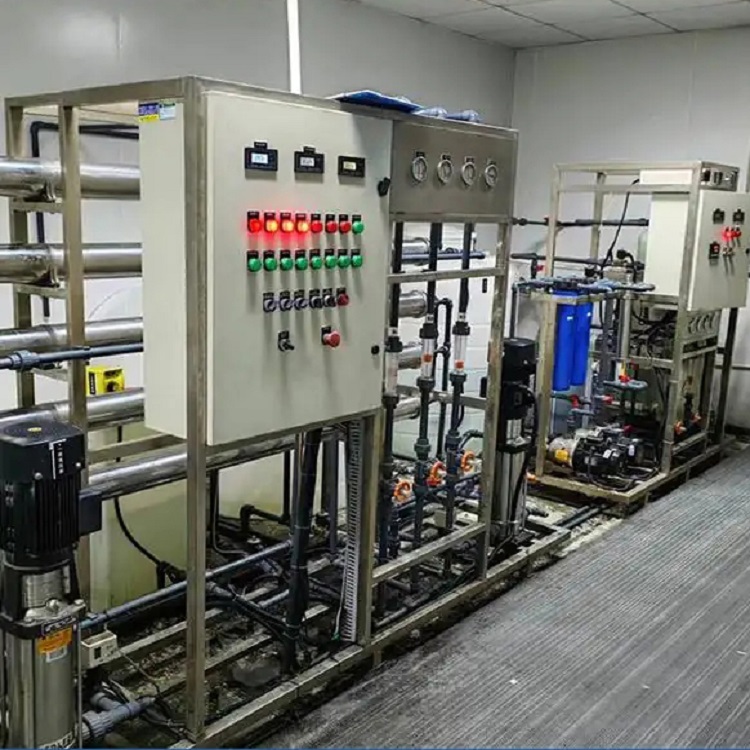
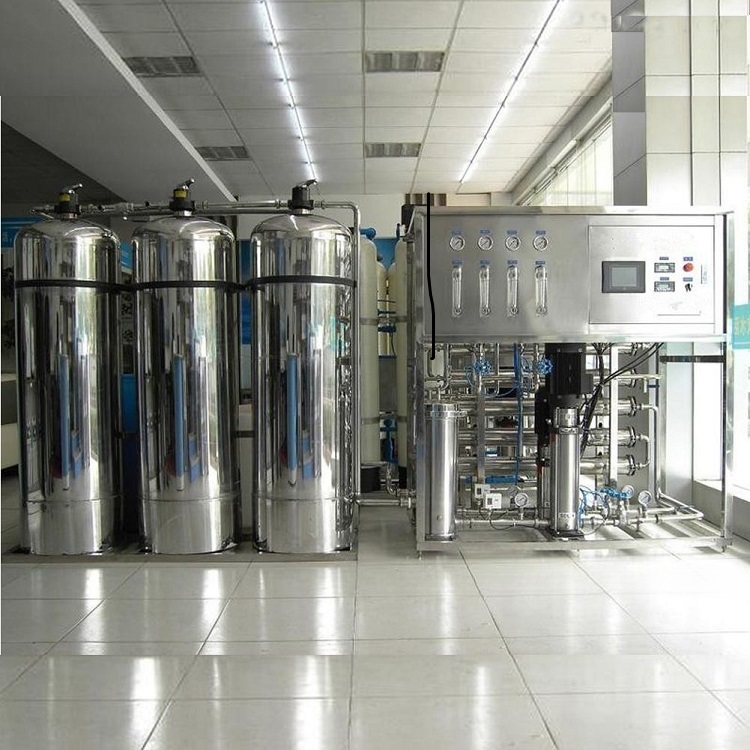











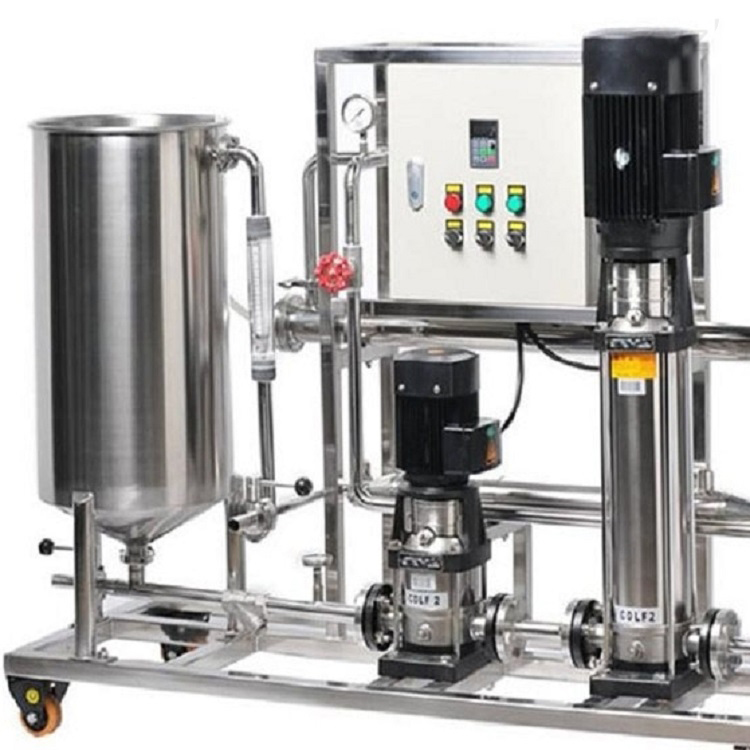
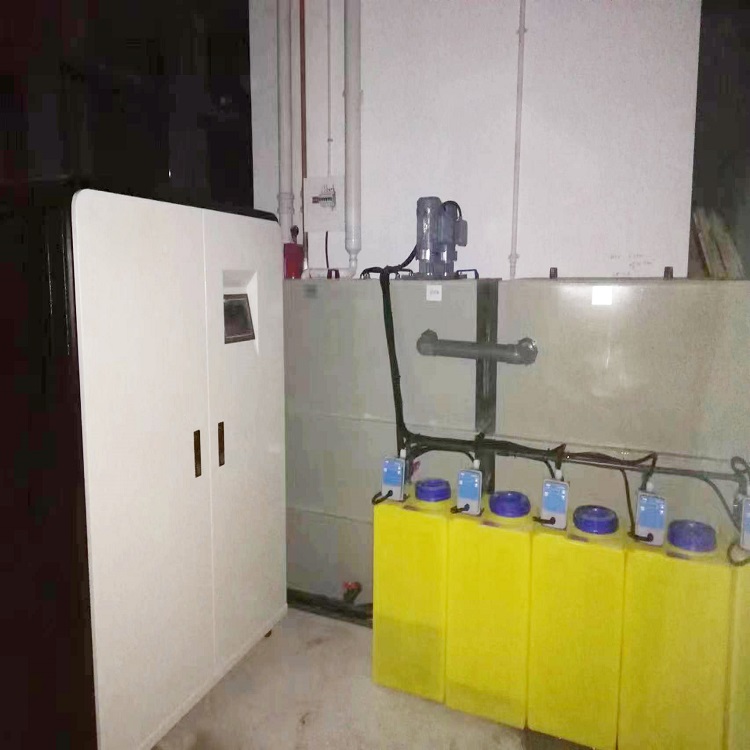
Pure Water System Engineering, Reverse Osmosis Pure Water Equipment, Fully Automatic Control System, Low Energy Consumption
Pure water equipment utilizes reverse osmosis filtration technology, which is an advanced and effective desalination method today. The principle involves water molecules passing through a reverse osmosis membrane under pressure to become pure water, while impurities are retained and removed by the membrane. Reverse osmosis technology effectively removes dissolved salts, colloids, bacteria, viruses, bacterial endotoxins, and most organic matter from water. The desalination rate of reverse osmosis equipment systems is typically 97-99%. The resistivity of the effluent from a primary reverse osmosis unit usually ranges between 0.05-0.5 mΩ/cm. The technology of using double-stage reverse osmosis equipment for desalination is known as two-stage reverse osmosis. A two-stage reverse osmosis unit can remove over 99% of the salt from the original water. Different chemical products have varying water quality requirements, and customized solutions can be provided based on specific water quality needs.
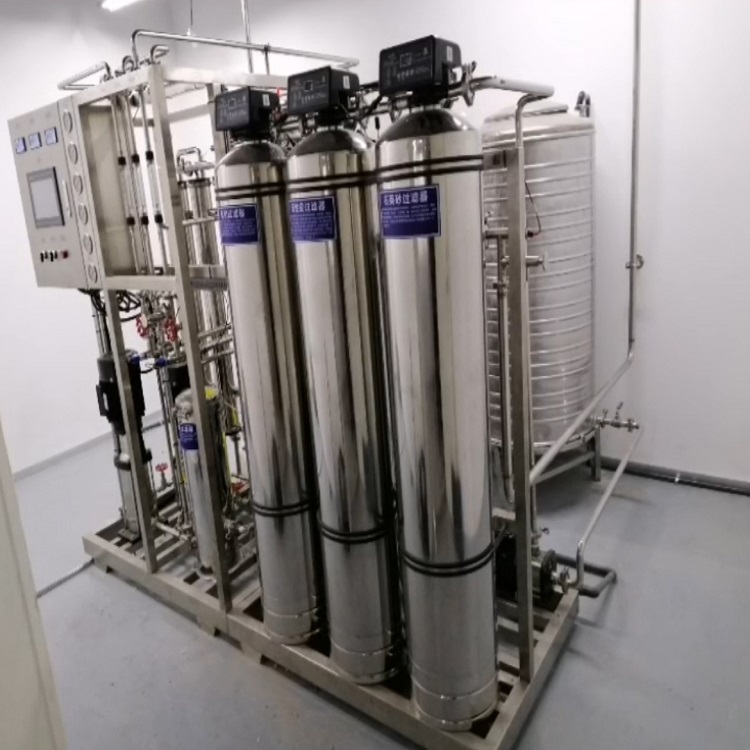
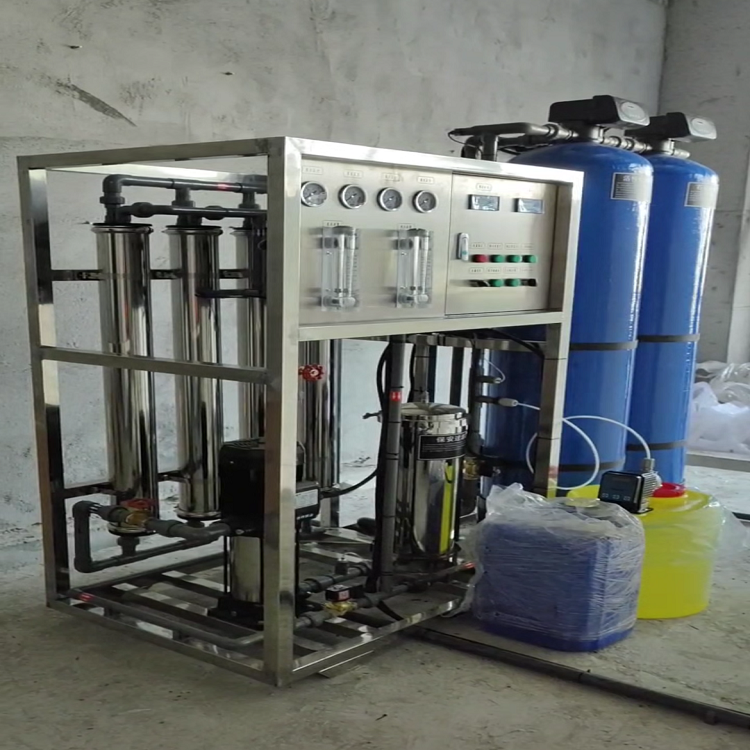
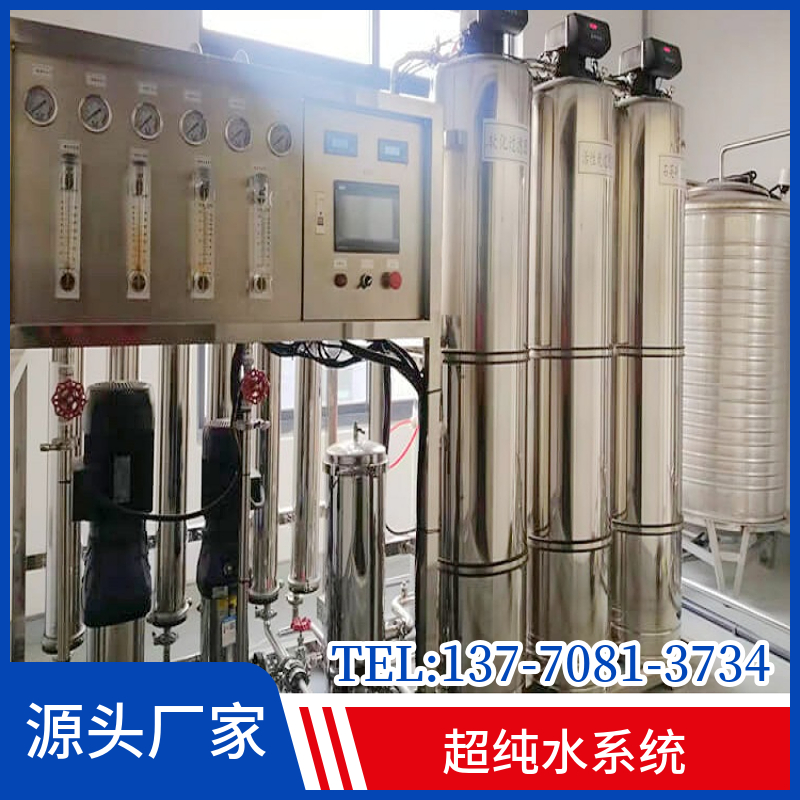
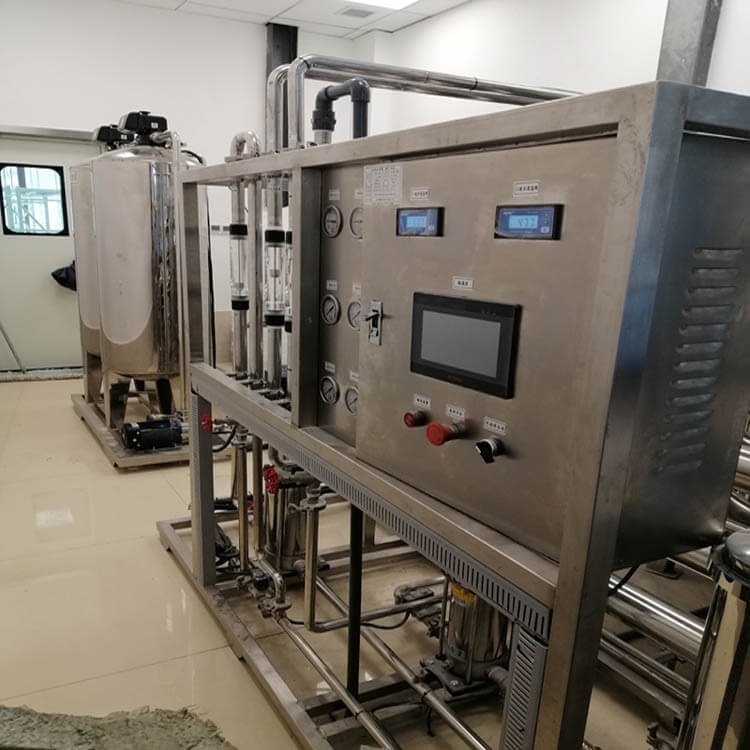
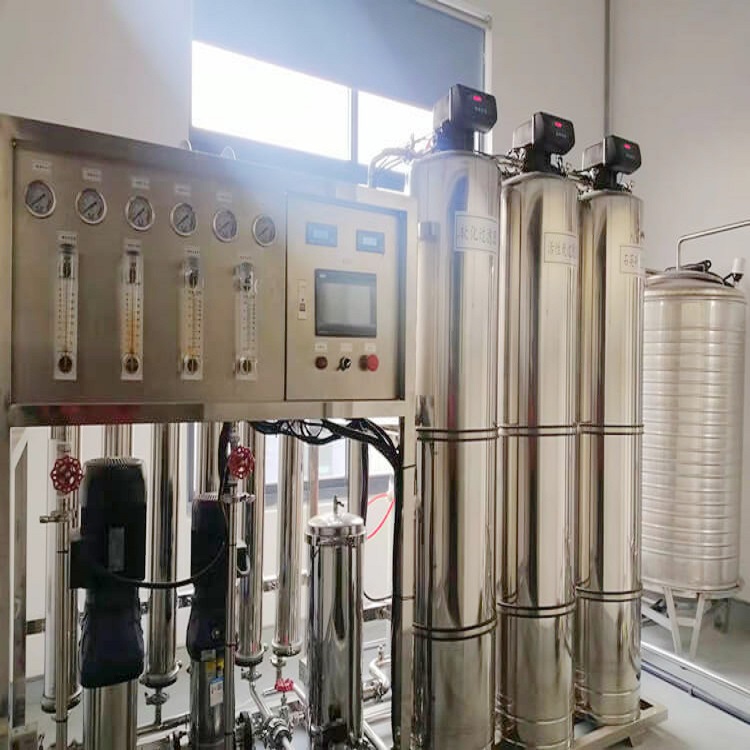
Equipment parts and accessories function descriptions:
1. Water Tank: Primarily addresses the issue of fluctuating tap water pressure, reducing the frequent startup of the booster pump and mechanical failures caused by unstable tap water pressure during operation.
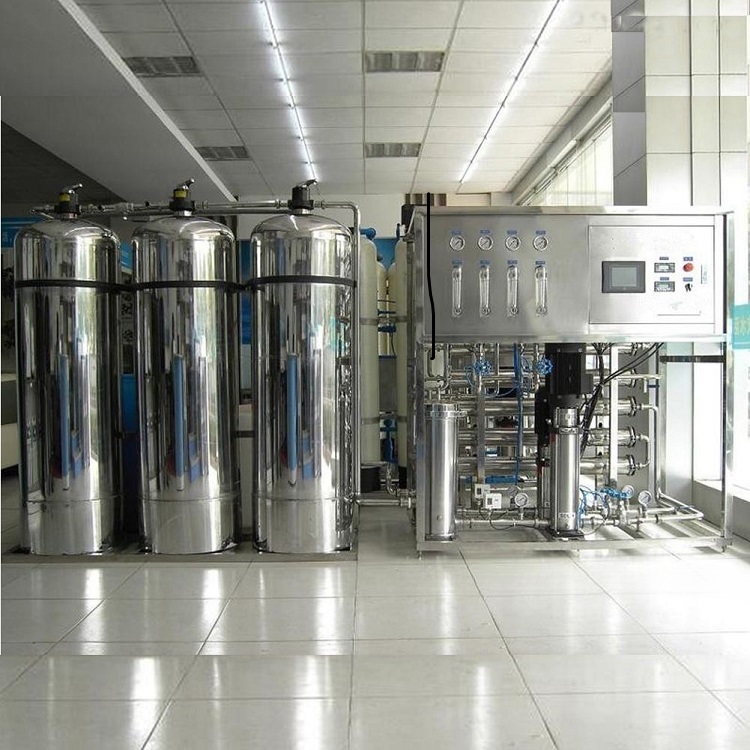
2. Quartz Sand Filter: Potable water enters from the top of the tank, uniformly flowing downward through the filter layer from the upper distributor. After passing through the filter layer, the water exits through the lower distributor, forming filtered water.
3. Activated Carbon Filter: The internal structure of the activated carbon filter is identical to that of a quartz sand filter. After activated carbon adsorption, the residual chlorine in tap water can typically be reduced to below 0.1 mg/L.
4. Precision Filter: Primarily utilizes 5μm meltblown filter cores to remove fine particles, further preparing the conditions for reverse osmosis feed water.
5. High-pressure pump: Provides the necessary power for reverse osmosis operation.
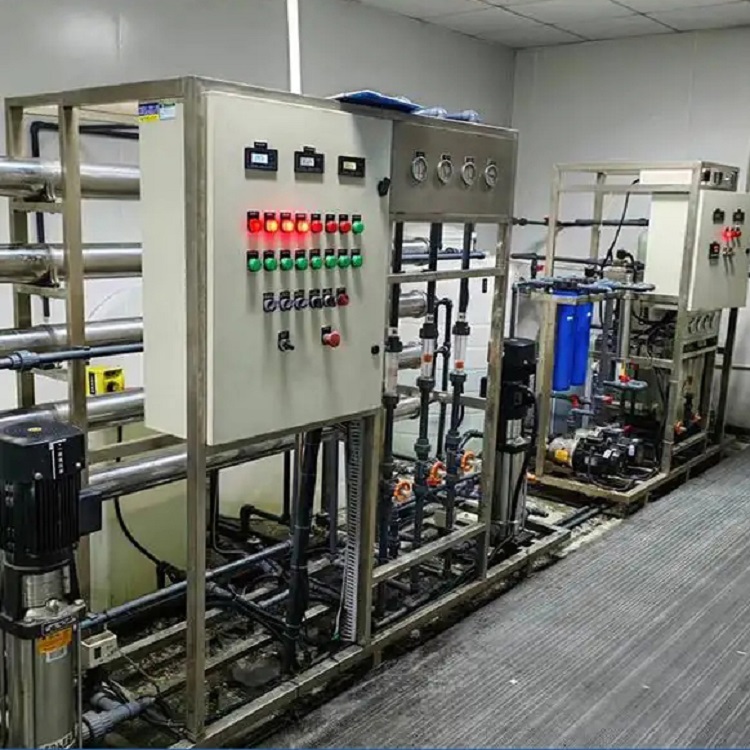
6. Reverse Osmosis System: The core component of reverse osmosis pure water equipment, the design of reverse osmosis primarily focuses on three key issues: the number, brand, and arrangement of membrane elements.
7. Pure Water Tank: Used for storing pure water.
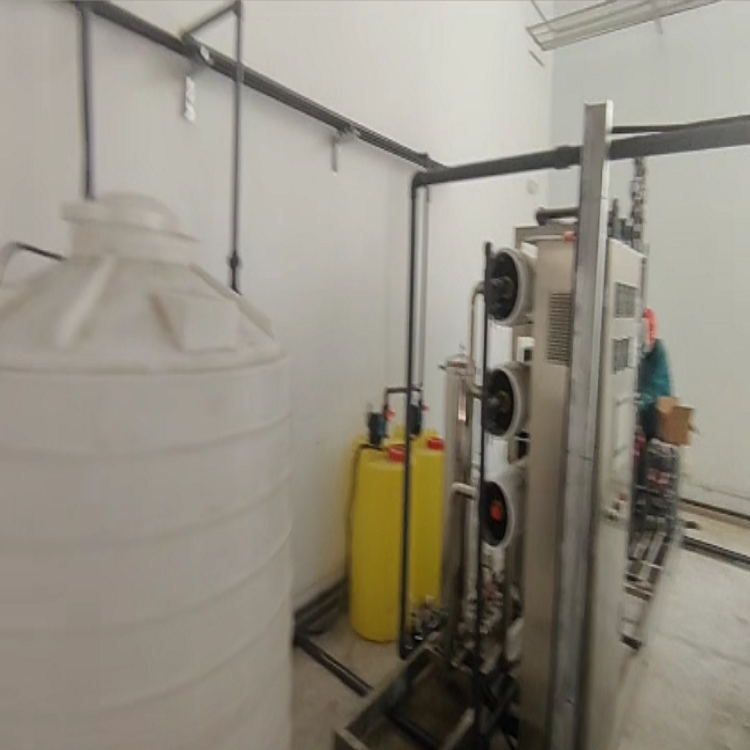
In RO reverse osmosis systems, the raw water is first processed through a pretreatment system, which includes a raw water pump, dosing unit, quartz sand filter, activated carbon filter, and precision filter, among others. This process reduces the pollution index and residual chlorine in the raw water, meeting the requirements for the RO membrane feed water. Next, the pretreated water enters the high-pressure pump, where it is pressurized to exceed the osmotic pressure of the membrane. This forces water molecules to pass through the RO membrane from the high-concentration solution side to the low-concentration solution side under the action of the pressure difference, resulting in pure water. The impurities retained by the membrane are then discharged with the concentrated water.
Pure Water Equipment System Engineering, Reverse Osmosis Pure Water Equipment, Fully Automatic Control System, Low Energy Consumption
Key Points for RO Pure Water Equipment Use:
1. Pretreatment: Prior to using the reverse osmosis pure water equipment, pretreatment is typically required, which includes coagulation, filtration, and softening. Pretreatment helps remove suspended particles, organics, and hardness from the water, reducing contamination of the reverse osmosis membrane and extending the equipment's lifespan.
2. Operation Parameters Control: When using reverse osmosis pure water systems, it's necessary to control the operation parameters properly, such as feedwater flow rate, feedwater pressure, and membrane element cleaning cycles. Proper operation parameters ensure the system runs smoothly and achieves efficient purification results.
3. Regular Maintenance: Regular maintenance is crucial for the proper operation of reverse osmosis pure water systems. Common maintenance tasks include cleaning the reverse osmosis membranes, replacing membrane elements, and preventing membrane contamination. Additionally, it's necessary to regularly inspect the equipment's operational status and performance, and address any issues promptly.
4. Safe Operation: When operating the reverse osmosis pure water equipment, safety precautions must be taken. Avoid contact with high-pressure water jets and chemicals, ensuring the equipment operates properly and the operator's safety is maintained.