












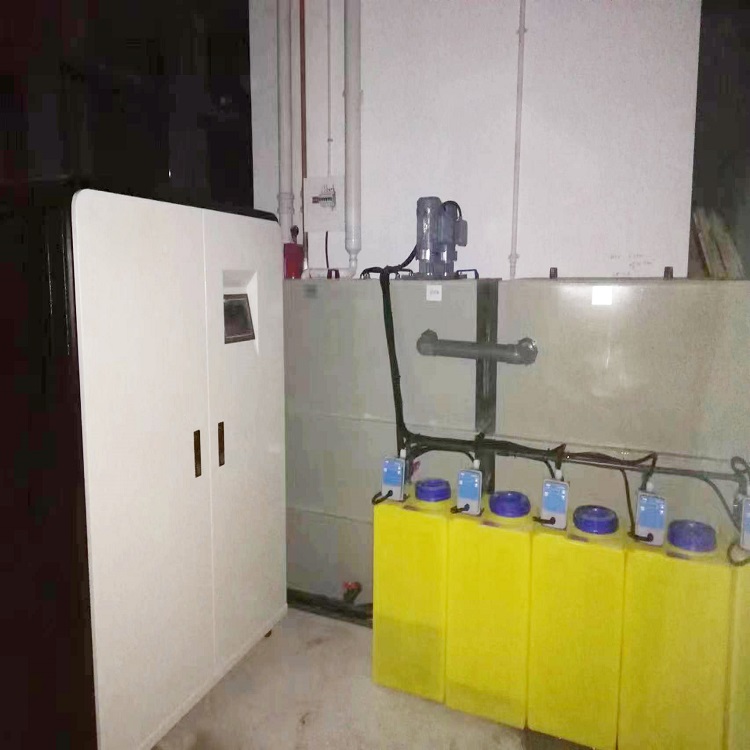
Reverse Osmosis Purification Water Equipment - Large Pure Water System - Manufacturer - Quankun
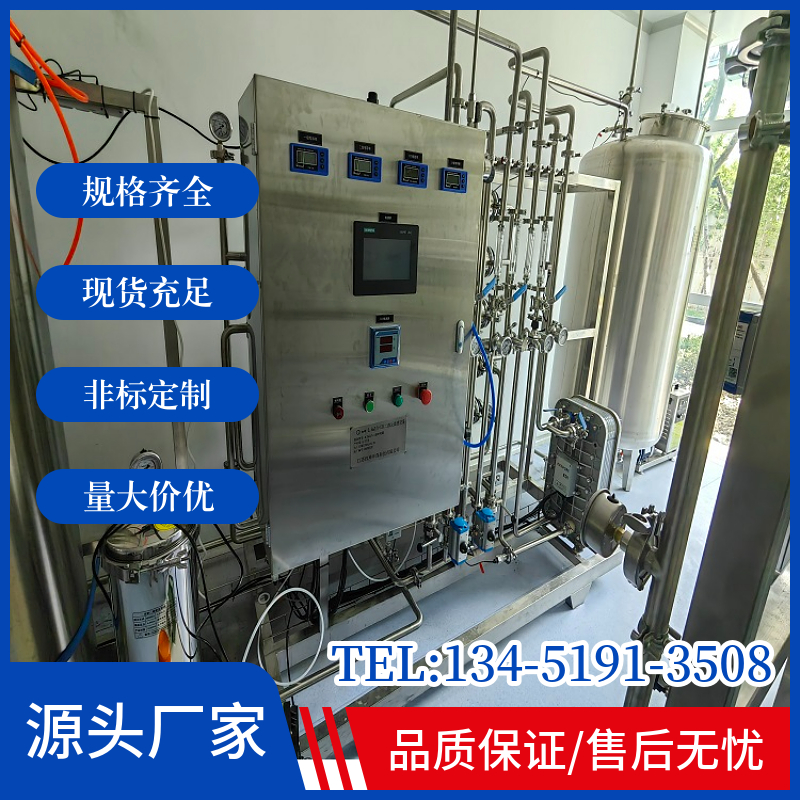
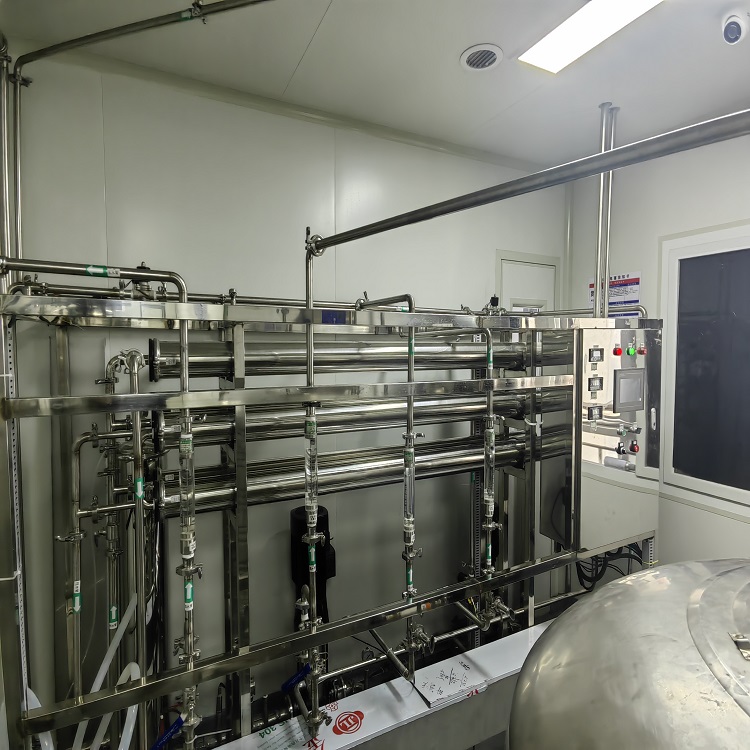
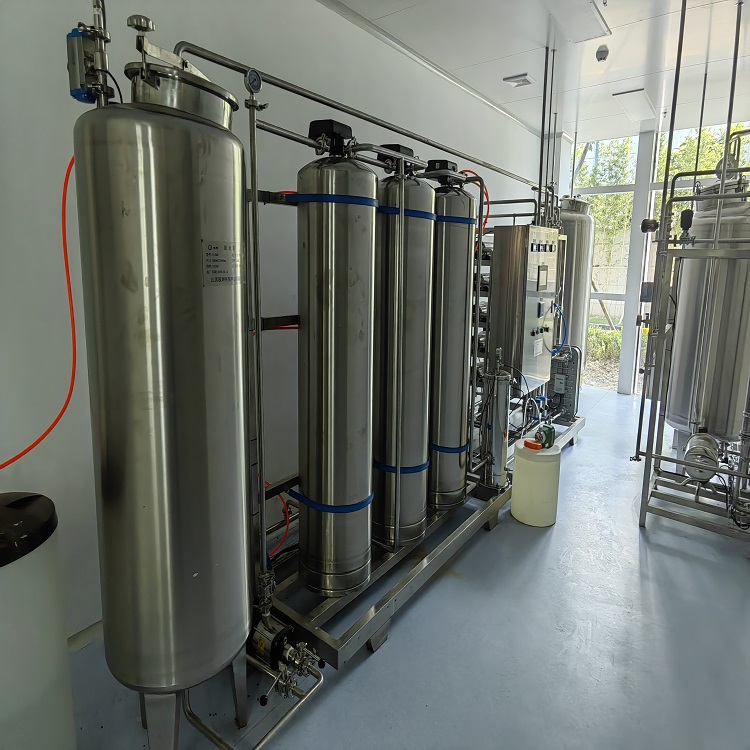
The pretreatment system for pure water equipment is a process step in the pure water preparation process. Its primary task is to remove large particle impurities, organics, microorganisms, and other substances that may negatively impact subsequent treatment stages. This system typically includes components such as multimedia filters, activated carbon filters, with each component serving a distinct function.
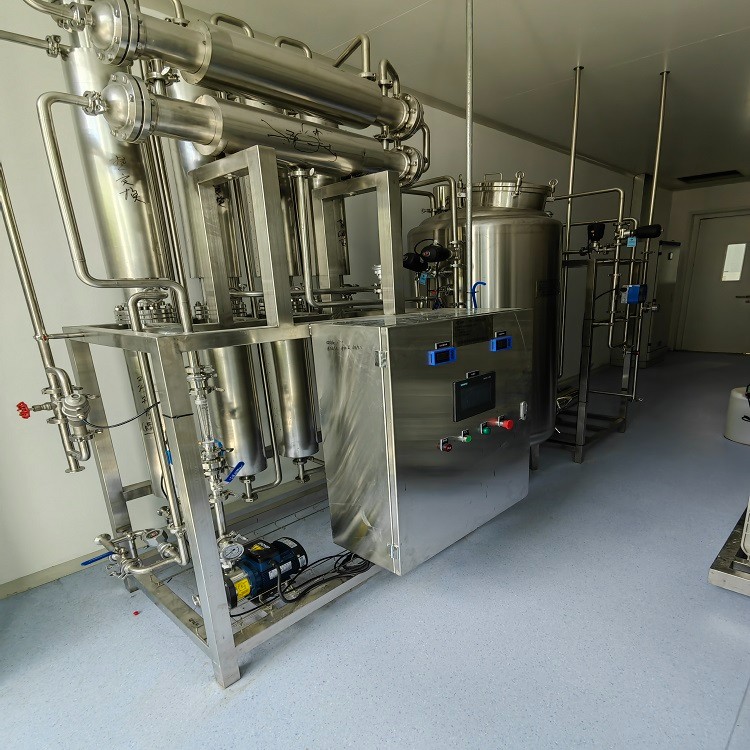
Multi-media filters, as a pre-treatment stage, effectively remove larger particles such as silt and suspended matter from water. They are typically filled with different-sized filtering media, such as quartz sand and anthracite coal, and undergo layered filtration to initially clean the water quality.
Activated carbon filters are used to remove organic matter, residual chlorine, odors, and some microorganisms from water. Activated carbon boasts strong adsorption capabilities, effectively reducing the organic load in water, laying a solid foundation for subsequent精密 filtration and reverse osmosis treatment.
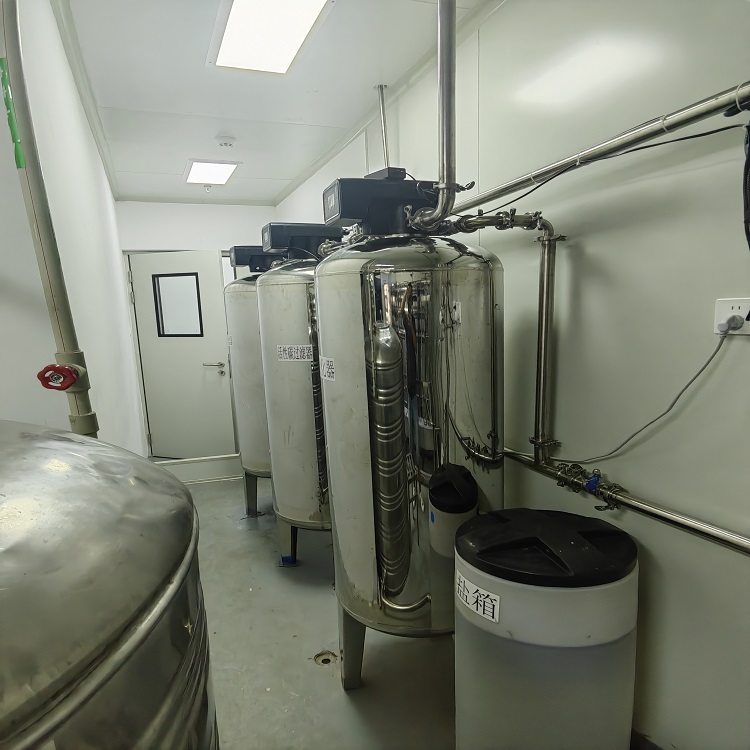
Operating Principle:
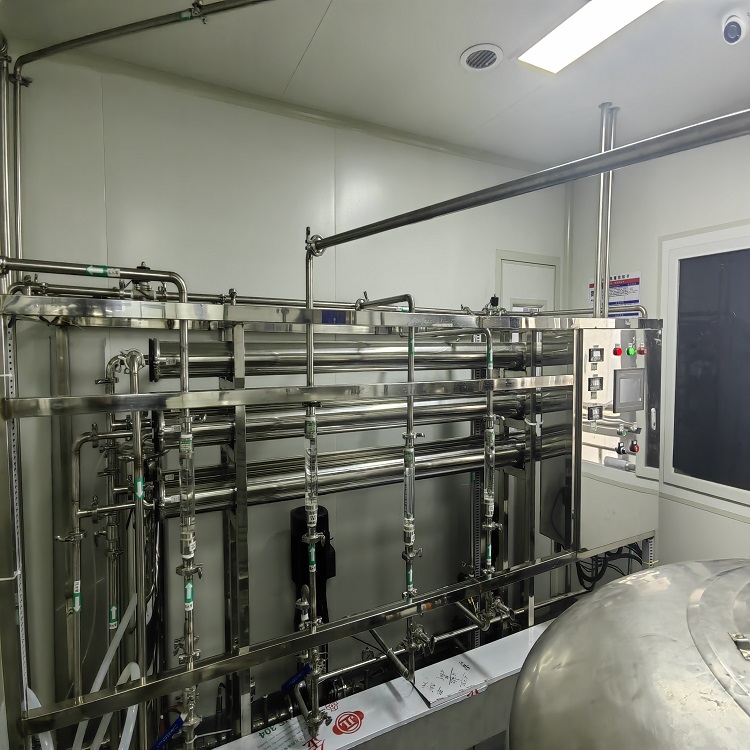
The working principle of RO reverse osmosis pure water equipment primarily relies on the selective permeability of semi-permeable membranes. Its core component—the RO reverse osmosis membrane—is a precise filtration membrane with a pore size typically around 1 nanometer (0.001 micrometers), allowing only water molecules to pass through while effectively blocking dissolved inorganic salts, heavy metal ions, organic matter, colloids, bacteria, viruses, and other impurities.
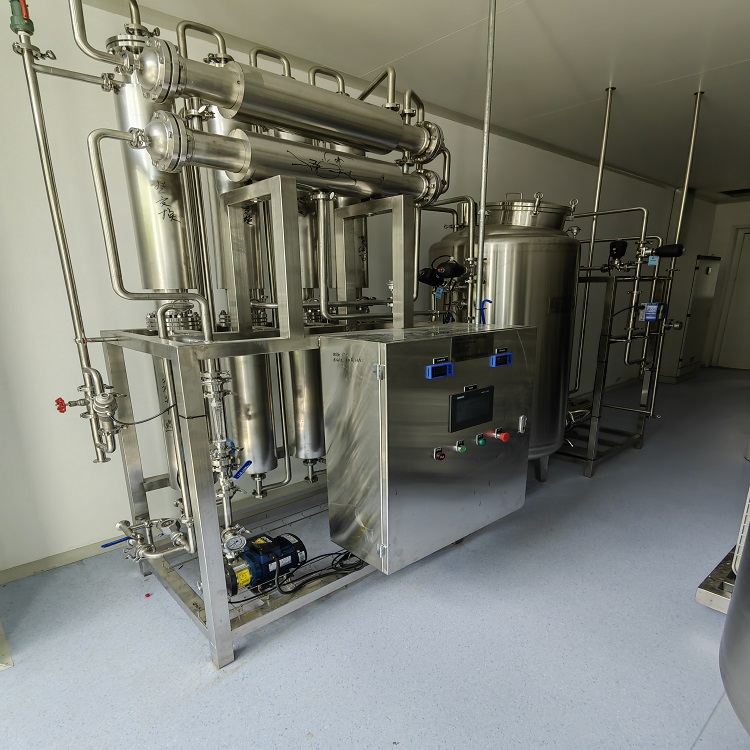
Operating Principle:
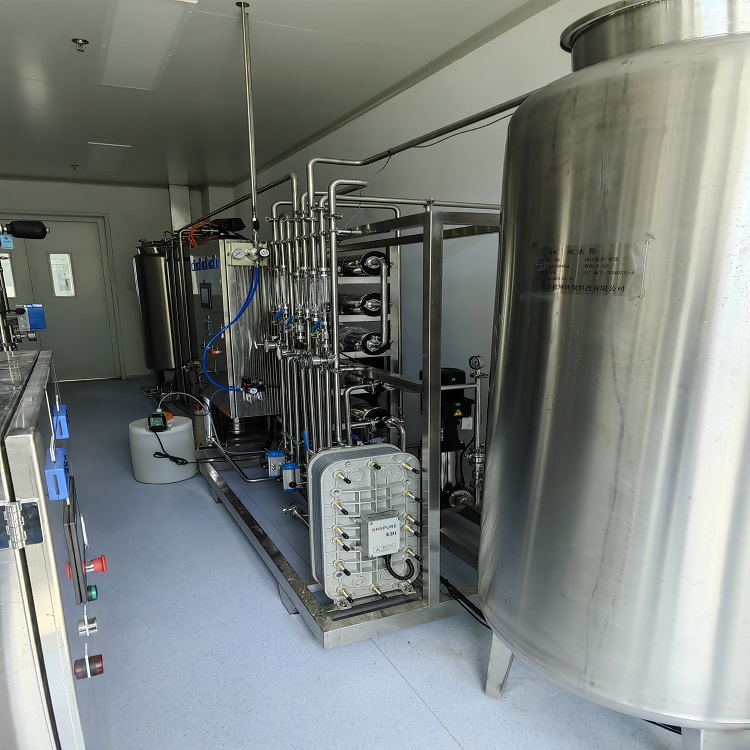
Raw water supply enters the EDI system, with the main part flowing into the resin/膜 interior, while the other part flows along the exterior side of the membrane plate to wash away ions that permeate through the membrane.
Retain dissolved ions in resin-separated water.
Ions retained are drawn to the anode, with anions moving towards the positive electrode and cations towards the negative electrode under the action of the electrodes.
Cations pass through the cationic membrane,排出树脂/膜之外。
Anion ions pass through the anion exchange membrane, being排出 from the resin/membrane.
Concentrated ions are discharged from the wastewater stream.
Deionized water flows out from the resin/ membrane.
Application Scope:
1. Power Plant Chemical Water Treatment
2. Ultra-pure water for electronics, semiconductor, and precision machinery industries
3. Food, beverage, and drinking water preparation
4. Small Pure Water Station, Group Drinking Pure Water
5. Fine Chemicals, High-Tech Discipline Water
6. High-purity Water Production for Various Industries
7. Industrial Process Water for Zhiyao
8. Desalination of seawater and brackish water.
Reverse Osmosis Purification Water Equipment - Large Pure Water System - Manufacturer - Quankun
Design Principles:
⑴ Compliant with national laws, regulations, and standards. Adheres to national environmental protection policies.
⑵ Utilize advanced, mature, and reliable processes and technologies to ensure the effluent meets treatment standards.
Combine the industry's water characteristics to select the treatment process, equipment, and design parameters, ensuring the entire system operates stably.
⑷ Utilizes pre-treatment filtration and reverse osmosis, with mature technology, strong adaptability, simple management, and stable performance, ensuring the product water quality meets the anticipated design requirements.
The entire system equipment is selected for its use of new materials, low energy consumption, high efficiency, ease of maintenance, and competitive performance-to-price ratio.
⑥ Control and management should strive to incorporate as much self-control as possible according to the process requirements of the handling process, reduce the labor intensity of operation and maintenance, ensuring reliable operation and convenient maintenance, and improve the overall management level of operation.
Maximize existing conditions and tailor the approach to save land and reduce engineering investment as appropriate.
⑻ During layout and engineering design, integrate with the existing site to strive for a compact, simple, neat, and aesthetically pleasing arrangement.