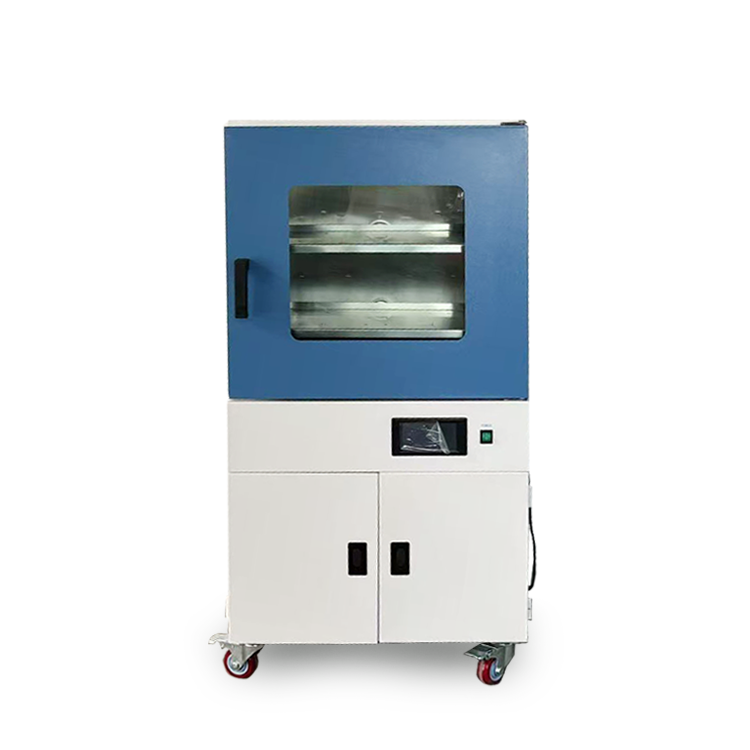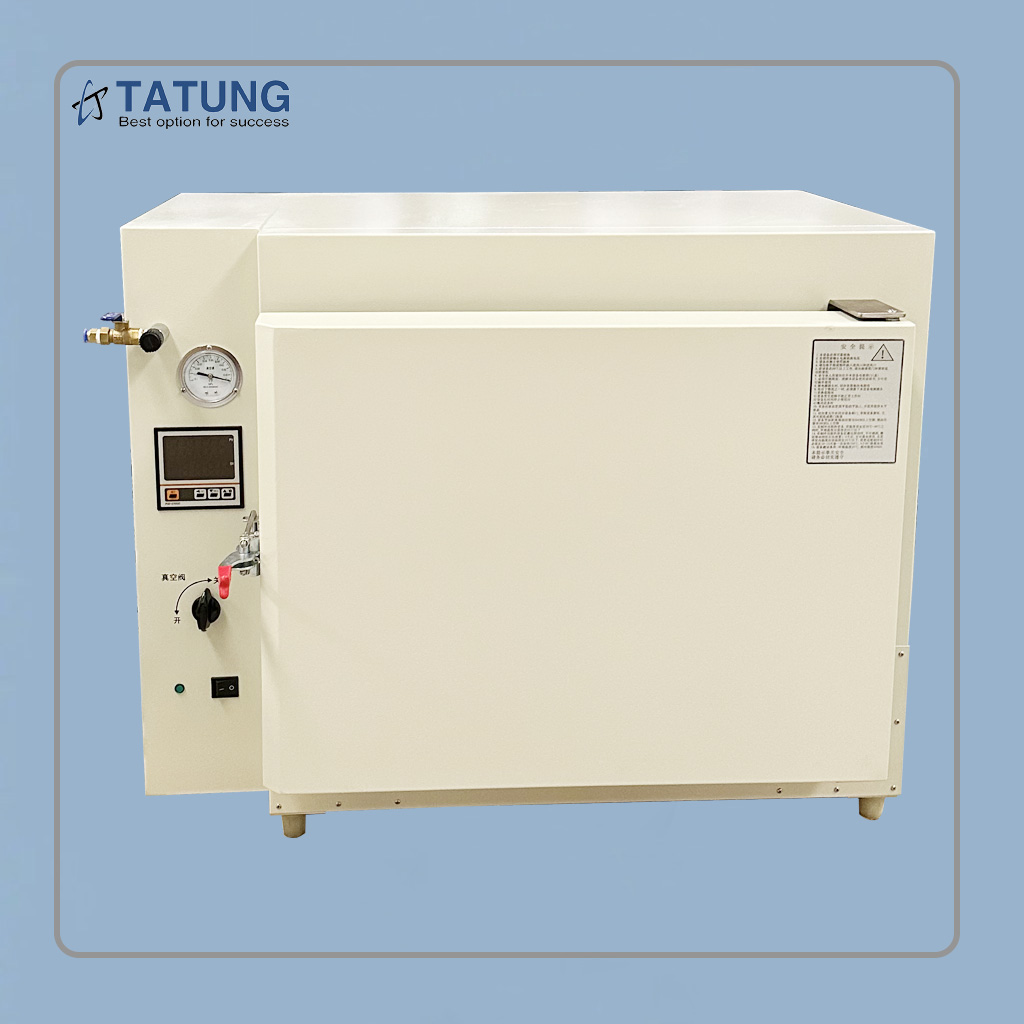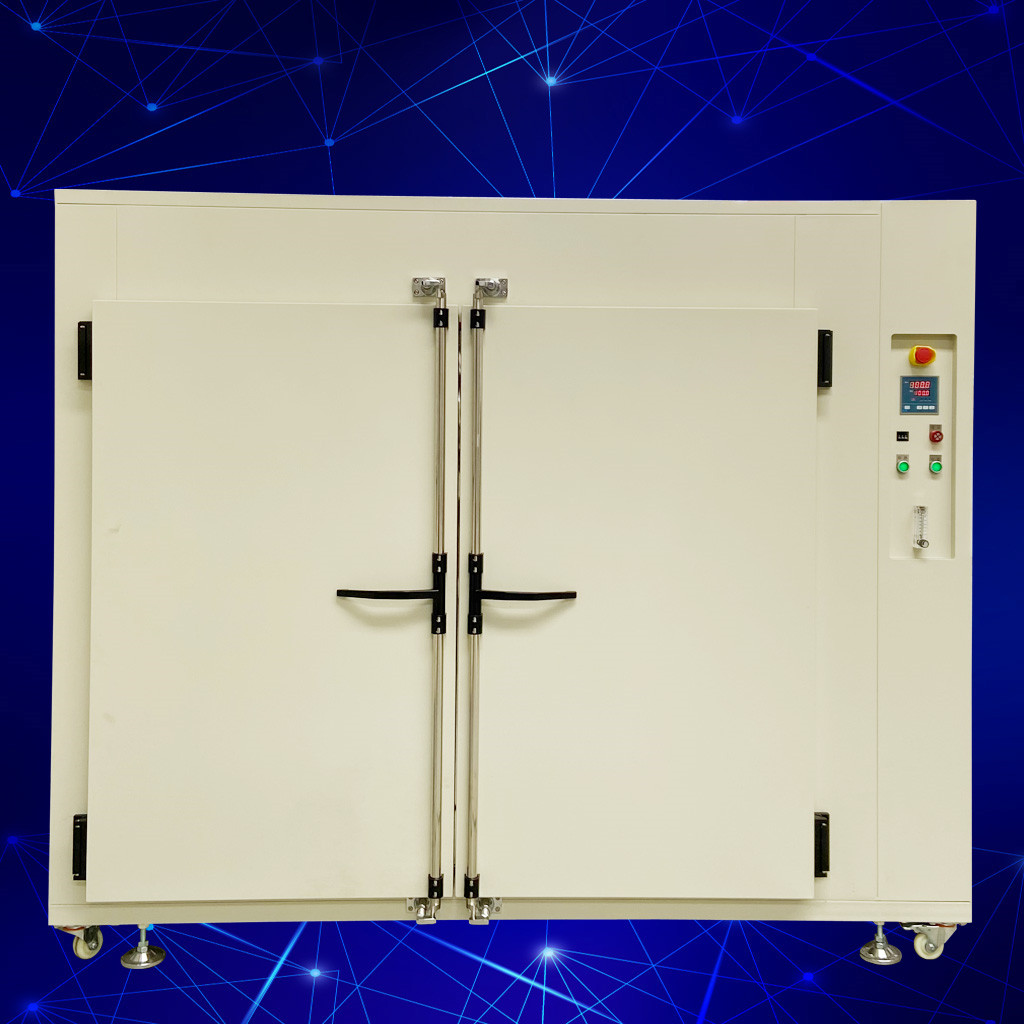


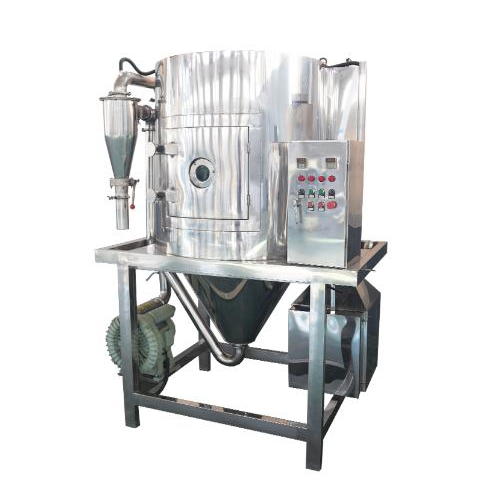
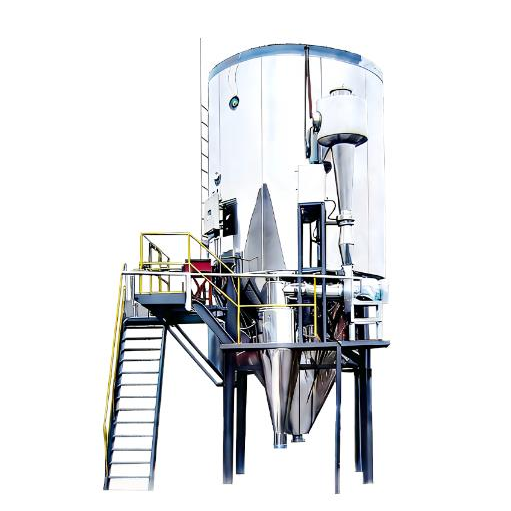
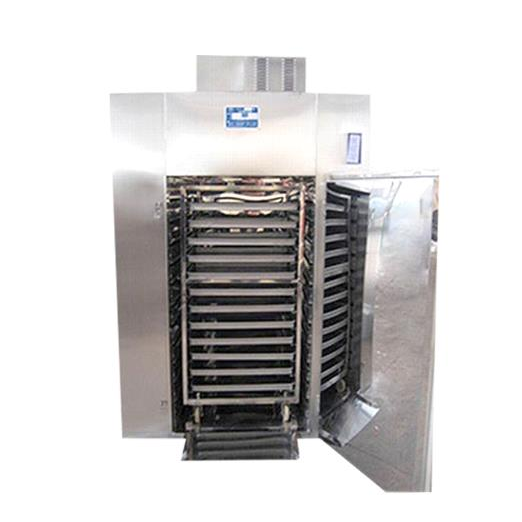
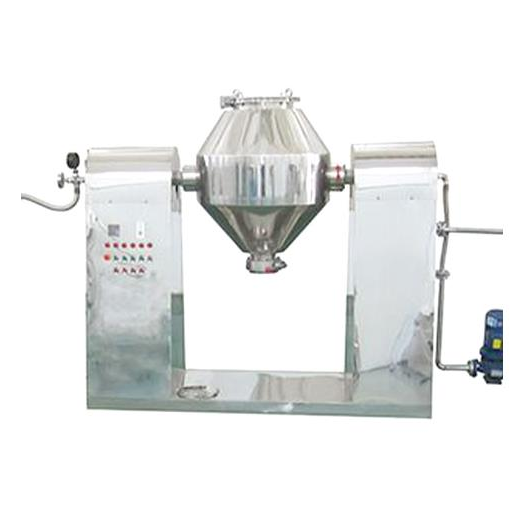
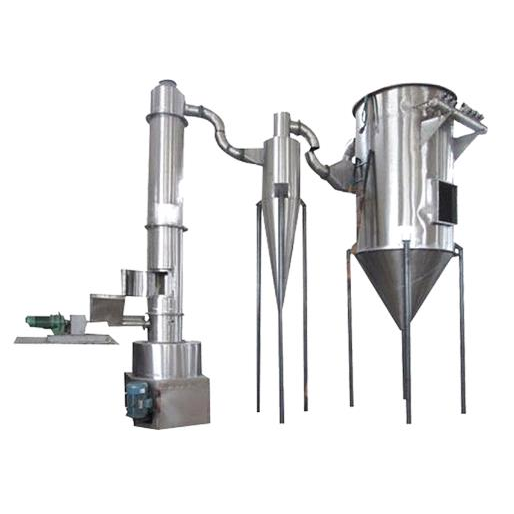





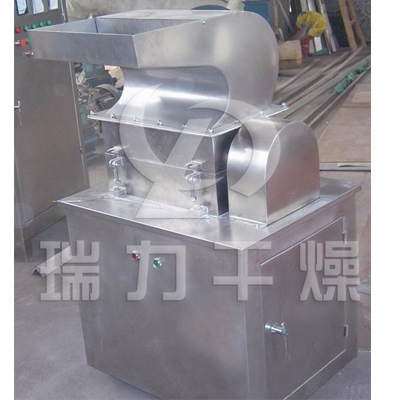
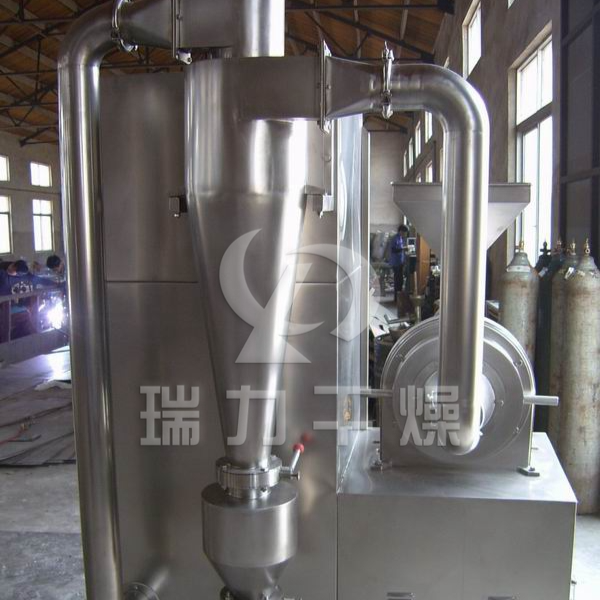
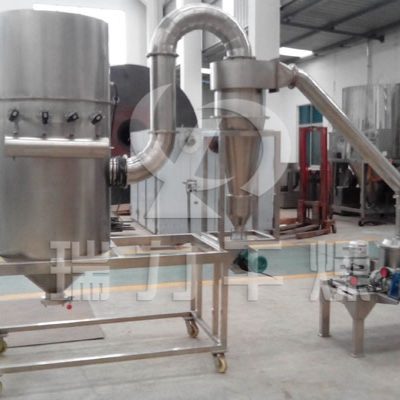
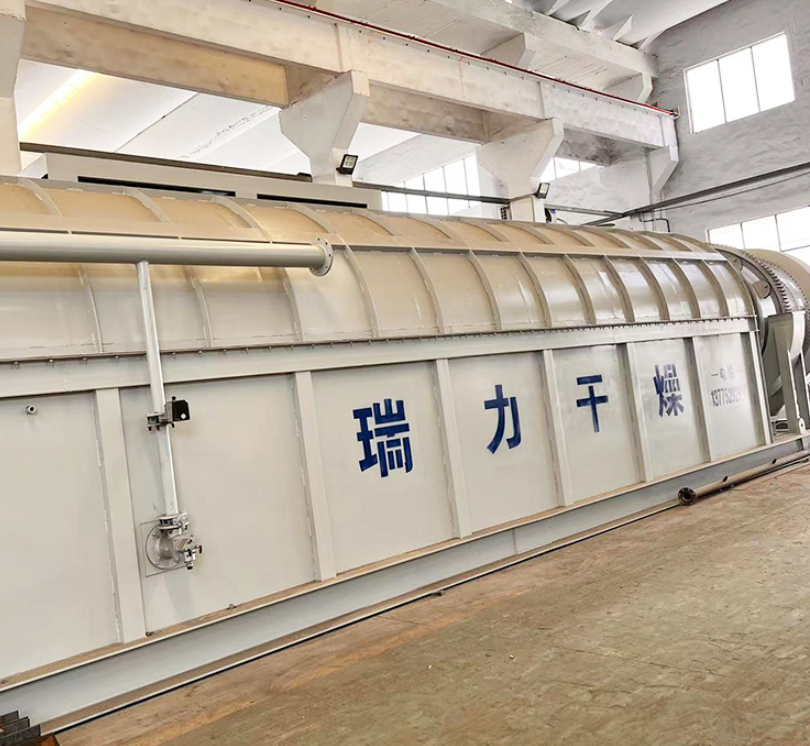
After wet material is introduced into the dryer from one end, it is evenly distributed and dispersed within the drum by the scraper blades, and comes into full contact with the hot air flow (either concurrent or countercurrent), accelerating the drying mass transfer and driving force. During the drying process, the material, under the action of inclined scraper blades and hot air flow, can be controlled to move to the other end of the dryer and discharged through the star-shaped discharge valve as finished product.
Application:
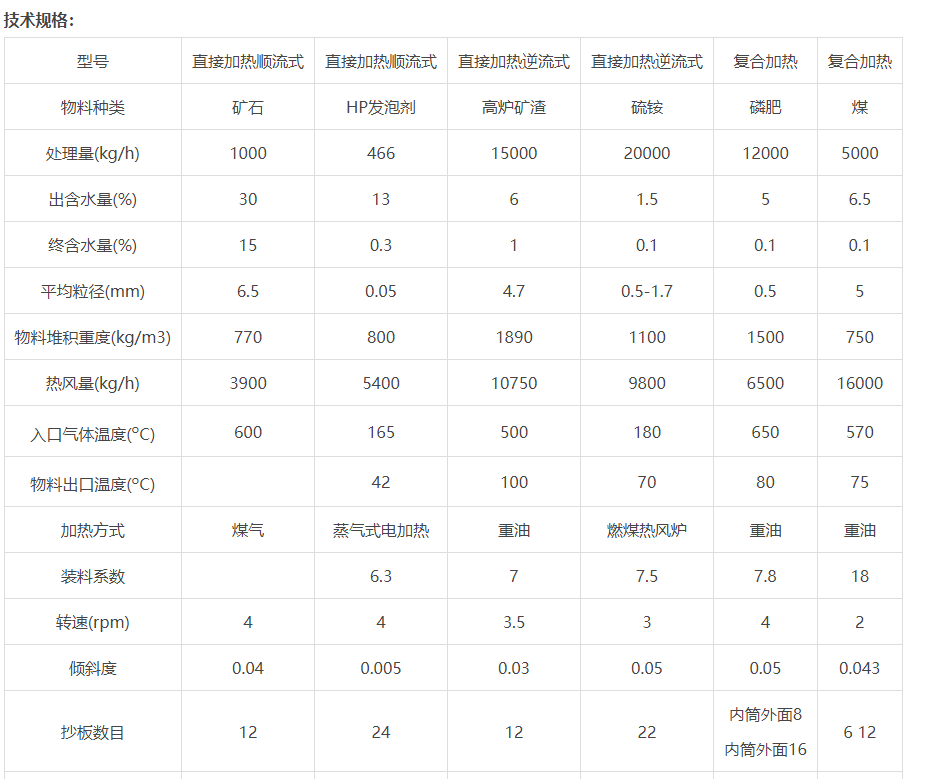
1. Large-grained materials for industries such as chemicals, mining, and metallurgy, including heavy bulk materials for drying, such as ore, blast furnace slag, coal, metal powders, phosphate fertilizer, and ammonium sulfate.
2. Drying of powdery or granular materials with special requirements, such as: HP foaming agent, lees residue, lightweight calcium carbonate, activated clay, magnetic powder, graphite, and drug residue.
3. Required material must be dried at low temperature and in large, continuous batches.
Features:
The drum dryer features high degree of mechanization and large production capacity.
2. Fluid flow through the cylinder incurs low resistance and minimal functional consumption.
3. Strong adaptability to material characteristics.
4. Stable operation, low operational costs, and excellent uniformity in product drying.