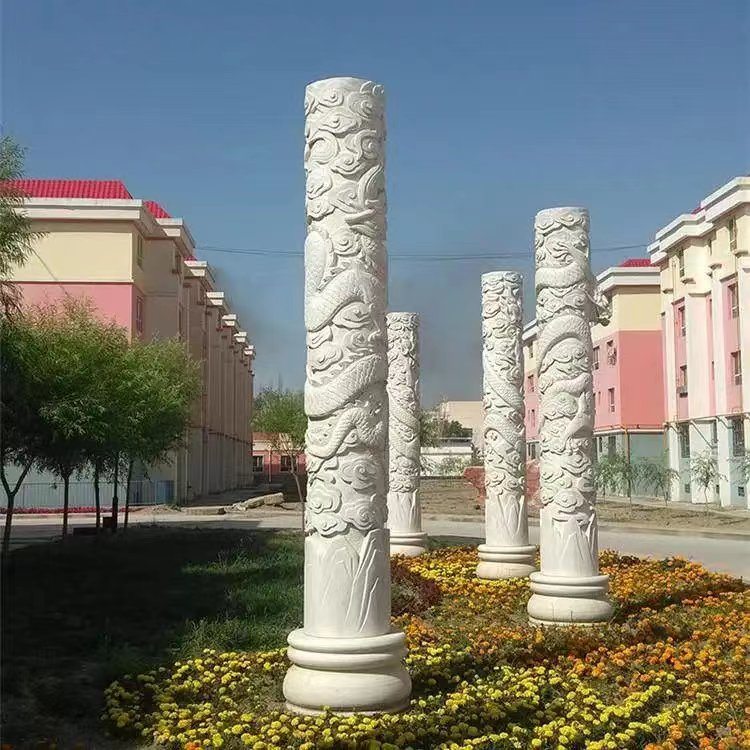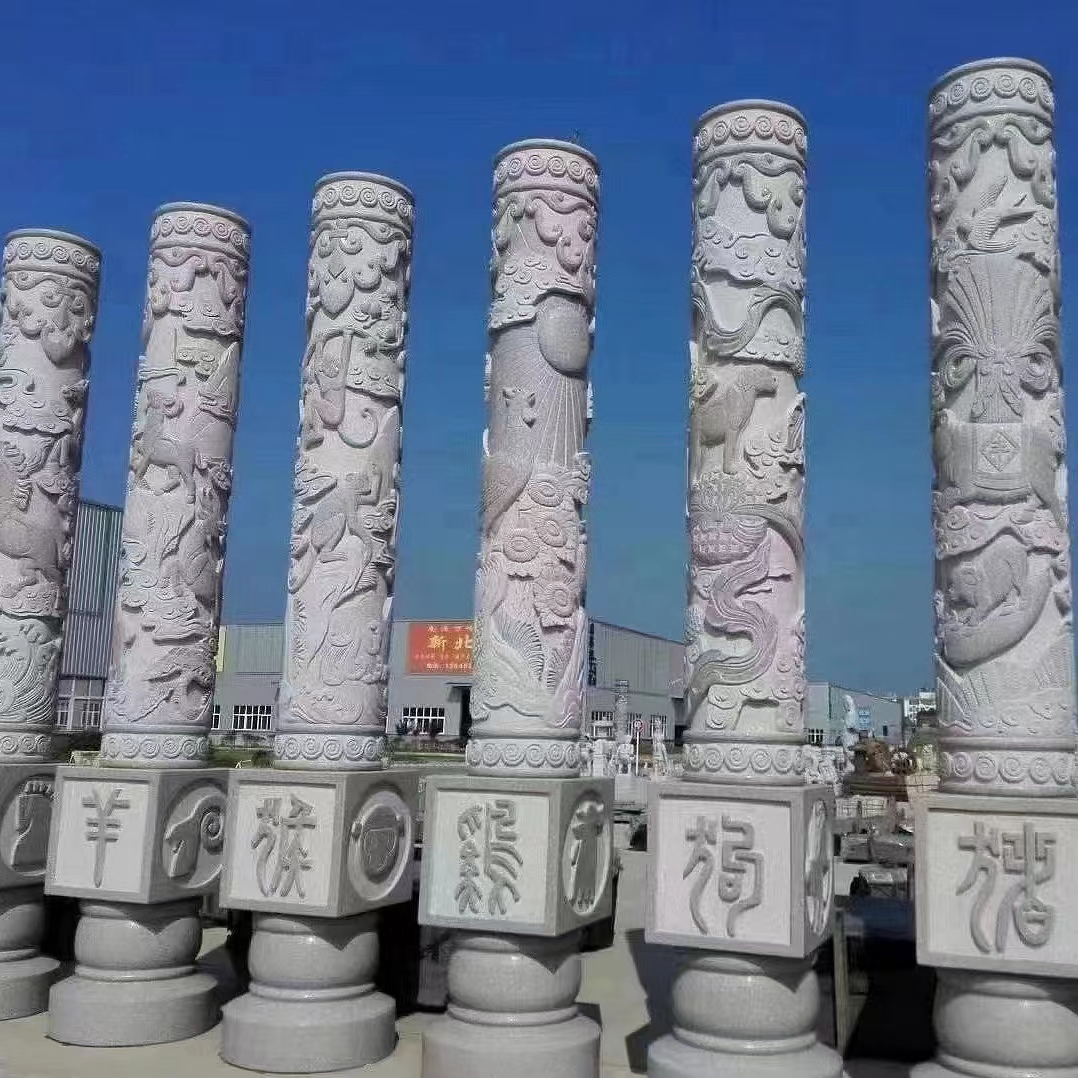















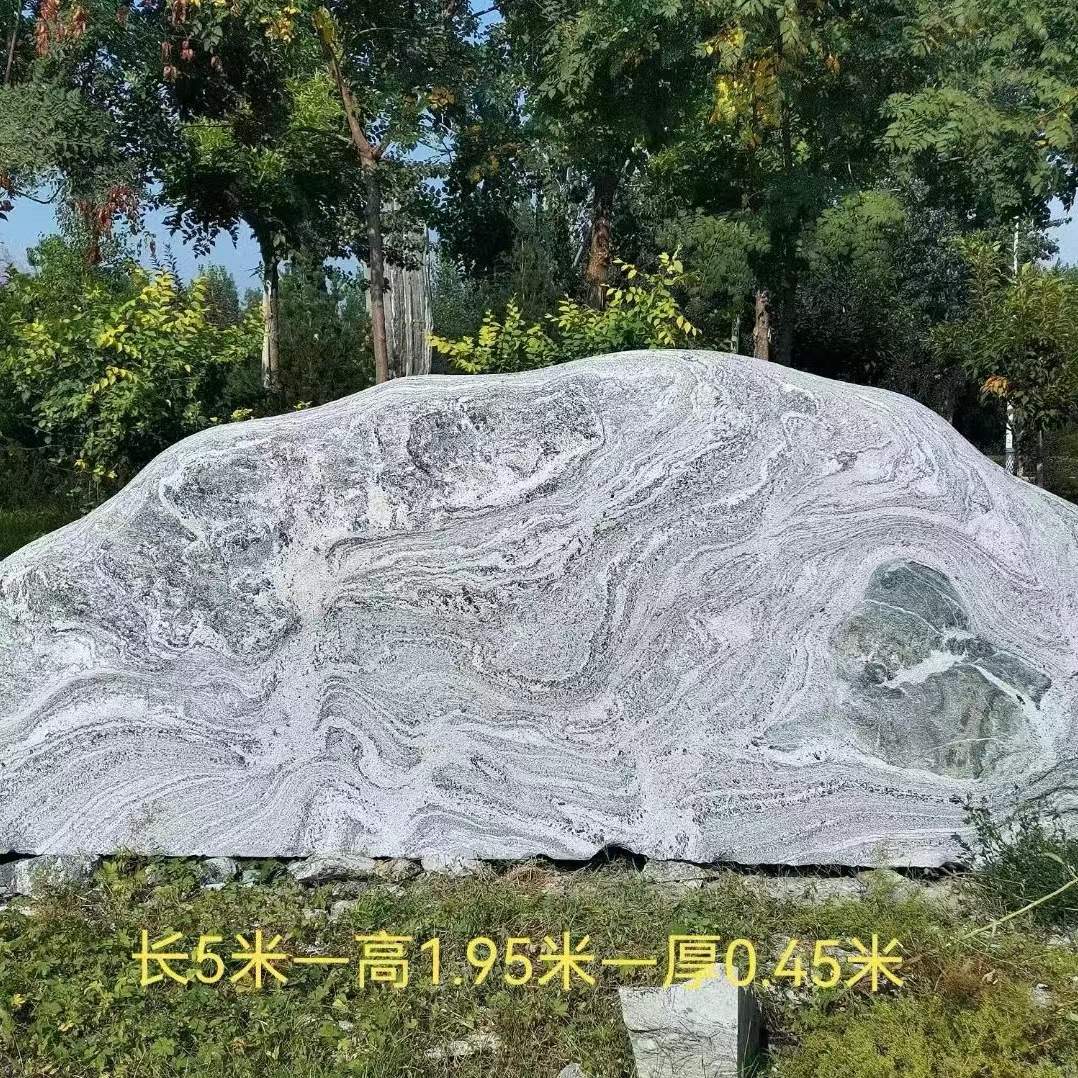
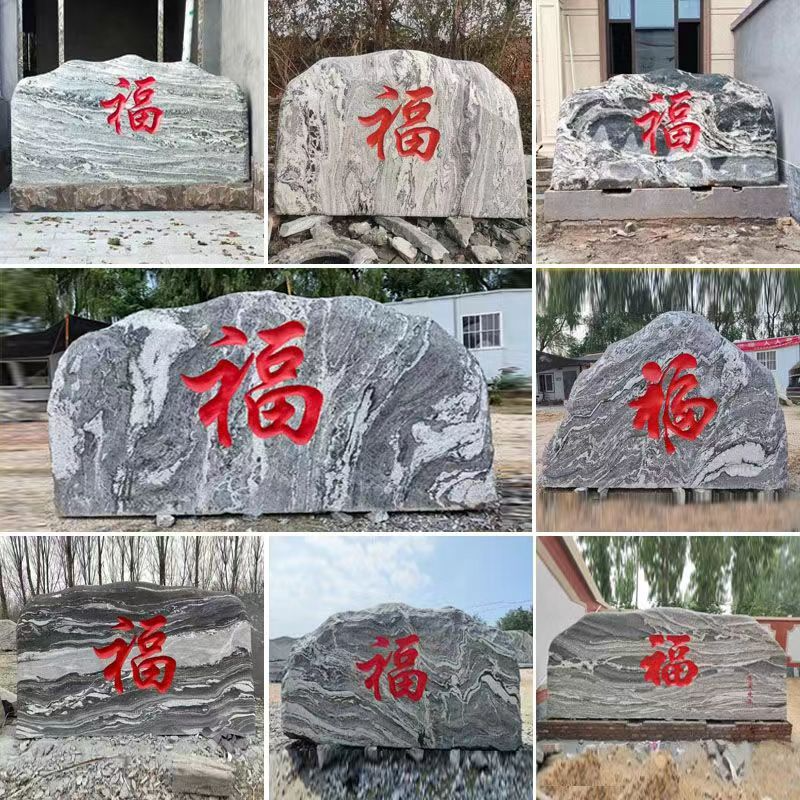
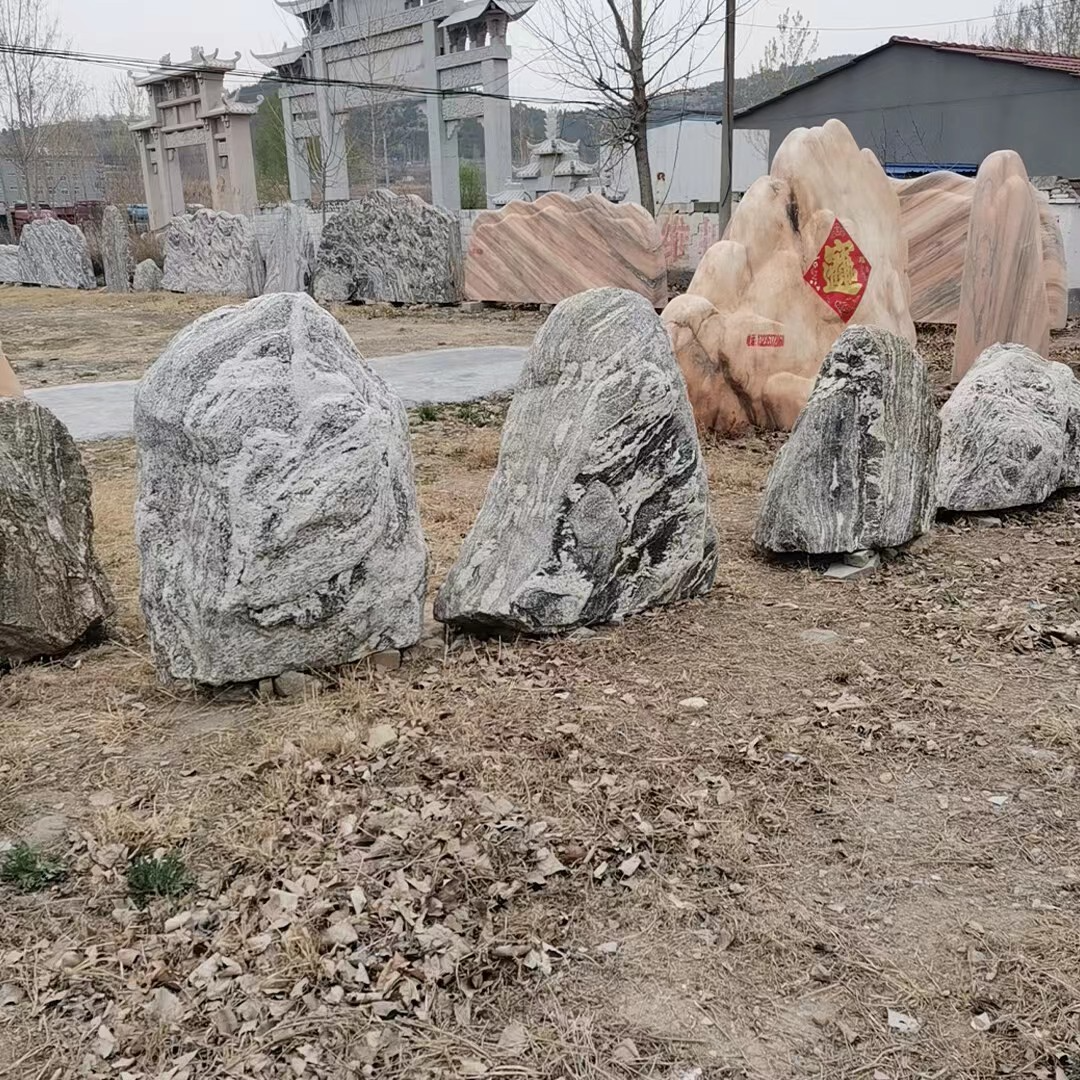

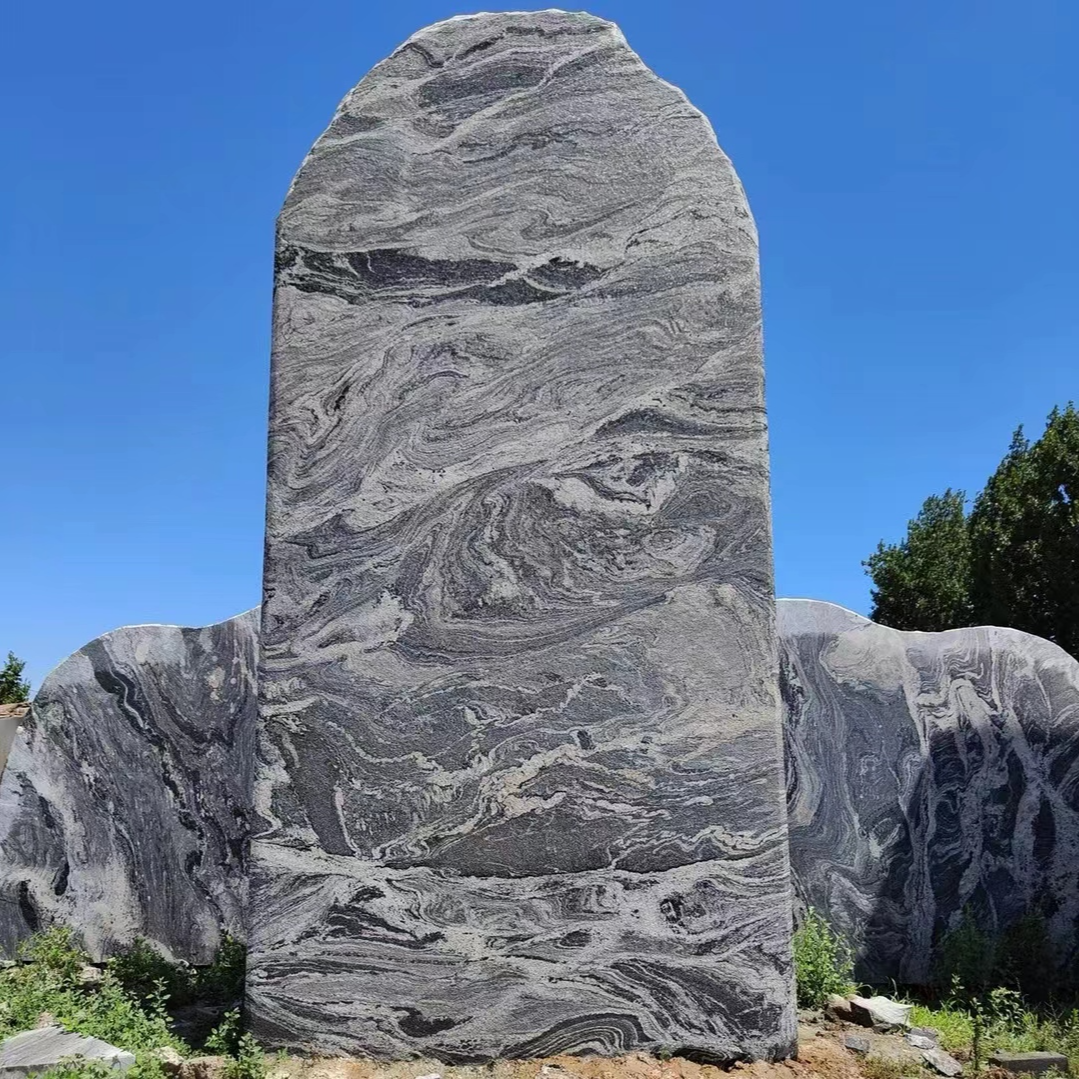
Stone wall carvings are a traditional form of sculpture that combines artistic creation with cultural heritage, carrying historical stories, folk customs, and humanistic thoughts. Often carved in bas-relief, open-relief, and line-relief techniques, they depict landscapes, figures, flowers, birds, auspicious patterns, or historical anecdotes, skillfully blending the aesthetic beauty of painting with the texture of stone, offering both visual appeal and cultural impact. The choice of material is predominantly high-quality stone such as green stone, granite, and marble. Green stone is fine-grained, suitable for delicate carving, granite is hard and resistant to outdoor erosion, and marble has a warm color that highlights the details of the carving. The production process involves conceptualizing the theme, selecting the stone type, sketching the outline, fine carving, and surface polishing. Craftsmen adjust the techniques based on the stone characteristics and creative themes to ensure the patterns are vivid and three-dimensional with clear and natural textures. Their applications are vast, from decorating ancient building walls, restoring the historical appearance of temples and ancestral halls, to creating garden landscapes, adding elegance to verandas and walls. They can also be used in cultural venues to showcase regional culture and traditional art, or to adorn courtyard walls, enhancing the cultural ambiance of the space. With the advantages of high-quality stone and exquisite carving techniques, stone wall carvings are resistant to weathering, durable, and have a long service life. They can serve as static art exhibits conveying cultural connotations or as functional decorations that integrate into various spaces, making them a classic carrier where traditional sculpture art meets modern spatial needs.