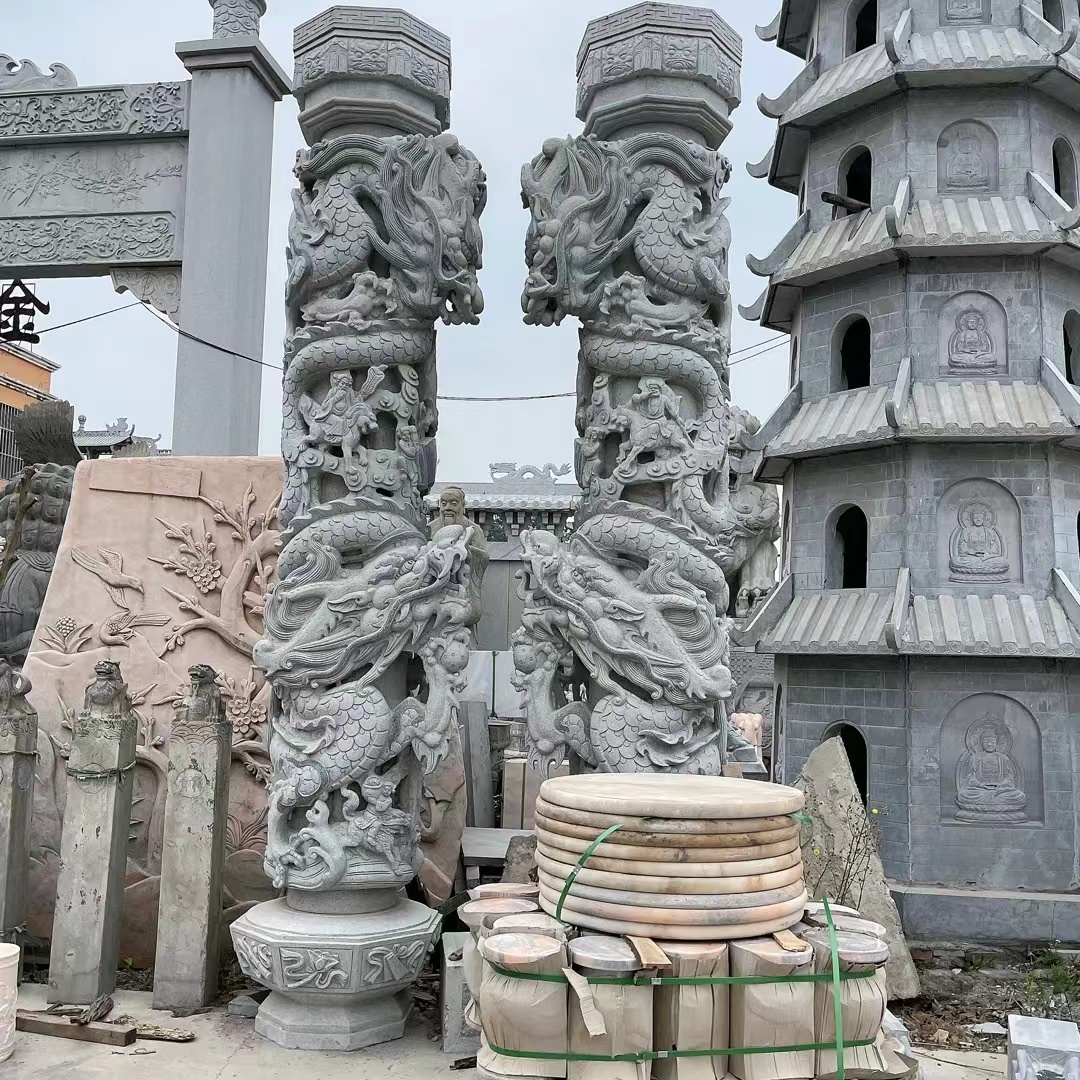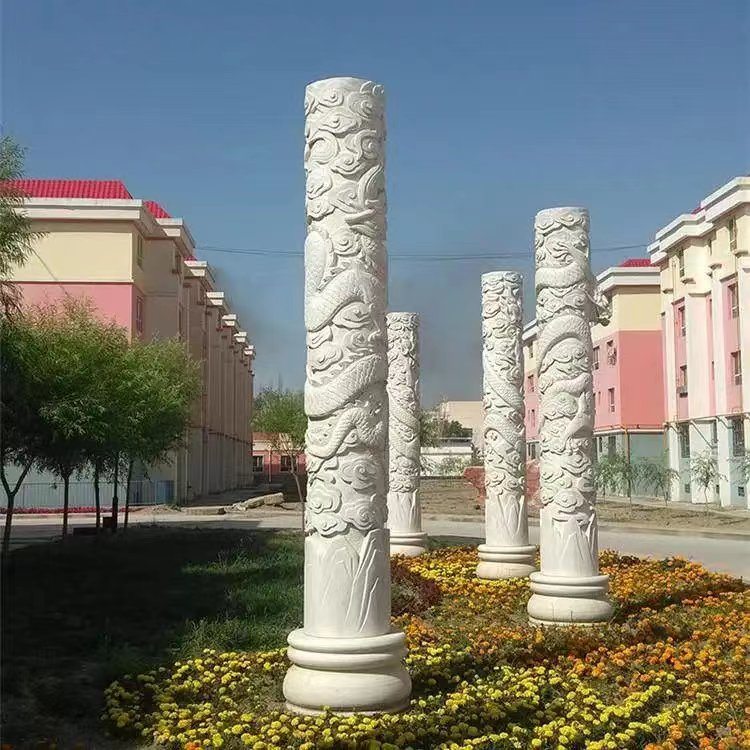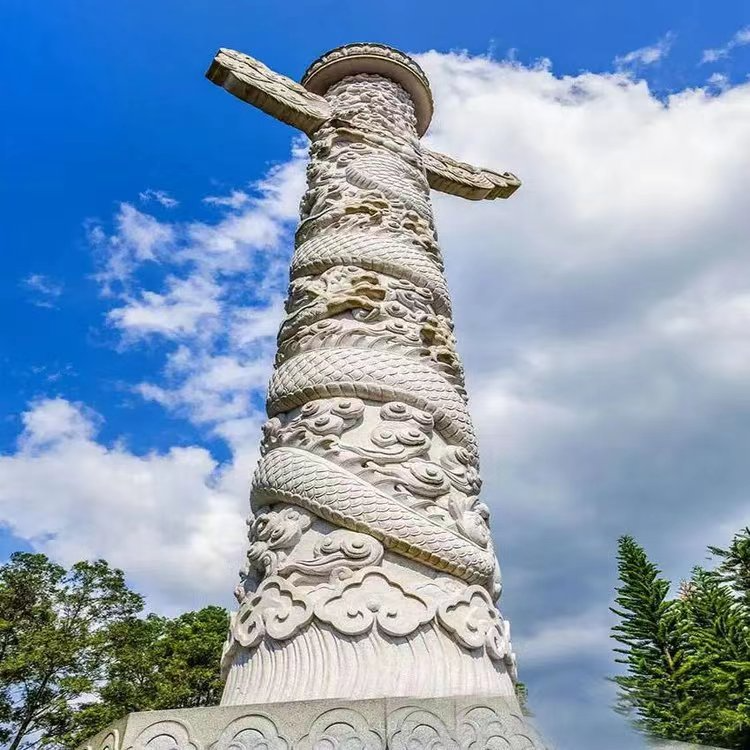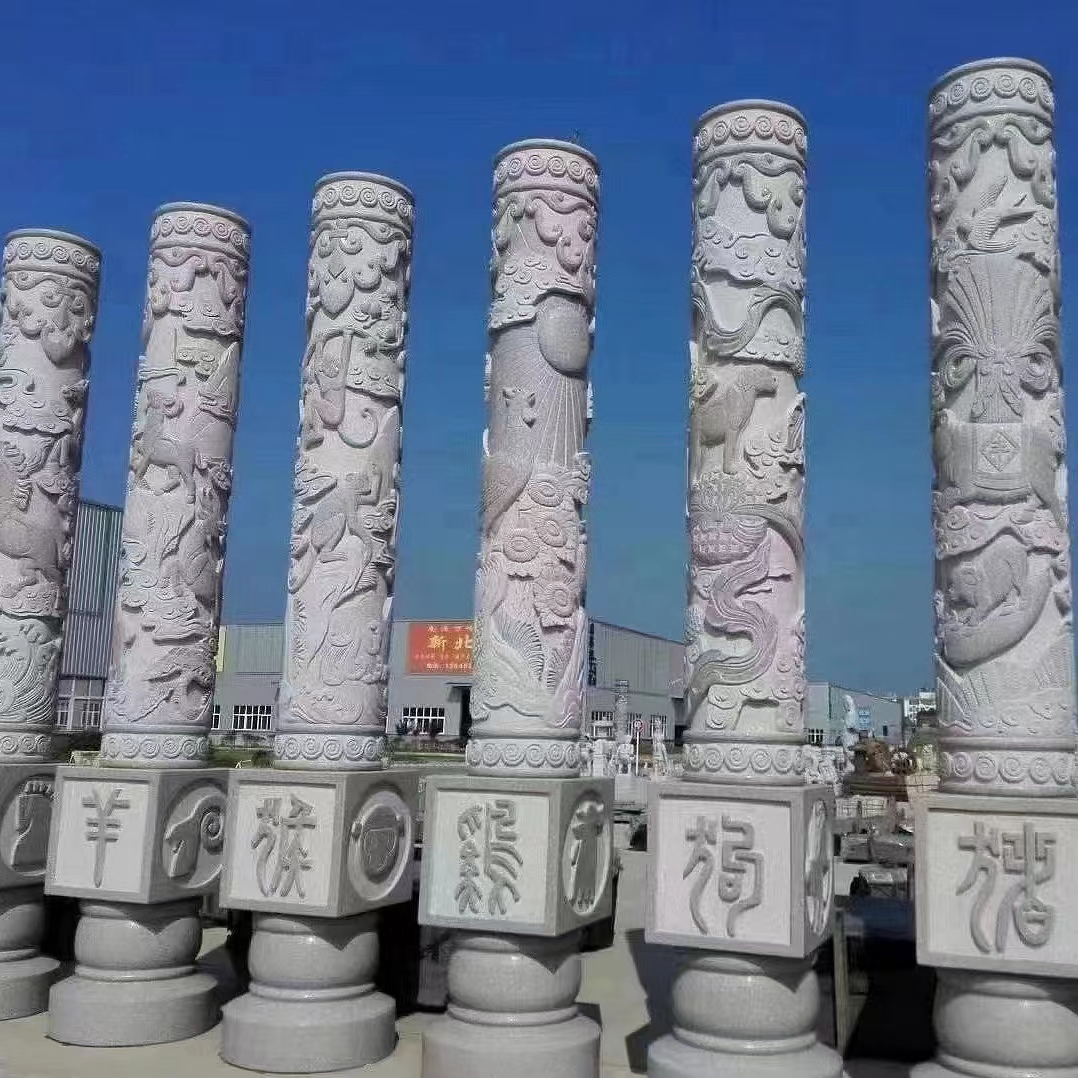


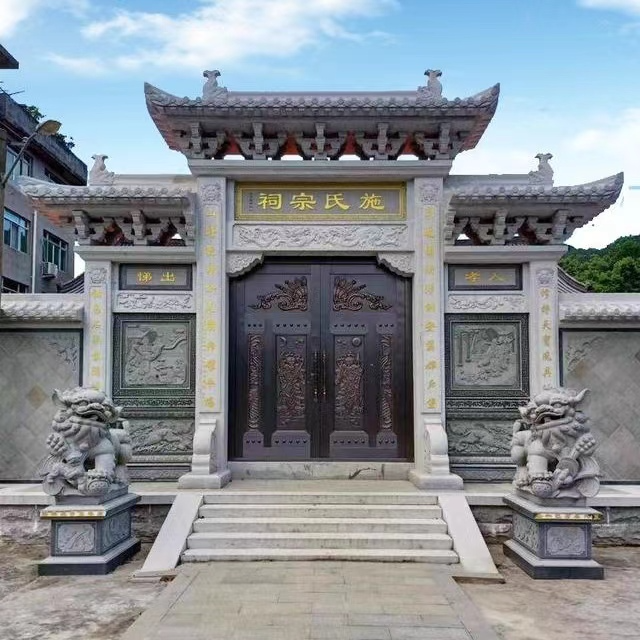
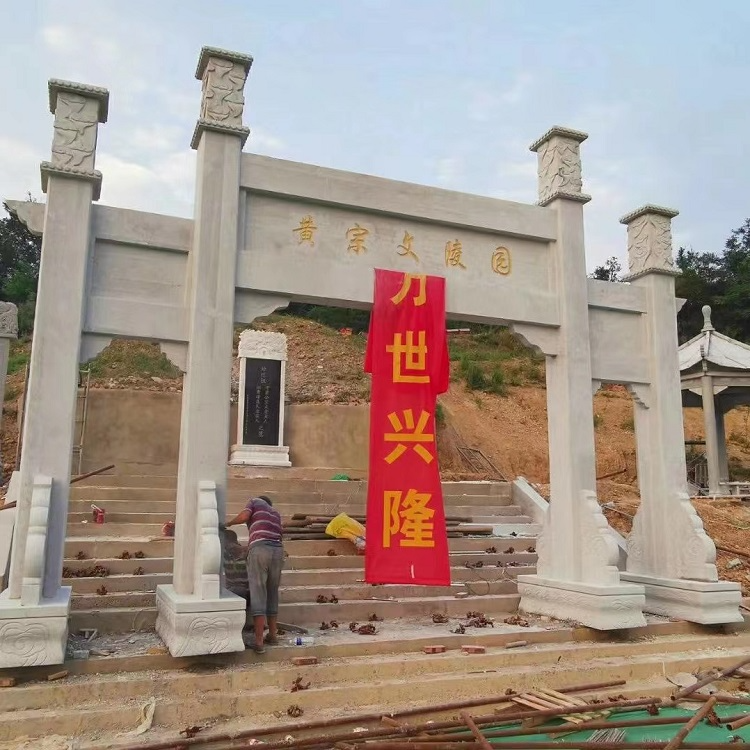










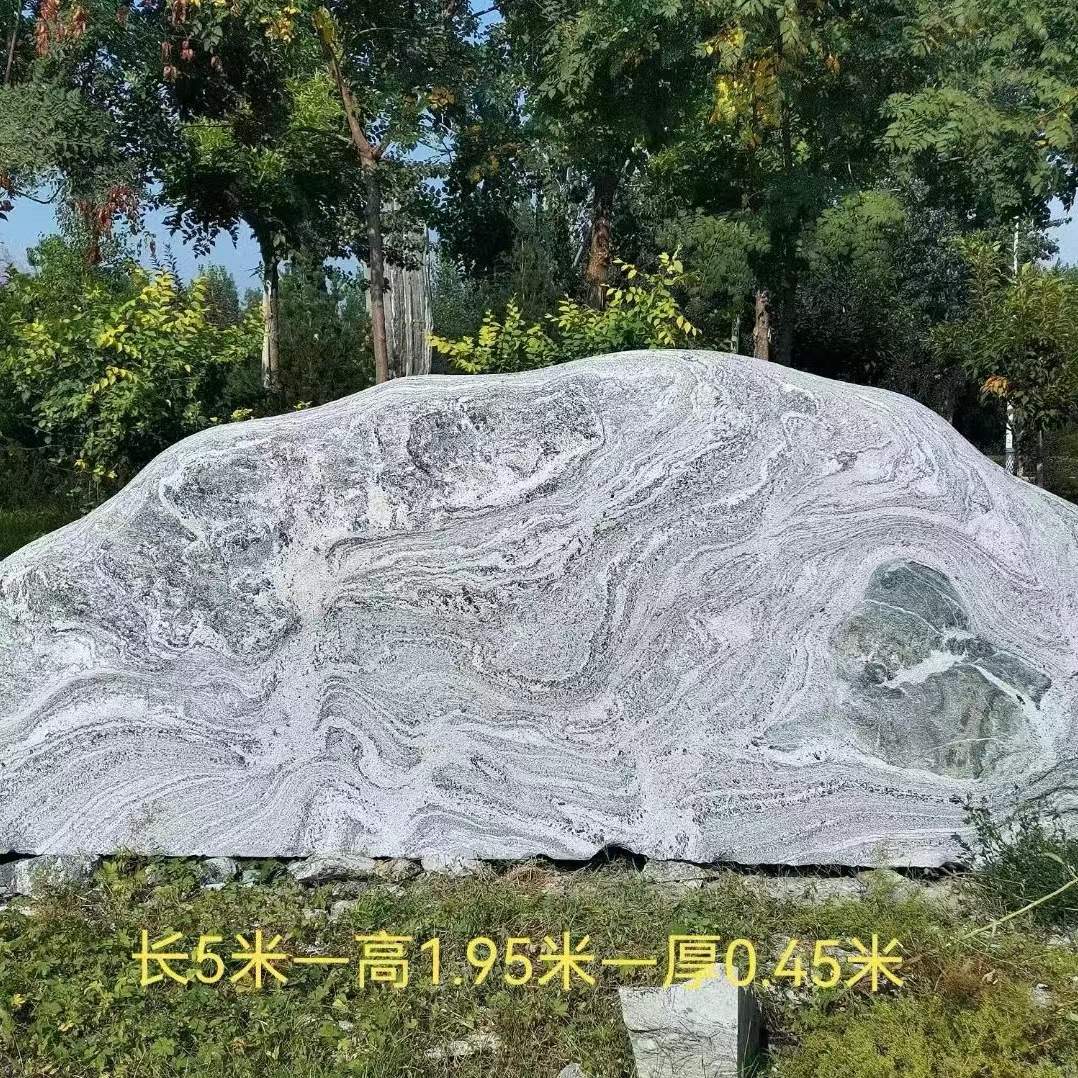
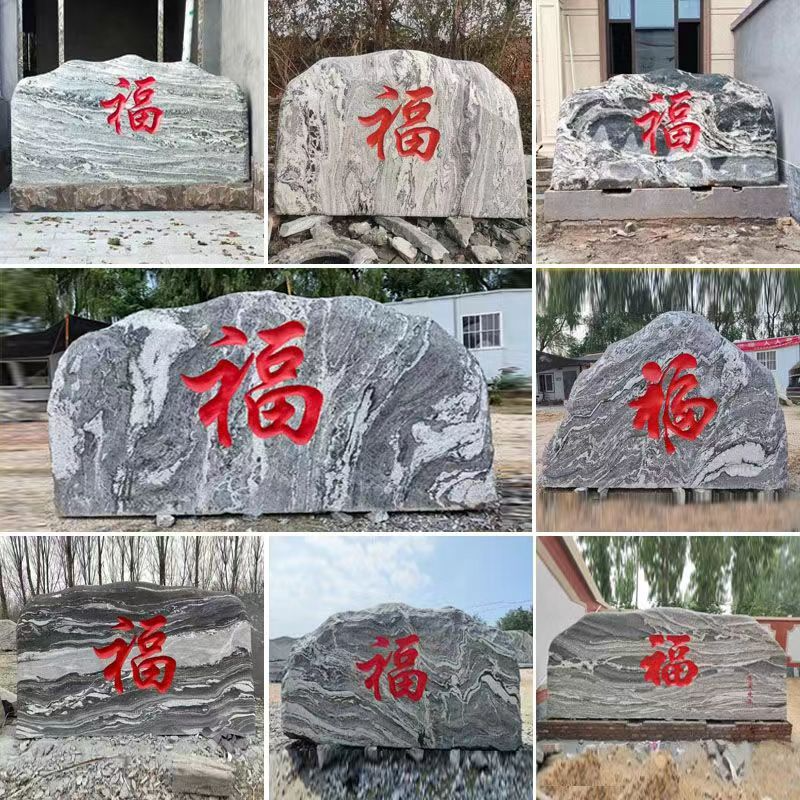
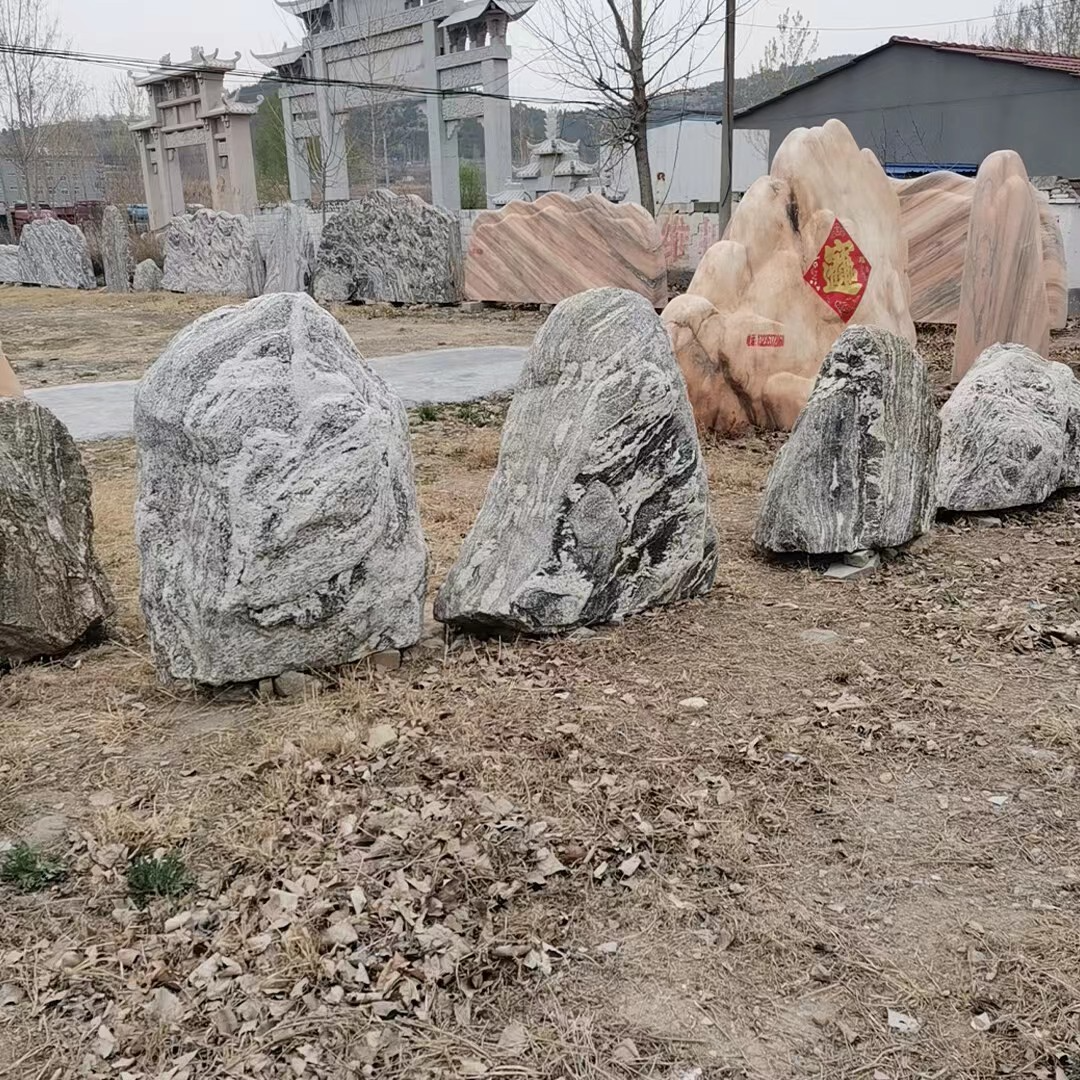

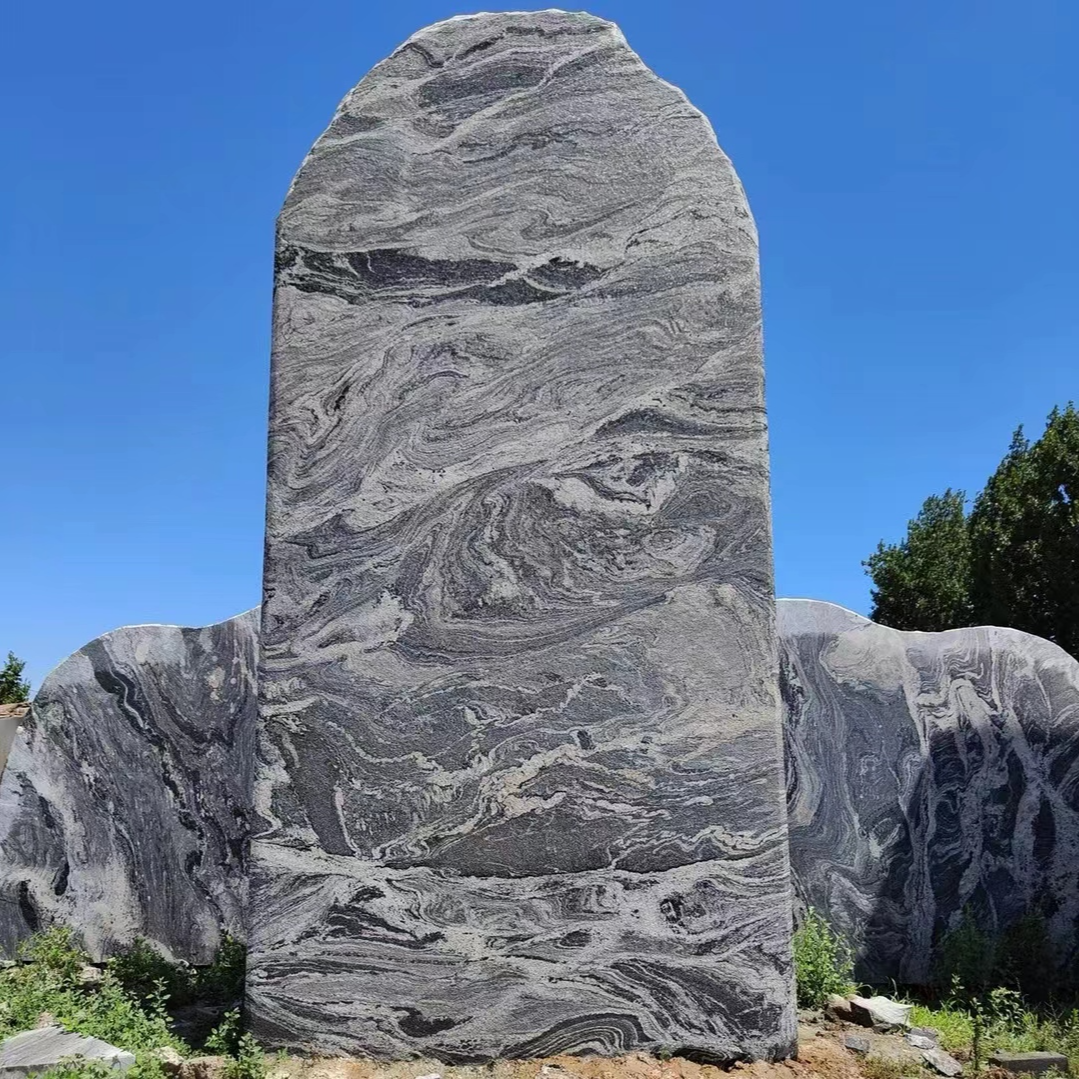
The Stone Archway, a traditional architectural structure that embodies historical value and artistic charm, serves as a "living fossil" witnessing the evolution of Chinese architectural art from the Tang Dynasty to the Ming and Qing dynasties. It also functions as a carrier of moral education and folk culture, integrating architecture, painting, calligraphy, and sculpture, and showcasing exquisite patterns through techniques such as bas-relief, open-relief, and round sculpture. Structurally and in terms of materials, it comes in single, triple, and quintuple gate styles, with combinations of three, five, and seven floors, commonly using materials like blue stone, granite, and white marble. Production involves design conceptualization, carving processing, and assembly installation, with detailed drawings drawn based on usage and location for design. Carving is done through mechanical rough processing followed by manual refinement, and assembly is achieved through mortise and tenon joints or reinforced steel connections. Its applications are versatile, including as a village entrance sign, scenic landmark, garden embellishment, and temple gate. As a village entrance sign, it highlights the village's history and family honor; as a scenic landmark, it enhances cultural taste; as a garden embellishment, it adds a sense of antiquity; and as a temple gate, it emphasizes religious solemnity. Moreover, with high-quality stone materials and a stable structural design, it boasts strong resistance to weathering and corrosion, with a lifespan exceeding 50 years, making it a distinctive building that combines practicality and cultural value.
WeChat Official Account

Scan to follow Official Account