






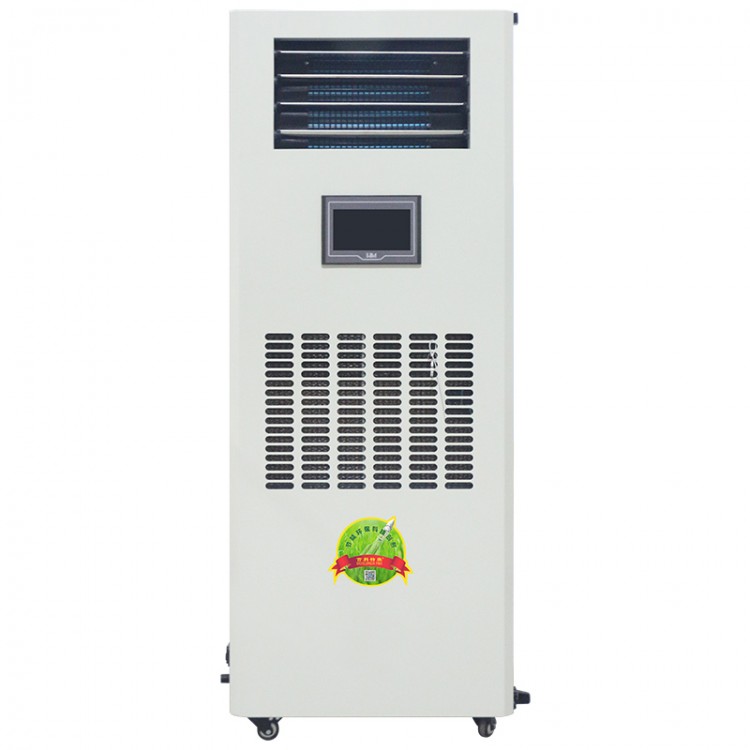



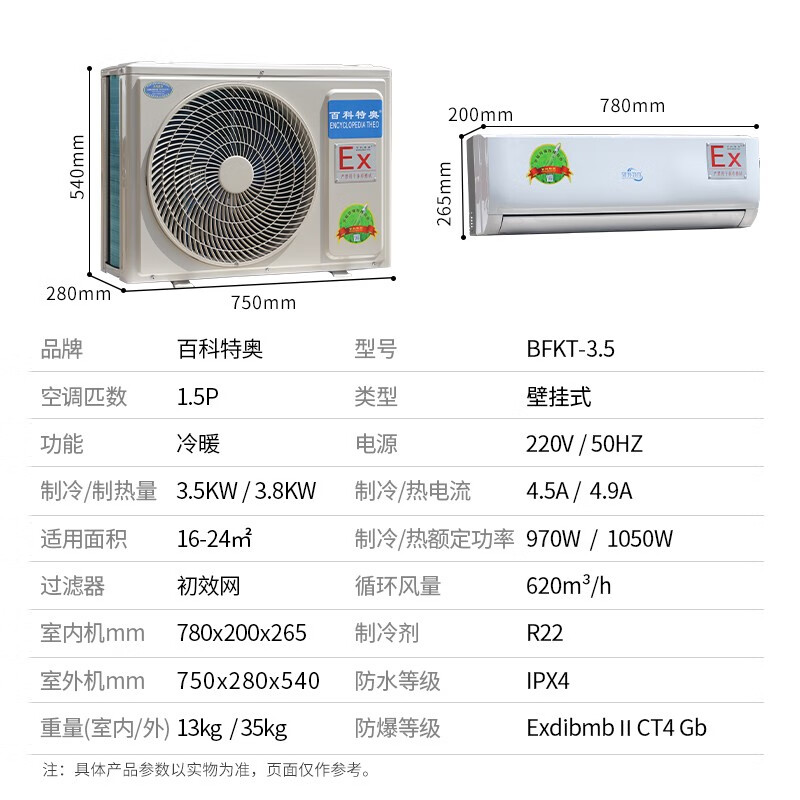
Lanzhou Explosion-proof Air Conditioner BFKT-3.5 1.5p Wall-mounted Industrial Explosion-proof Air Conditioner Manufacturer
The Bi百科Tao explosion-proof air conditioning series, processed with special explosion-proof technology, is widely applicable in Zone 1 and Zone 2 explosion-proof levels, covering various industries such as scientific research, petroleum, chemicals, and manufacturing. It is designed for hazardous areas where II-A, II-B, II-C groups of combustible gases, steam, and air mixtures can cause explosions, and temperature control is required. All Bi百科Tao explosion-proof air conditioning series products have passed inspections by the National Supervision and Inspection Center for Explosion-Proof Electrical Product Quality, obtaining the national explosion-proof electrical equipment explosion-proof certificate. The Bi百科Tao brand explosion-proof air conditioning series features attractive appearance, reasonable design, easy installation and maintenance, and is equipped with brand compressors, microcomputer control, and digital display. It boasts low noise, stable performance, and simple operation, making it a favorite among customers in specialized industries.
Standard of execution as follows:
GB/T3836.1-2021Explosive Environment Part 1: Equipment - General Requirements
GB/T3836.2-2021Explosive Atmospheres Part 2: Equipment Protected by a Flameproof Enclosure "d"
GB/T3836.4-2021, Part 4: Equipment Protected by Intrinsic Safety "i" for Explosive Atmospheres
GB/T3836.9-2021, Part 9: Equipment protected by "m" type of encapsulation for explosive environments
GB/T3836.15-2017Explosive Atmospheres, Part 15: Design, Selection, and Installation of Electrical Equipment
JB/T10538-2005 Explosion-proof Dehumidifiers and Air Conditioners
I. Composition of Explosion-proof Air Conditioners:
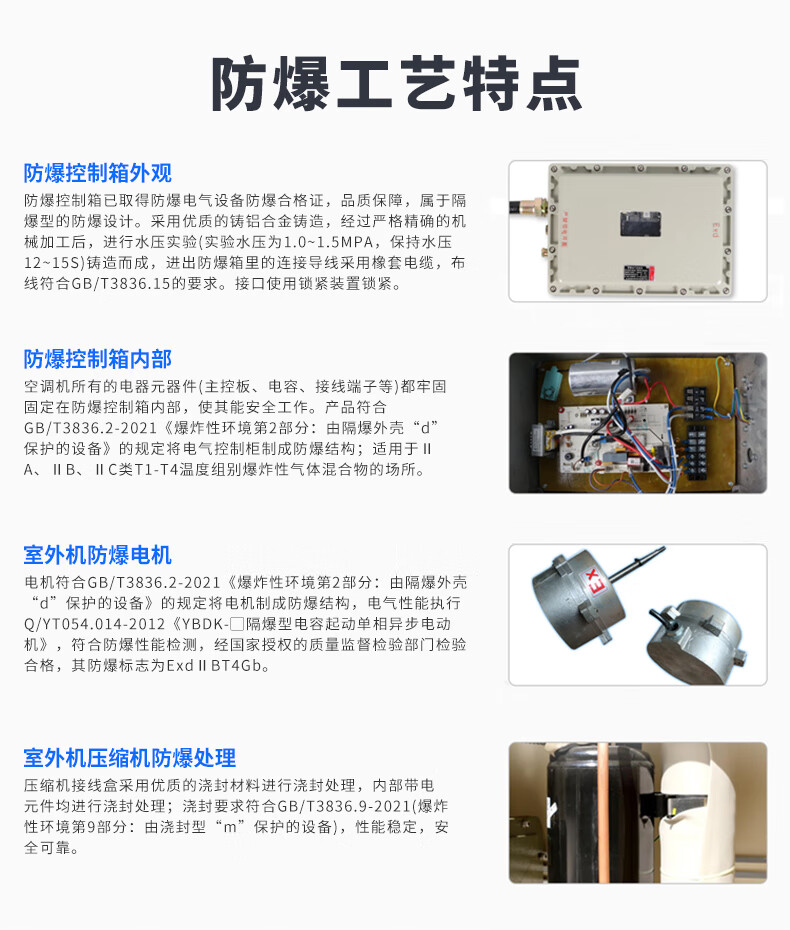
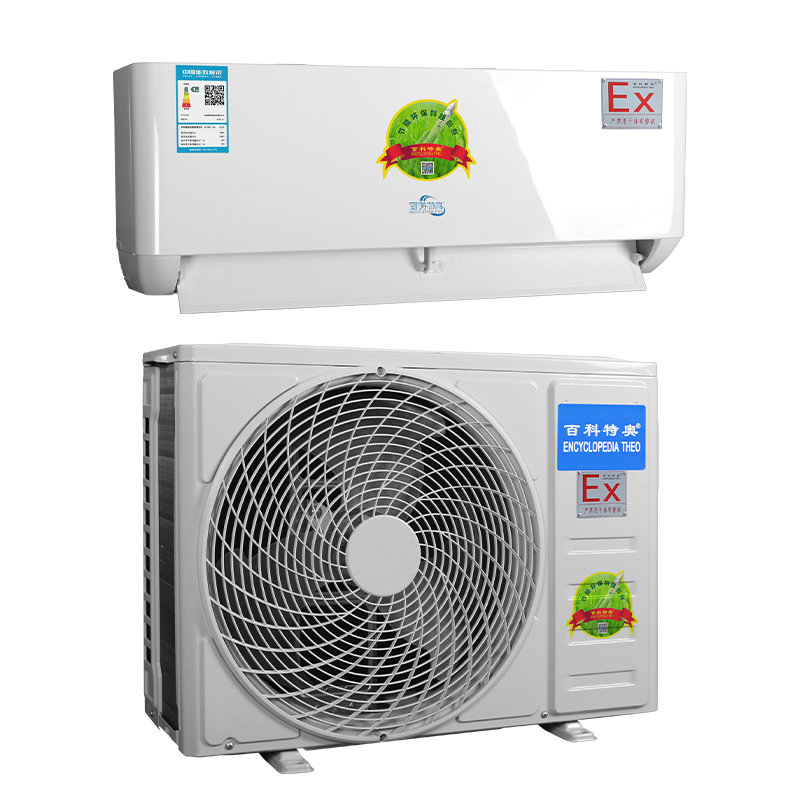
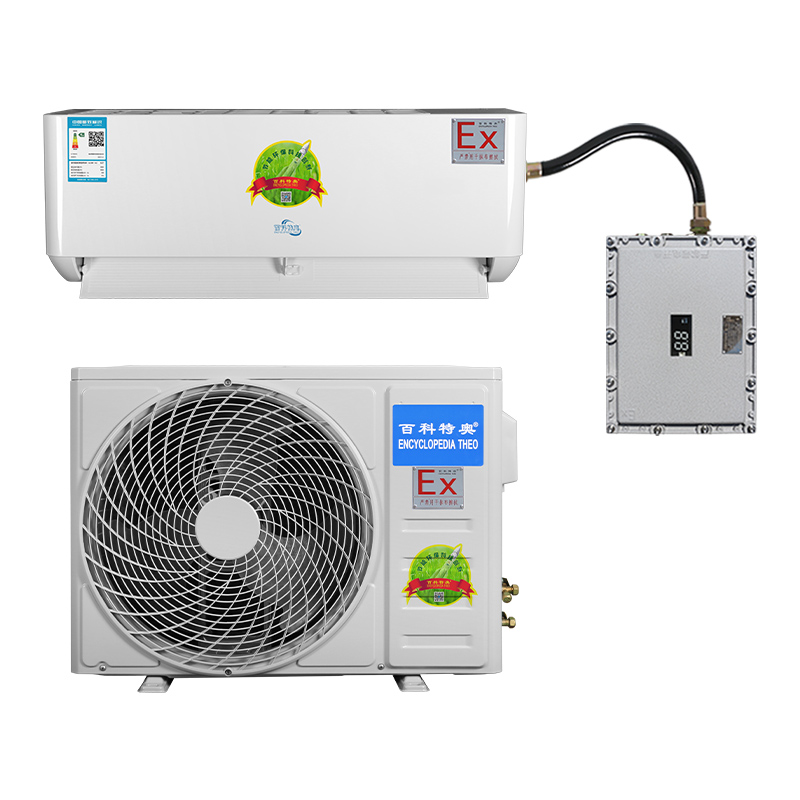
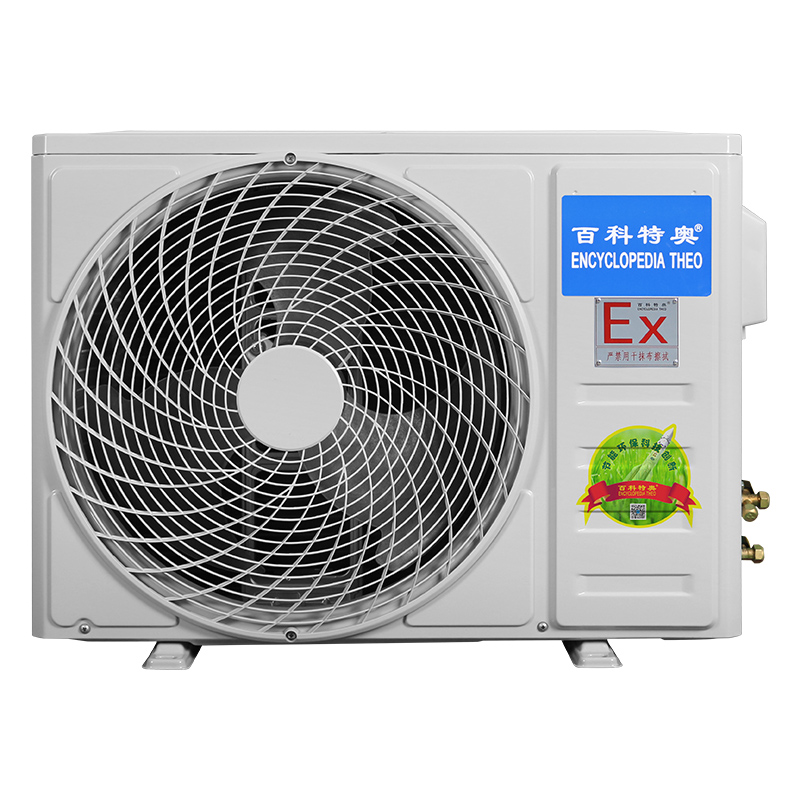
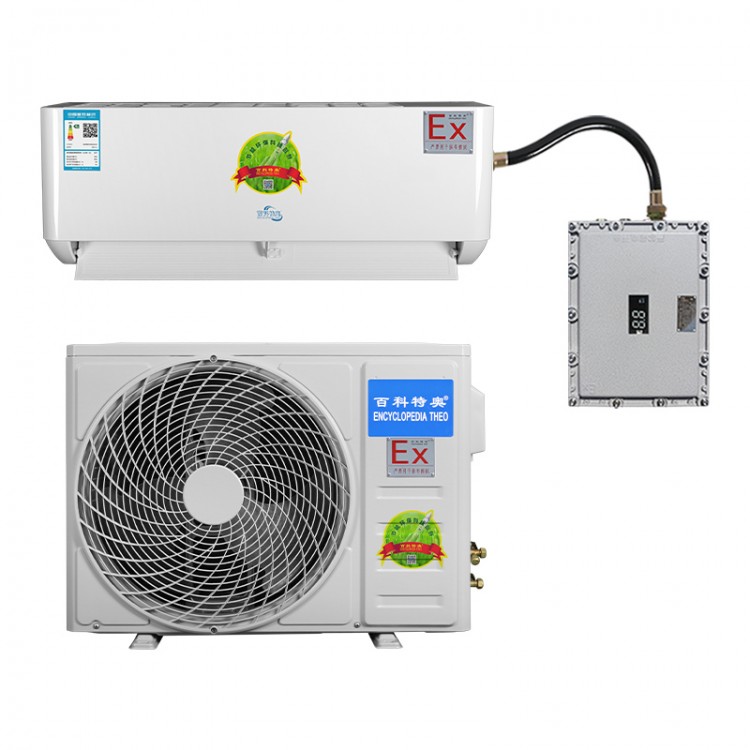
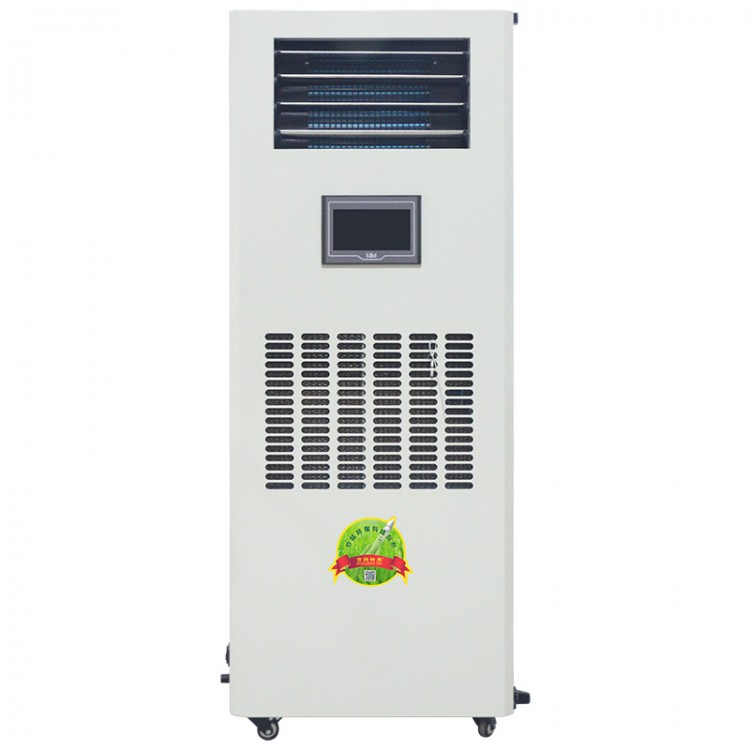
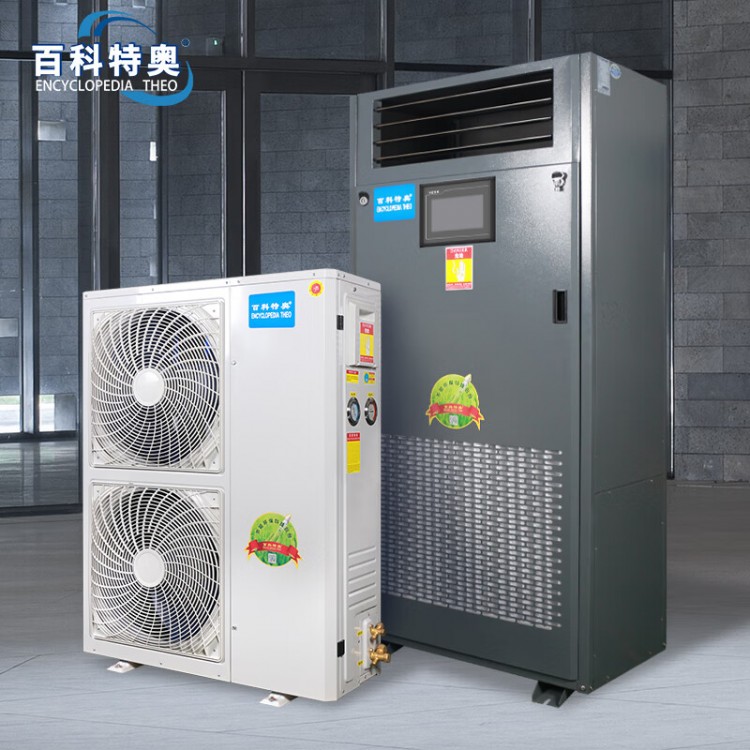
Explosion-proof air conditioners are not ordinary AC units; they are specialized explosion-proof electrical appliances for certain industries. These units offer cooling, heating, and automatic defrosting capabilities. However, the components like compressors and fans of explosion-proof air conditioners undergo special explosion-proof treatment. The assembly includes an intake vent, exhaust vent, drain pipe, connecting pipe, and outdoor unit, which is further composed of a compressor, exhaust fan, heat exchanger, and capillary tube.
Section II: Industry Applications for Explosion-Proof Air Conditioners
Explosion-proof air conditioners are used in oil procurement sites, drilling platforms, chemical industries, oil depots, offshore platforms, refineries, coal mines, textile factories, toy factories, grain processing plants, oil depots, and gas warehouses.
Section 3: Working Principle of Explosion-Proof Air Conditioners:
Explosion-proof air conditioners are primarily due to the inclusion of aluminum alloy explosion-proof materials. The honeycomb structure formed by the perforations in these layered materials divides the interior of the container into numerous "small compartments." These "small compartments" effectively inhibit the spread of flames, thus providing excellent insulation and ensuring safety to a certain extent. Additionally, the honeycomb structure boasts a high surface efficiency per unit volume, resulting in excellent thermal conductivity. It can rapidly absorb the majority of the heat released during combustion, significantly reducing the temperature (Tf) after the combustion reaction, minimizing the expansion of the reaction gases, and preventing a substantial increase in the container's pressure.
Section 4: Requirements for Explosion-Proof Air Conditioners in Operating Environments:
1.Explosion-proof air conditioning cabinets are now designed to be increasingly compact. Consequently, the arrangement of electronic components inside the cabinets becomes denser, and the heat dissipation per unit volume of the cabinet also increases. If heat is not expelled promptly, the temperature of the electronic components and the surrounding environment will gradually rise, thereby shortening the lifespan of the explosion-proof air conditioning. When the ambient temperature of the components exceeds 65°C, the equipment is likely to malfunction. Therefore, it's best to avoid using explosion-proof air conditioning at excessively high temperatures.
2Explosion-proof air conditioners not only require specific temperature control but also have certain humidity requirements. If the relative humidity is too low, strong static electricity can be generated inside the server room, leading to operational failures in the explosion-proof air conditioners. Therefore, the humidity within the explosion-proof air conditioners should be maintained between 45%-65%.
Features of Explosion-proof Air Conditioners
1.Explosion-proof air conditioners feature comprehensive safety measures due to their use of composite explosion-proof stars and complete overheat and pressure protection, ensuring the entire unit is explosion-proof for safer and more reliable operation.
2.The compressors used in explosion-proof air conditioners are typically brand-name compressors, offering stable performance for both cooling and heating. Additionally, they operate with low noise and have a longer lifespan.
3.The air conditioning control system is stable, capable of adjusting both temperature and airflow. Explosion-proof air conditioners are a type of explosion-proof electrical appliance, with compressors and other components specially treated for explosion-proof purposes. Their appearance and usage are similar to those of standard air conditioners, and they are primarily used in environments prone to fire and explosion, such as oil refineries, chemical plants, and oil depots.
In summary, explosion-proof air conditioners and standard air conditioners differ significantly in design and are suited for different environments and occasions. Explosion-proof air conditioners are primarily used in hazardous environments such as petrochemical, chemical, and mining industries, ensuring the safety of workers. Standard air conditioners, on the other hand, are suitable for residential and office settings, providing a comfortable indoor environment for people.