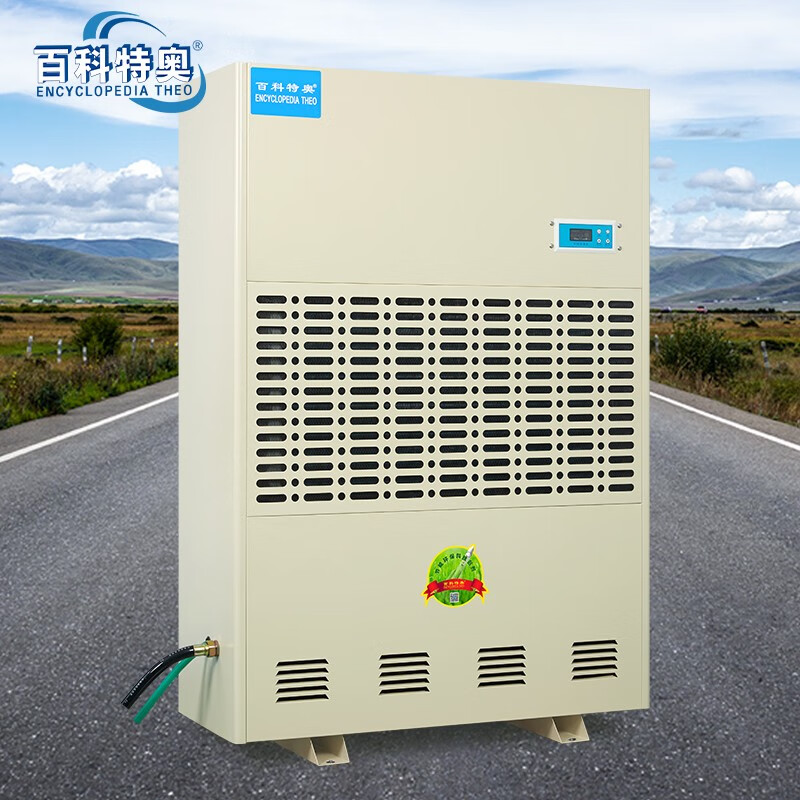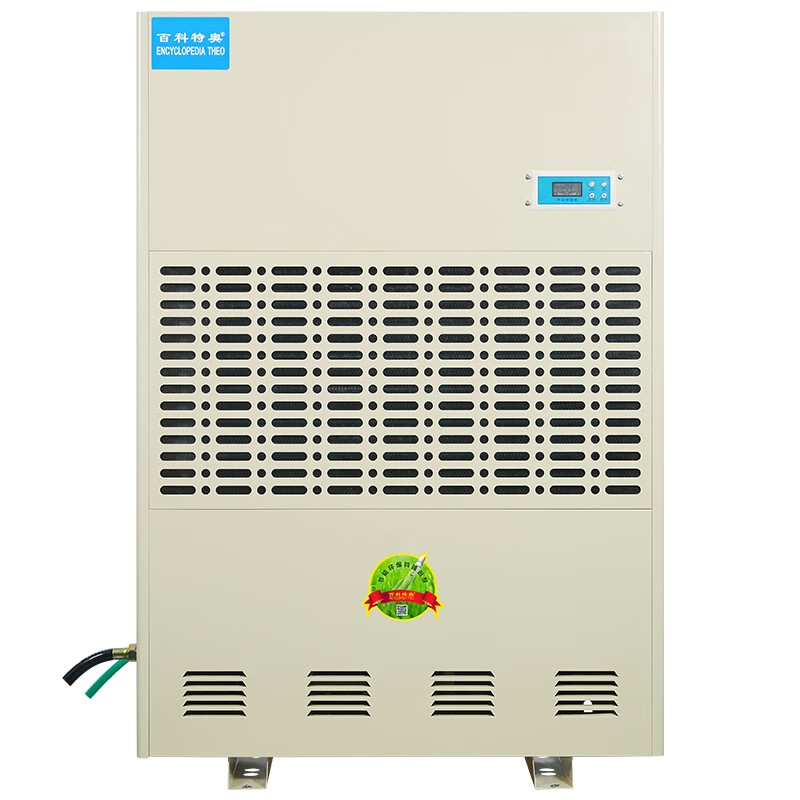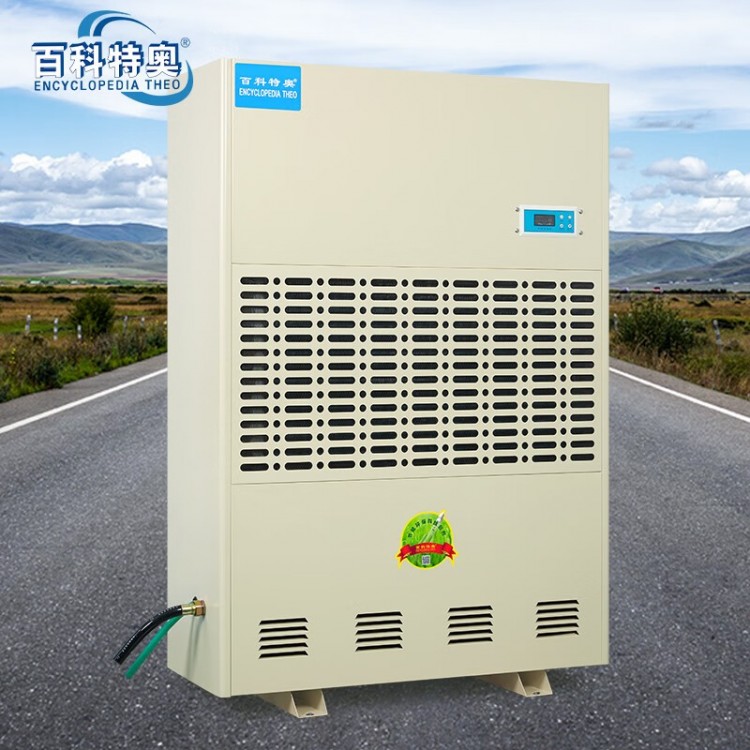

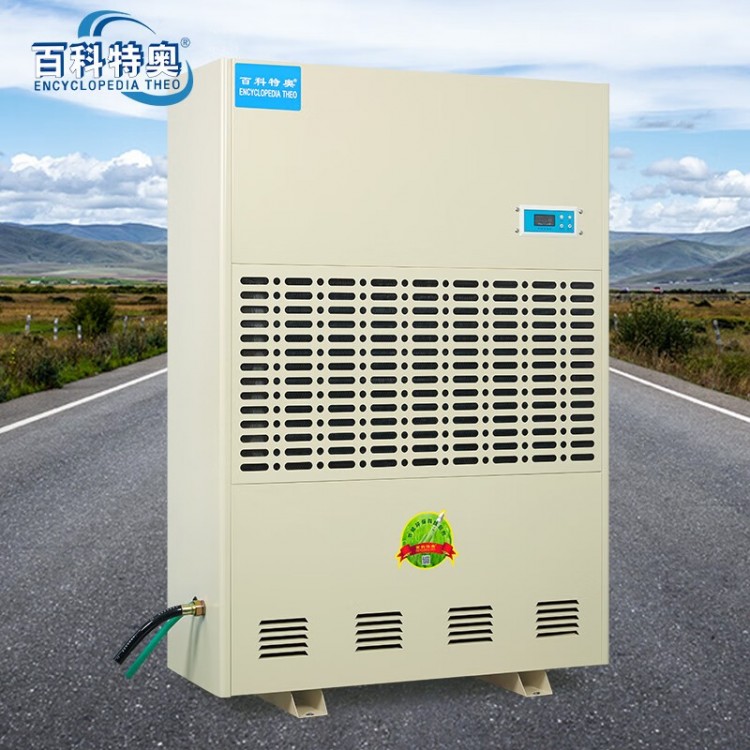







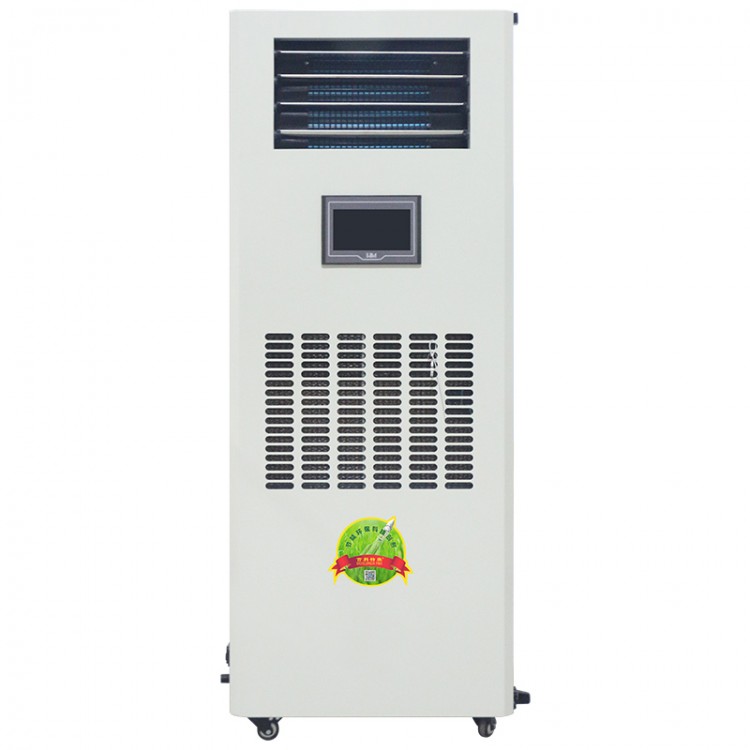
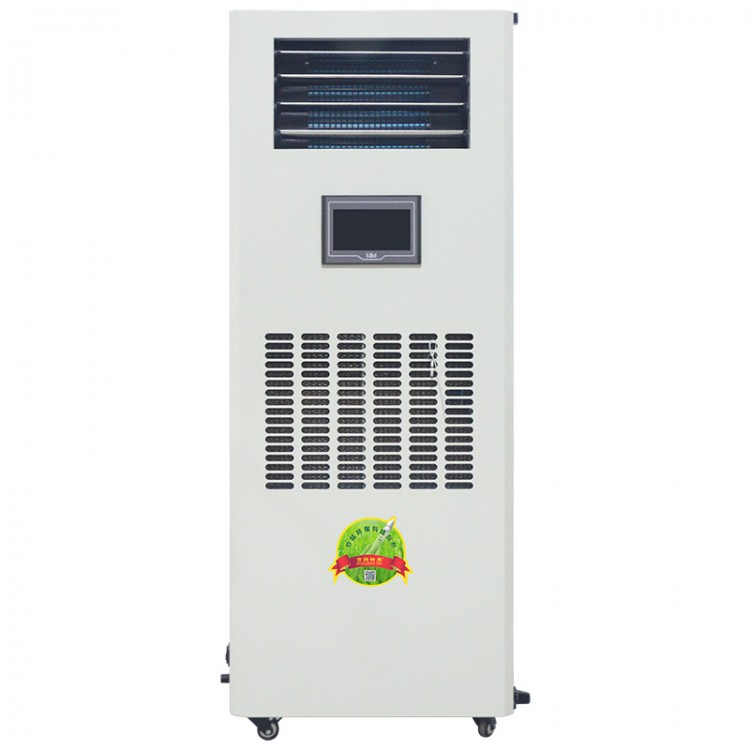


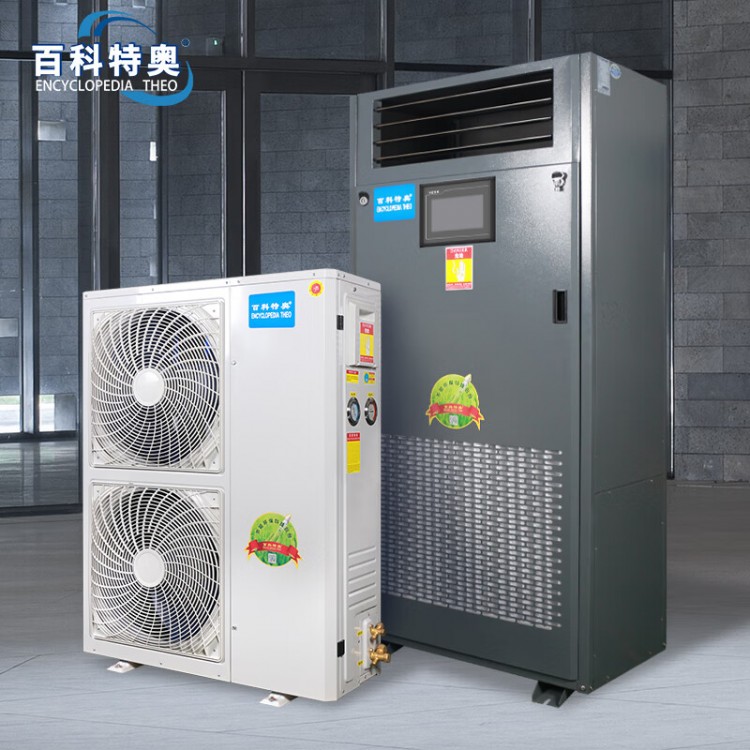

Warehouse and factory environments, as crucial storage and production sites, require meticulous control over humidity. Excessive humidity can lead to issues like dampness, mold, and rot in materials, as well as affect equipment performance and lifespan. Therefore, effectively addressing the issue of moist air in warehouses and factories is an urgent matter. Industrial dehumidifiers, as specialized humidity control equipment, can effectively resolve these problems.
1. The Principle of Industrial Dehumidifiers
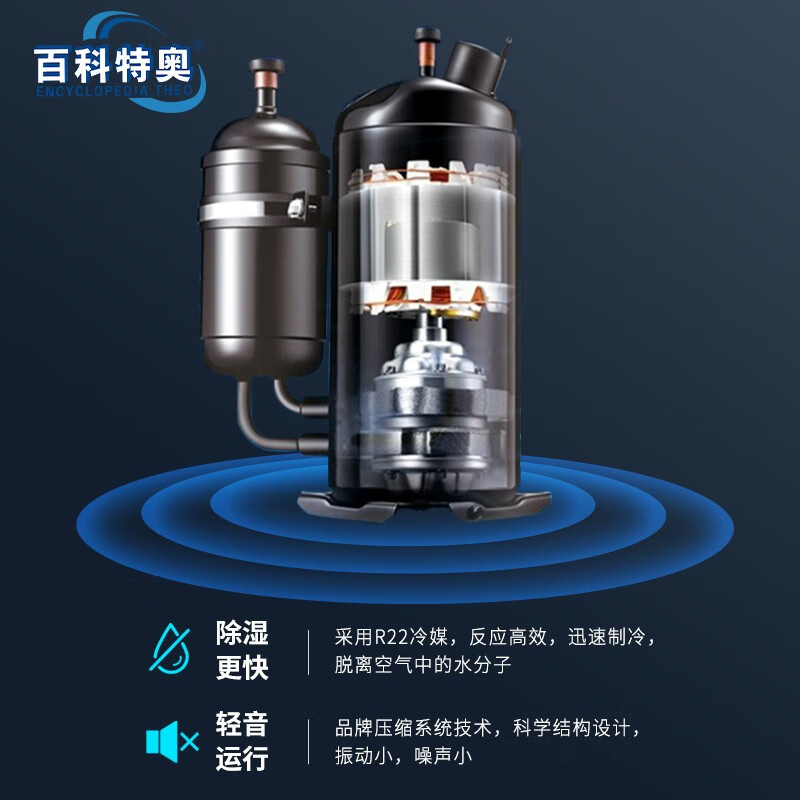
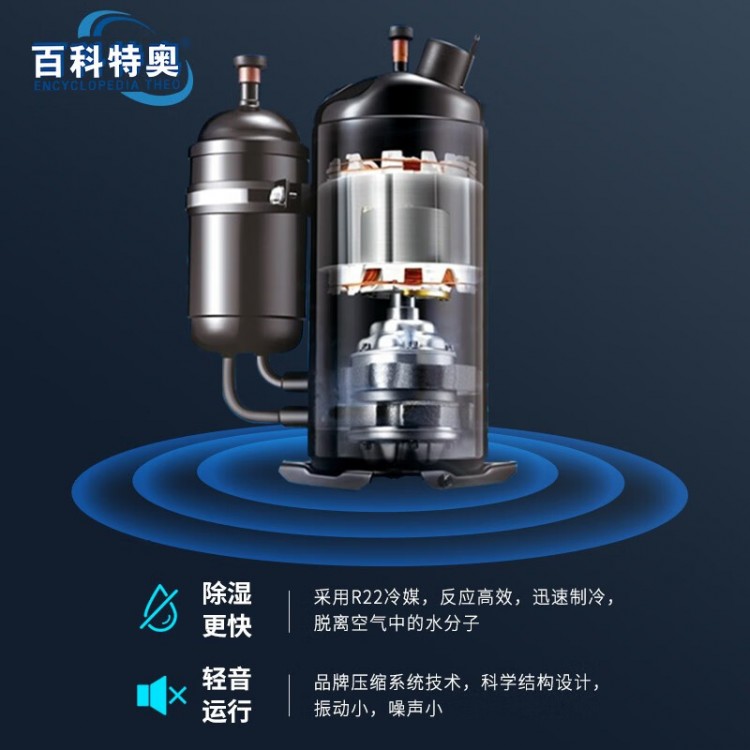
Industrial dehumidifiers primarily operate based on two principles: refrigeration and adsorption. Refrigeration dehumidifiers mainly use refrigerants to absorb heat from the air in the evaporator, causing water vapor to condense into droplets and be expelled. Adsorption dehumidifiers, on the other hand, utilize the adsorption properties of desiccants to attach water molecules to the surface of the desiccant. The water molecules are then desorbed by heating, achieving the dehumidification goal.

Section II: Applications of Industrial Dehumidifiers
Industrial dehumidifiers are primarily used in warehouses, factories, server rooms, and other locations requiring humidity control. These facilities have stringent requirements for air humidity to prevent issues such as dampness in materials and equipment failure. Additionally, industrial dehumidifiers can also be used to improve the processing environment in production workshops, enhancing product quality and efficiency.
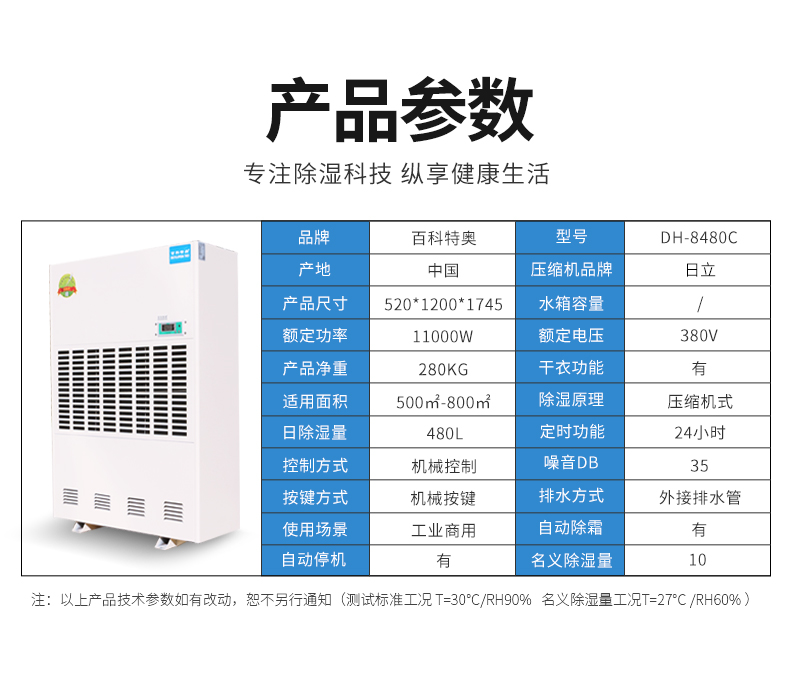
Section 3: Maintenance and Care for Industrial Dehumidifiers
Regularly remove and clean the dehumidifier's filter to effectively enhance its dust removal performance and improve the air quality in the environment.
2. Regularly cleaning the outdoor unit's heat exchanger fins can effectively enhance its heat exchange coefficient and efficiency, thereby improving the dehumidifier's operational efficiency.
3. After long-term use, the electrical wiring and control components within the dehumidifier unit will undergo varying degrees of aging, which can cause serious harm to both the unit and individuals. Regularly having a professional inspect the dehumidifier's circuitry, replace aged components, and replenish refrigerant can prevent the aging of components from harming the machine and individuals, and maintain the dehumidifier in optimal working condition.
4. When the dehumidifier will not be used for an extended period during winter or when traveling, it should be covered with a protective cover to prevent it from exposure to sunlight, rain, and dust accumulation, which can make cleaning and maintenance more difficult in the future.
Industrial dehumidifiers, as professional humidity control equipment, play a crucial role in warehouses and factories. Understanding the principles, application scenarios, selection, and usage of industrial dehumidifiers can effectively address the issue of damp air in warehouses and factories, enhancing the preservation effect of materials and the lifespan of equipment.