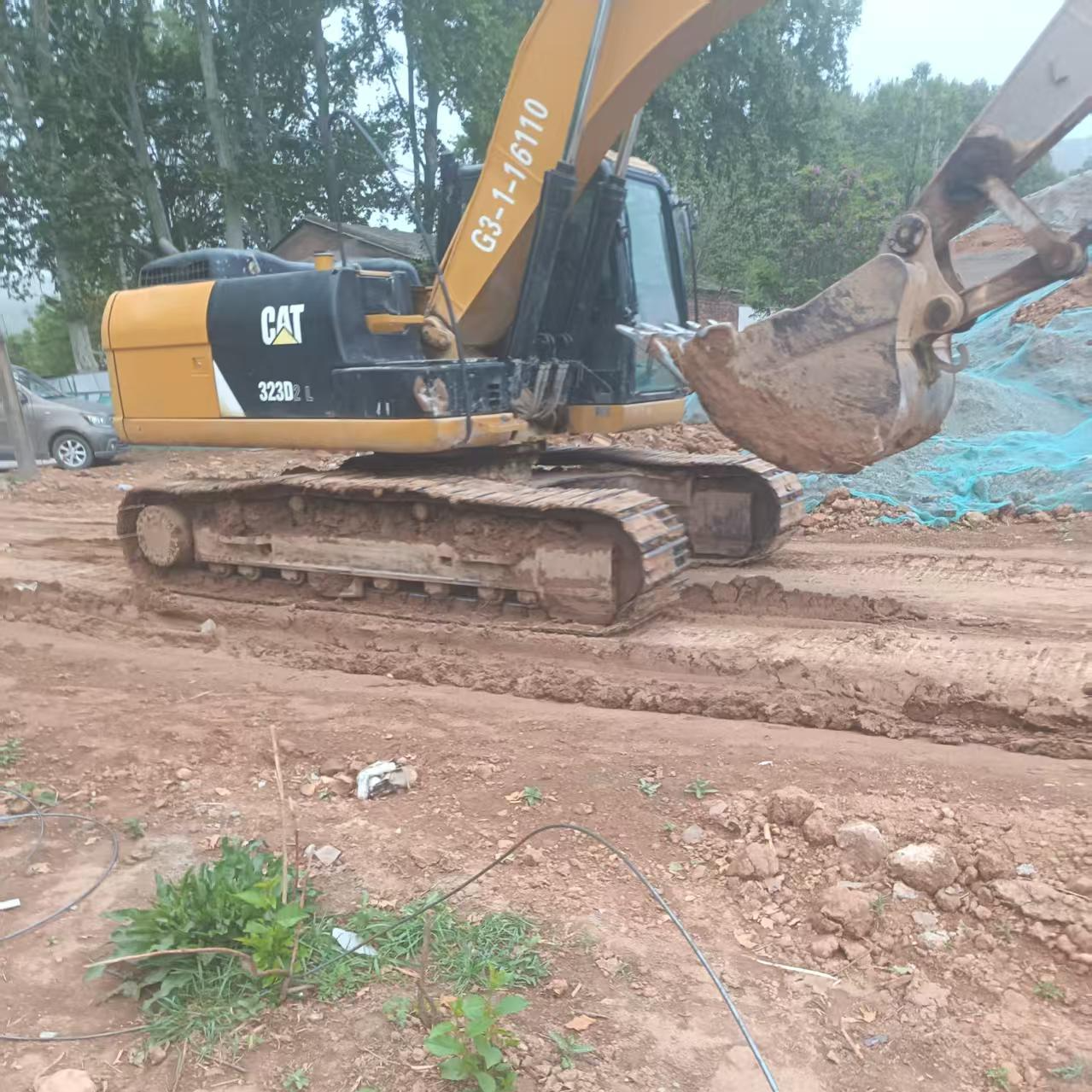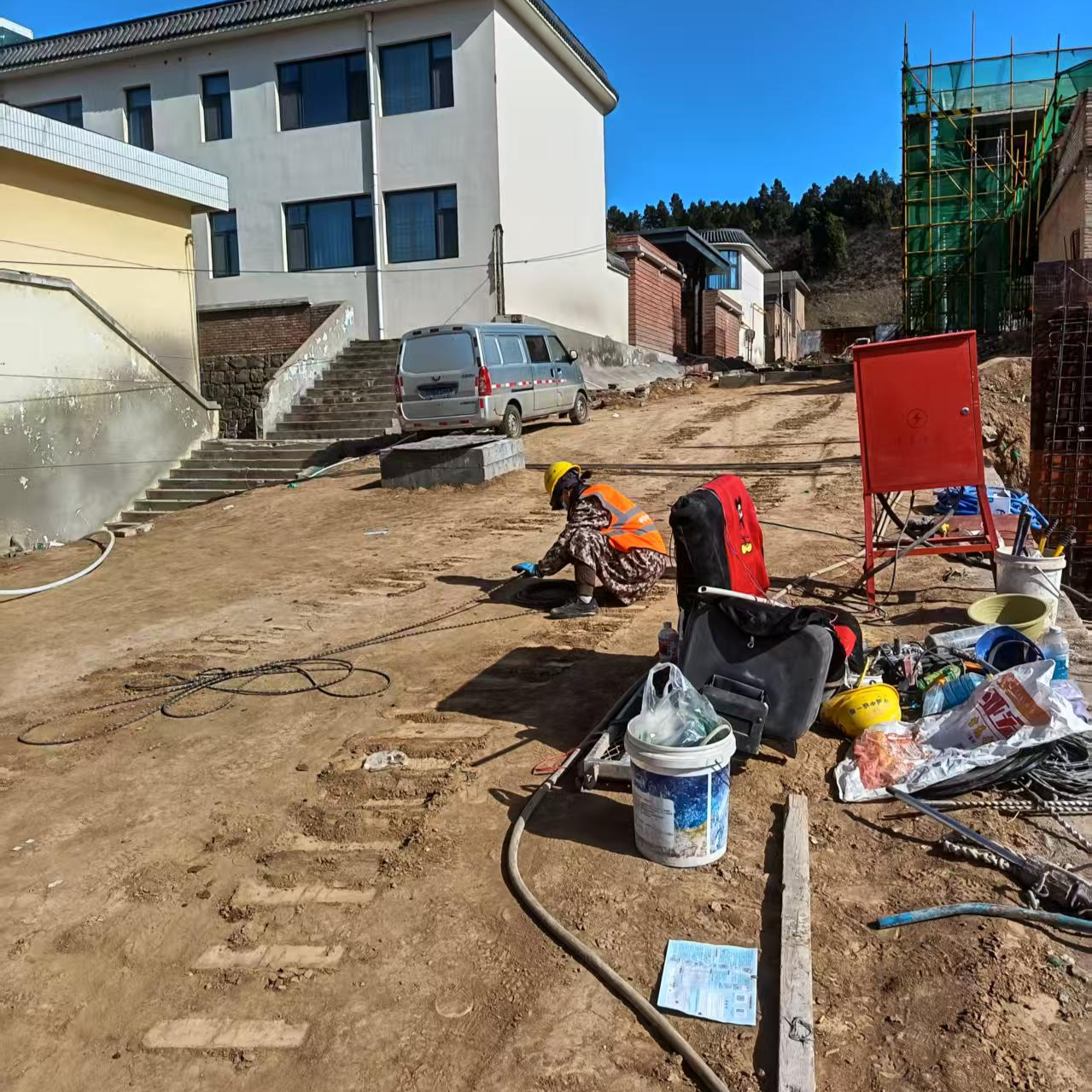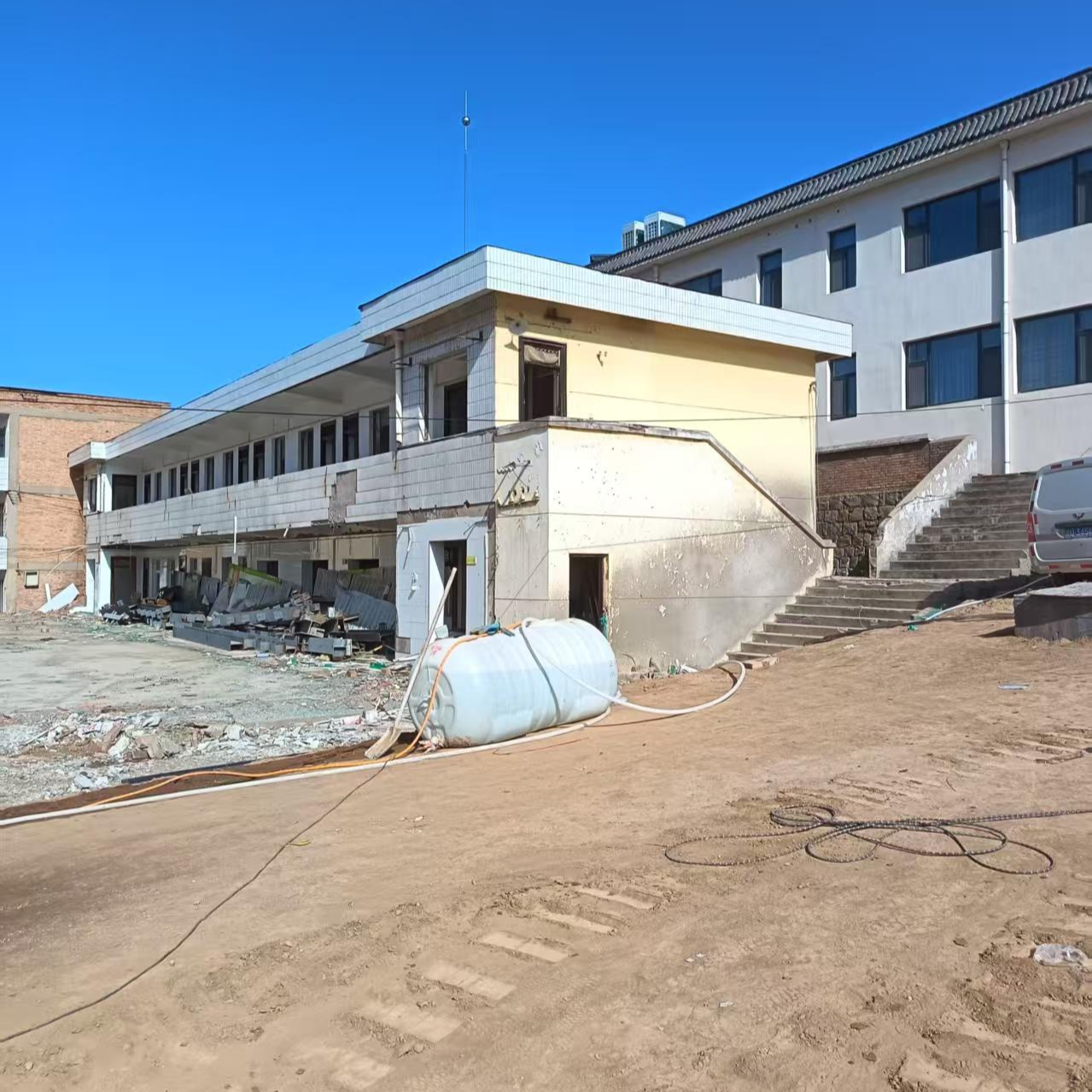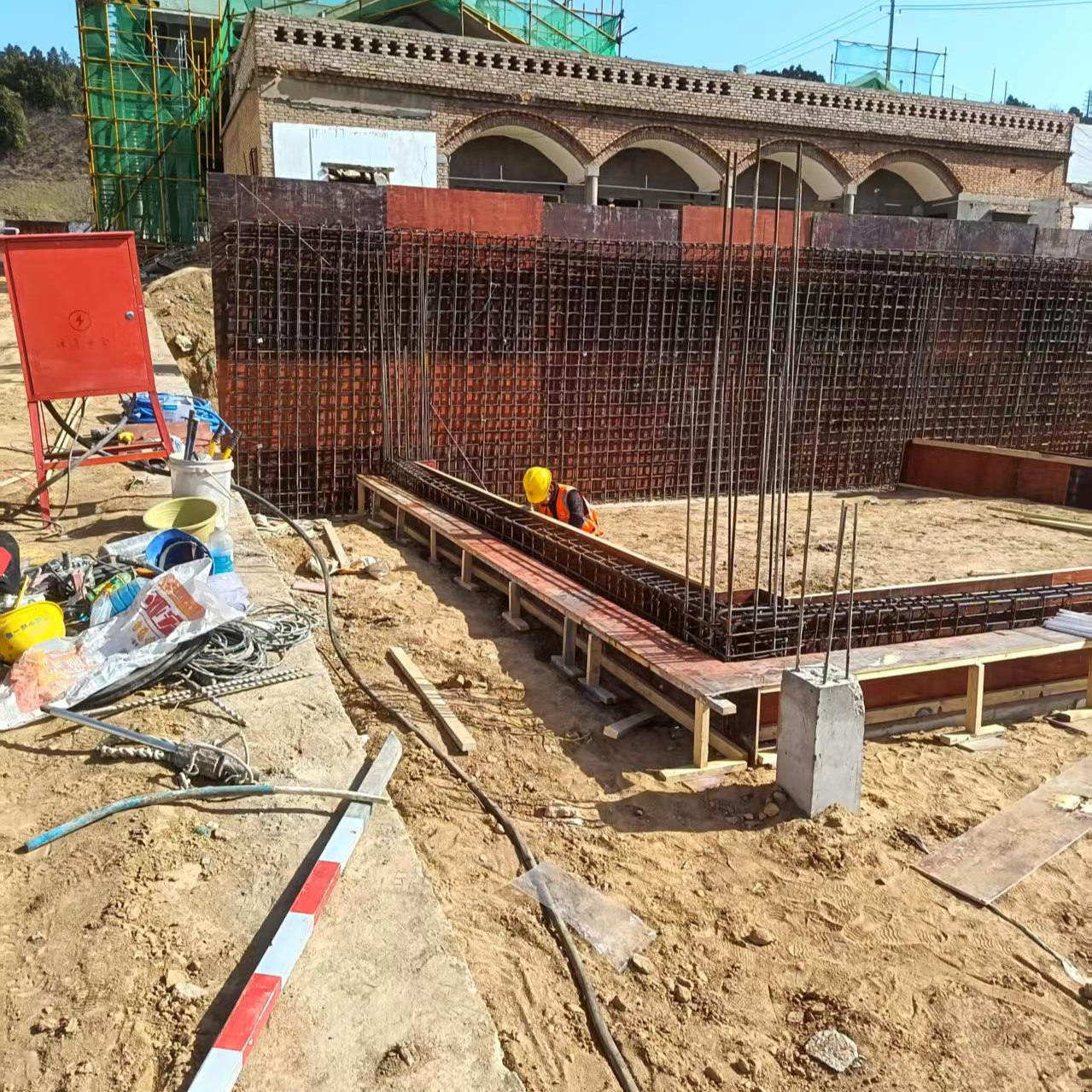









Large storage tank settlement treatment is a complex and critical engineering issue involving multiple factors. Below is our approach and process.
1. Causes of settlement
Geological Conditions:
Soft soil foundation: Such as silt, with low bearing capacity and prone to settlement.
Groundwater Changes: The rise or fall of groundwater levels can alter the effective stress of the soil mass, leading to ground settlement.
Compaction Soil Issue: Loose soil fill, excessive thickness, or insufficient compaction may also lead to foundation settlement.
Tank inherent factors:
Tank Body Weight: Large storage tanks are heavy, exerting significant pressure on the foundation. If the foundation's bearing capacity is insufficient, settling is likely to occur.
Overloading: Excessive internal storage in the tank exceeds the foundation's bearing capacity, leading to settlement.
Mechanical Vibration: The mechanical vibrations generated during the operation of the storage tank may also lead to ground settlement under long-term influence.
Construction Techniques:
Improper foundation treatment: Issues during the foundation treatment process, such as insufficient compaction or reinforcement, can lead to foundation settlement.
Tank Installation Issues: Improper operations during the tank installation process, such as not installing or adjusting according to design specifications, may also cause settlement.
II. Governance Methods
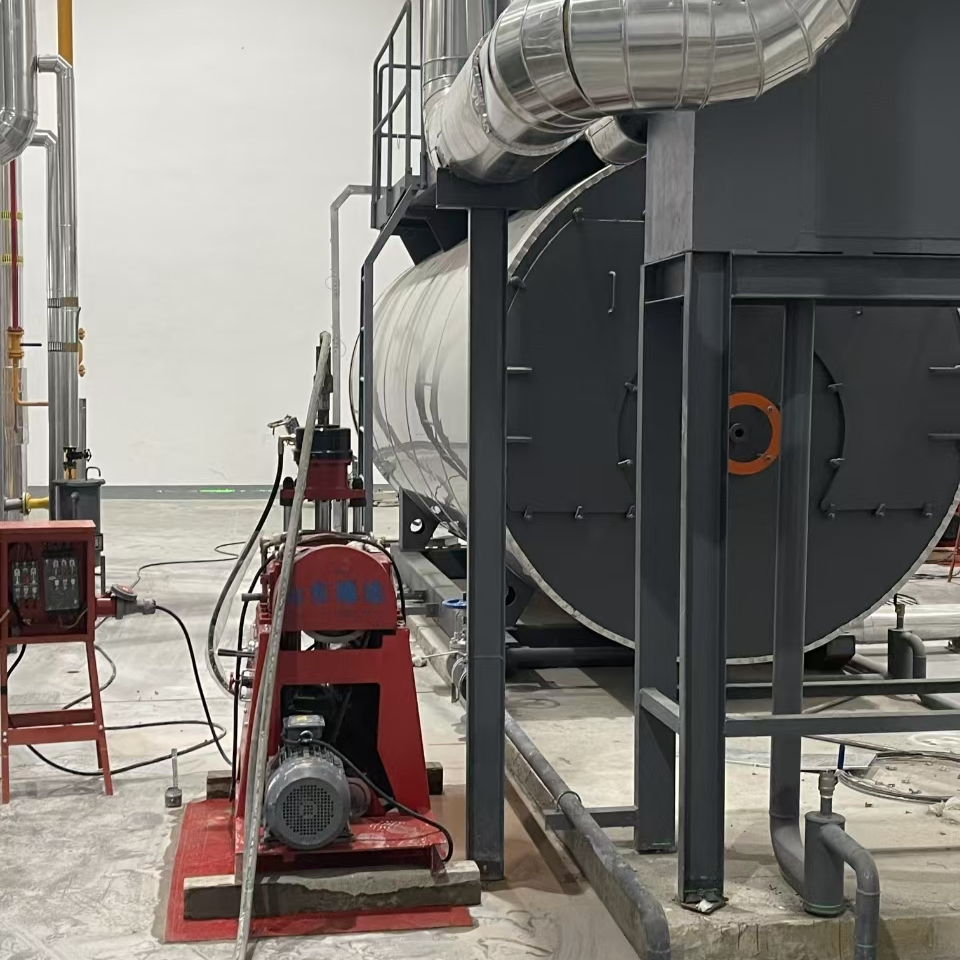
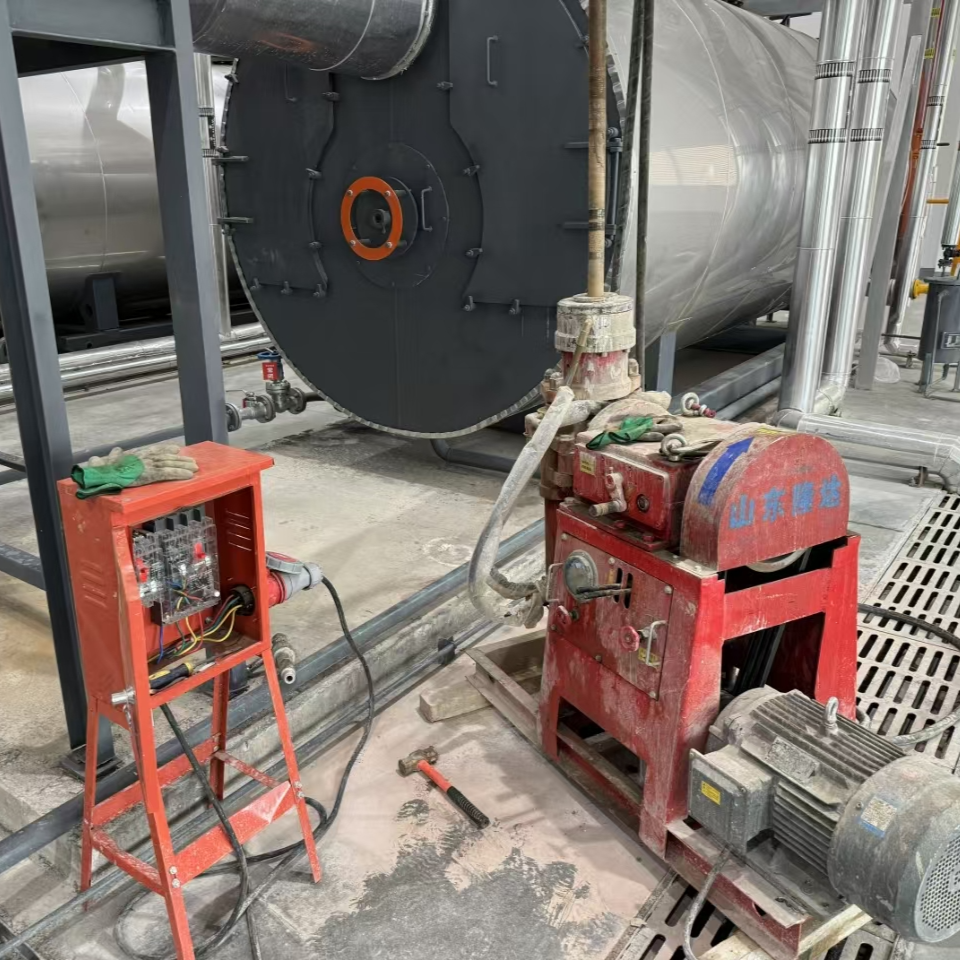
Utilizing our company's advanced "MNC settlement repair technology," which operates on the principles of "pressure transfer and penetration." This method involves injecting a specialized slurry (such as cement slurry, chemical slurry, etc.) into the voids and cracks of the foundation ground using high-pressure mechanical power, thereby enhancing the compactness and bearing capacity of the foundation. Particularly suitable for settlement situations caused by loose soil, fluctuating water content, or insufficient bearing capacity of the foundation.
Section 3: Construction Techniques
On-site Investigation & Solution Design:
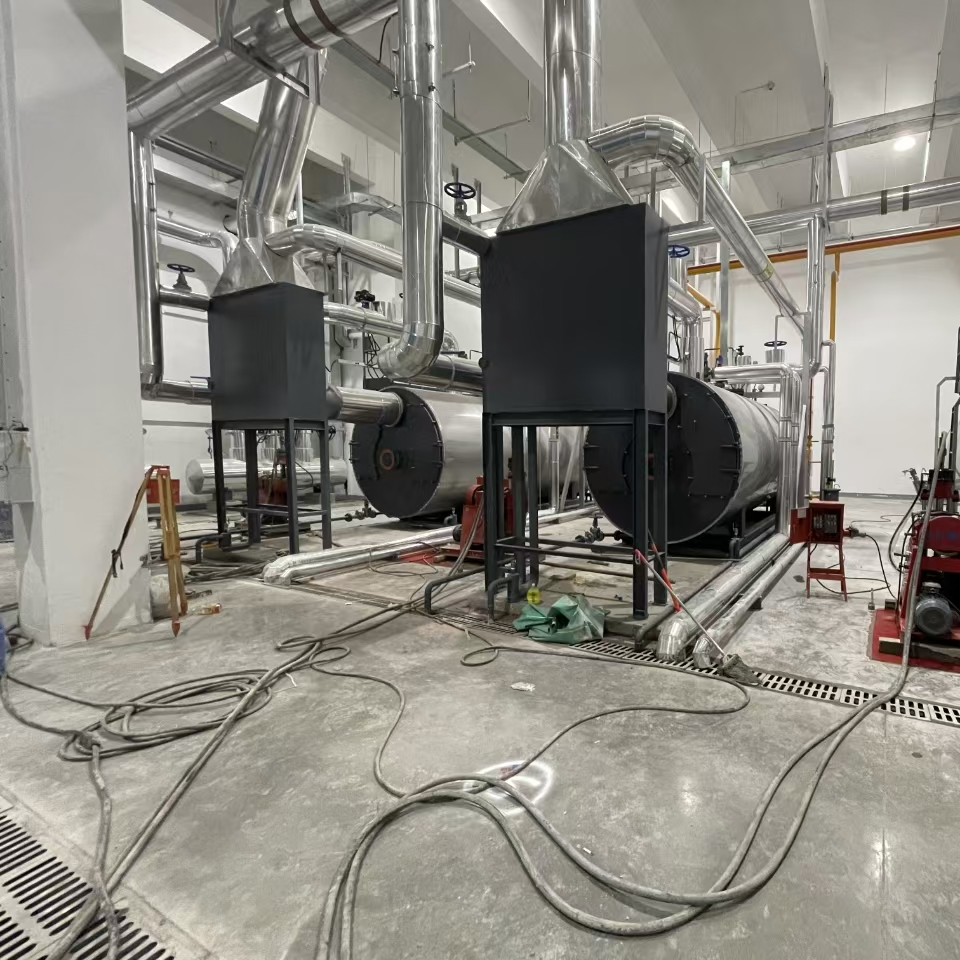
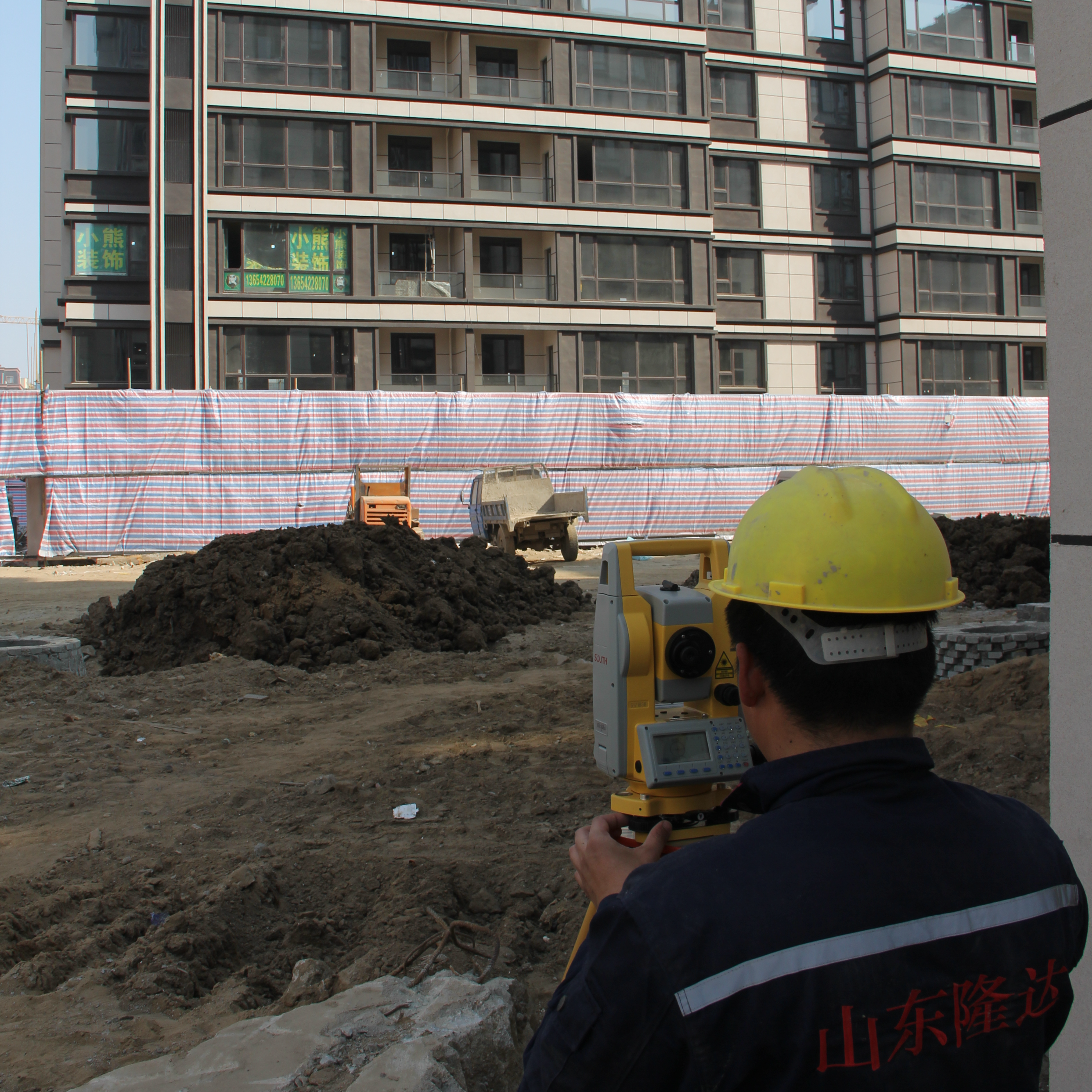
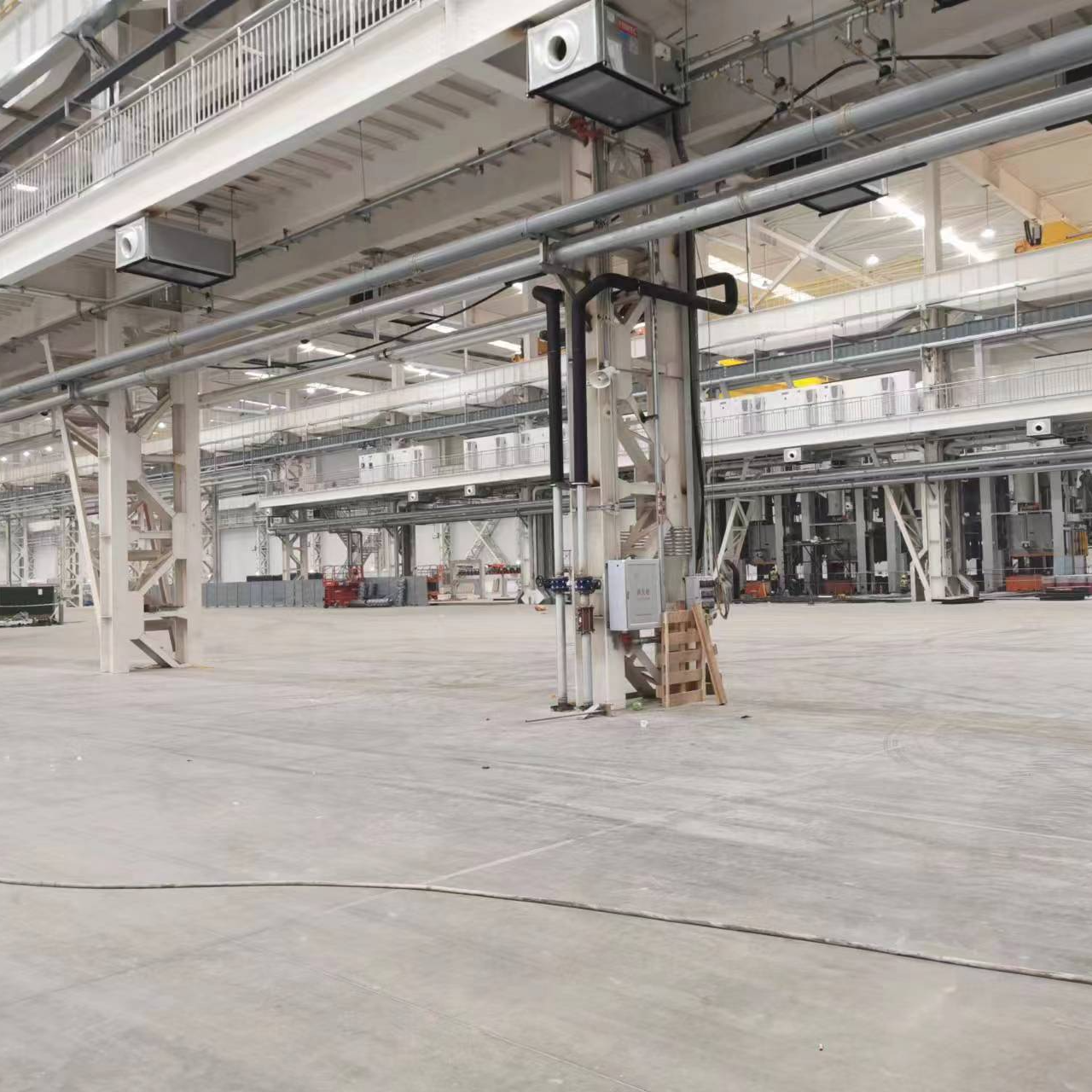
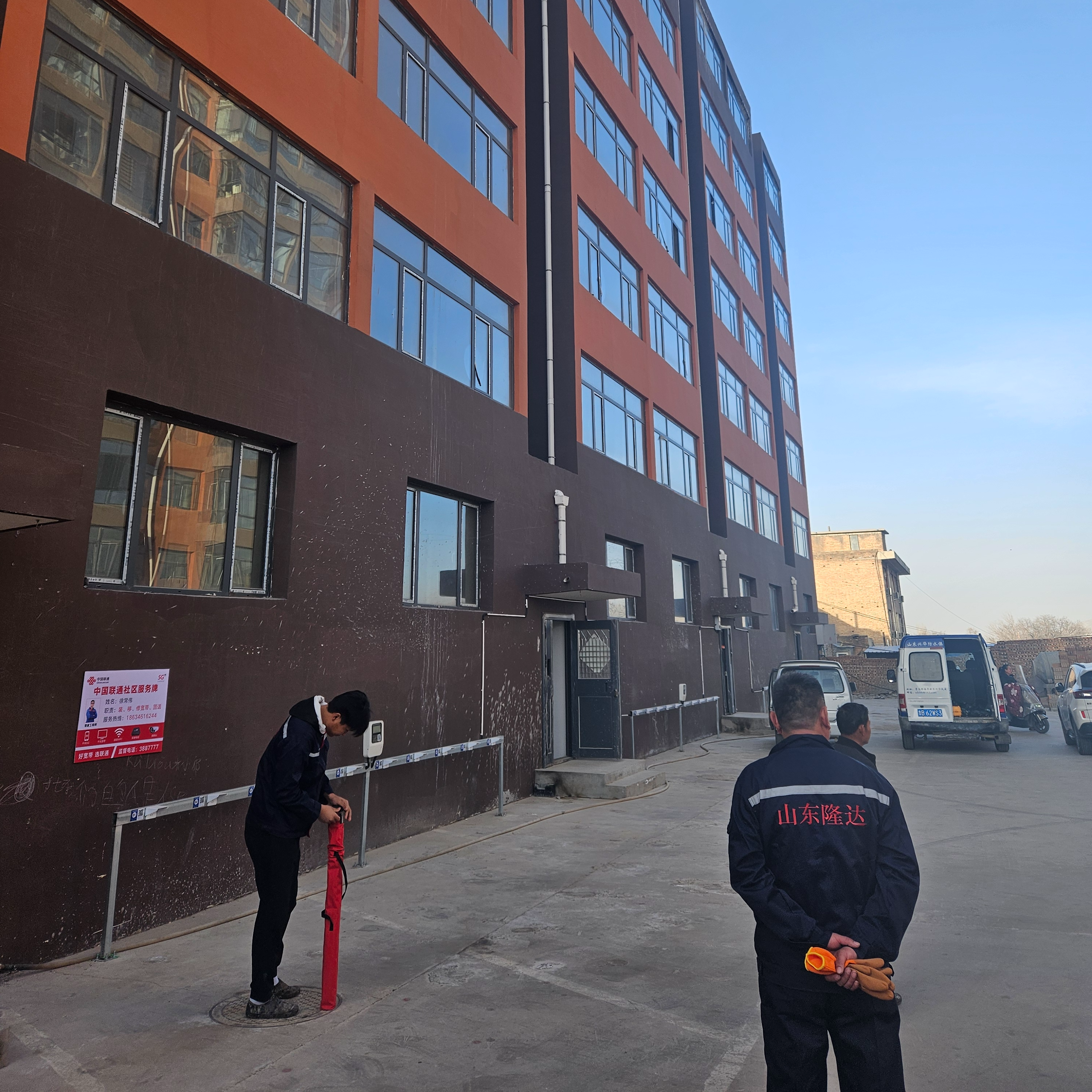
Conduct a field investigation of the settling large storage tanks to analyze the causes and extent of the settlement.
Based on geological survey results, develop a detailed grouting reinforcement plan.
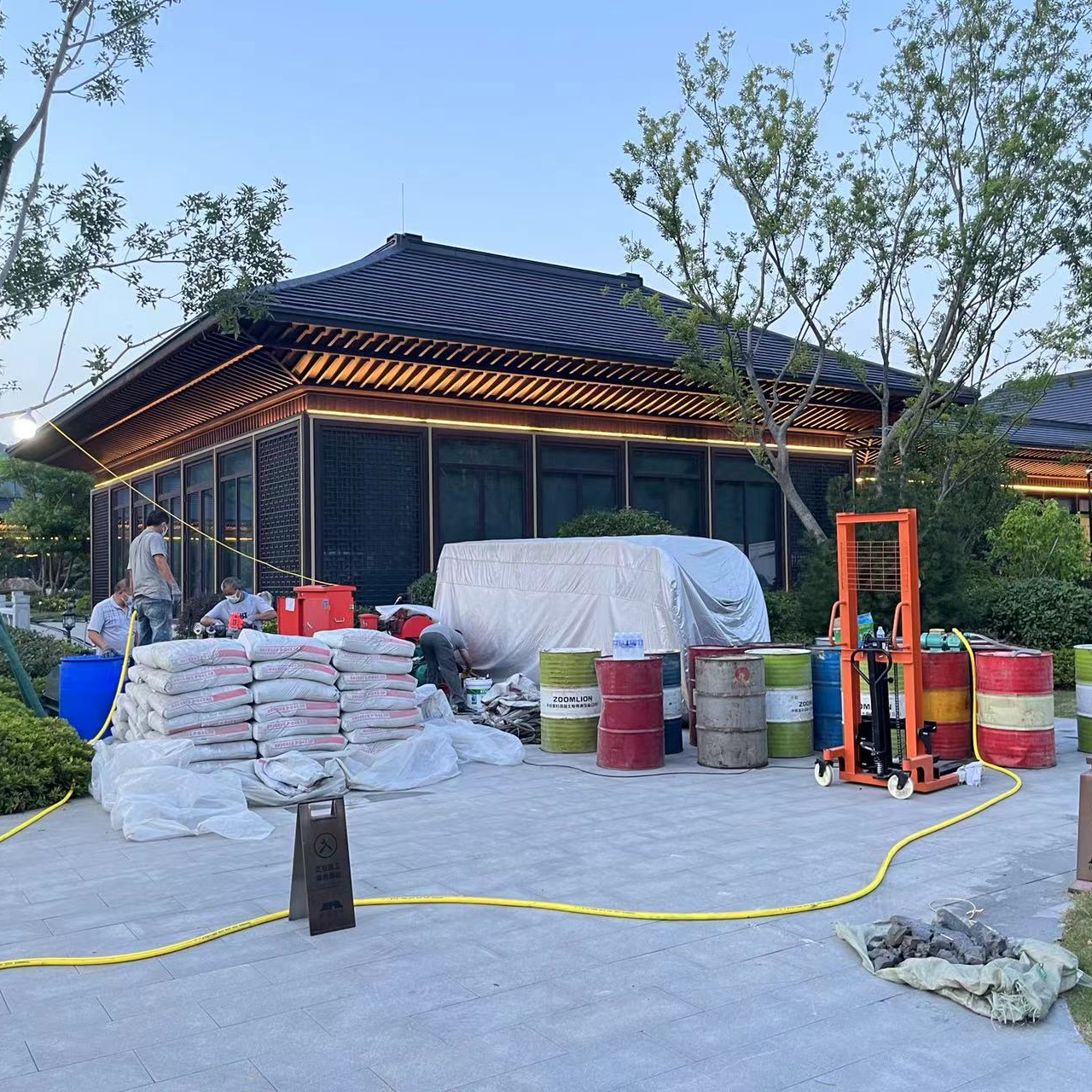
Grouting construction preparation:
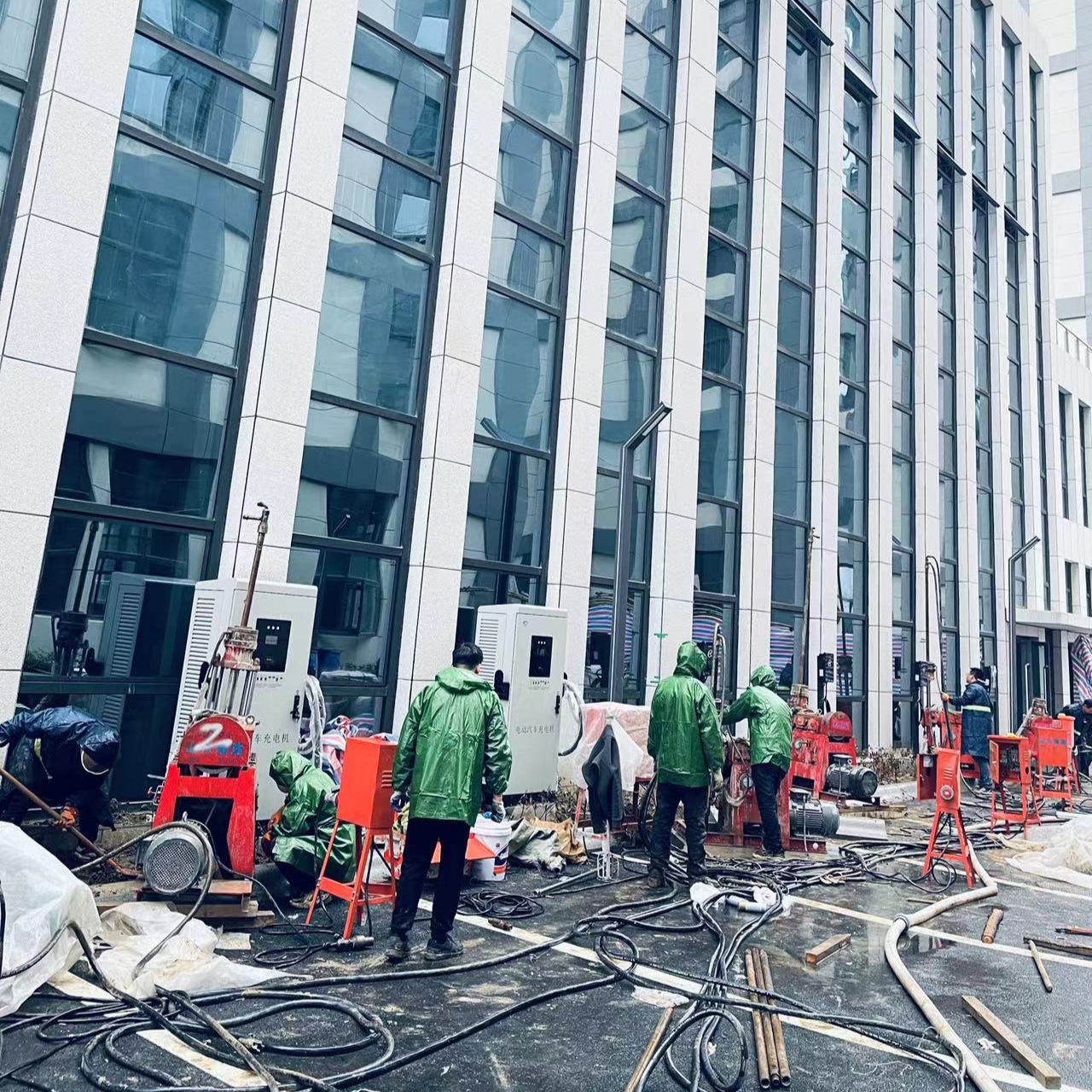
Determine the location and spacing of the grouting holes to ensure they cover the entire settlement area.
Clear away debris and dust around the injection hole to ensure unobstructed flow through the hole.
Grouting construction:
The specialized slurry is injected into the grouting holes using high-pressure grouting equipment.
Control the grouting pressure and volume to prevent excessive pressure on the foundation that may cause damage.
During the grouting process, close attention must be paid to the grout spread, ensuring that the grout fully fills the voids and cracks in the foundation.
Subsequent Processing and Monitoring:
After grouting, seal the grouting holes.
Monitor settlement areas for settlement measurement, and evaluate the grouting reinforcement effect.
Based on monitoring results, additional grouting or other reinforcement measures may be taken if necessary.