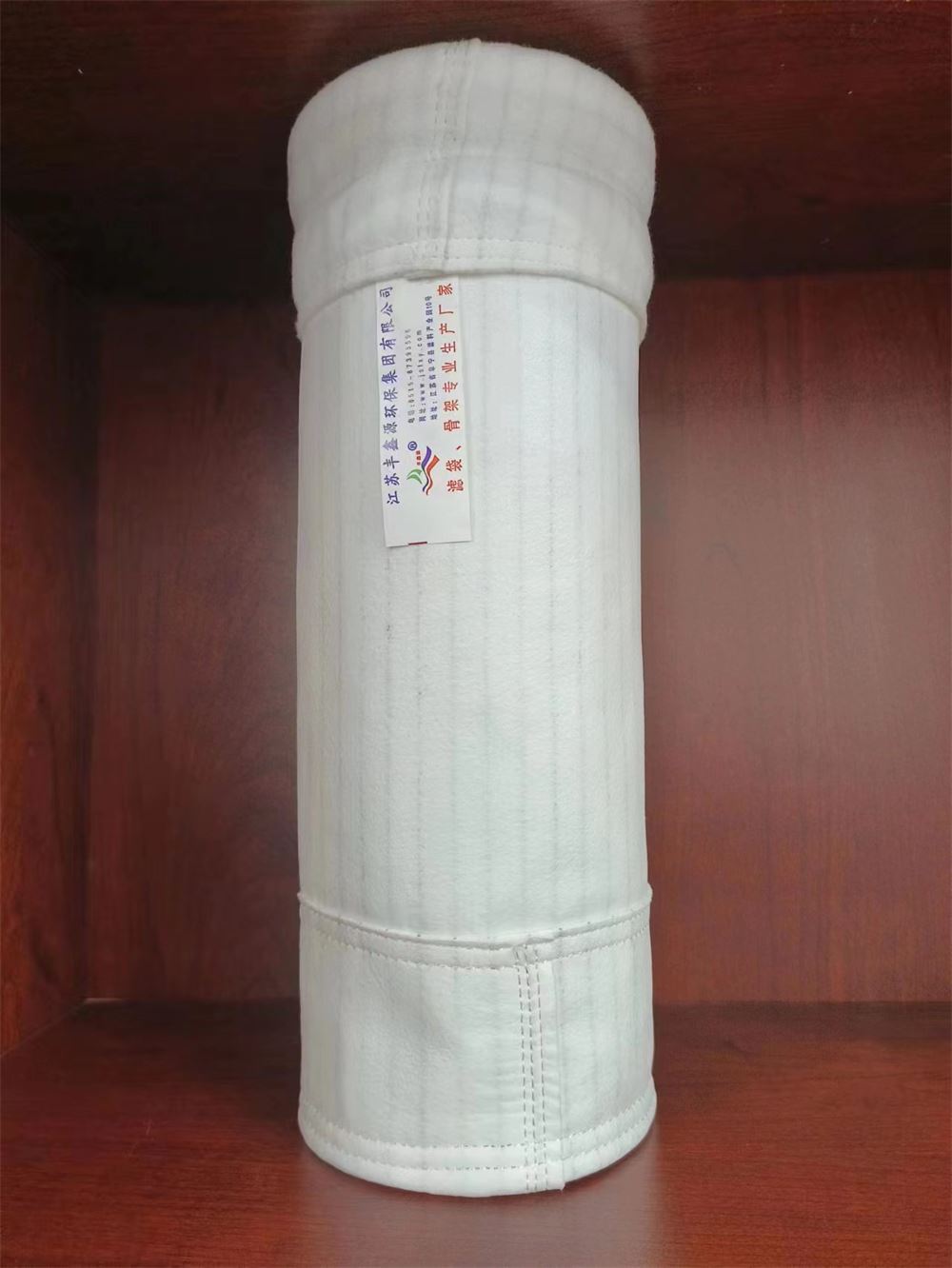
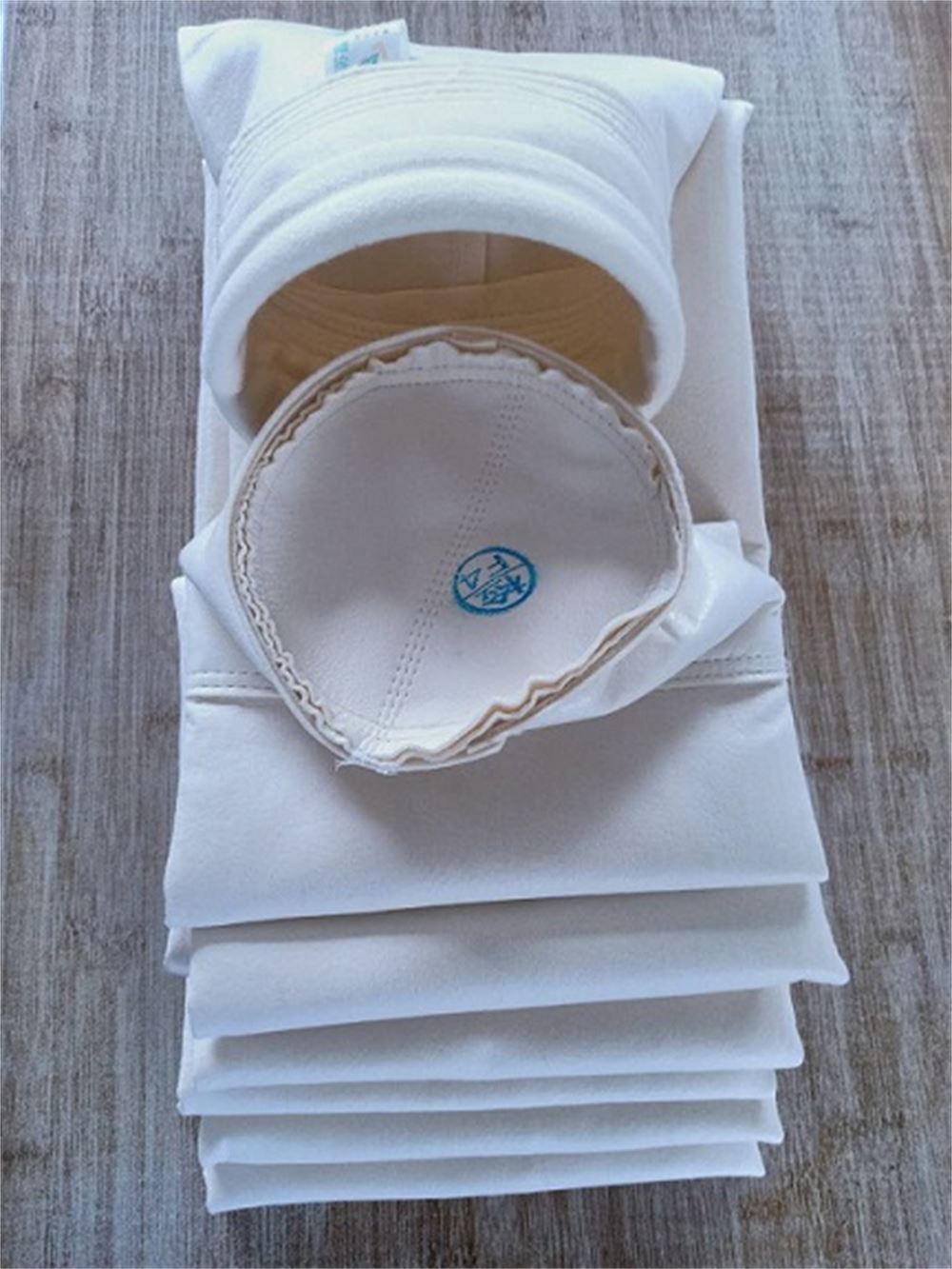
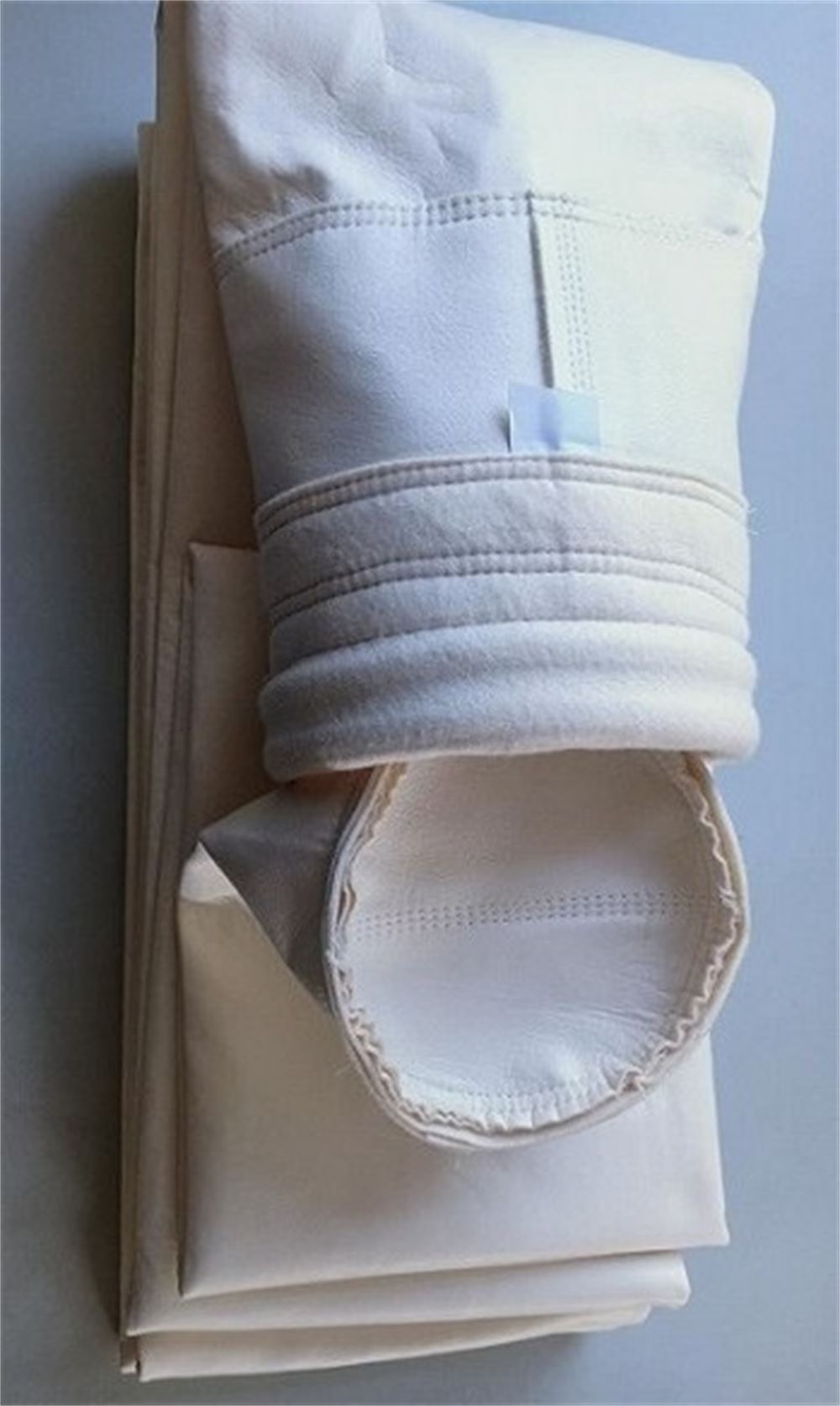
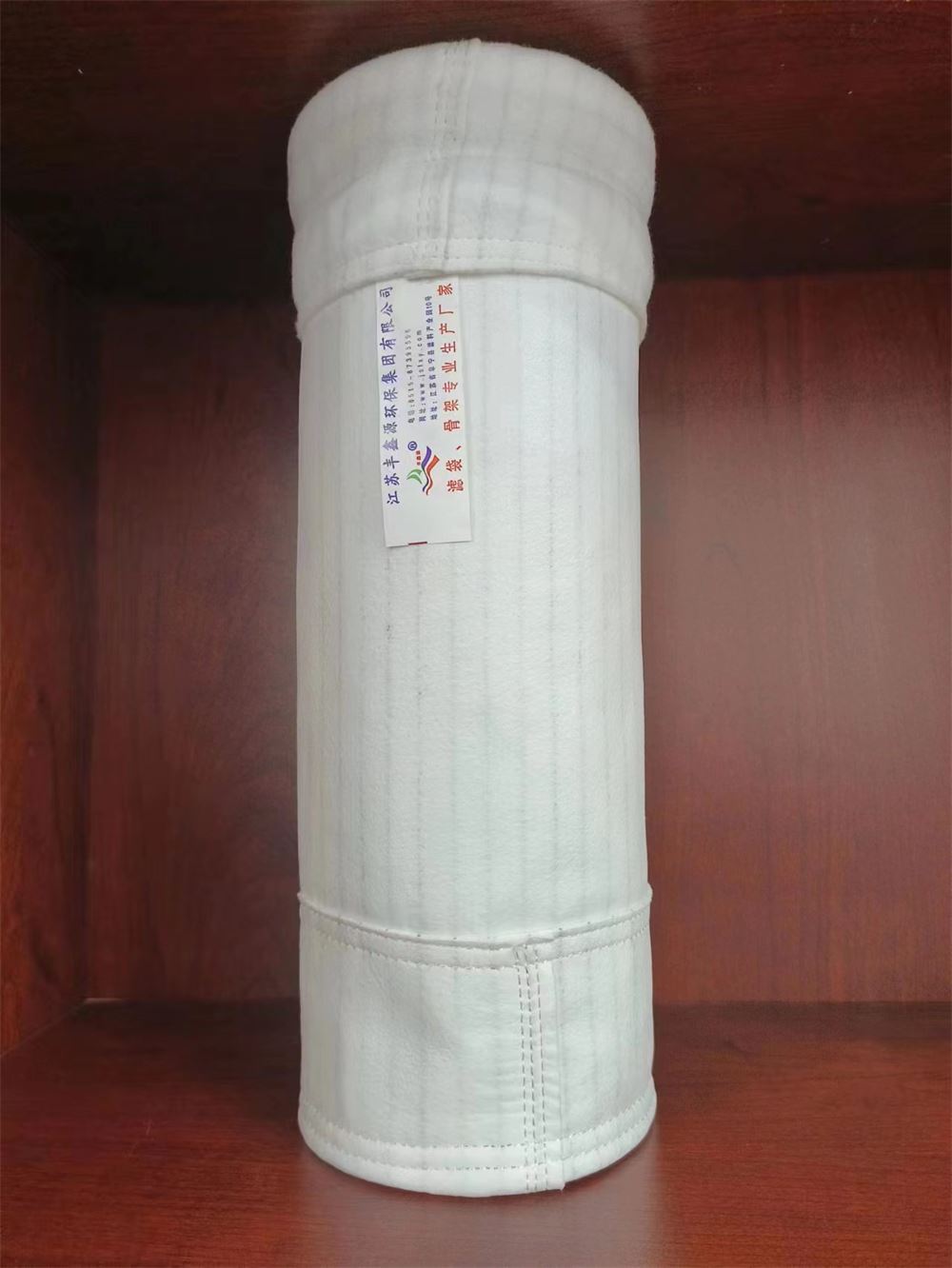
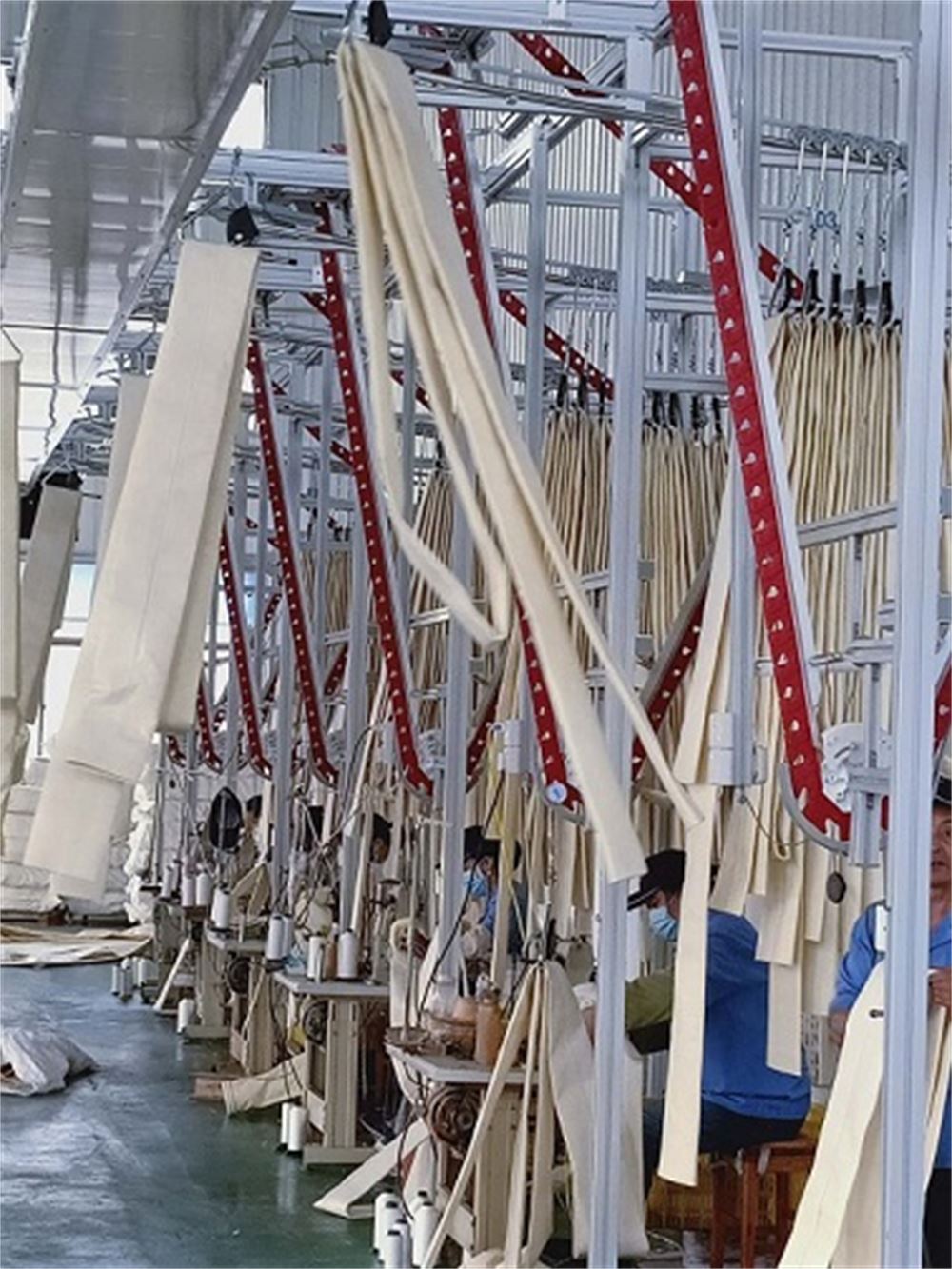
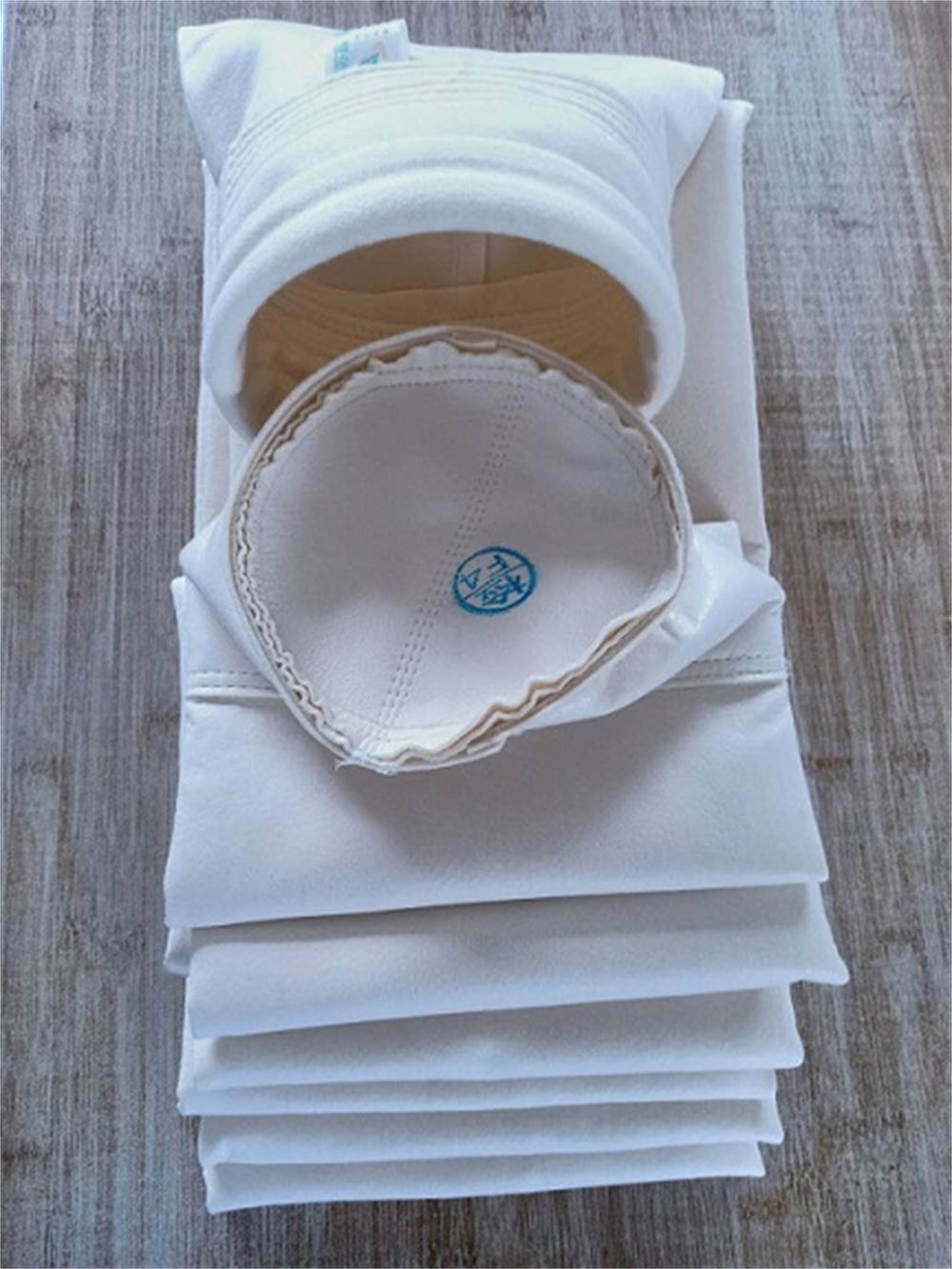
PPS bags are high-performance dust filter bags made primarily from polyphenylene sulfide (PPS) fibers. Due to their excellent resistance to high temperatures, corrosion, high filtration accuracy, and good cleaning performance, they are widely used in various industrial fields. In high-temperature flue gas emission environments such as coal-fired power plants, waste incineration plants, steel mills, and cement factories, PPS bags can effectively capture dust particles, meet stringent environmental emission standards, and are particularly suitable for complex operating conditions containing acidic gases (such as SO2, SO3) and alkaline dust. Additionally, PPS bags can be used in flue gas purification systems in industries such as chemicals, metallurgy, and coking, ensuring equipment stability and extending service life. They are one of the key materials for achieving industrial dust emission standards.
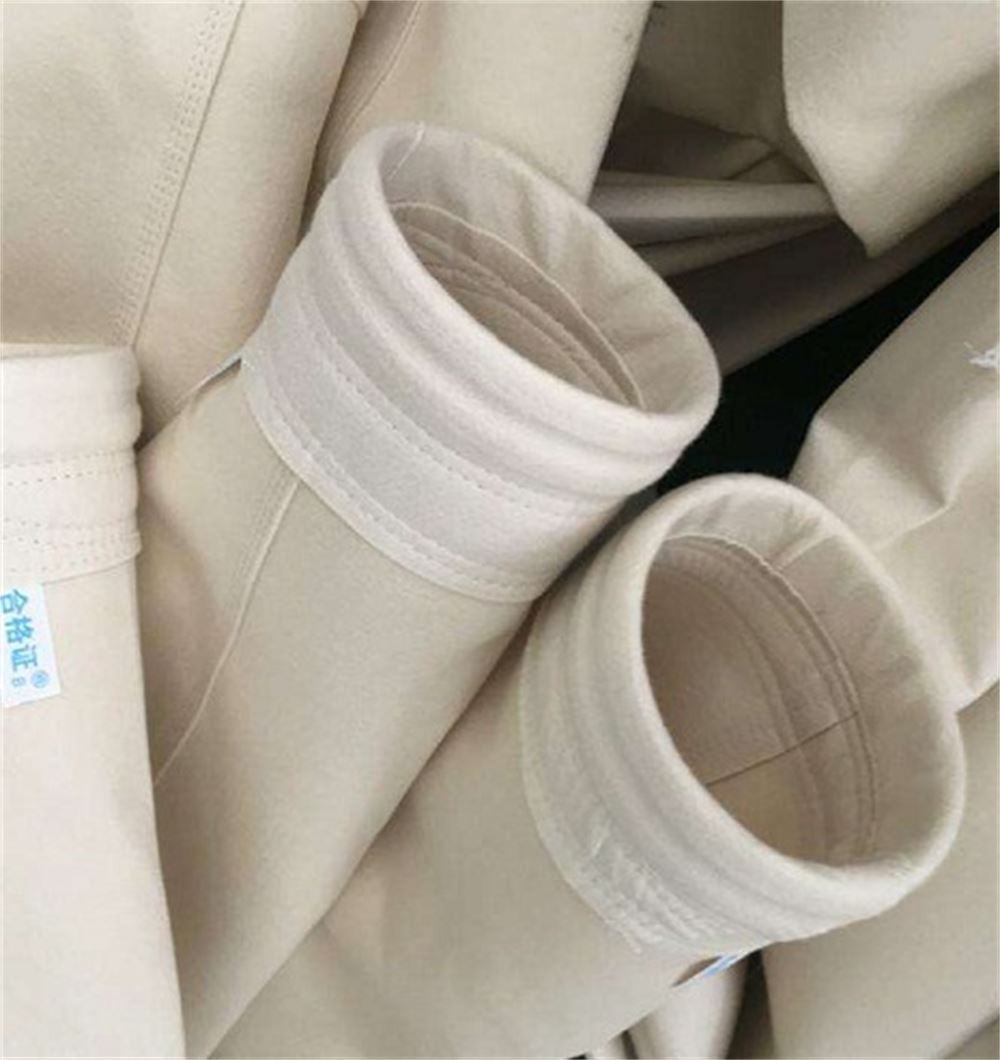
Manufacturers of coated PPS filter bags typically follow the following production process:
Fiber Selection: Choose ***PPS fiber to ensure the material's inherent temperature resistance and corrosion resistance.
(2) Needle Punched Technology: The base fabric is made by a needle punching machine, ensuring the filter bag's strength and breathability.
(3) Coating Treatment: Applies a PTFE (Polytetrafluoroethylene) microporous film to the base fabric surface, enhancing filtration efficiency and reducing dust adhesion.
(4) Sewing Process: Sewn with high-temperature-resistant thread to ensure that the filter bag does not unravel or deform in high-temperature environments.