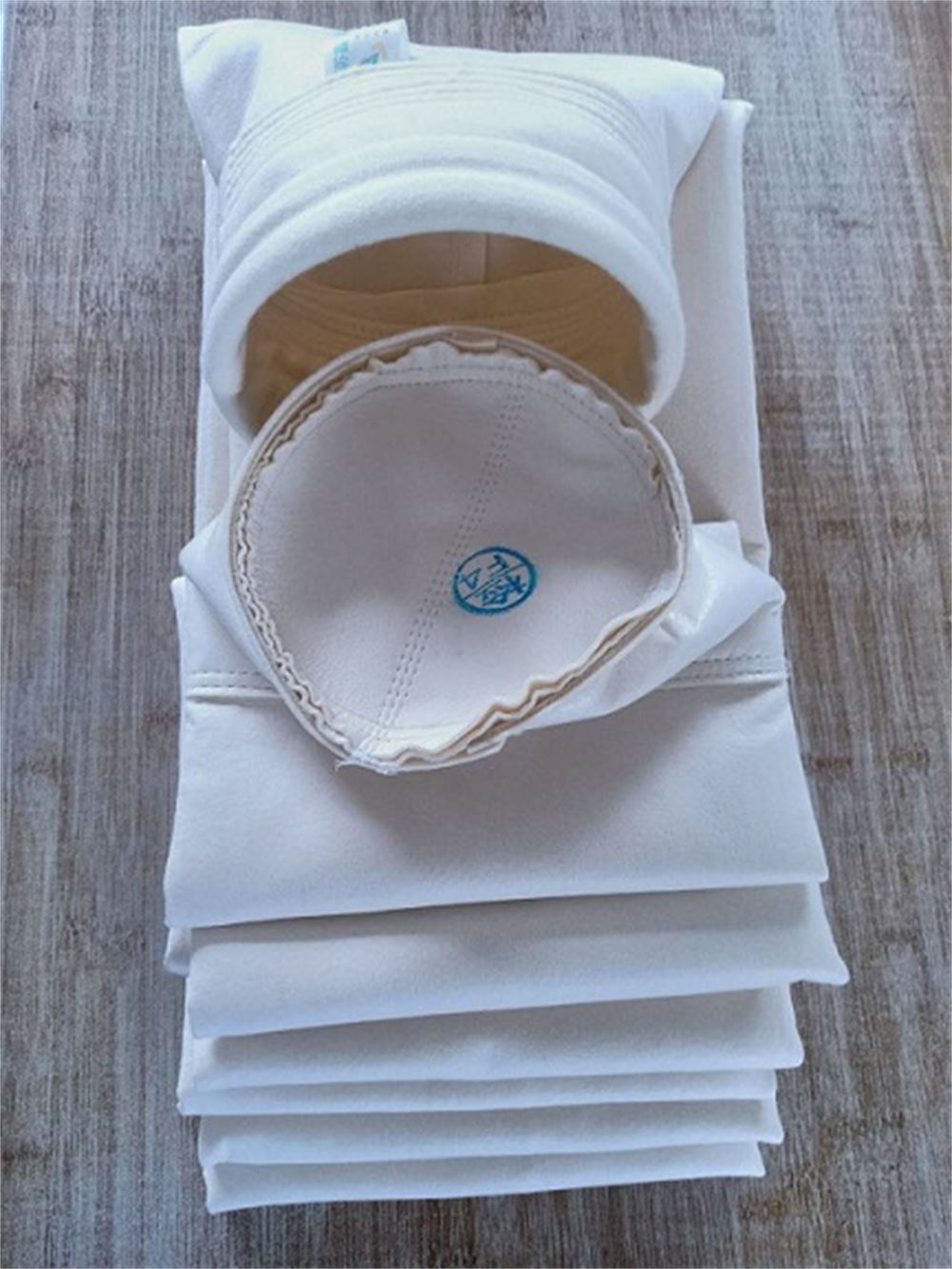
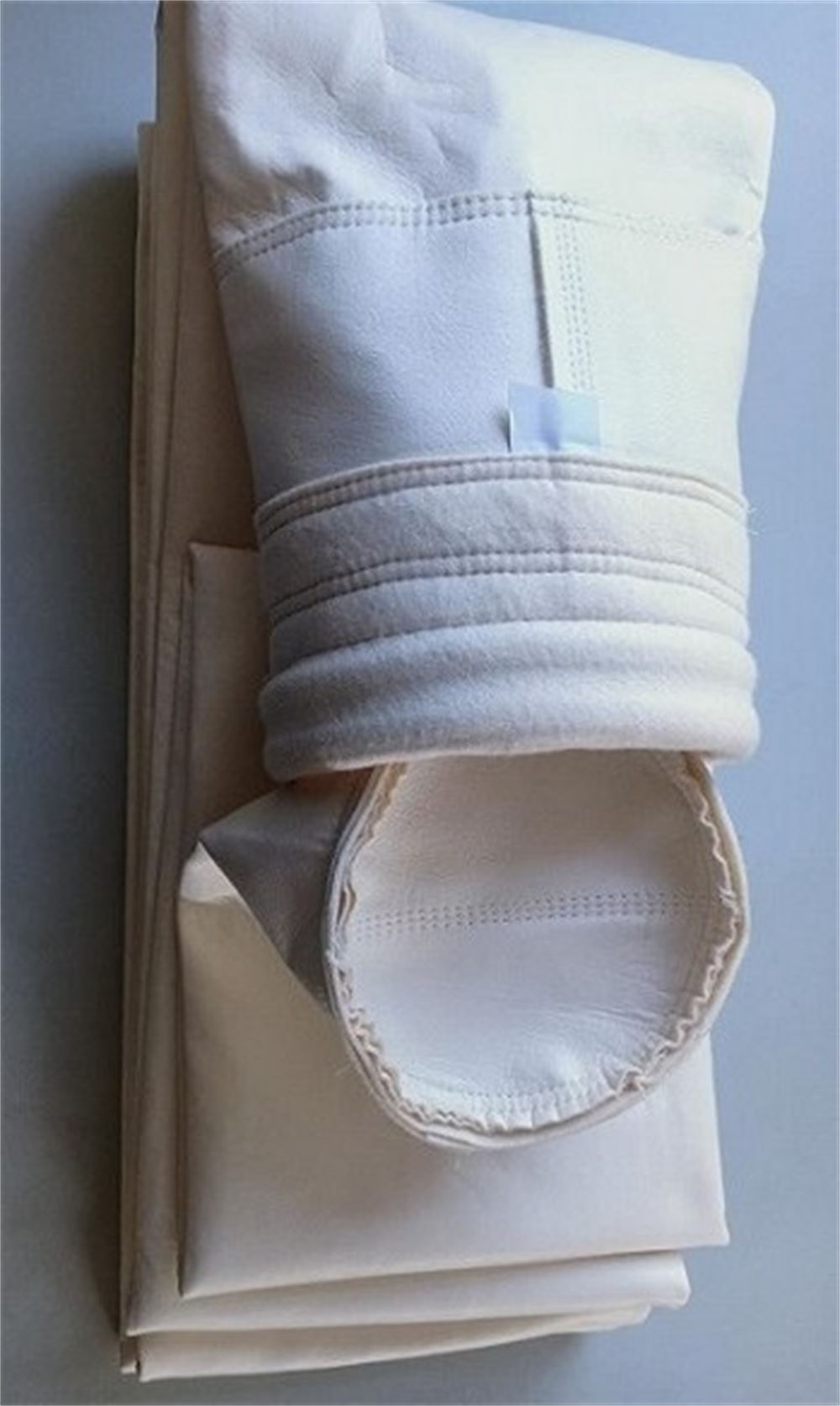
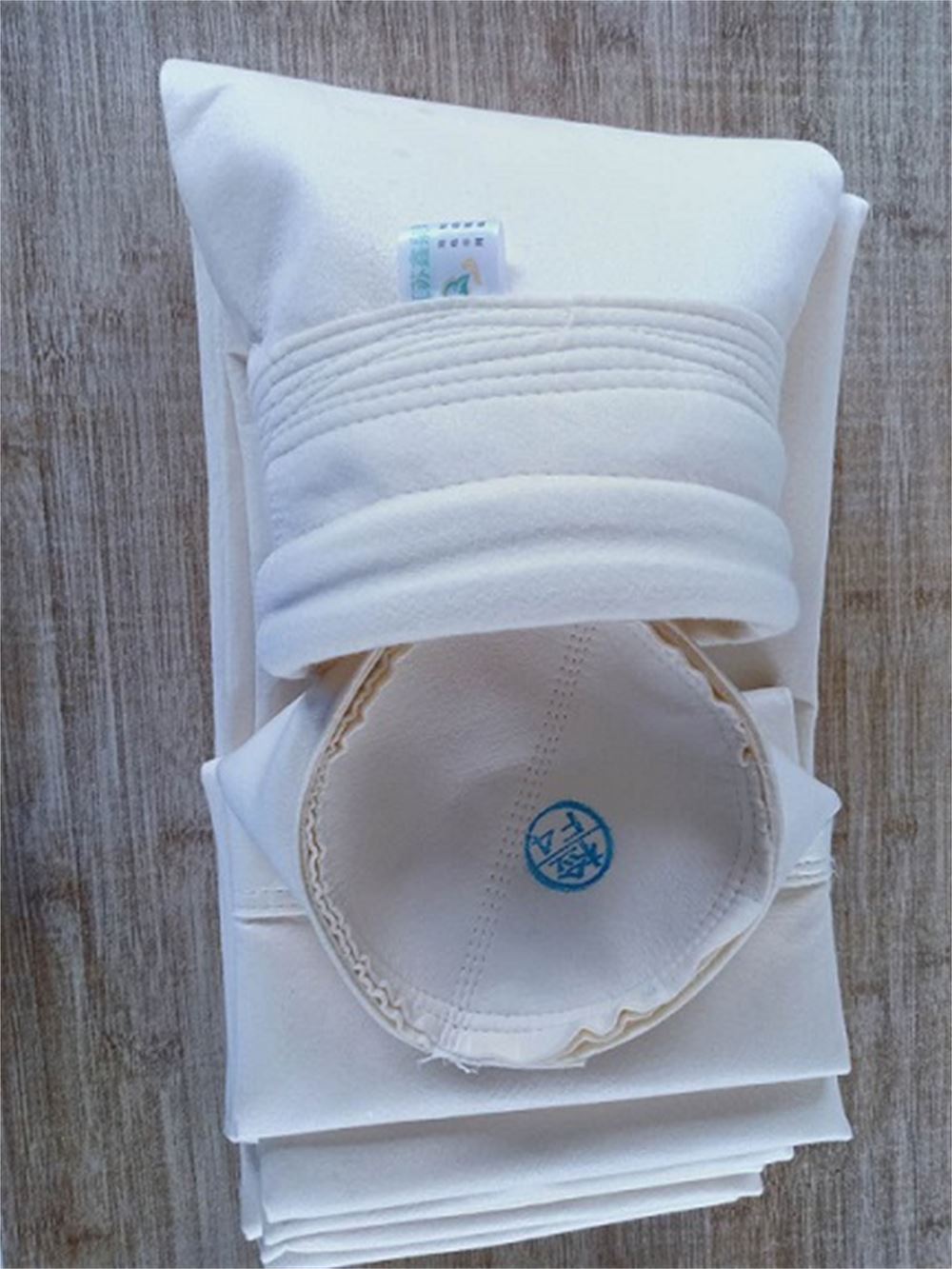
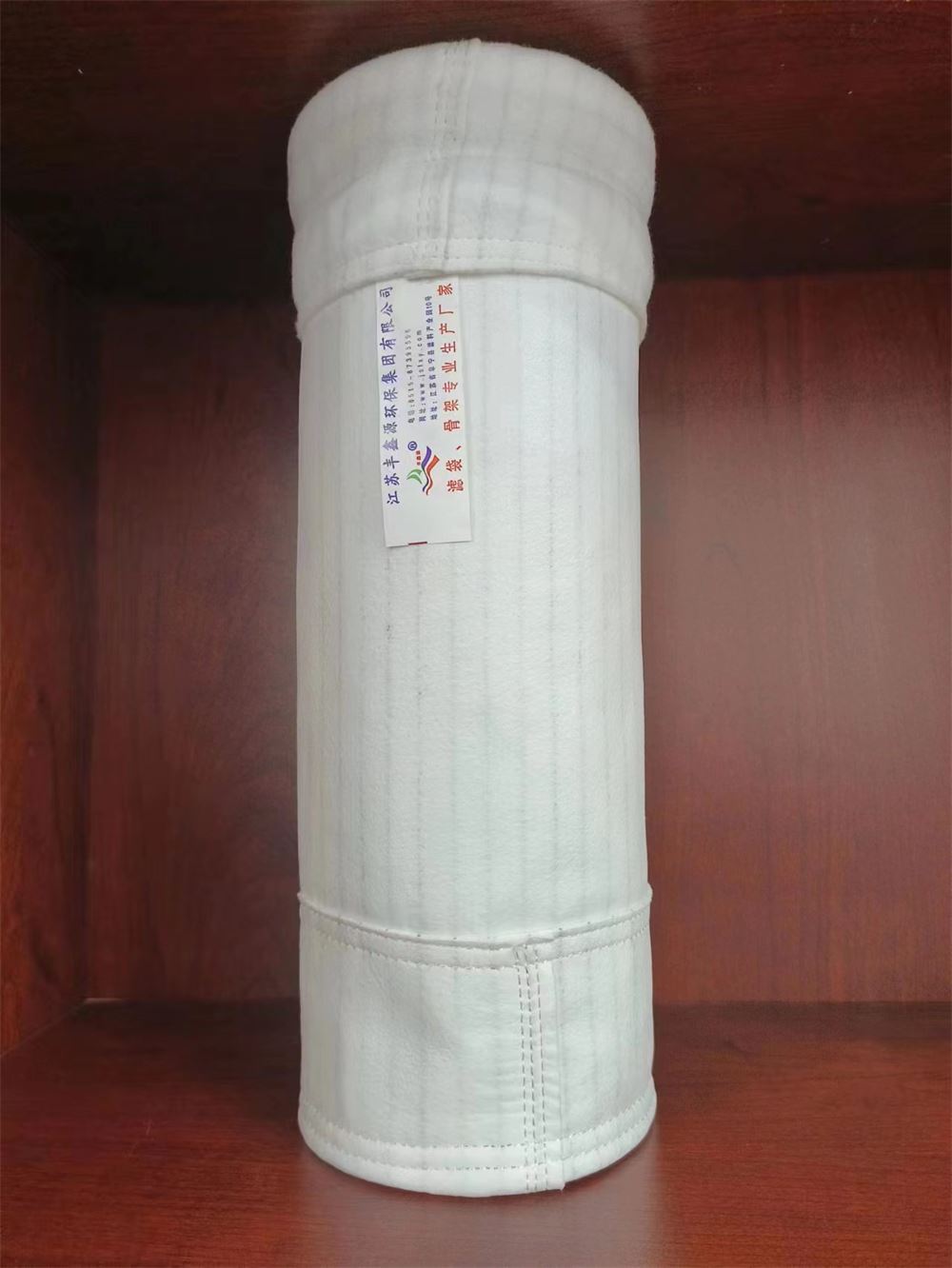
Chlorine and ammonia-containing exhaust gases from chemical reaction vessels are highly corrosive to filter materials. After being impregnated with PTFE emulsion, PPS fabric forms a dense protective film on the fiber surface, maintaining a strength retention rate of over 85% after 48 hours of alternating aging. Its flame retardancy index reaches UL94 V0 level, with an oxygen index of 34%, and it does not ignite even when exposed to high-concentration organic solvent sparks. The coated surface resistance is reduced to 10?Ω, effectively preventing static accumulation and ensuring safe operation of flammable dust conditions. Continuous operation for two years without replacement provides the company with a safe, stable, and cost-effective exhaust gas treatment solution.
Manufacturers of coated PPS filter bags typically follow the following production process:
Fiber Selection: Opt for ***PPS fiber to ensure the material's inherent temperature resistance and corrosion resistance.
(2) Needle Picking Technique: Fabricates the base fabric by using a needle-picking machine, ensuring the filter bag's strength and breathability.
(3) Coating Treatment: Apply a PTFE (polytetrafluoroethylene) microporous membrane to the base fabric surface to enhance filtration efficiency and reduce dust adhesion.
(4) Sewing Process: Utilizes high-temperature-resistant thread for stitching to ensure that the filter bag will not unravel or deform under high-temperature conditions.