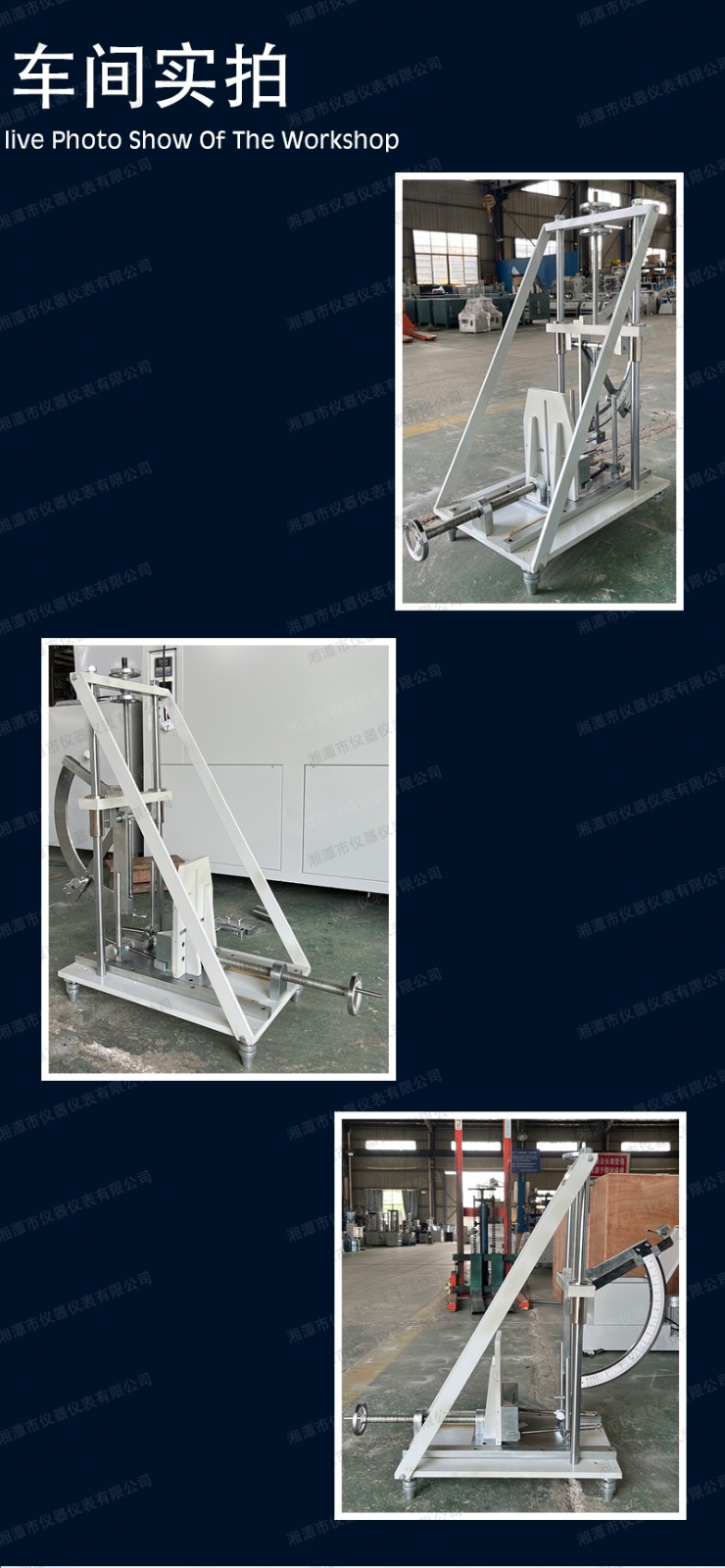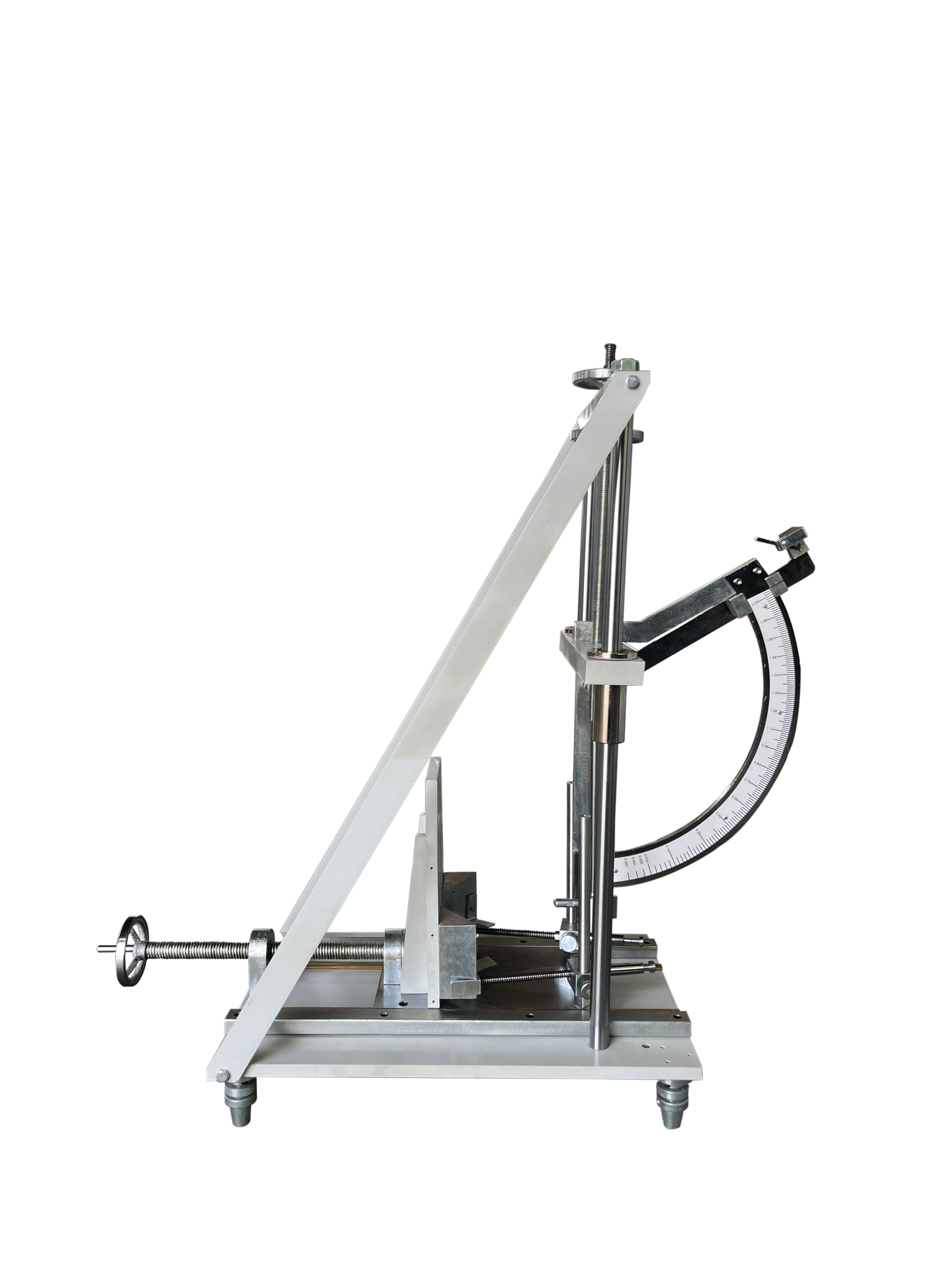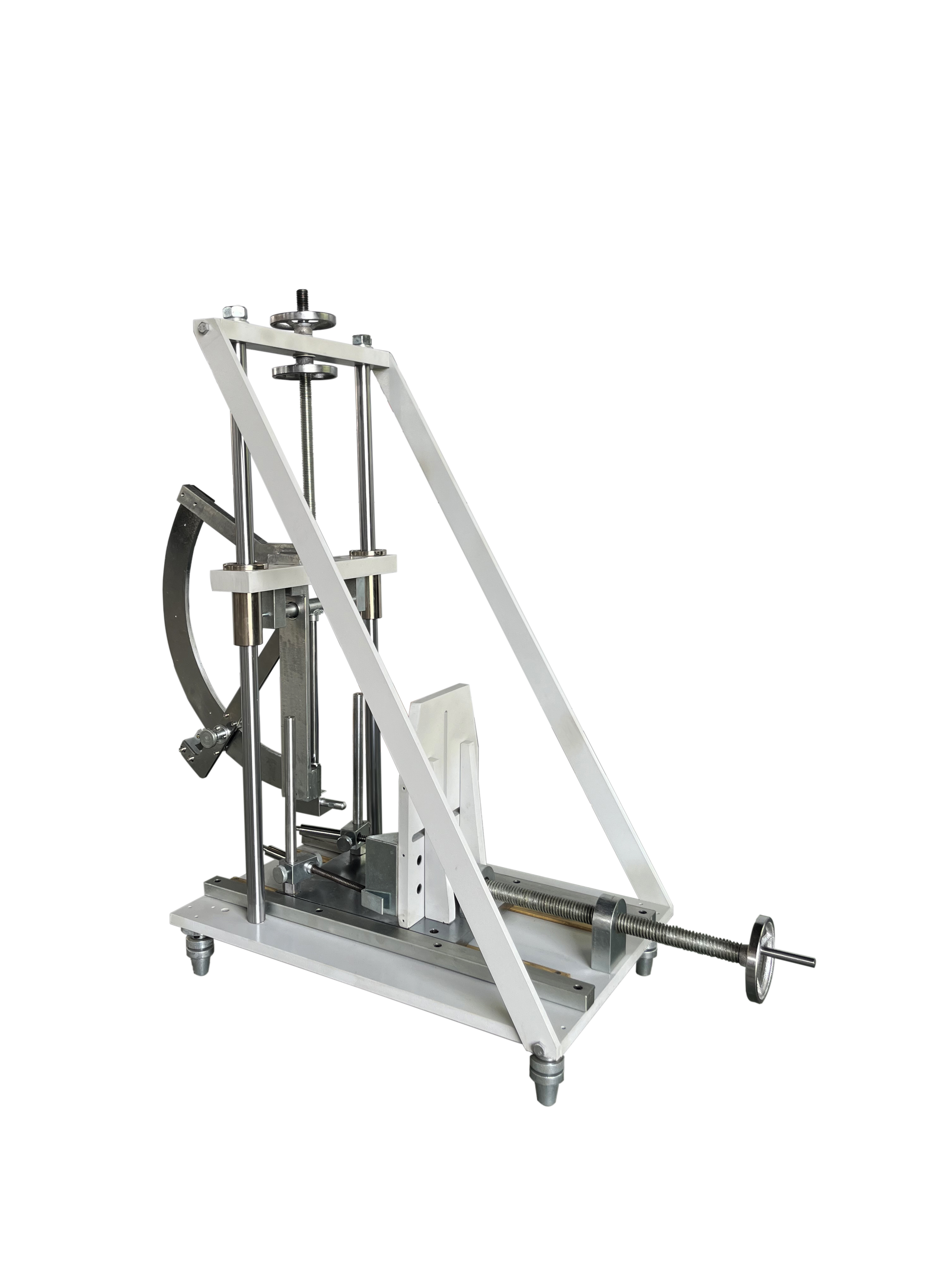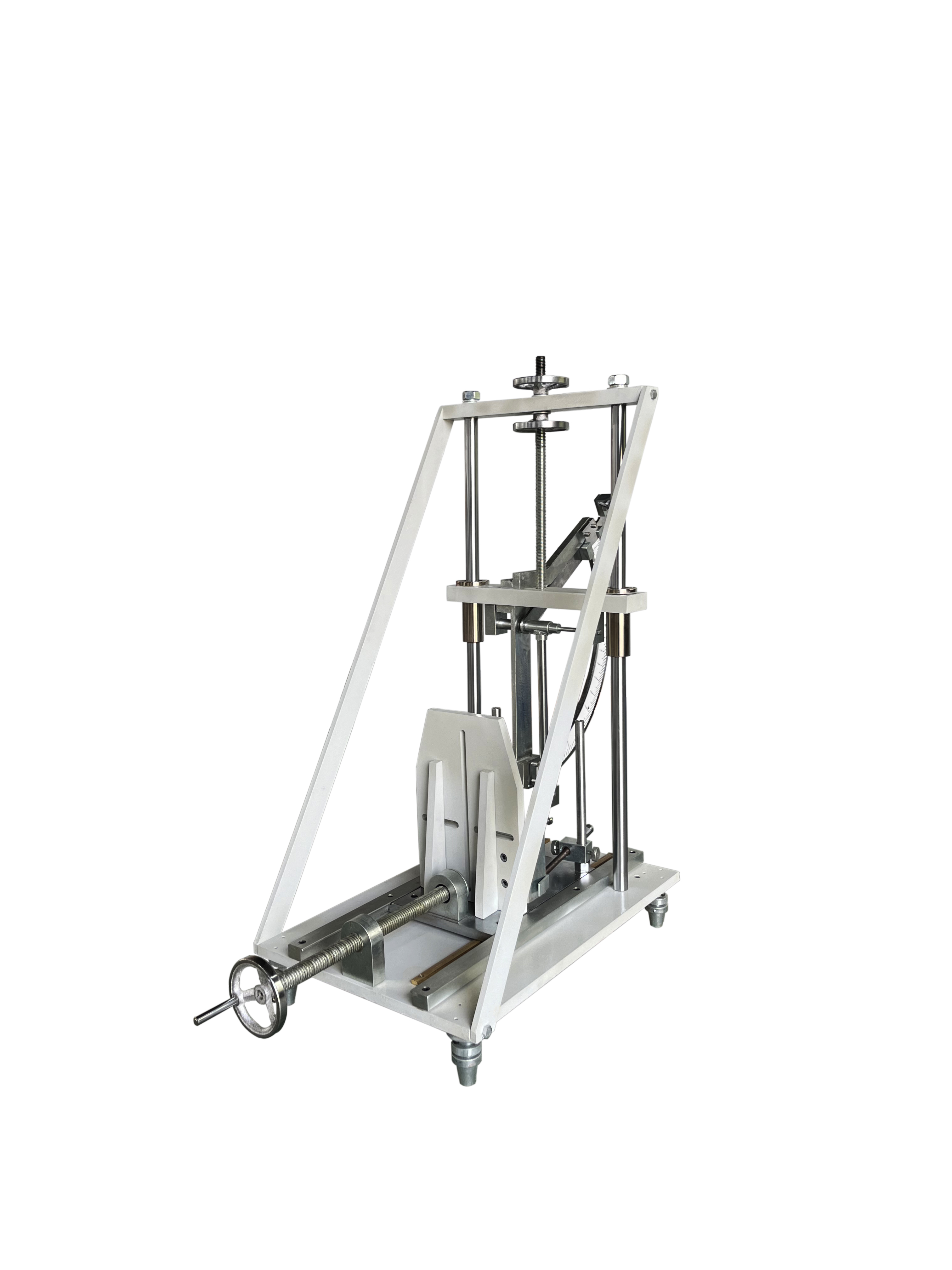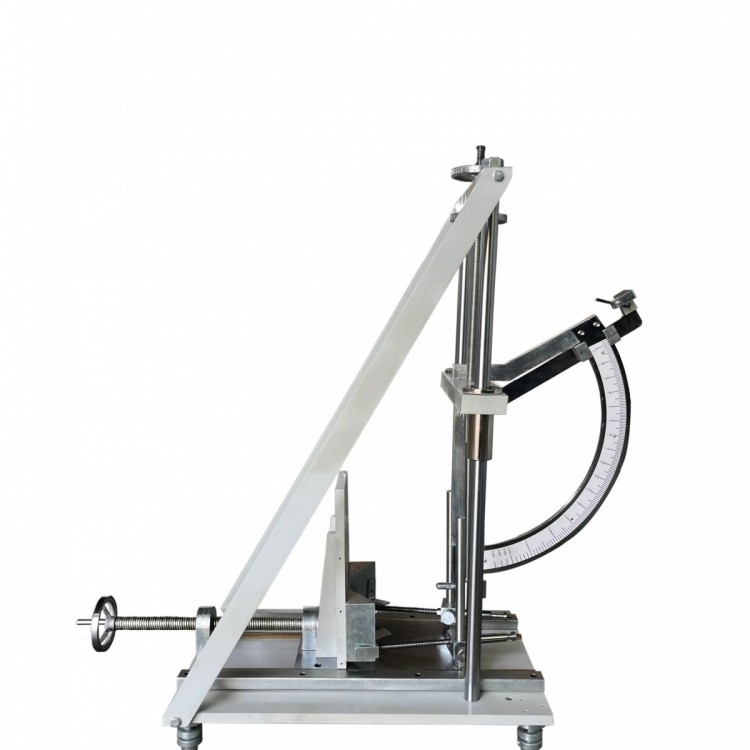

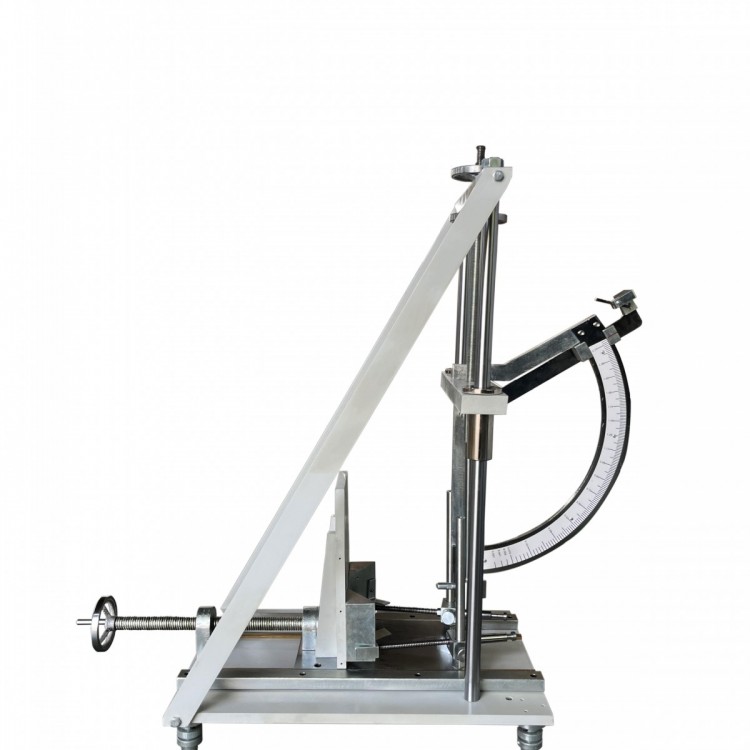
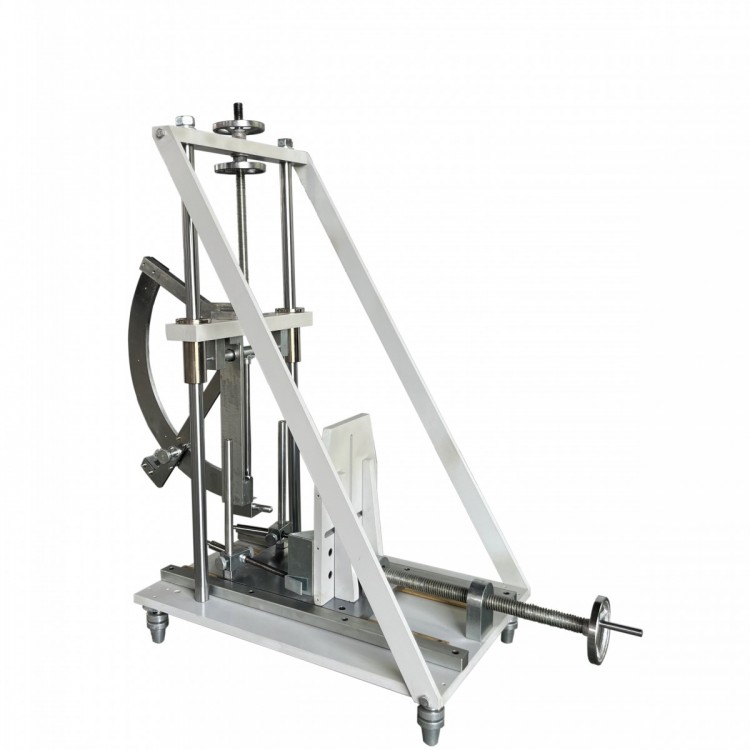
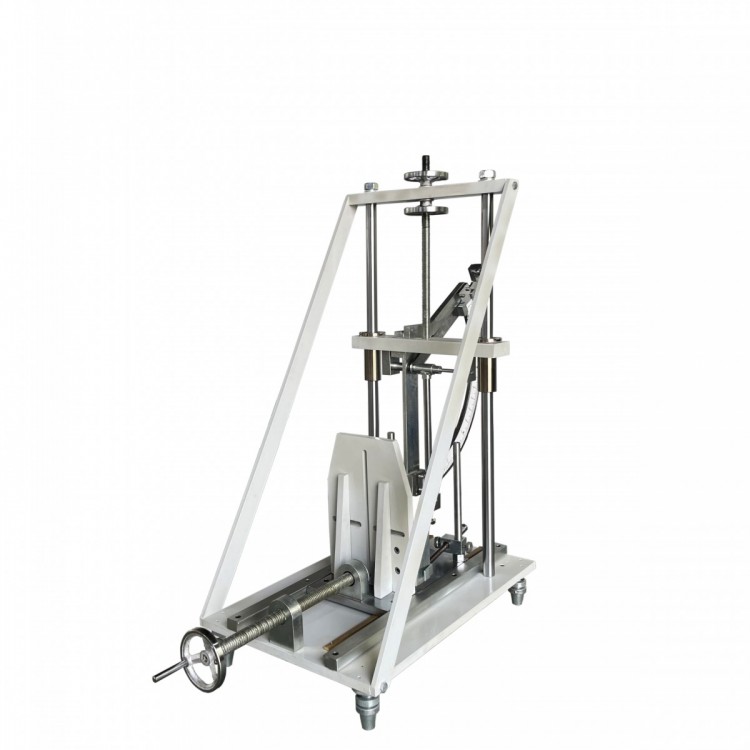







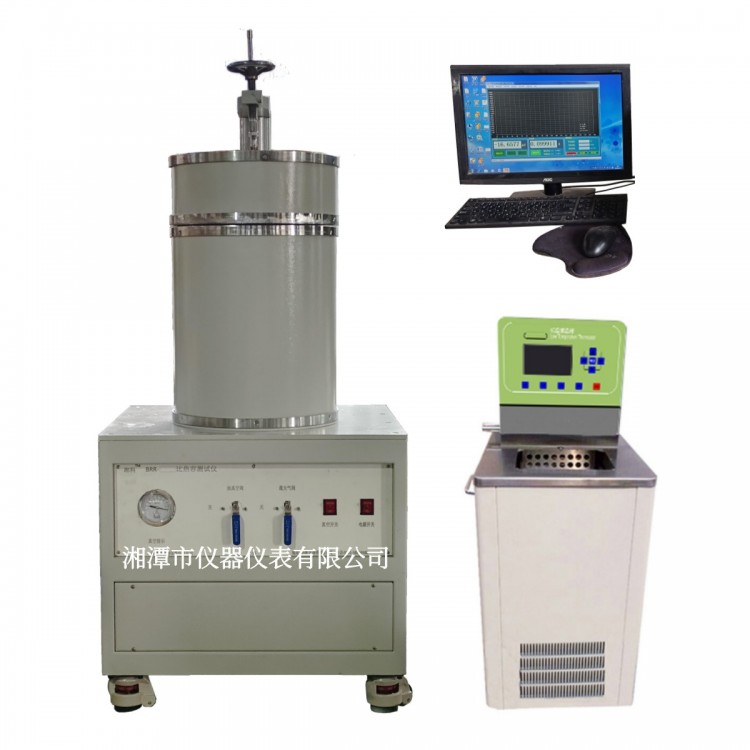
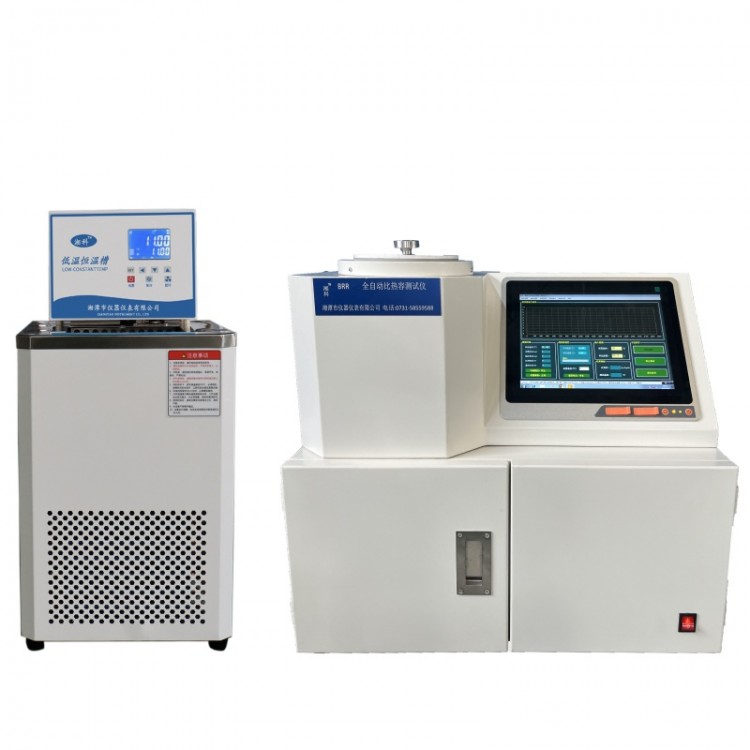
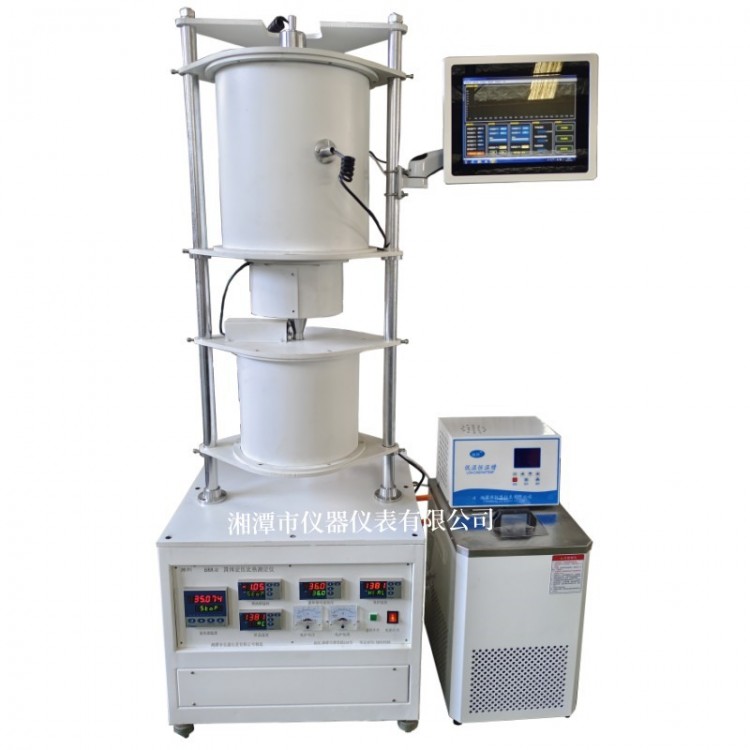

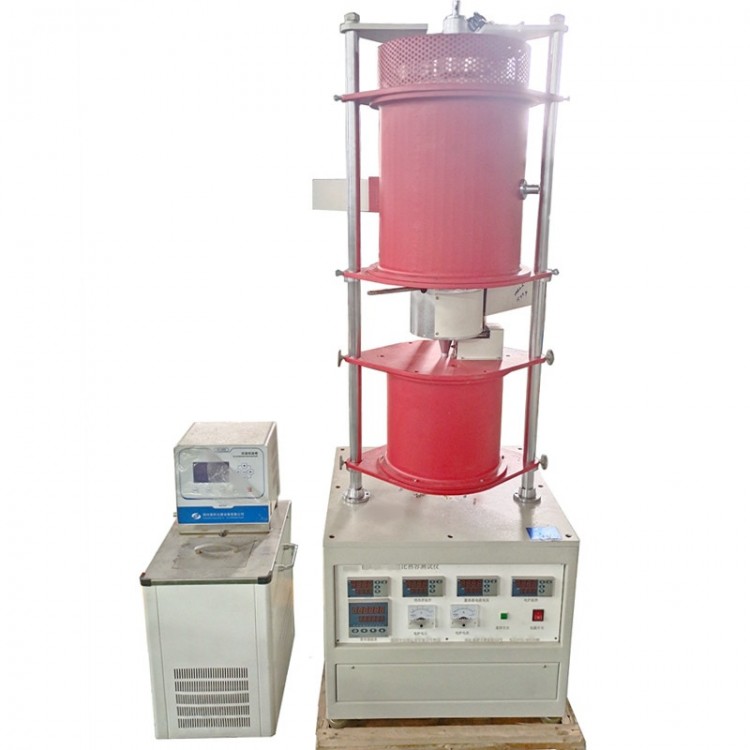
Xiangtan Xiangke YCJ-lI Daily-use Ceramic Impact Tester, pendulum-type impact tester
Today's ceramic impact tester is used for impact tests on the center of flat tableware and concave containers, as well as on the edges of concave containers. The破碎 test on the edges of flat tableware can be conducted on both glazed and unglazed samples. The impact tests at the center are for measuring: 1. The energy of the first strike that initiates a crack. 2. The energy required for complete breakage.
Reference Standards: GB/T4742 Method for Determining Impact Resistance of Daily-use Porcelain, QB/T1993-2012 Test Method for Impact Resistance of Porcelain Articles, and ASTM C368 Test Method for Impact Resistance of Porcelain Articles.
Impact Resistance Test Instrument for Daily-use Porcelain - Main Technical Parameters
Maximum Impact Energy: 2.1 Joules
2. Minimum graduation value of scale disk: 0.014 joules.
3. Maximum swing angle of the pendulum: 120 degrees.
4. Distance from center of pivot to impact point: 300mm
5. Maximum升降Distance of Workbench: 120mm
6. Maximum longitudinal return travel of worktable: 210mm
7. Sample Specifications: Diameter not exceeding 300mm, height not exceeding 300mm; flatware, bowls, and cups are all detectable.
8. Net Weight of Test Machine: 95 kg
9. Sample machine dimensions: 750×400×1000mm
10. Impact test on the concave edge of the container: Start with an impact of 0.027J, increasing the energy by 0.014J each time.
11. Edge Fragmentation Test for Flatware: ① Start with a 0.136J impact, then increase by 0.027J incrementally. ② Begin with a 0.027J impact, increasing the energy by 0.014J each time.
12. Impact test sequence for flatware (forks, spoons, etc.): Begin with a 0.027J impact, increasing the energy by 0.014J until the sample first breaks, then increase the energy by 0.028J until the test fails.
Configuration:
One YCJ-II shock tester unit, one set of sample holding fixtures.