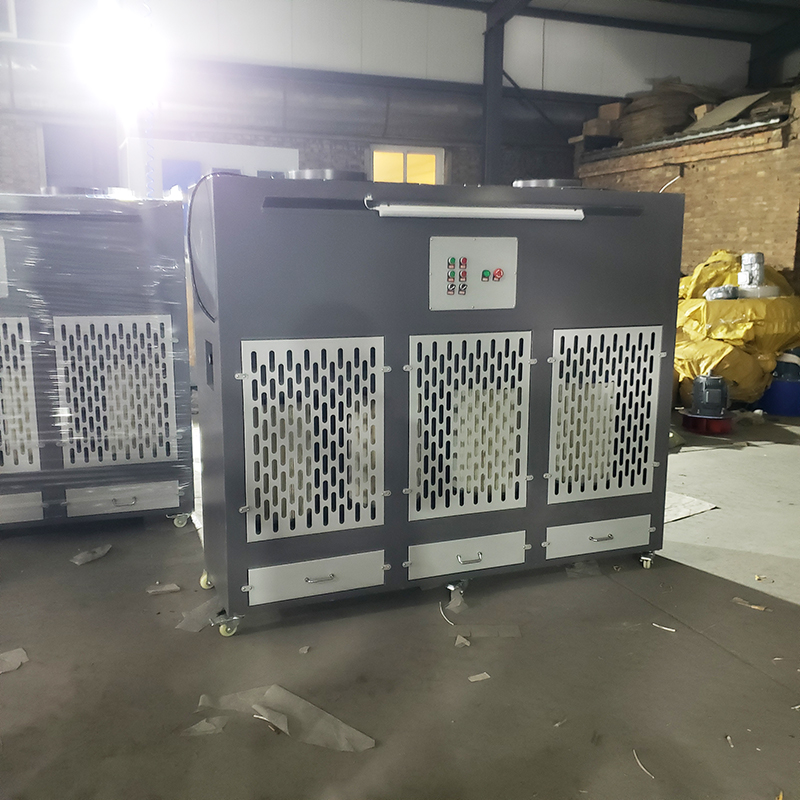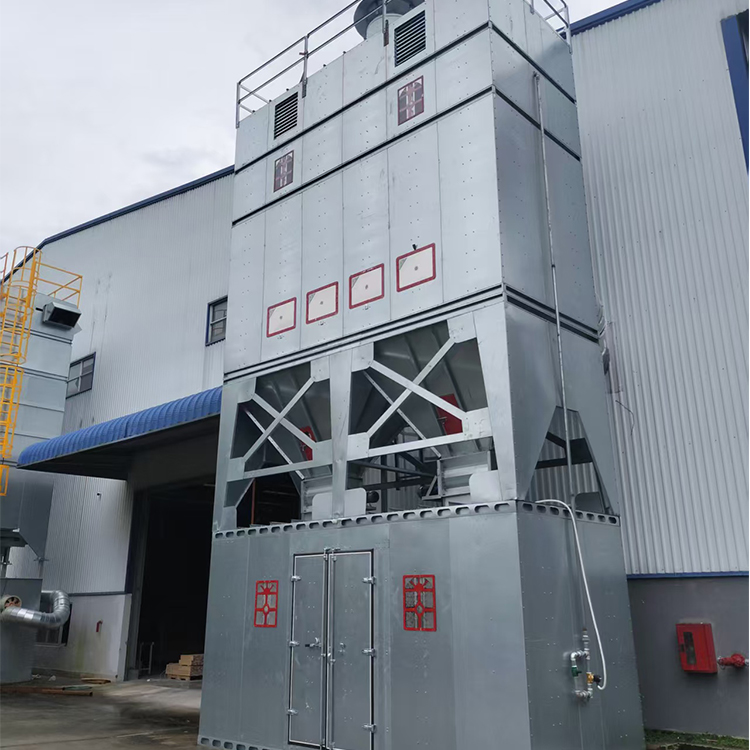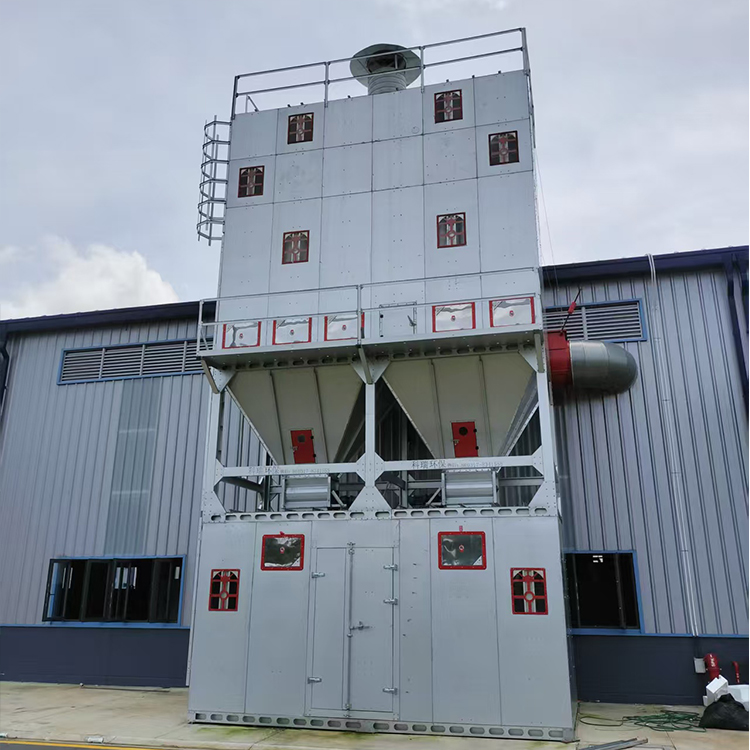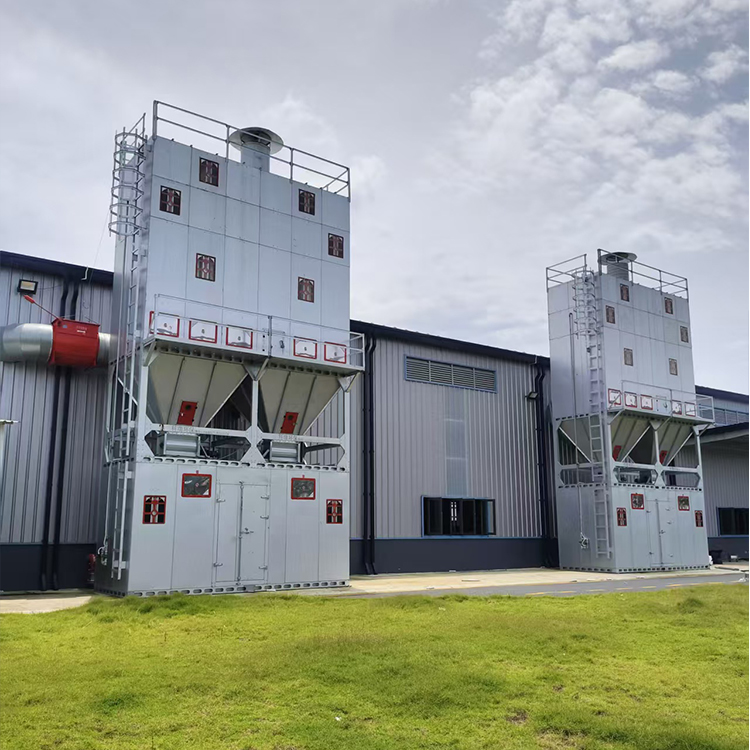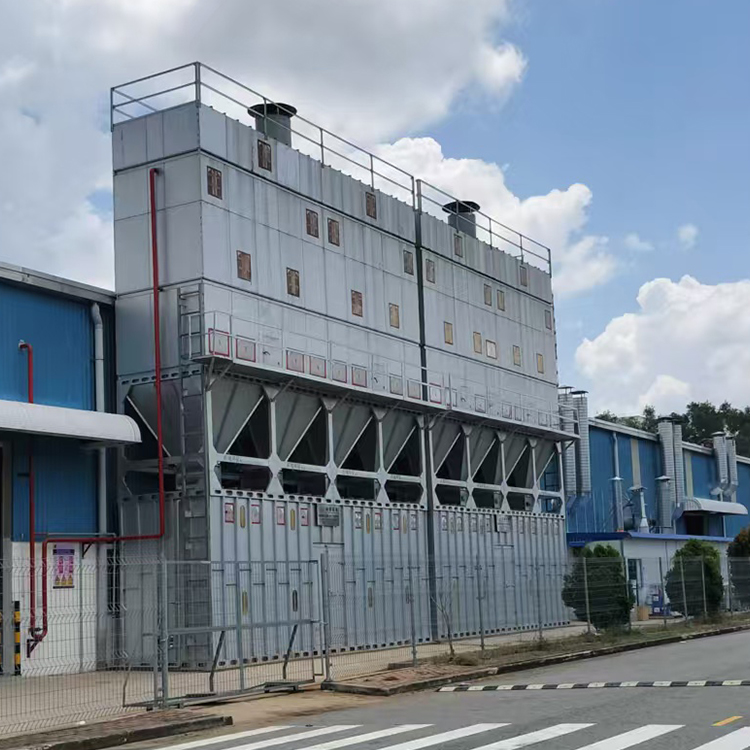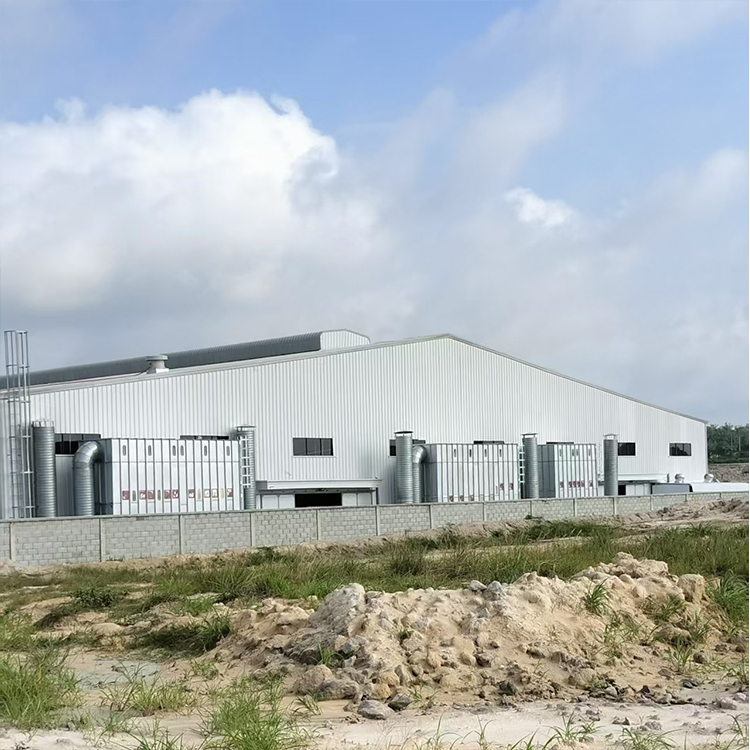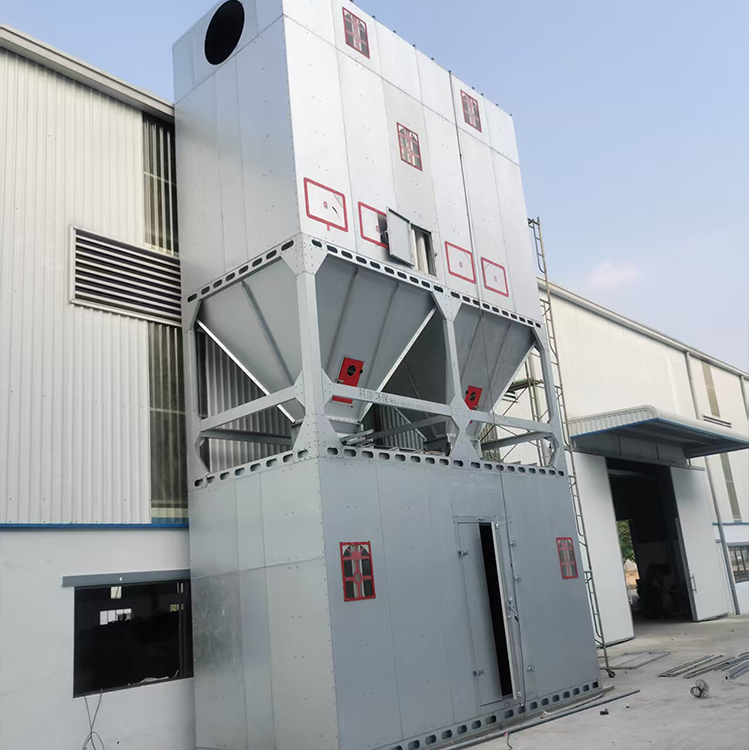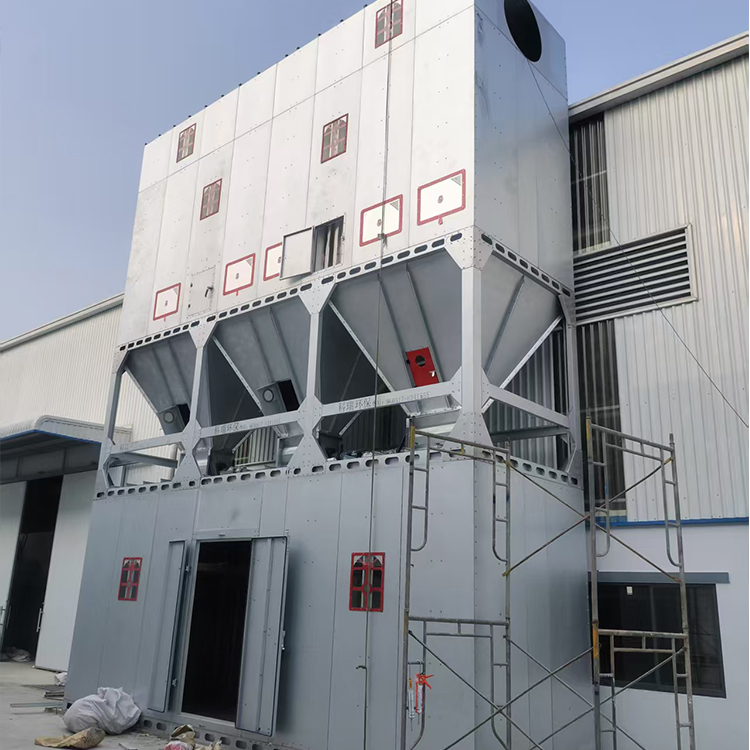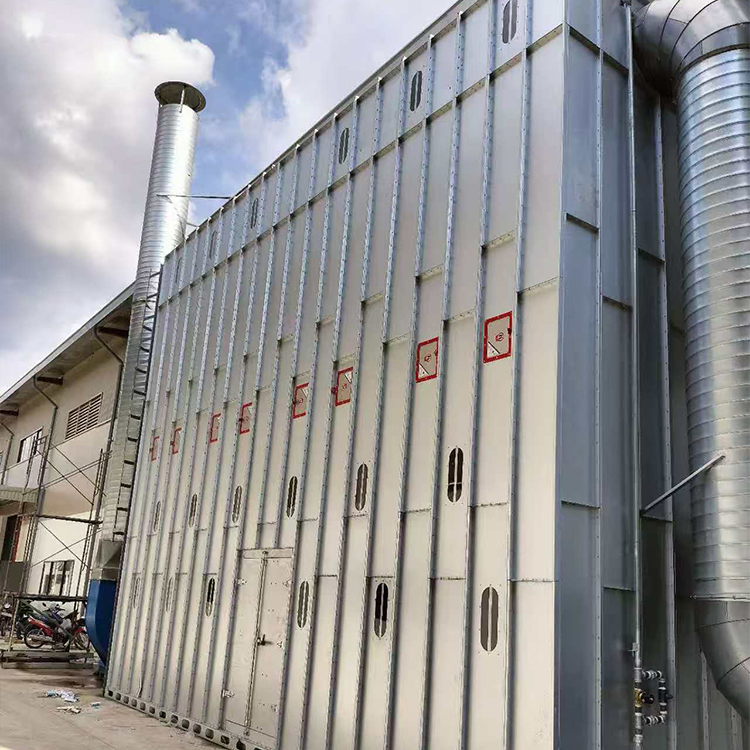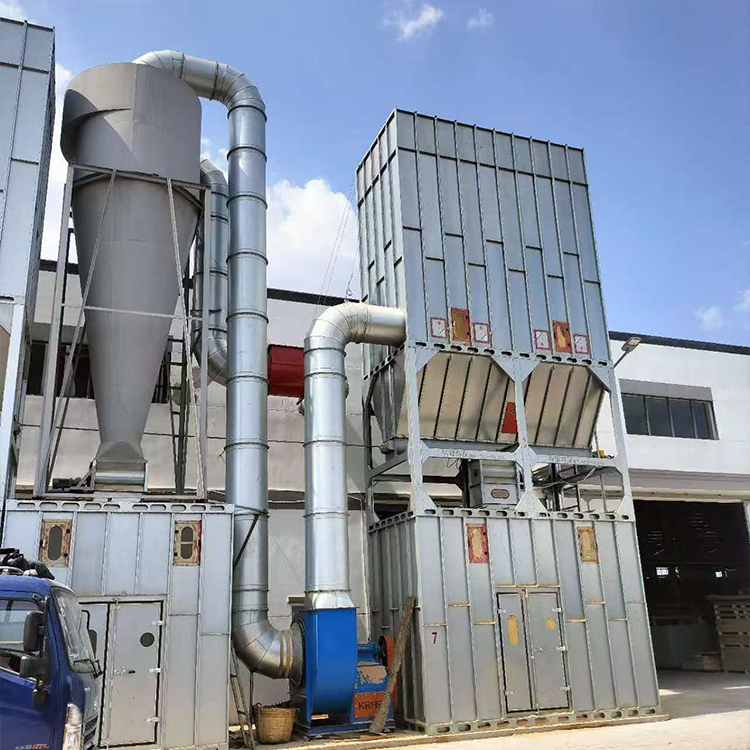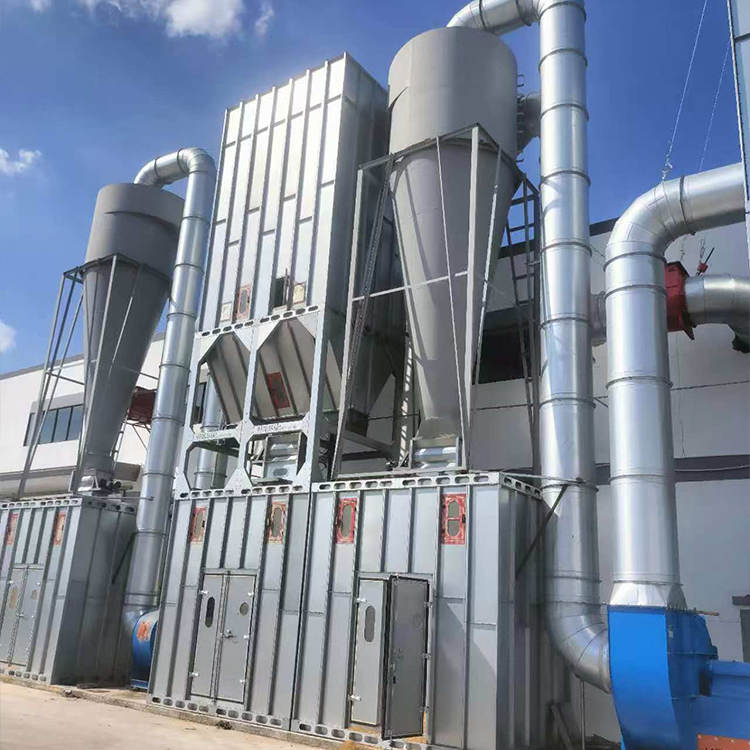

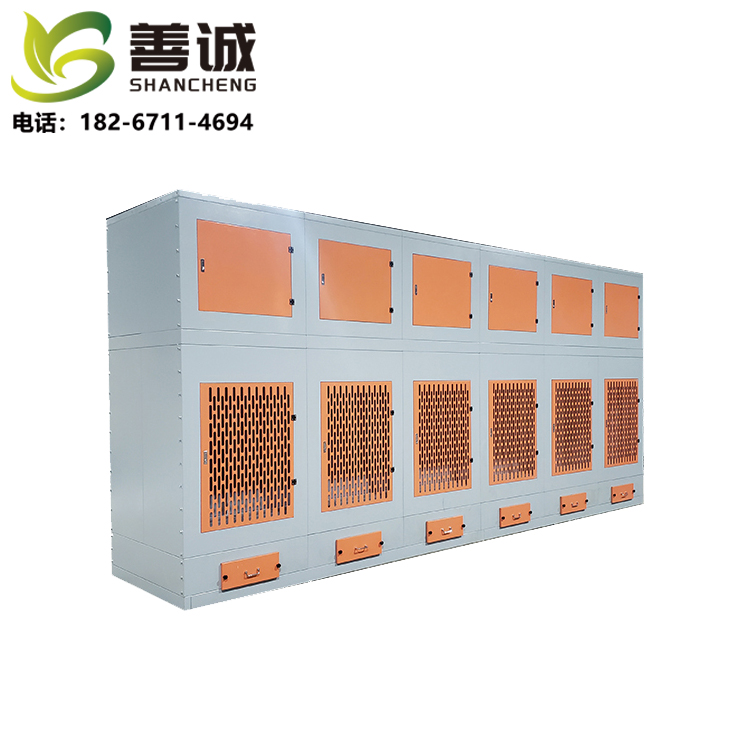


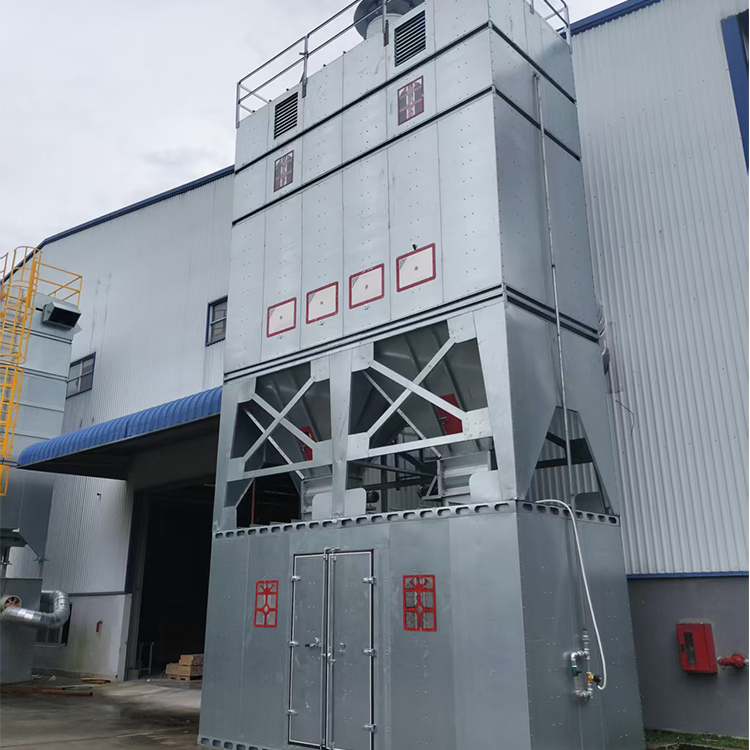
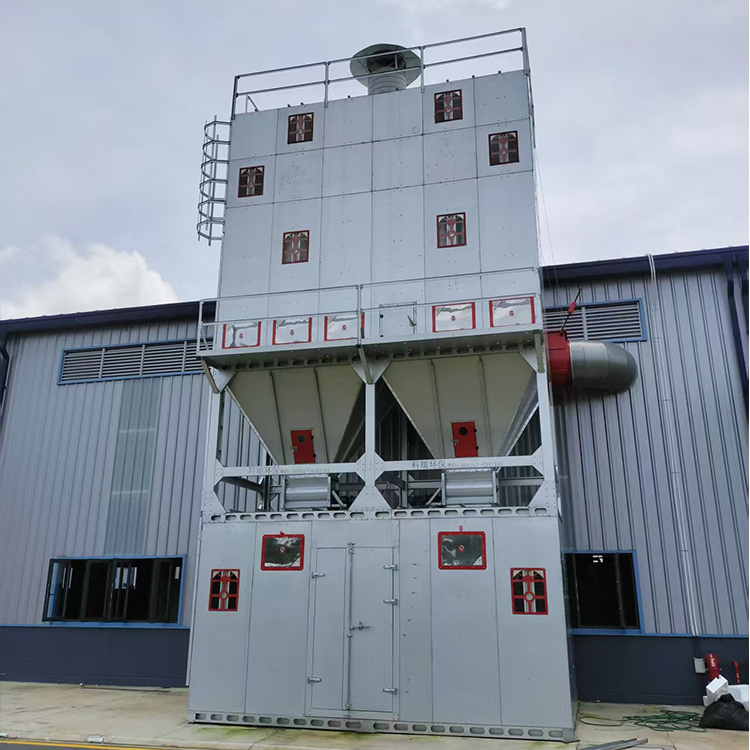
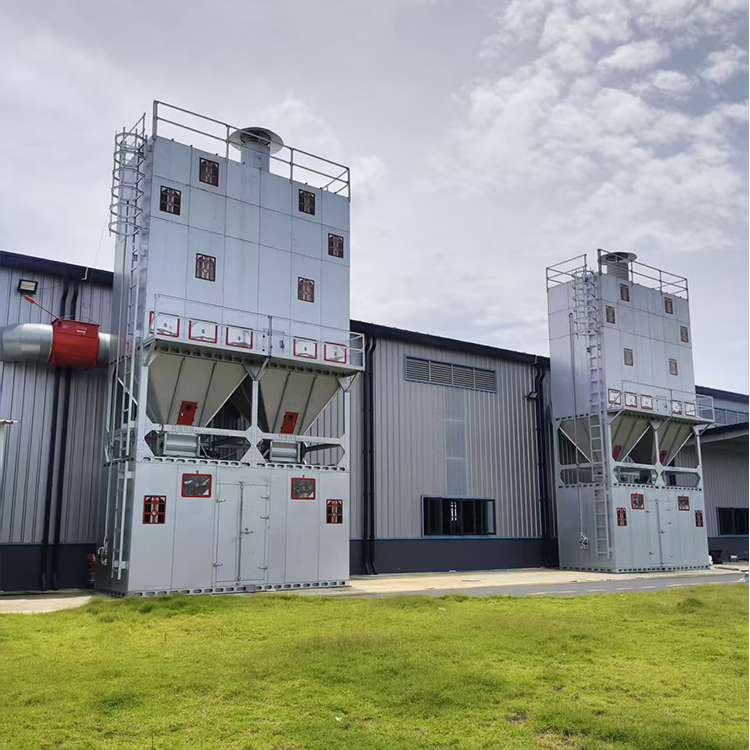
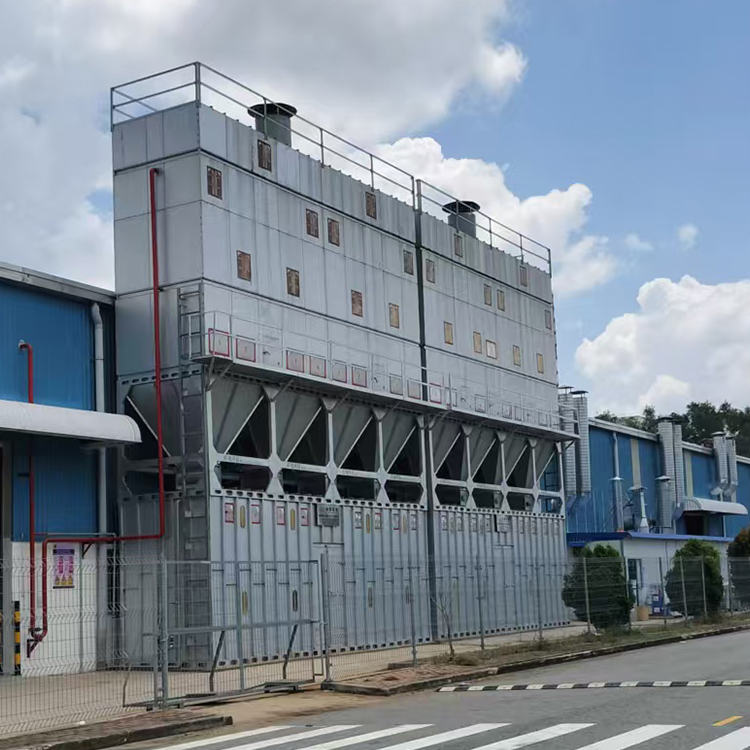
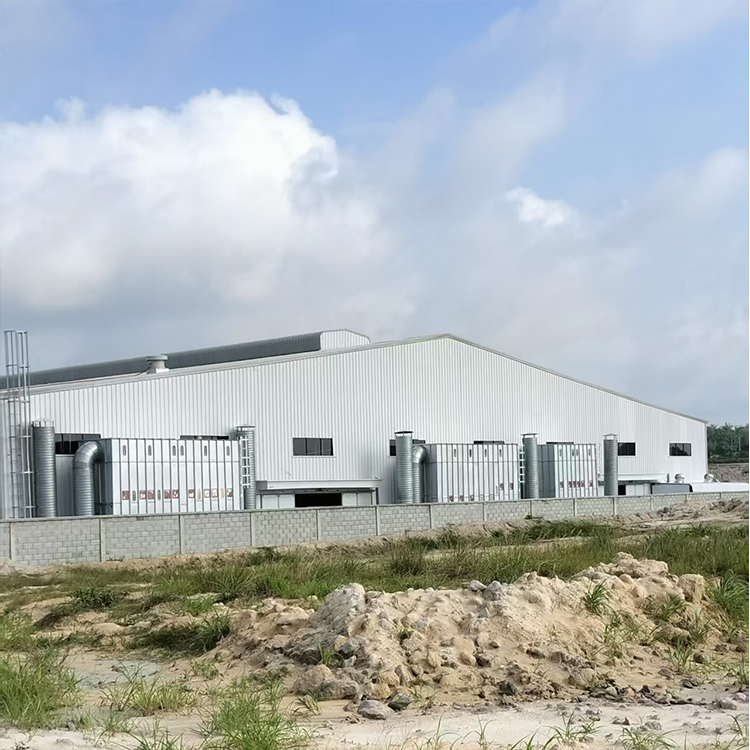





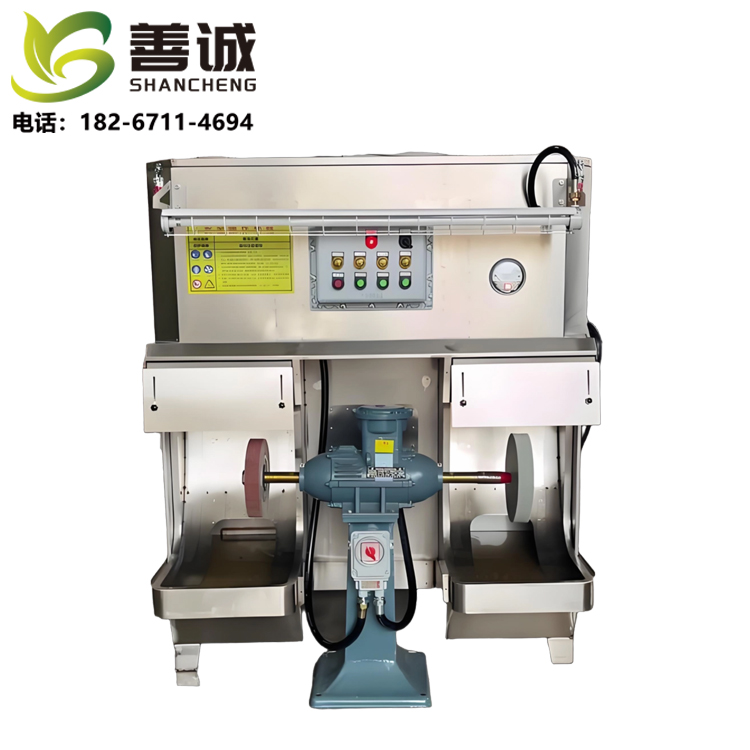
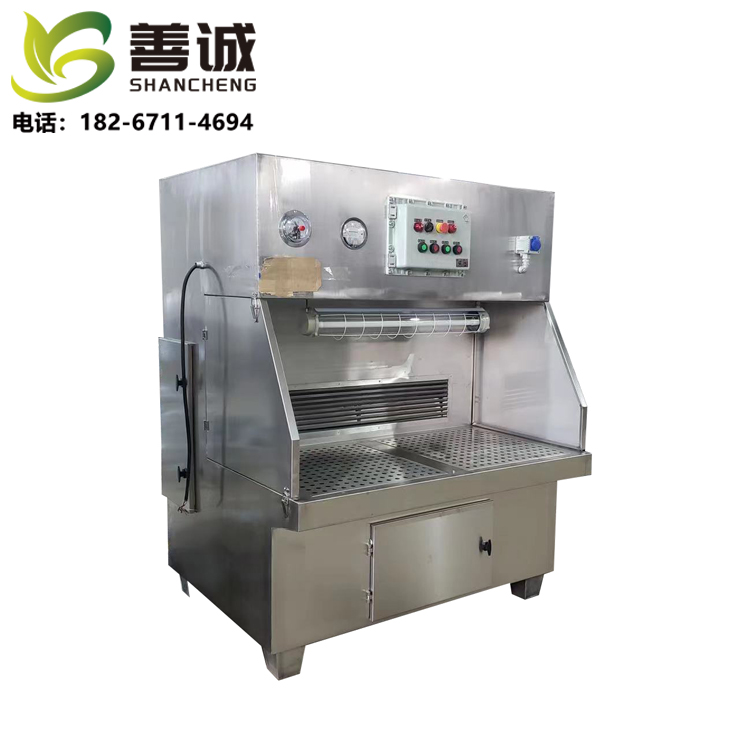
A dust removal and polishing cabinet is an industrial dust removal equipment specifically designed for handling dust generated by processes such as polishing and buffing. It primarily achieves dust collection and air purification through filter element filtration technology. Below is a detailed introduction to its main features and working principle:
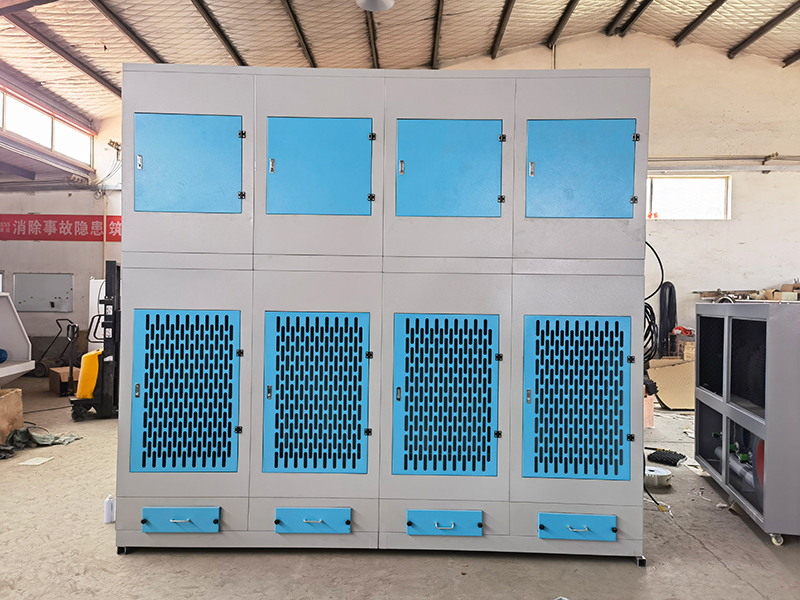
I. Structure and Composition
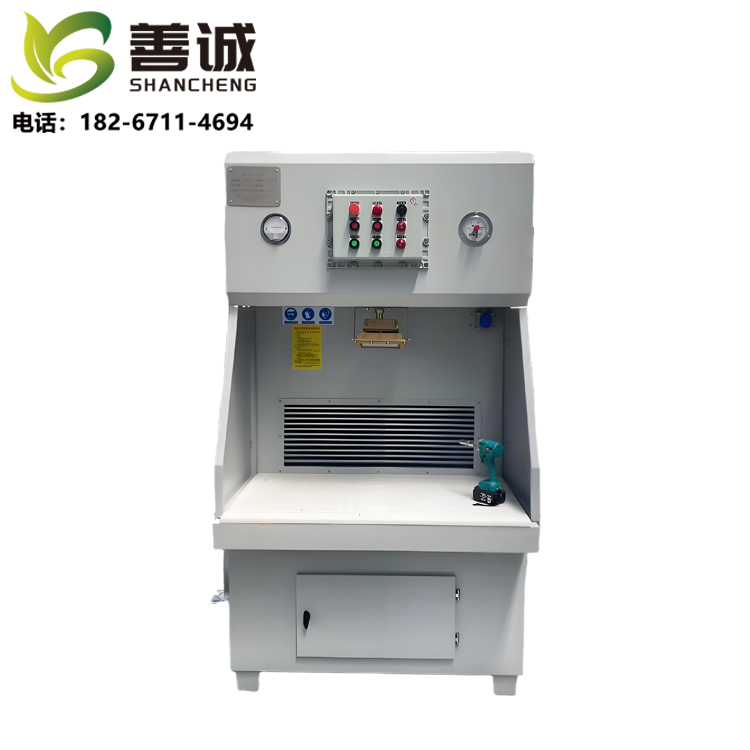
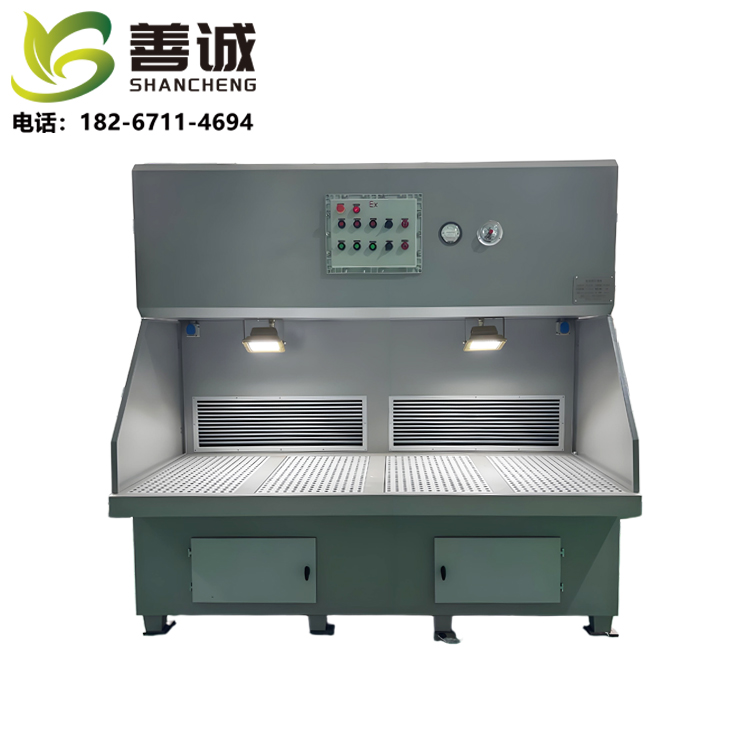
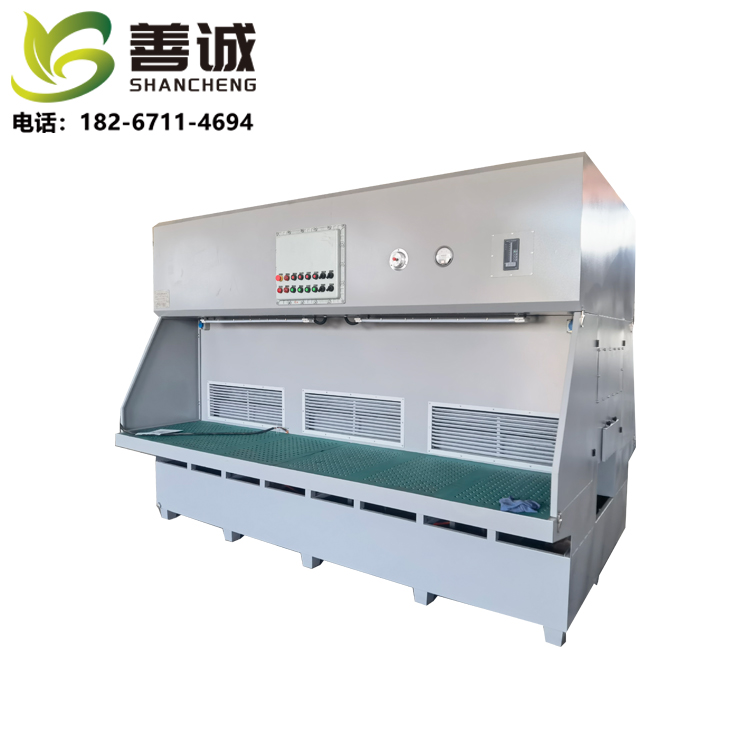
Core Components: Dust and polishing cabinets are typically composed of upper and lower cabinets, filter elements, fans, pulse cleaning devices, and an electric control system.
2. Material: The housing is typically made of 1.2mm thick galvanized steel sheet, with a modular assembly structure for easy transportation and maintenance.
3. Filter Cartridge Design: Utilizes polyester fiber or high-efficiency HEPA material, the pleated structure increases the filtering area, capable of filtering particles larger than 0.3 micrometers.
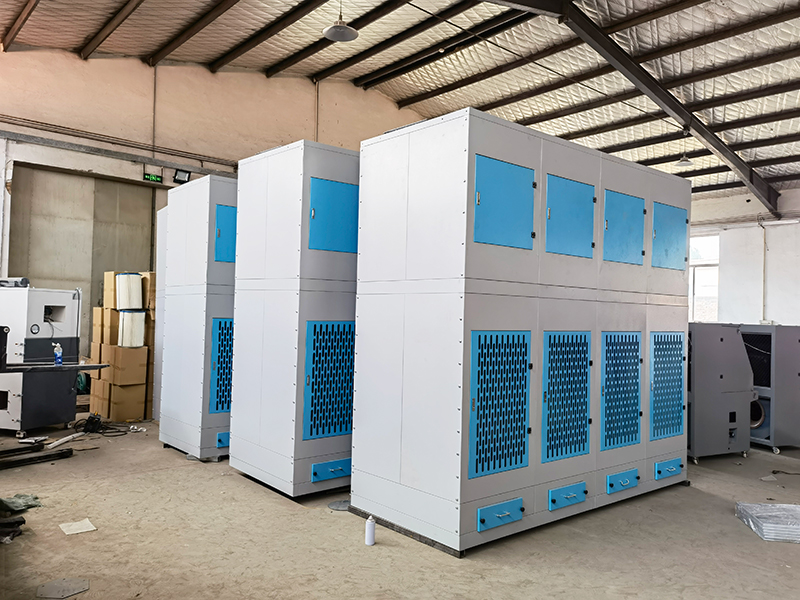
II. Working Principle
1. Negative Pressure Adsorption: Dusty gas enters from the lower housing, filtered through filter sleeves, and clean air is discharged from the upper housing.
2. Automatic Dust Removal: Triggered by a pulse controller, compressed air is used for reverse blowing to remove dust from the filter element surface, ensuring continuous and efficient filtration.
3. Dust Handling: Large particles fall directly into the dust collection drawer, while fine particles adhere to the filter sleeves and are removed by pulsing cleaning.
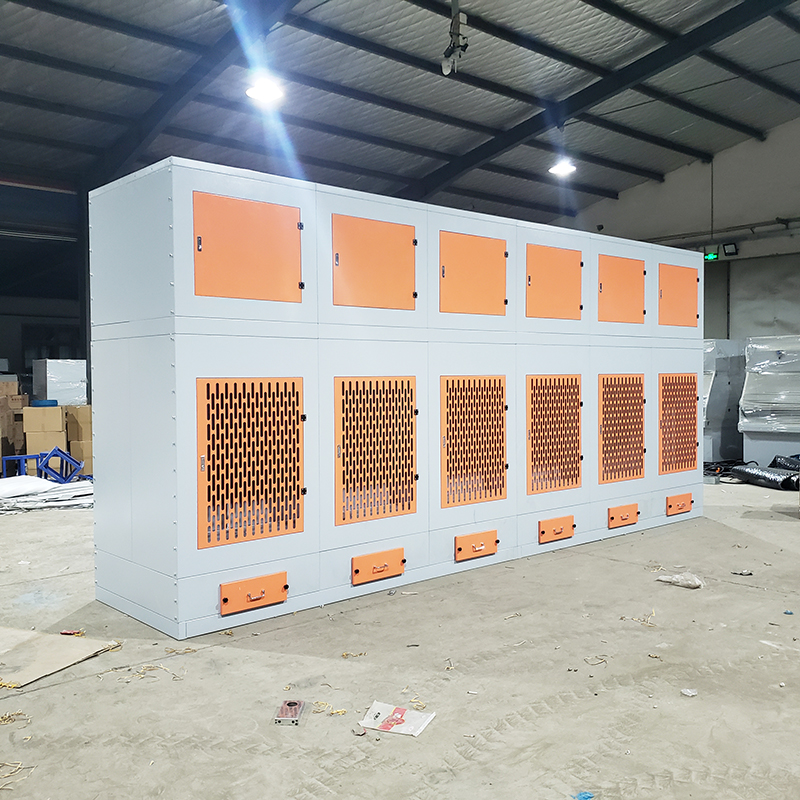
Section 3: Types and Application Scenarios
Dry Filter Cartridge Polishing Cabinet: Suitable for dust treatment of common metals, wood, etc., with discharge concentration lower than 50mg/m³.
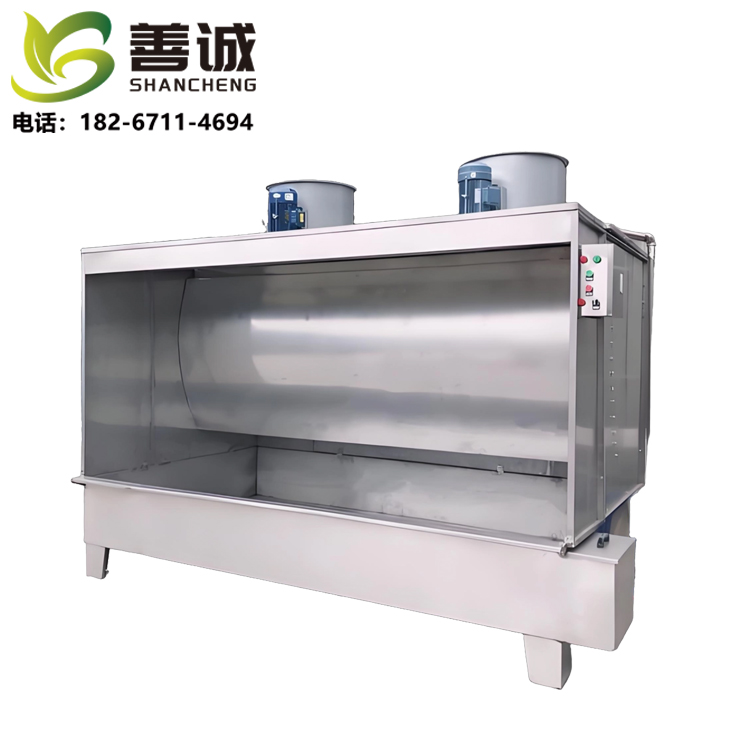
2. Wet Sanding Cabinet: Utilizes a water recirculation system to capture dust, suitable for flammable, explosive, or high-humidity environments (such as furniture or marble processing).
3. Centralized Cartridge Dust Collector: Designed for centralized dust removal in multiple workstations, capable of handling air volume of over 3000 m³/h.