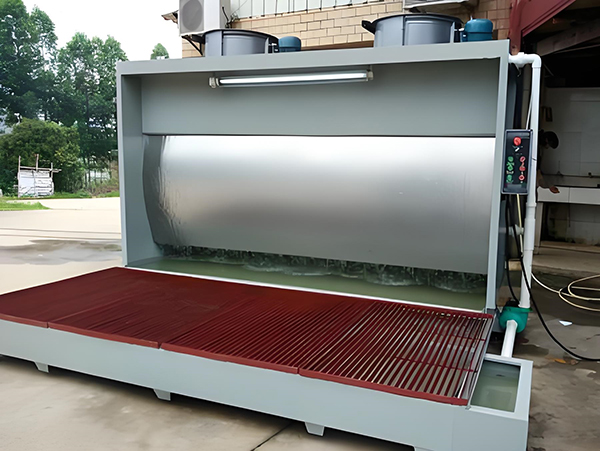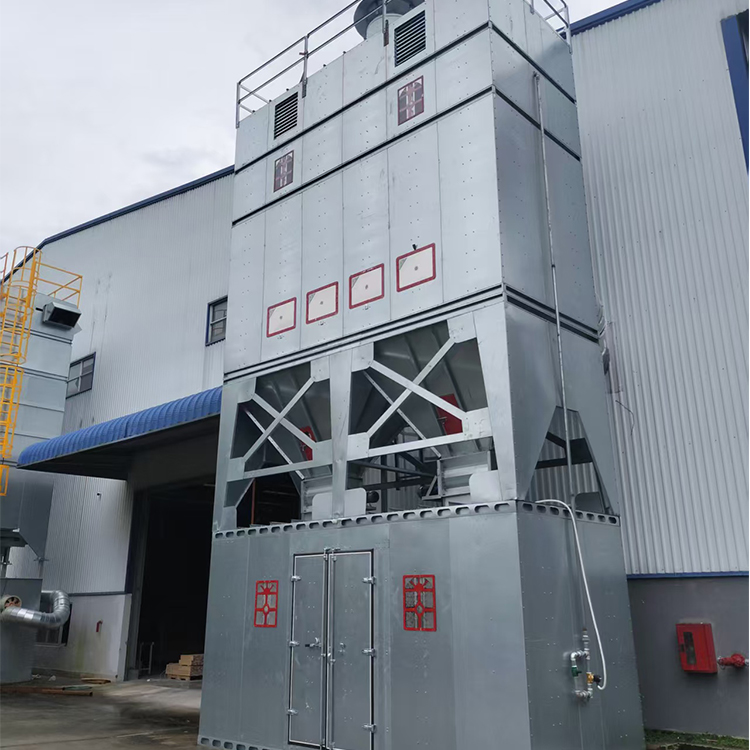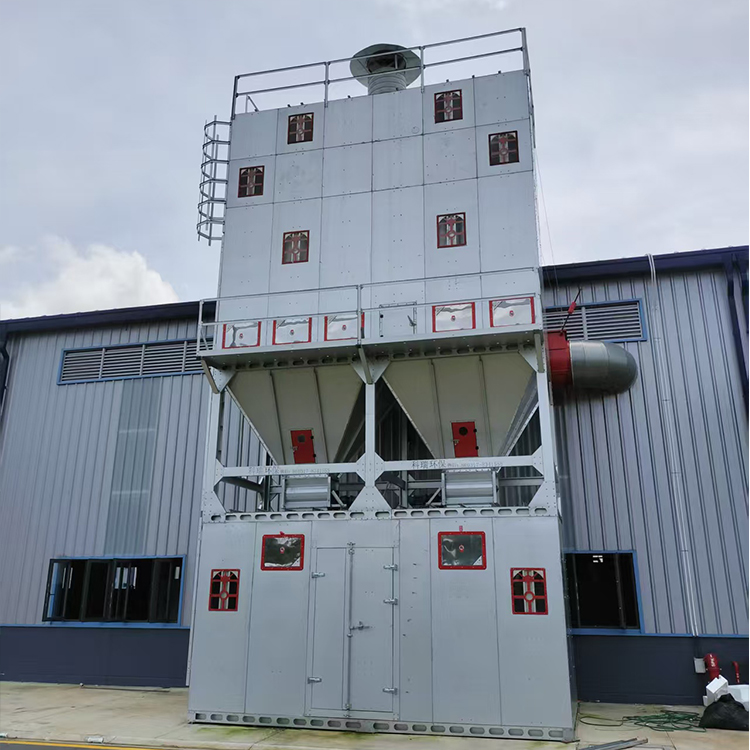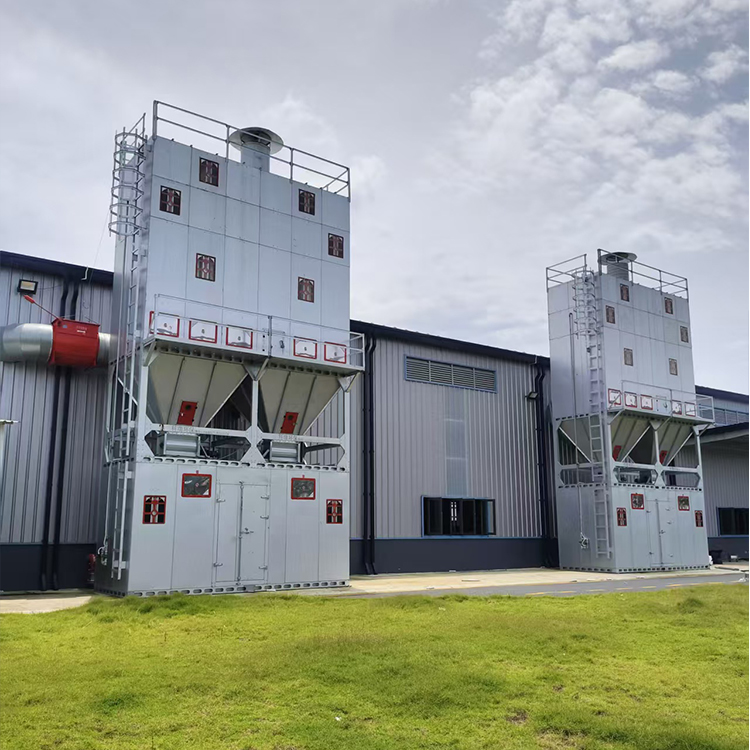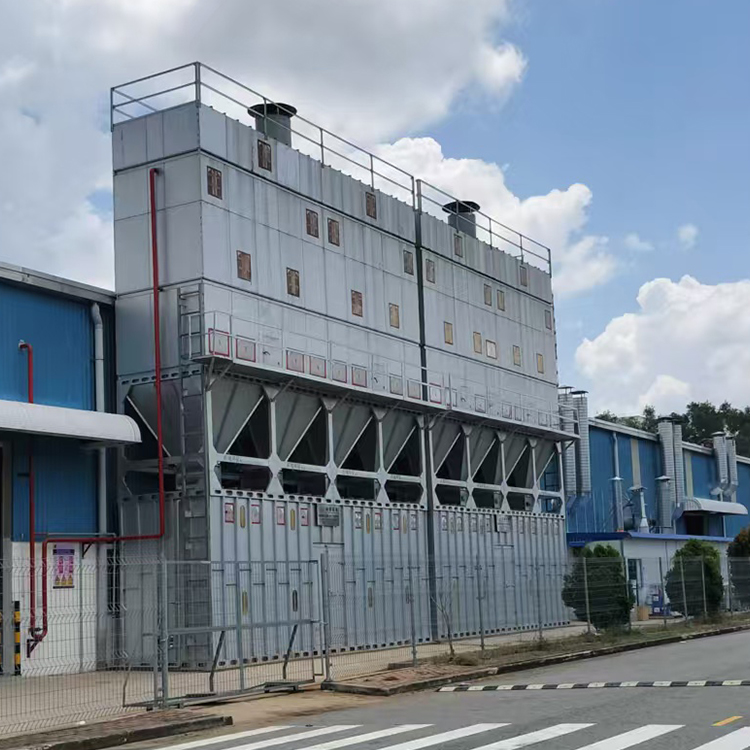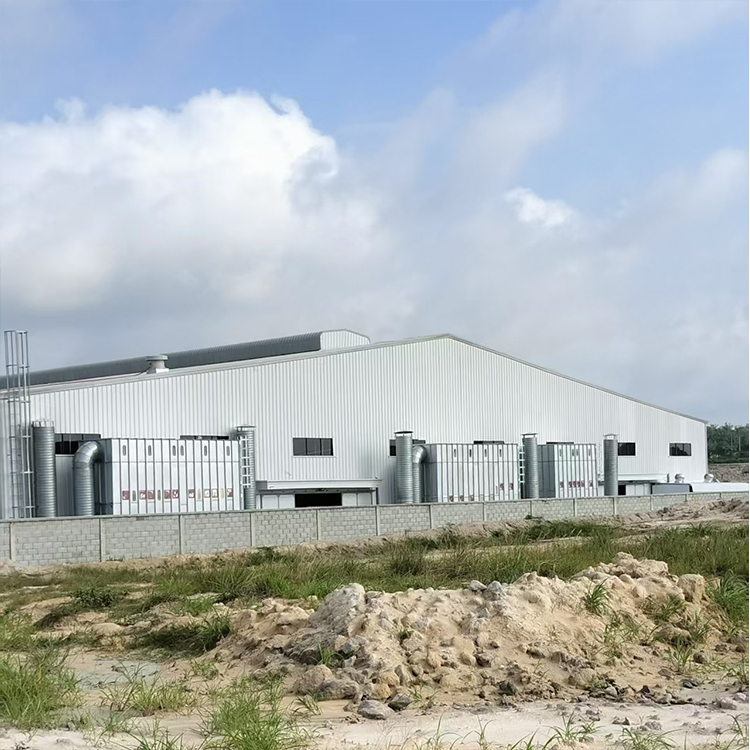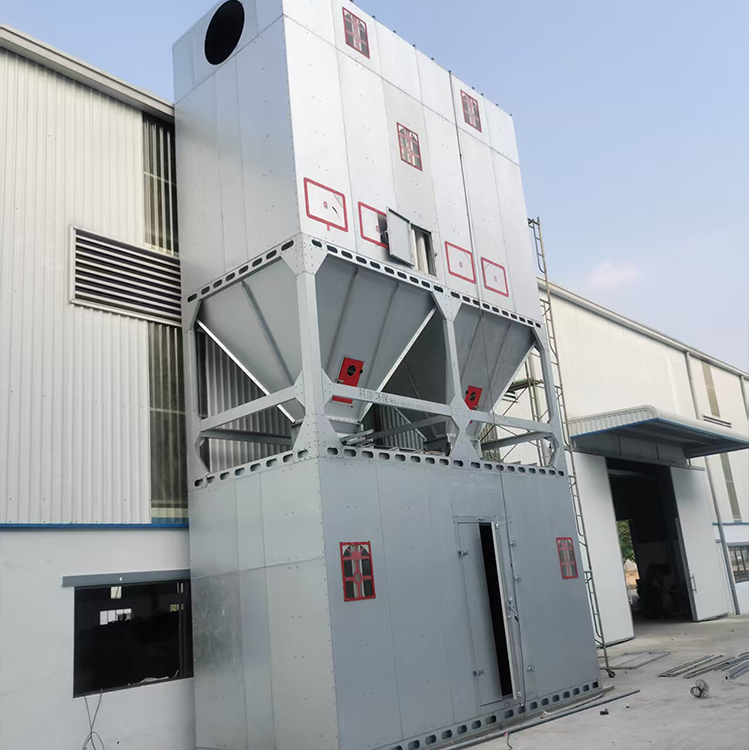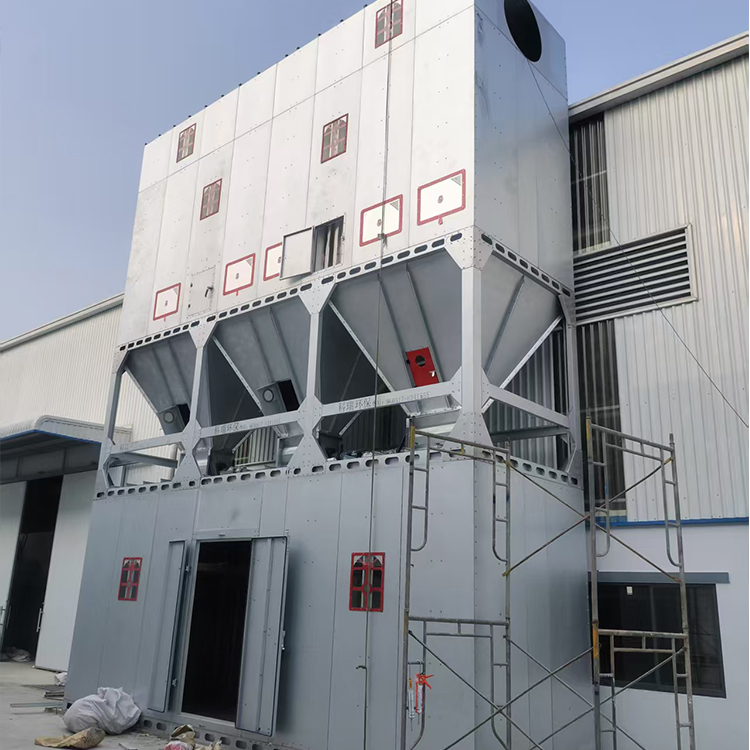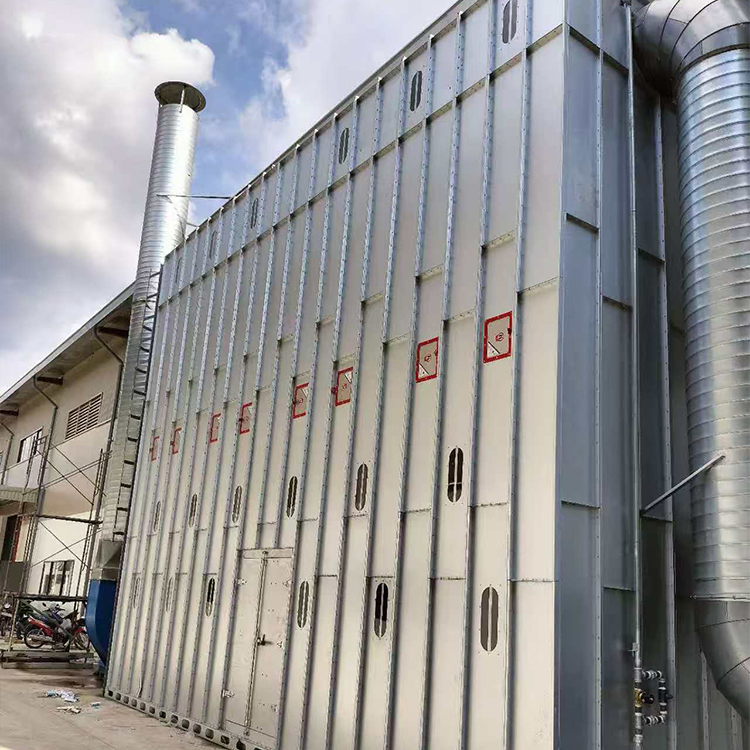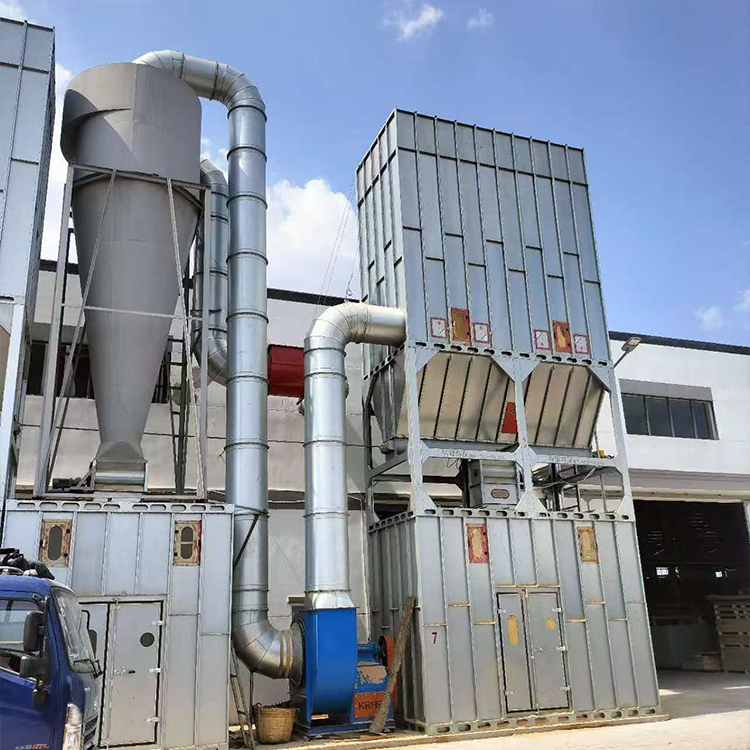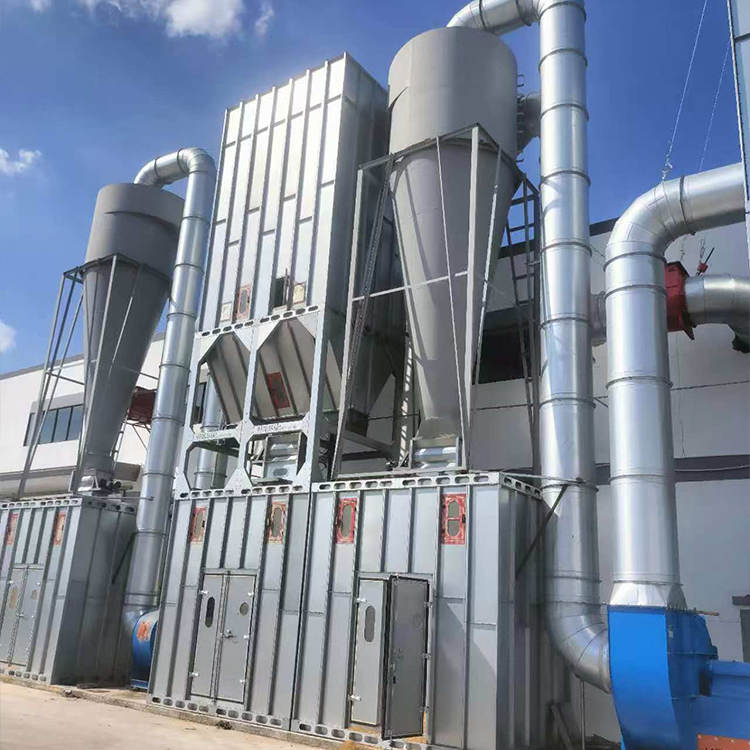

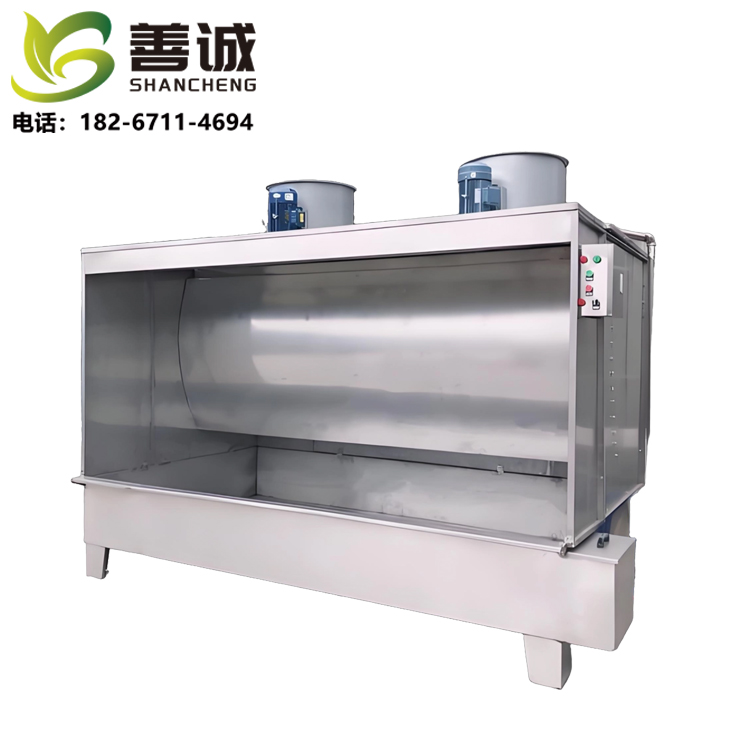


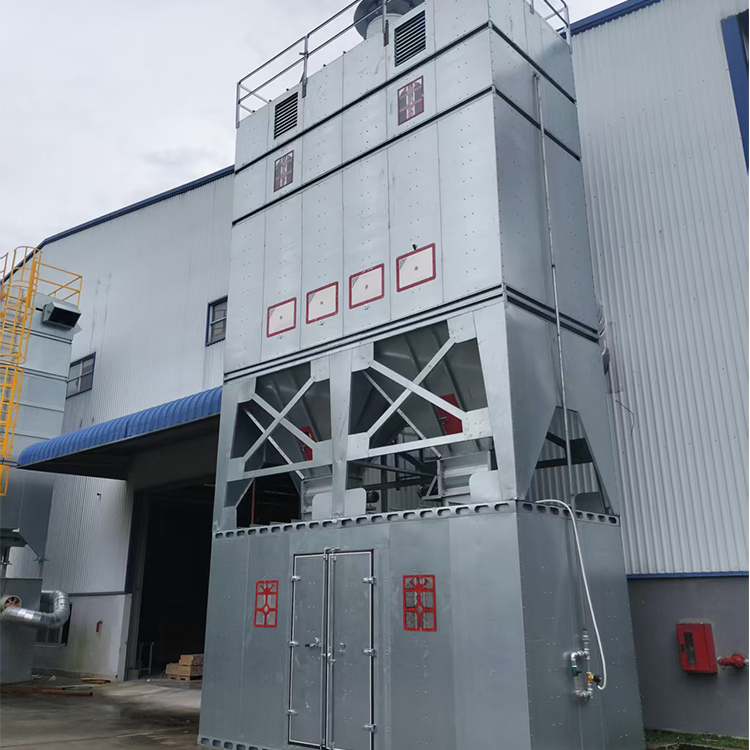
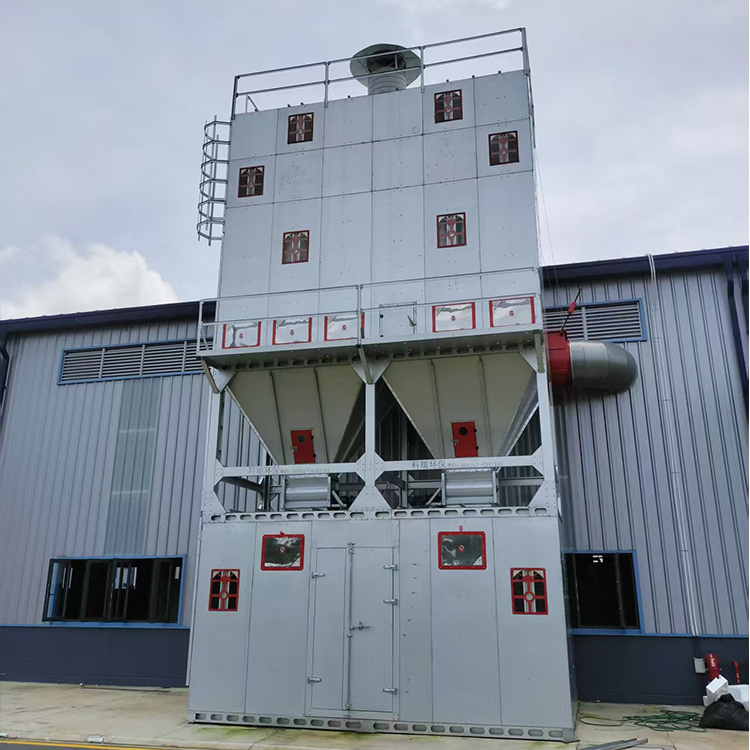
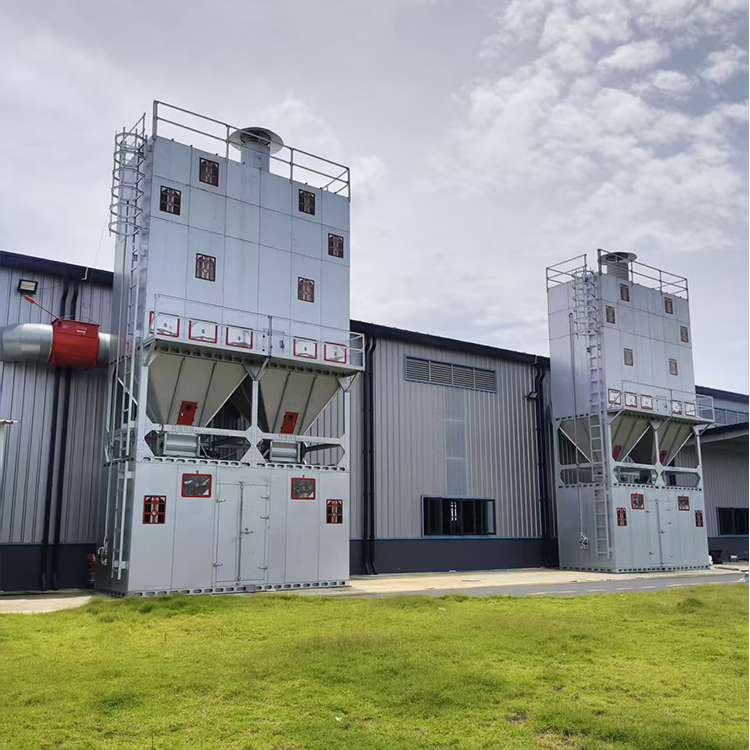
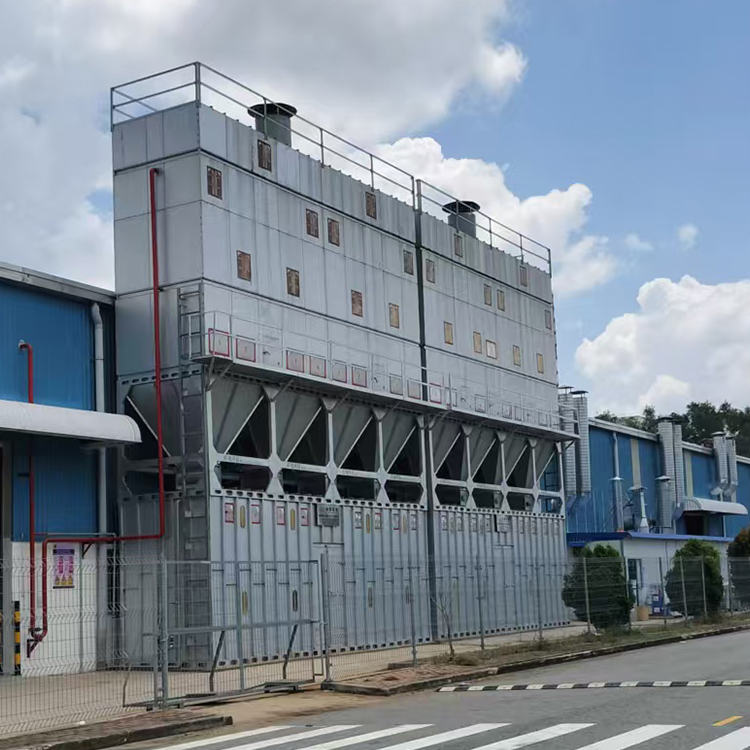
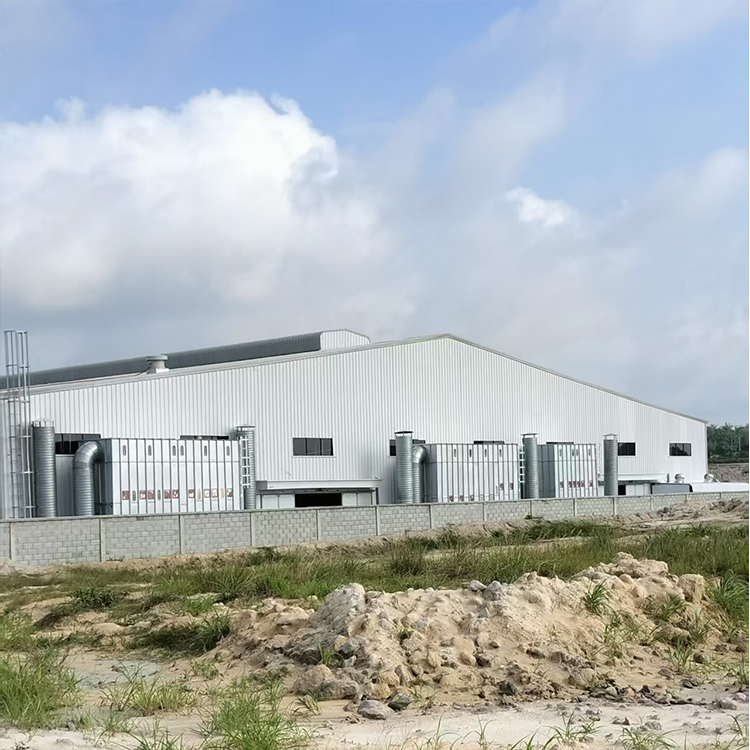





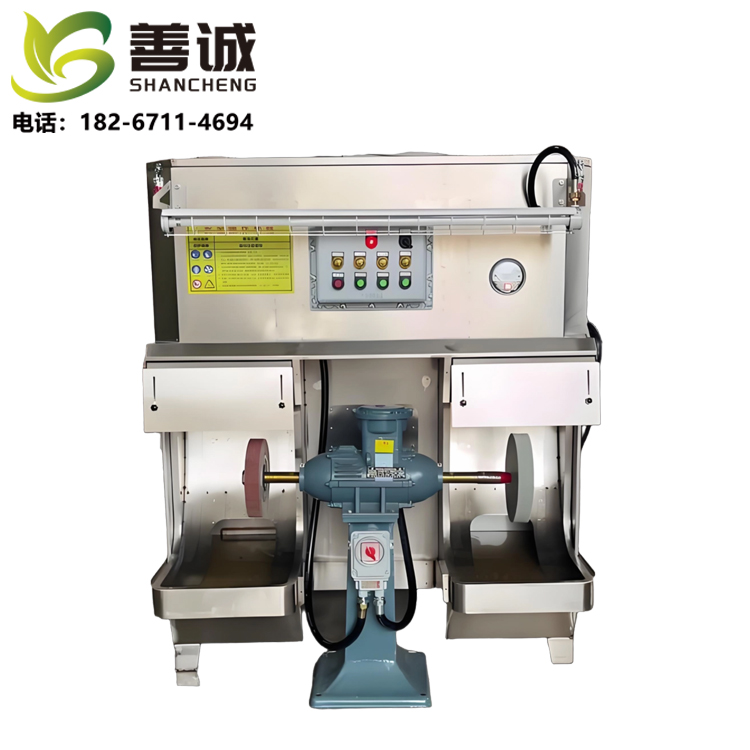
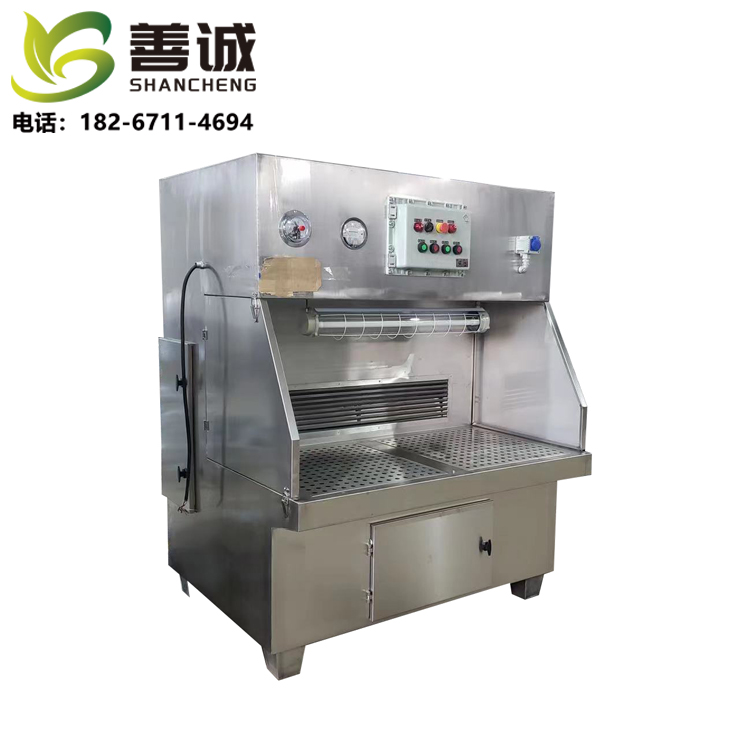
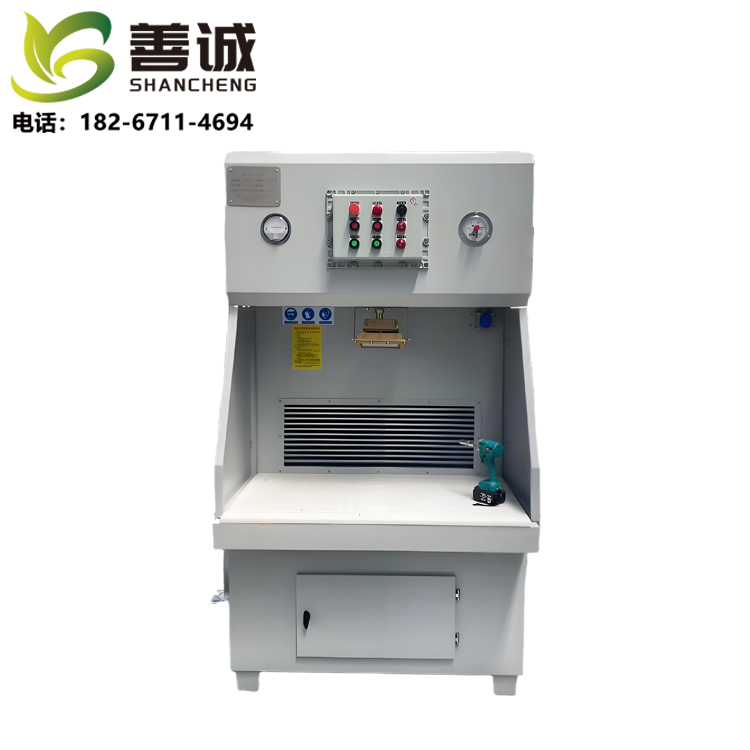
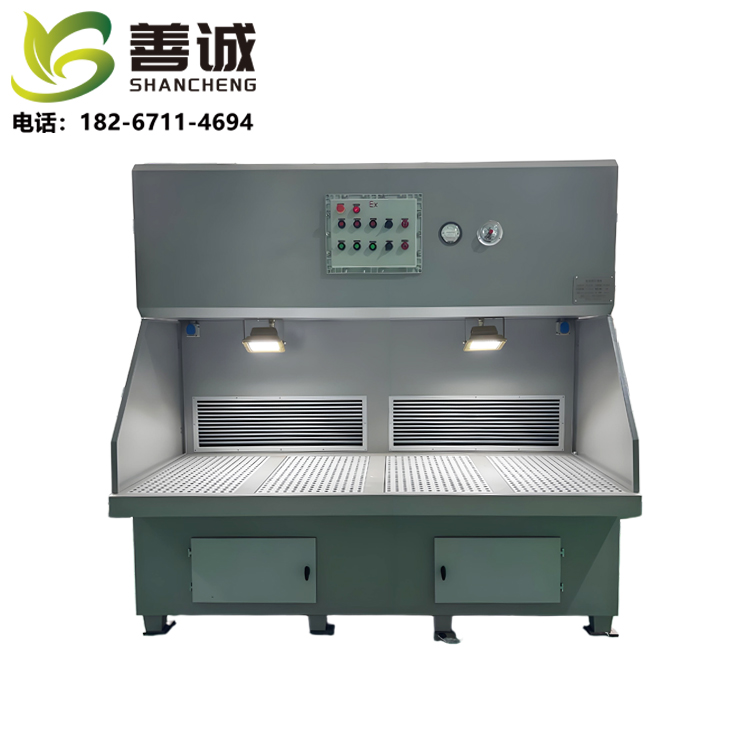
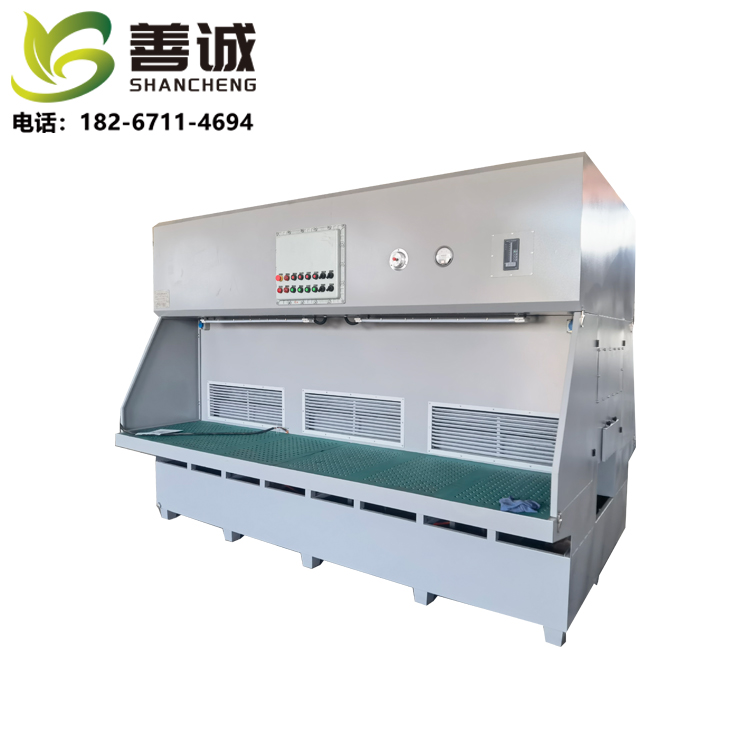
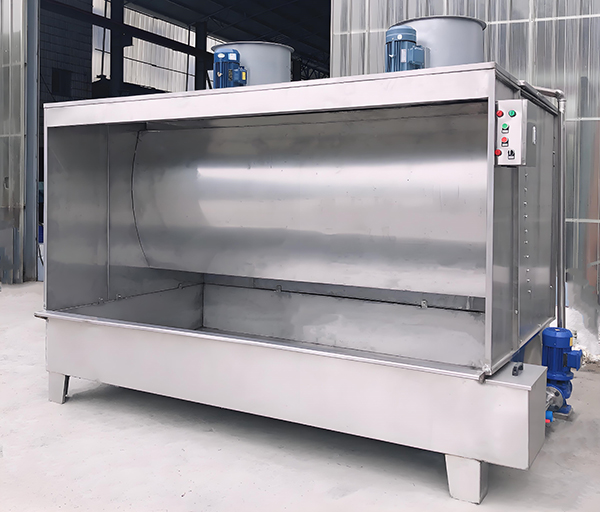
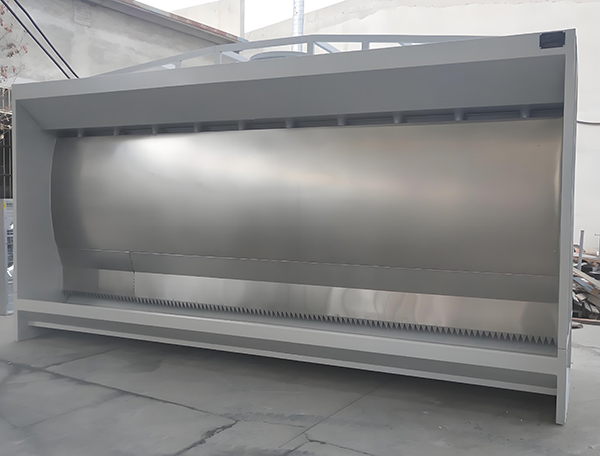
A water curtain cabinet (also known as a water curtain dust removal cabinet) is an environmental protection equipment that processes dust and paint mist through a water circulation system, widely used in polishing and painting processes in industries such as furniture, hardware, and stone. Below is a detailed explanation of its core features and working principle:
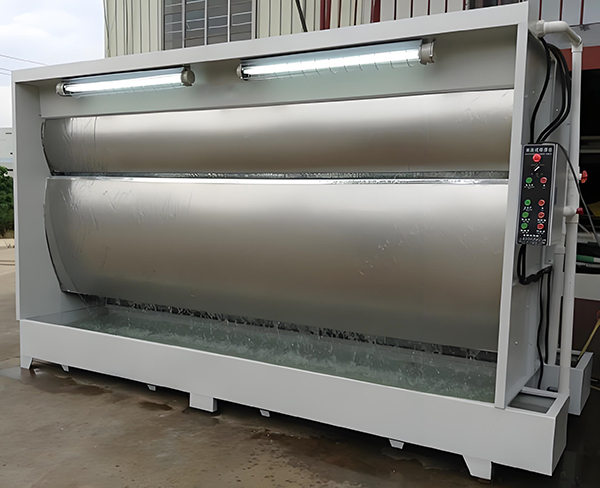
I. Structure and Types
1. Basic Components
(1) Water circulation system: Includes pumps, trays, and water curtain panels (usually made of stainless steel or plastic), forming a waterfall-like water film through water flow.
(2) Fan and Filtration Unit: Adsorbs dusty gas under negative pressure, then exhausts clean air after passing through multiple water curtains filtration.
(3) Control Module: Features include automatic water refilling and variable speed fan control.
2. Common Types
(1) Single/Double curtain humidifier cabinet: Choose based on air volume requirements; double curtain has higher filtration efficiency.
(2) Explosion-proof Water curtain Cabinet: Suitable for flammable dust environments (such as paint spray workshops).
(3) Portable Polishing Station: Equipped with water curtain dust removal, adaptable to multiple workstations.
Section II: Working Principle
Dust Collection
Dust or paint mist generated from polishing or painting is drawn into the cabinet by a fan, where it collides with the water film on the water curtain panel and settles into the pool.
2. Unadsorbed fine particles are further filtered through a multi-stage water curtain.
3. Emission Purification
Treated exhaust gas is discharged through the exhaust duct, meeting emission standards (some models can achieve below 50mg/m³).
4. Add flocculant to the recirculating water and regularly clean paint sludge to maintain efficiency.
Section 3: Advantages and Applicable Scenarios
1. Core Advantages
High-Efficiency Purification: Removal rate exceeds 90% for particles larger than 0.3μm.
(2) Eco-friendly & Energy-saving: Water recycling design minimizes waste water discharge and reduces operation costs.
(3) Improve working environment: Significantly reduce dust concentration in the workshop.
2. Typical Applications
(1) Furniture Industry: Wood dust and paint mist treatment.
(2) Metal Processing: Hardware Polishing, Welding Fumes.
(3) Stone Polishing: High Dust Environment.