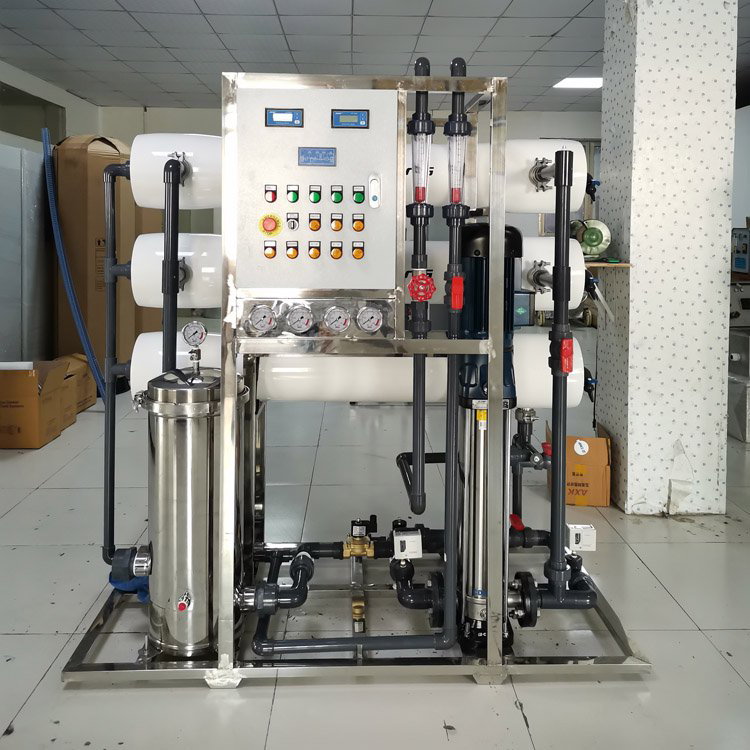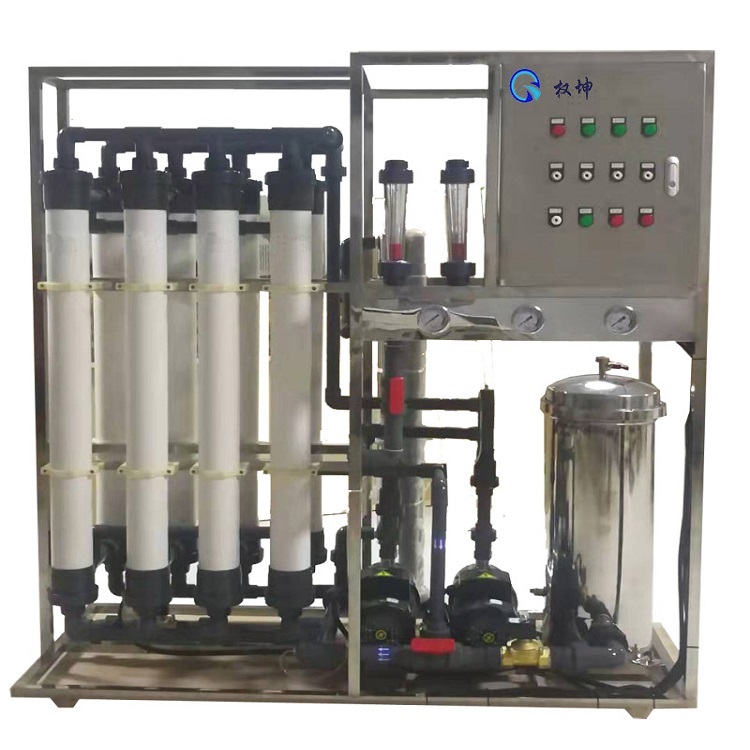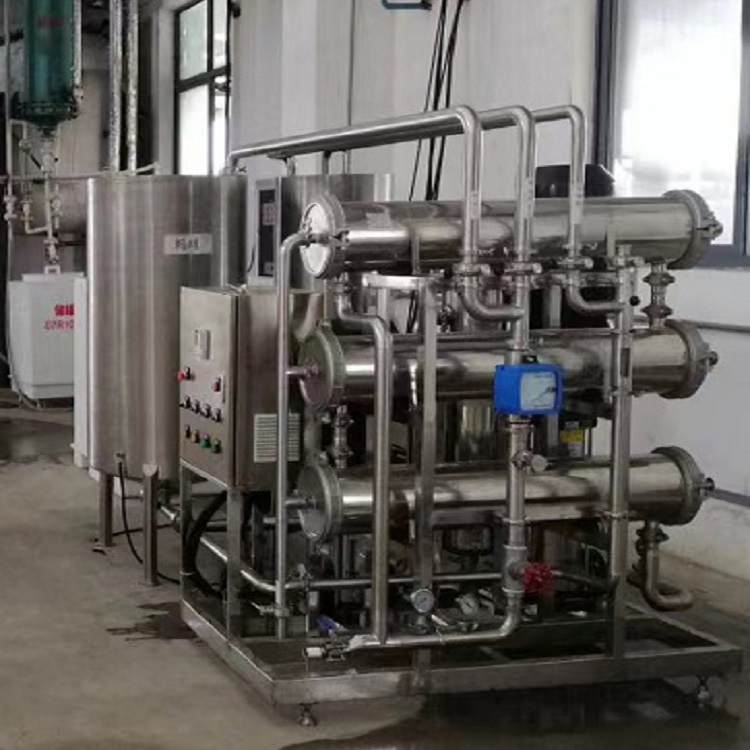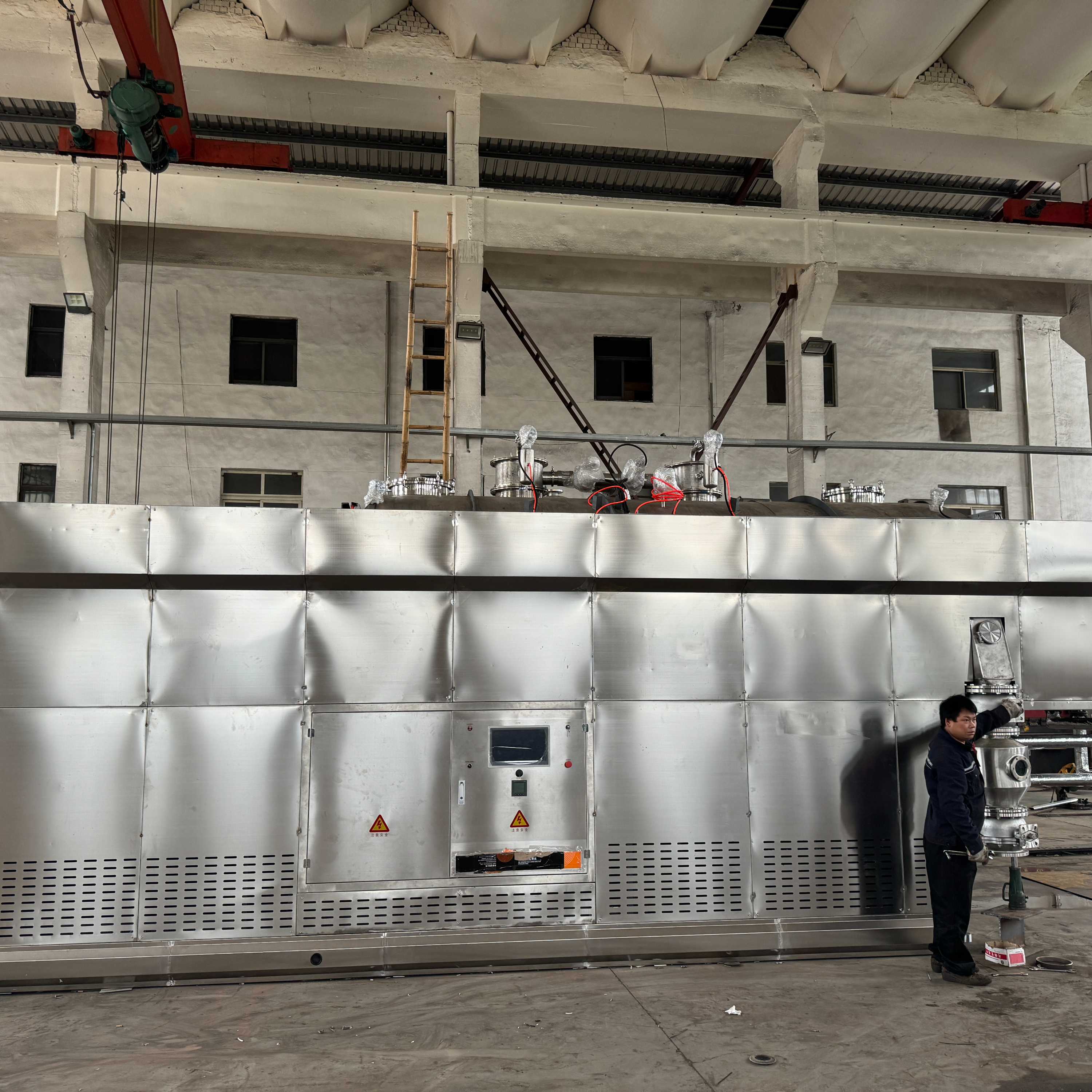









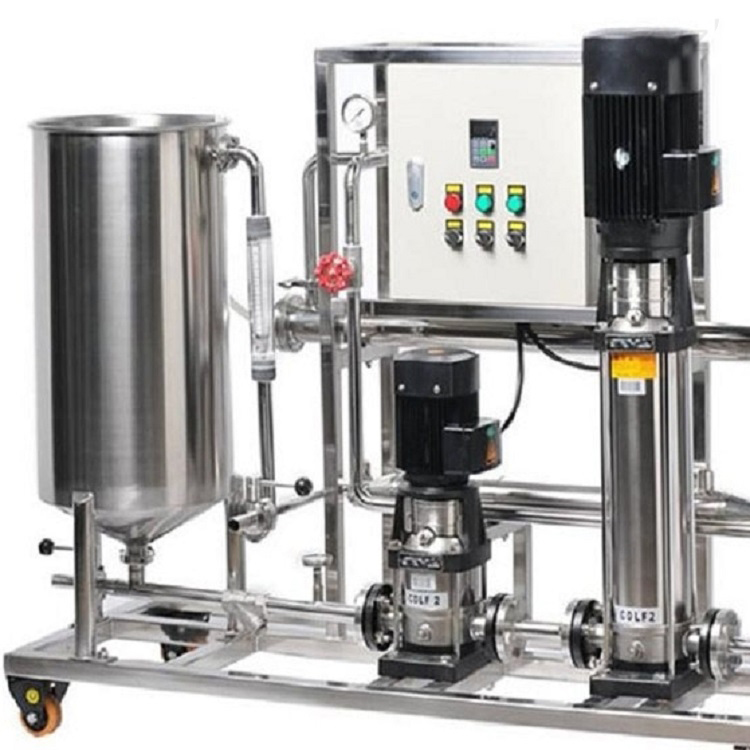
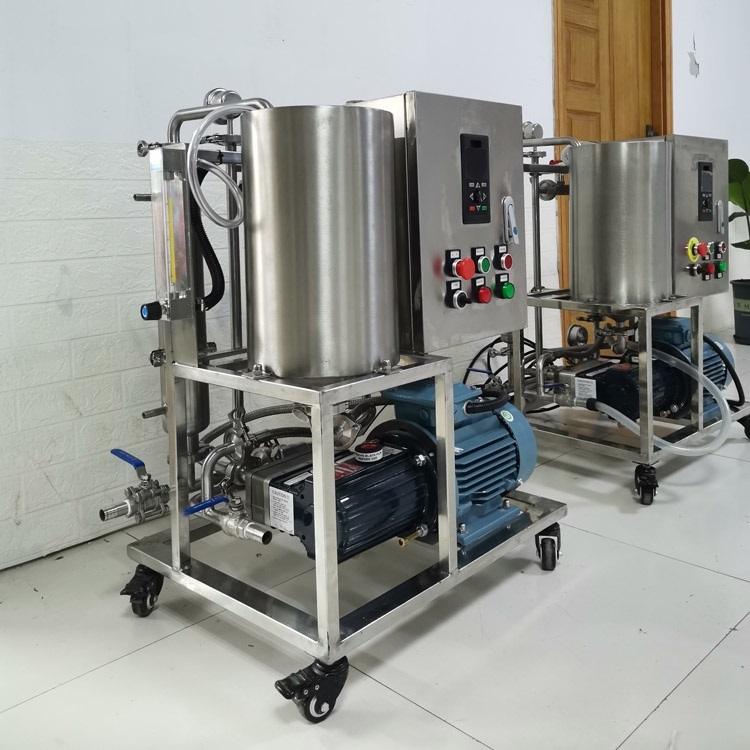
Shandong Ultrafiltration Equipment - RO Reverse Osmosis Water Treatment Systems - Full Specifications - Membrane Separation Technology
Ultrafiltration (UF) is a pressure-driven membrane separation technology, with its core principle being the use of high molecular weight membranes with specific pore sizes (typically 0.01-0.1 micrometers) to effectively separate macromolecules, colloids, bacteria, and other substances from solvents in solutions. Compared to traditional filtration techniques, ultrafiltration membranes have a surface densely packed with nanopores, achieving selective filtration through physical sieving and can remove up to 99.9% of pathogenic microorganisms from water without the need for chemical agents.
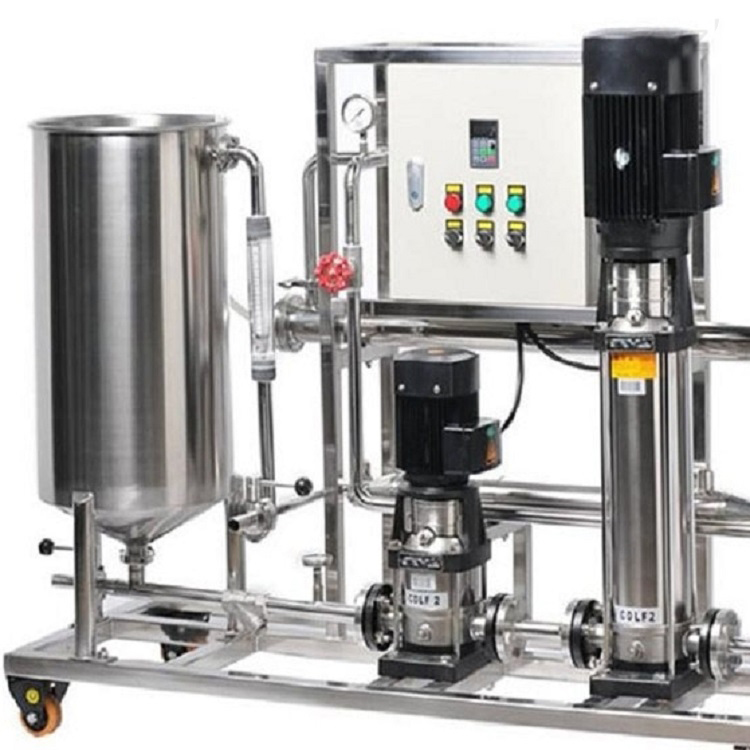
Ultrafiltration equipment water output factors:
1. The impact of temperature on water yield: As temperature rises, the activity of water molecules increases and viscosity decreases, resulting in an increase in water yield. Conversely, water yield decreases. Therefore, even the same ultrafiltration system can show a significant difference in water yield between winter and summer.
2. The impact of operating pressure on water yield: In the low-pressure section, the water yield of the ultrafiltration membrane is proportional to the pressure, meaning the water yield increases with the rise in pressure. However, when the pressure exceeds 0.3MPa, even if the pressure increases further, the increase in water yield is minimal. This is mainly due to the ultrafiltration membrane being compacted under high pressure, which increases the permeability resistance.
3. Impact of incoming water turbidity on water production: As the incoming water turbidity increases, the ultrafiltration membrane's water production decreases, and higher turbidity is more prone to causing clogging in the ultrafiltration membrane.
4. Flow Rate's Impact on Water Yield: The effect of flow rate changes on water yield is not as pronounced as temperature and pressure. Too slow a flow rate can easily lead to ultrafiltration membrane clogging, while too fast a flow rate can affect water yield.
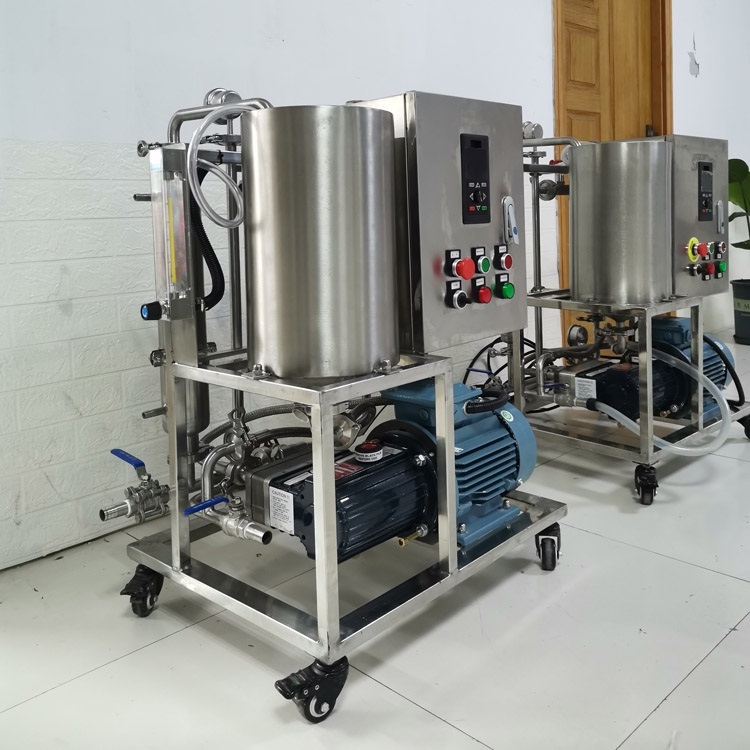
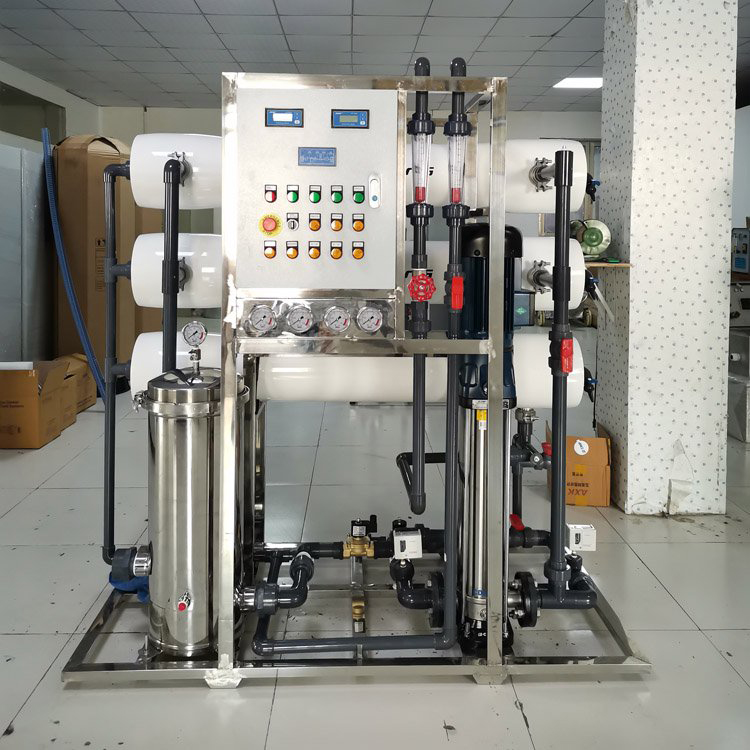
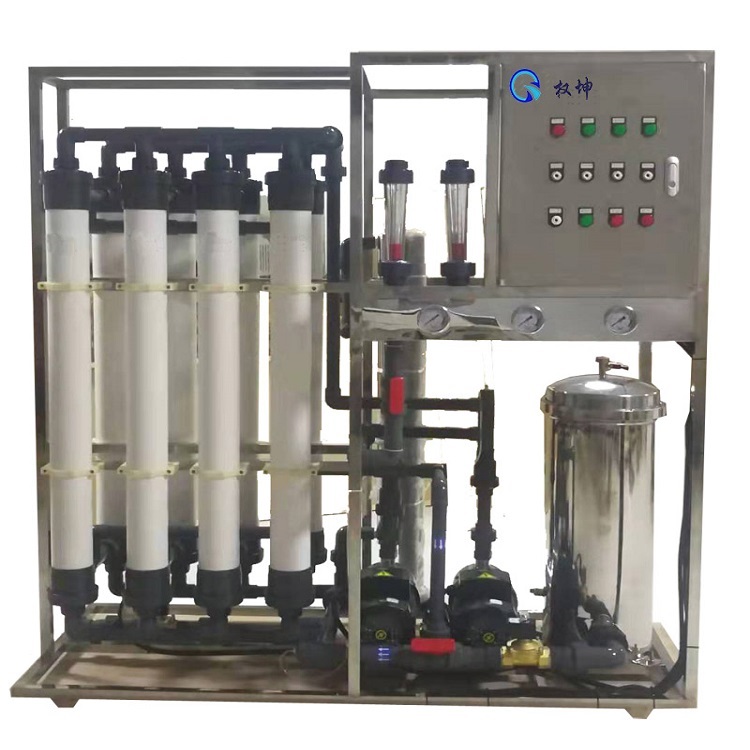
Key Features of Ultrafiltration Membrane Equipment:
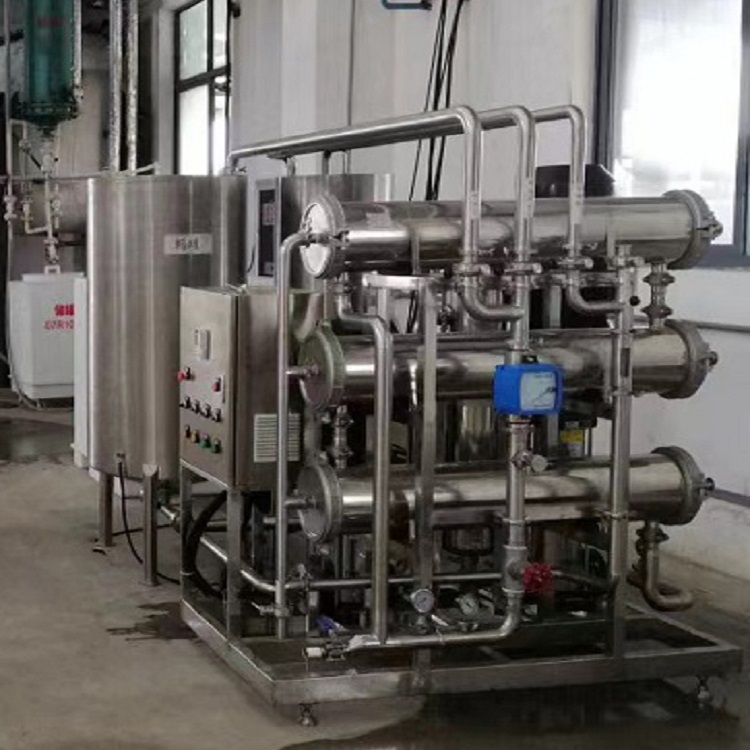
1. The system utilizes high-pollution-resistant hollow fiber column membrane modules, which are less prone to contamination, easy to clean, and ensure a stable water output. 2. The system features a unique online air-water dual-washing technology, ensuring a stable water output and excellent cleaning flow rate.
2. The system is modularly designed, compact in structure, takes up minimal space, and is easy to combine for use.
3. Utilizes PLC control for high system automation and easy operation management.
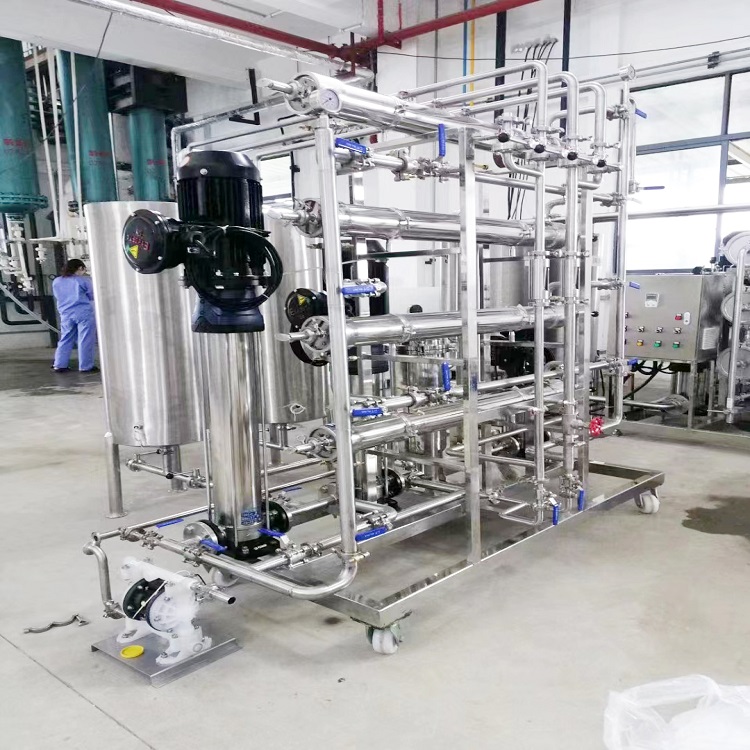
Advantages of Ultrafiltration Equipment:
1. Ultrafiltration membrane elements are sourced from a renowned domestic membrane company, guaranteeing high-quality organic membrane elements to the customers, thereby ensuring effective retention performance and membrane flux.
2. The system boasts a high recovery rate, yielding products of superior quality, enabling efficient separation, purification, and high-multiple concentration of materials.
3. The process is free of phase changes, having no adverse effects on the composition of the material. It maintains a constant temperature throughout separation, purification, and concentration, making it particularly suitable for the treatment of thermosensitive substances. This method completely avoids the drawback of high temperatures damaging bioactive substances, effectively preserving the bioactive components and nutritional ingredients within the original material system.
4. The system has low energy consumption, a short production cycle, and lower operating costs compared to traditional equipment. This effectively reduces production costs and improves the economic benefits of the enterprise.
5. The system's process design is advanced, highly integrated, compact in structure, occupies less land area, is easy to operate and maintain, and reduces the labor intensity of workers.
6. The control system can be customized to meet specific user requirements, integrating advanced control software to monitor key process parameters in real-time on-site. This minimizes human errors and ensures the system operates stably over the long term.
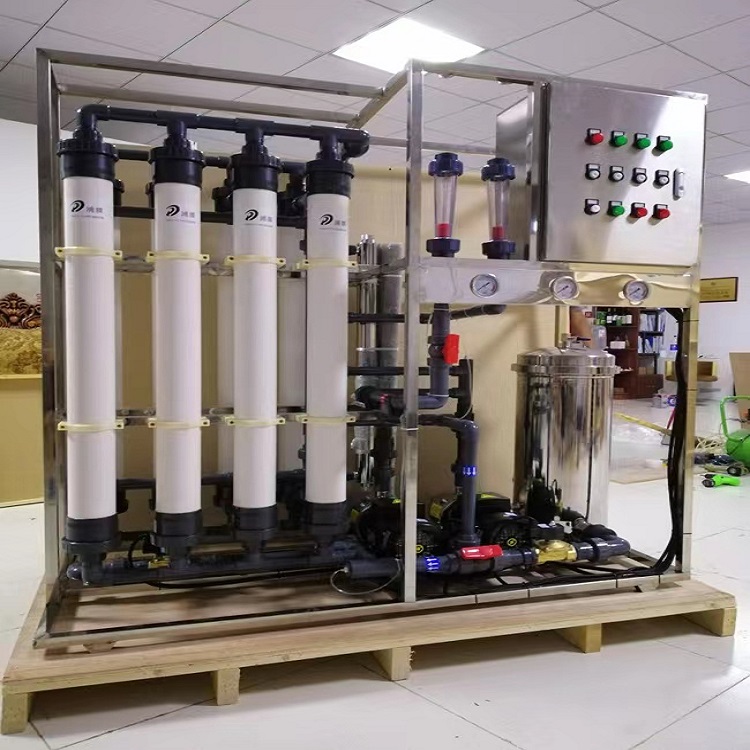
Basic Principle of Ultrafiltration:
Pore sizes of ultrafiltration membranes are generally between 0.005 to 1 micrometers. Therefore, the ultrafiltration separation process was once considered a purely physical separation process. There are three scenarios in the ultrafiltration process:
Solutes adsorb on the membrane surface and the walls of the micropores (primary adsorption).
(2) The particle size of the solute is similar to the membrane pore size, causing the solute to be mechanically retained on the membrane surface, thereby achieving separation (blockage).
(3) The particle size of the solute is larger than the pore size of the membrane, causing the solute to be mechanically retained on the membrane surface, thus achieving separation by screening.
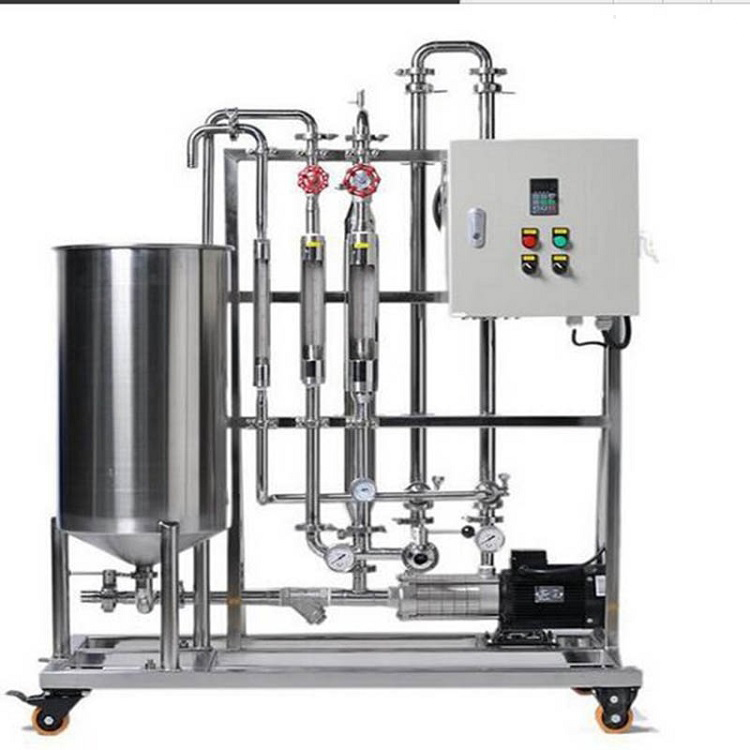
Shandong Ultrafiltration Equipment - RO Reverse Osmosis Water Treatment Systems - Complete Specifications - Membrane Separation Technology
Application Fields:
The ultrafiltration membrane has a molecular weight cut-off range of 1000-200,000. It can retain large-molecule impurities (such as proteins, pigments, and polysaccharides) while allowing the target product to pass through. Additionally, it can retain the target product, allowing small-molecule impurities (such as inorganic salts, small-molecule pigments, monosaccharides, and ash) and water to pass through, thereby replacing traditional purification processes like activated carbon decolorization, resin purification, and crystalline extraction. This achieves the goals of decolorization, impurity removal, and product grading. Its applications include:
1. Biotechnological Fermentation: Antibiotics, Amino Acids (decolorization, protein removal, concentrated degraying) etc.
2. Food & Beverage: Oligosaccharides, starch sugar separation and purification, monosodium glutamate neutralization liquid decolorization, beverage clarification and decolorization, etc.
3. Electro-phoresis Paint Waste Recycling: Automotive and Instrument Industry.