








Primary types of semiconductor equipment recycling:
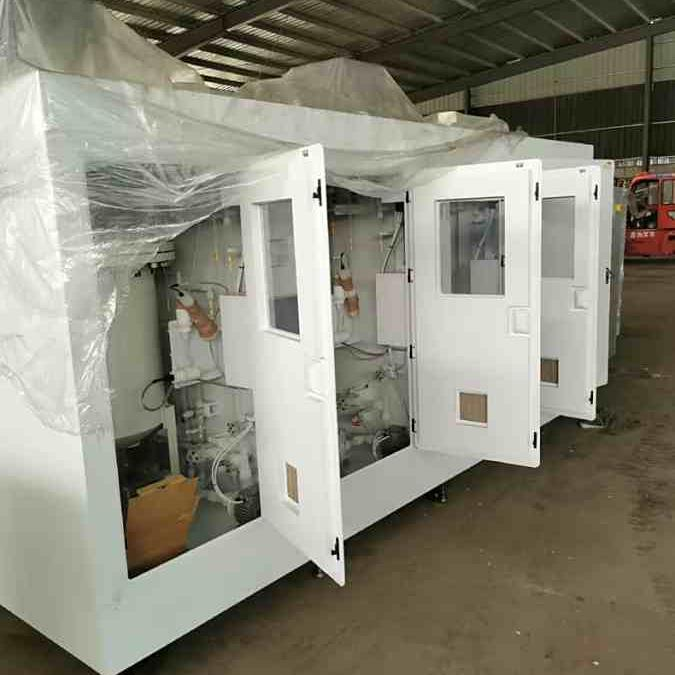
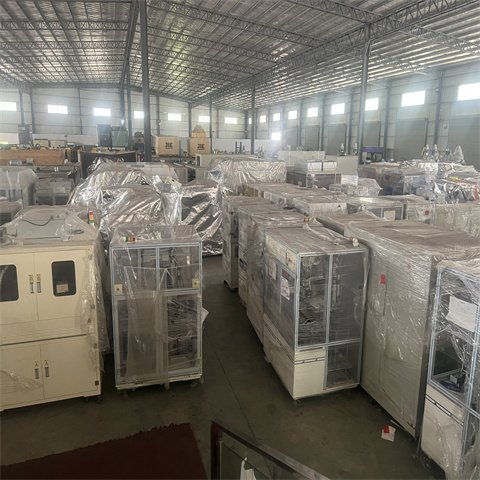
Whole Machine Refurbishment and Resale:
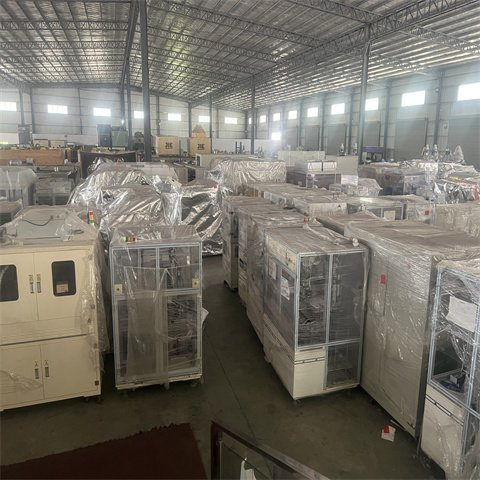
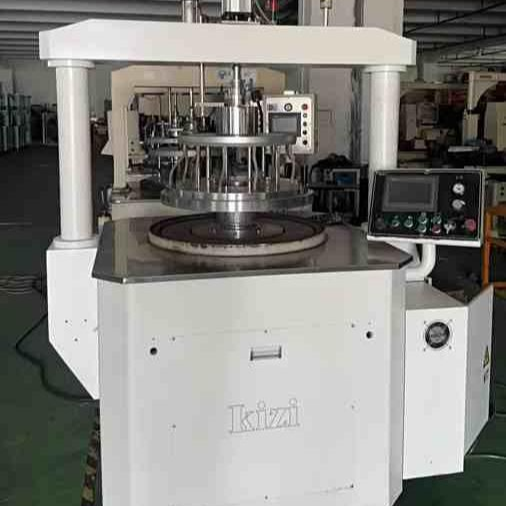
Subject: Complete machinery equipment still holding significant market value, such as lithography machines, etching machines, thin film deposition equipment, ion implantation machines, chemical mechanical polishing equipment, etc.
Process: Remove equipment from closed or upgraded wafer fabs, undergo rigorous cleaning, inspection, repair, replacement of consumable parts, and upgrade to the latest software version to meet or approach the performance standards of new machines, and then re-enter the second-hand market for sale.
Parts disassembly and recycling:
Subject: End-of-life or defective equipment, and old parts replaced during the overhaul process.
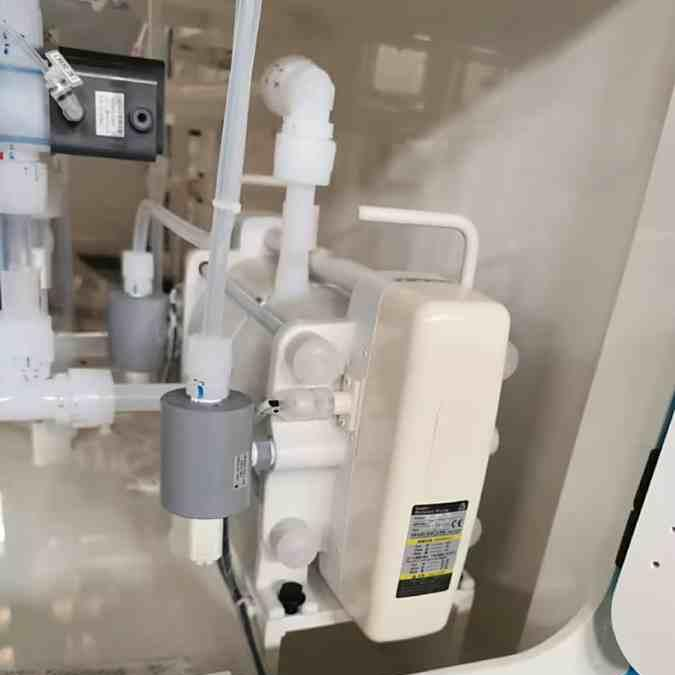
Value Points: Many precision components, such as robotic arms, vacuum pumps, sensors, RF power supplies, electrostatic vacuum holders, valves, etc., have high intrinsic value and can be used as spare parts for repairing other models of equipment.
Metallurgy and rare material refining:
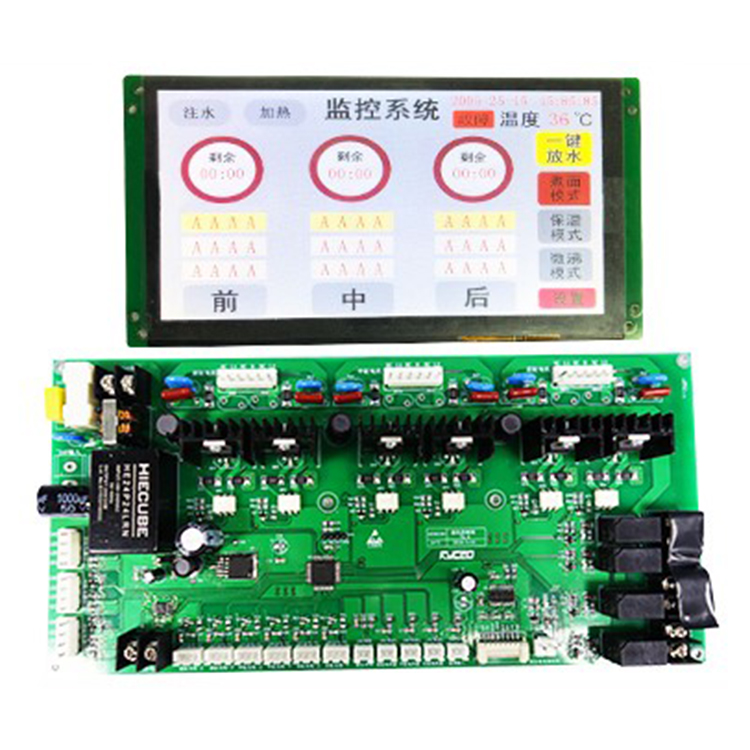
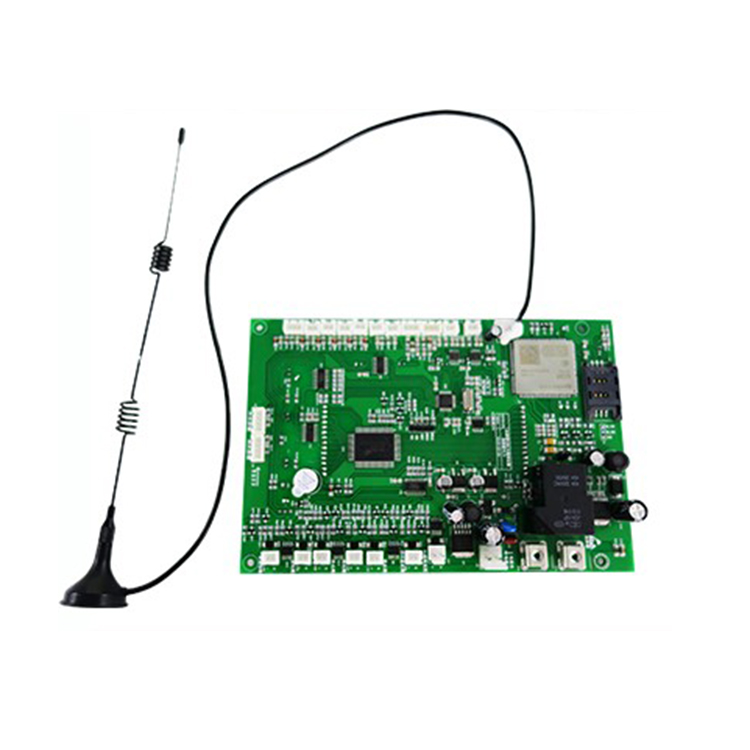
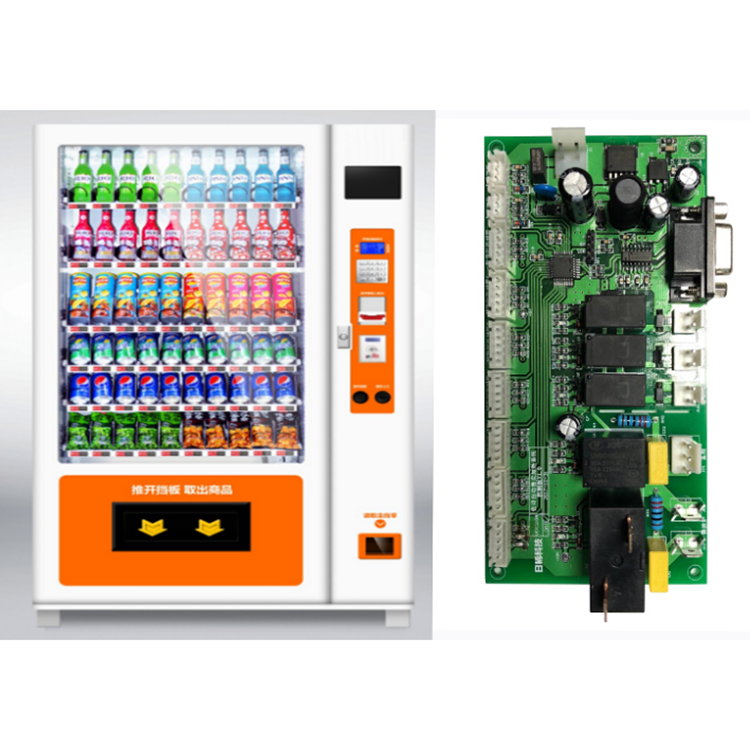
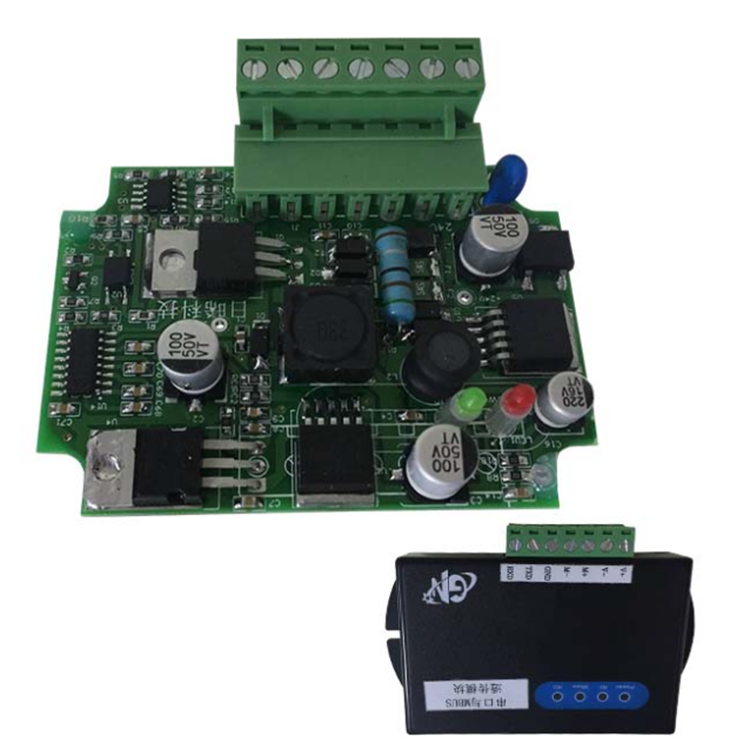
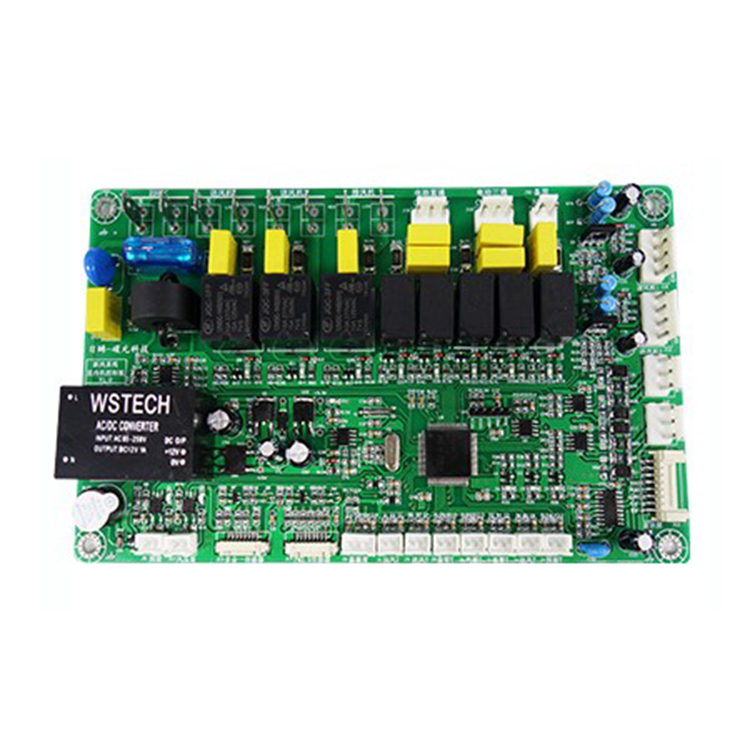
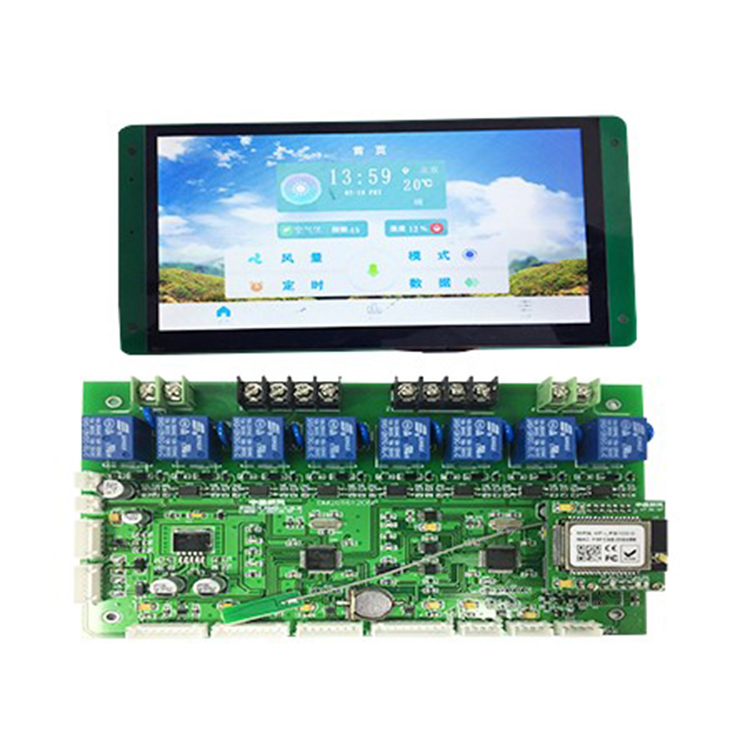
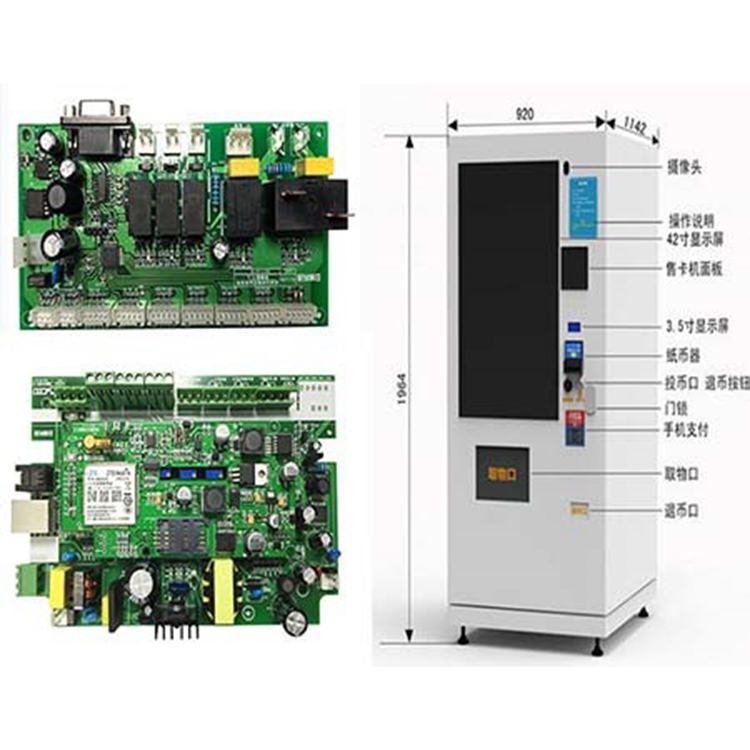
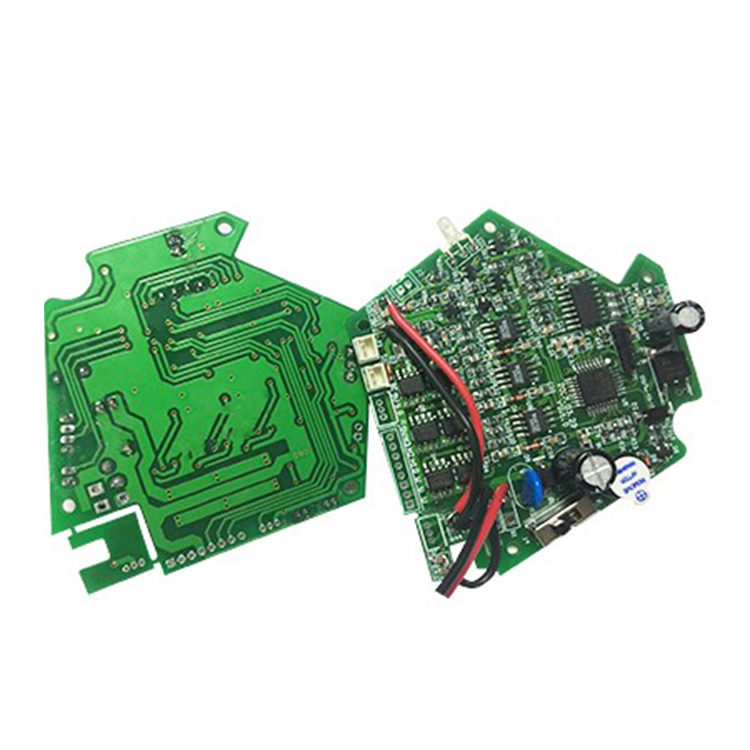
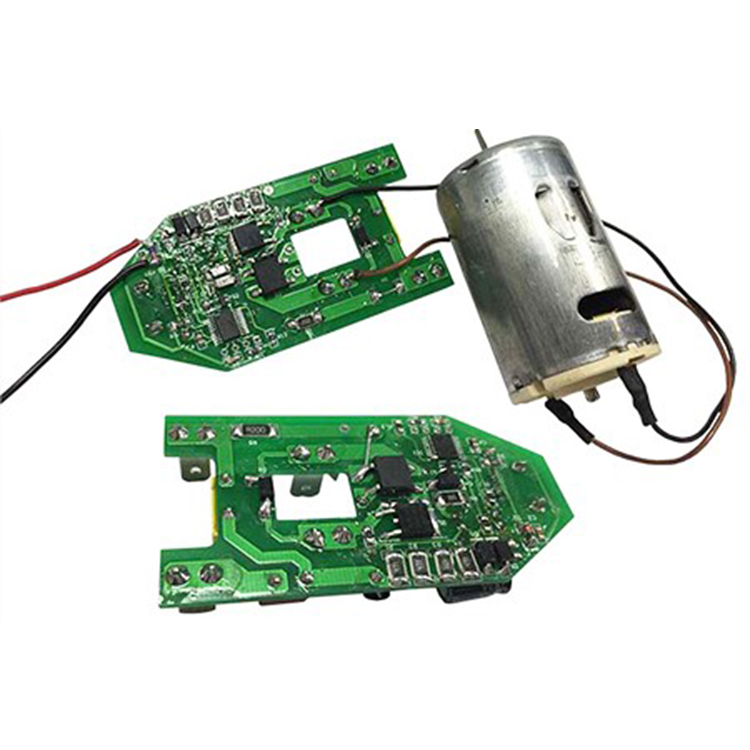
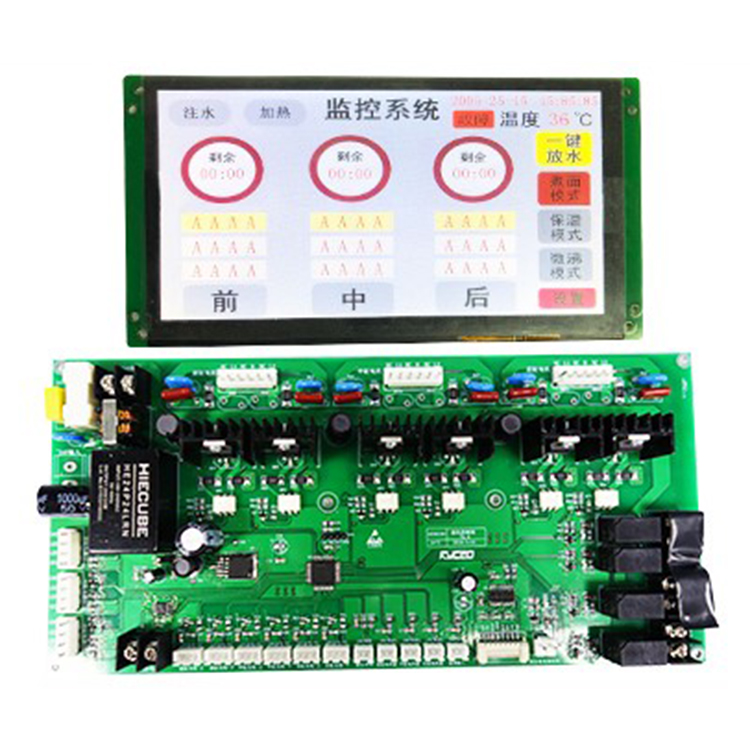
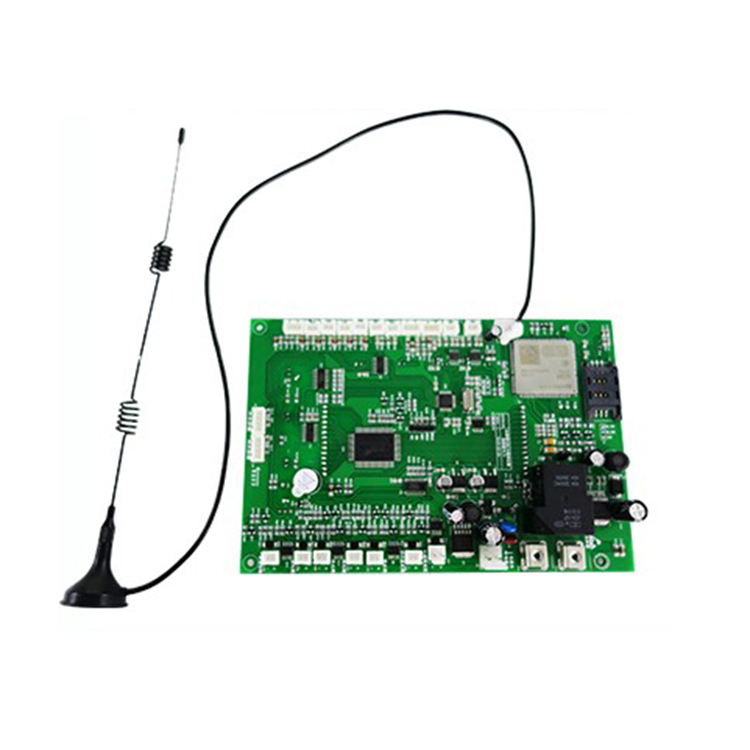
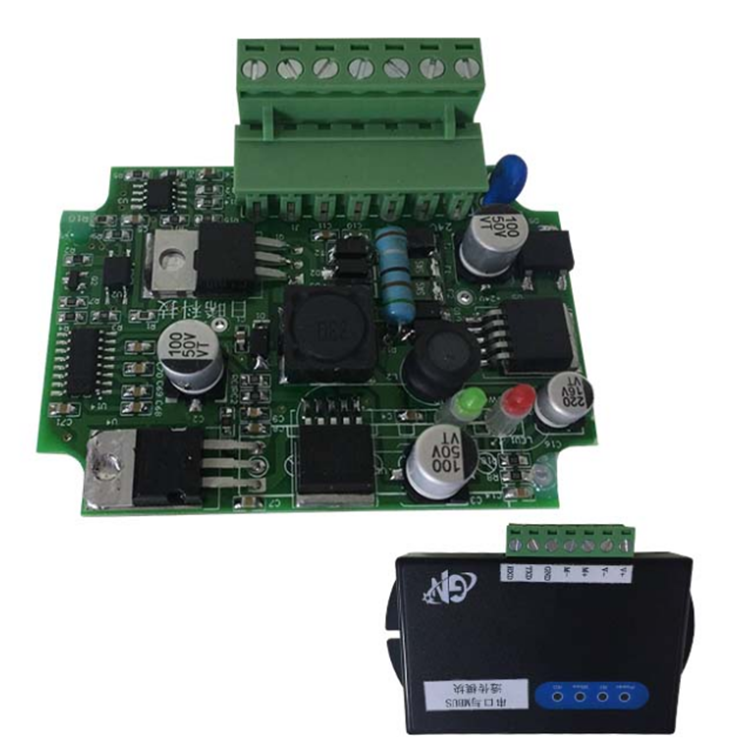
Subject: Worn-out, non-functional circuit boards, connectors, cables, etc., deemed completely scrap.
Target Materials: Precious metals such as gold, silver, platinum, palladium, and base metals like copper and aluminum. This recycling process is handled by metal smelting factories.
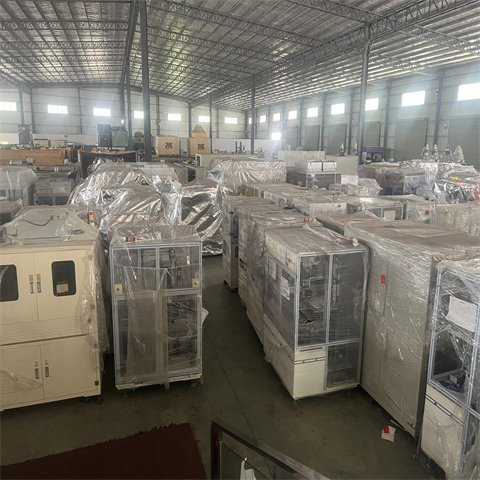
Core Process for Semiconductor Equipment Recycling
Evaluation and Valuation:
Information Collection: Scrap dealers need to know the model of the equipment, production year, usage history, maintenance records, and current status (whether it is on the machine stand and whether it is operational).
On-site Inspection: Send engineers to the site for preliminary testing and assessment of the equipment.
Quotation: Based on market supply and demand, equipment condition, renovation costs, and other factors, provide a buyout price or cooperative plan.
Dismantling and Packaging:
Technical Team: Must be operated by a team of experienced engineers, adhering to strict SOPs to prevent equipment damage during disassembly.
Static Dissipative and Cleanroom Requirements: Anti-static packaging is required for precision parts, and operations must be conducted in a cleanroom environment.
Documentation Record: Detailed photographs and notes of the dismantling process, cable connections, and component locations are taken for ease of reinstallation later on.
Transportation and Storage:
Logistics: Utilize specialized logistics tools such as air cushion vehicles and temperature/humidity-controlled trucks to ensure equipment is protected from vibration and temperature/humidity fluctuations during transit.
Compliance: Adhere to import/export regulations and relevant environmental protection laws during cross-border transportation.
Inventory Inspection and Refurbishment:
Deep Cleaning: Conducted in a state-of-the-art cleanroom, ensuring thorough cleaning to remove all particles and chemical residues.
Comprehensive Testing: Utilize testing equipment and software to assess various performance indicators of the equipment.
Maintenance and Replacement: Replace all aging or underperforming parts, such as seals, filters, pumps, etc.
Resale or Disassembly:
Refurbished Machine Sales: Sell refurbished equipment to customers in need through our own channels or agents, such as emerging wafer fabs and research institutions.
Parts Inventory: Decode, test, and incorporate available dismantled parts into the spare parts stock for sale.
Waste Management: Hand over valueless waste to qualified environmental protection companies for harmless treatment and resource recycling.