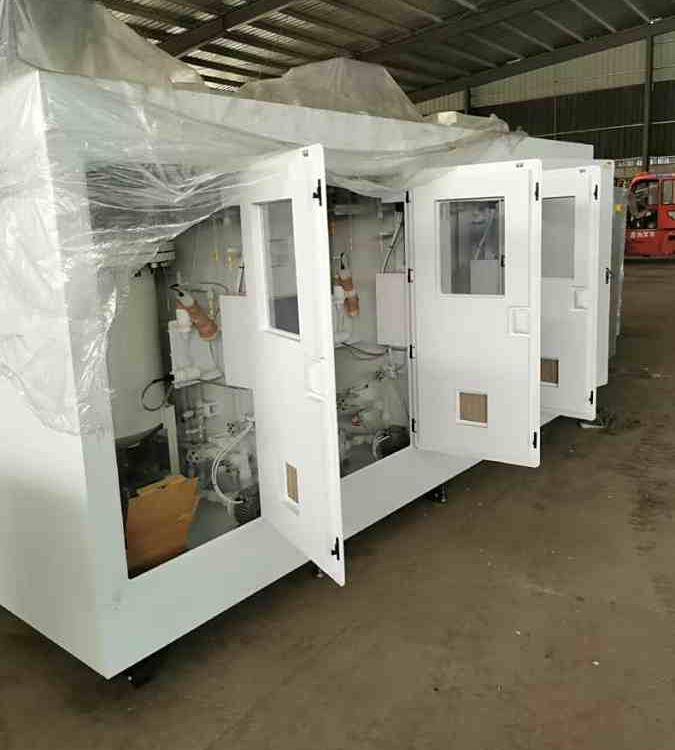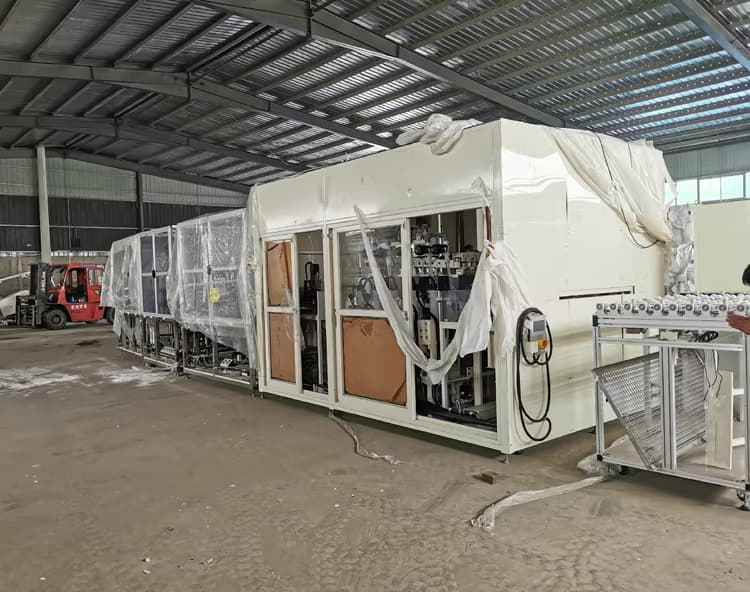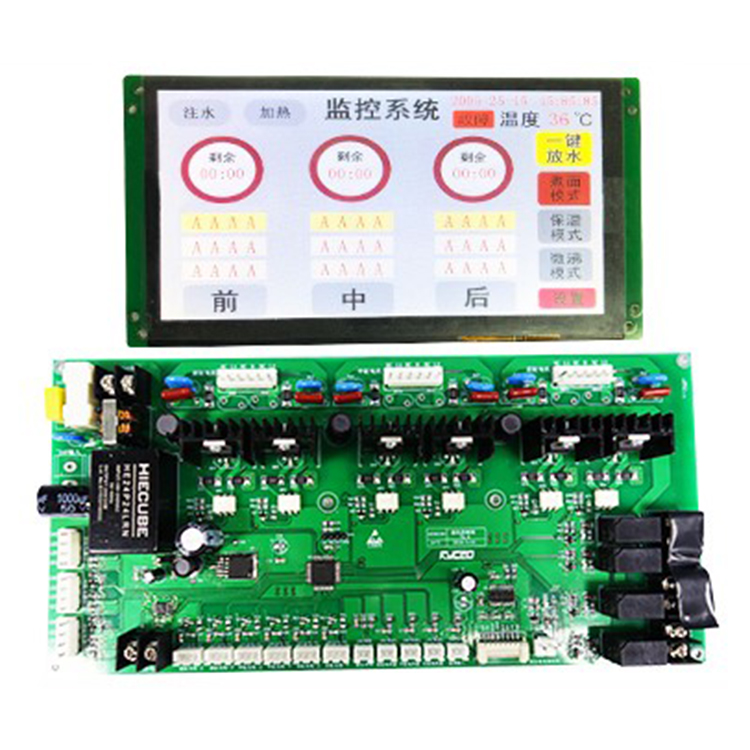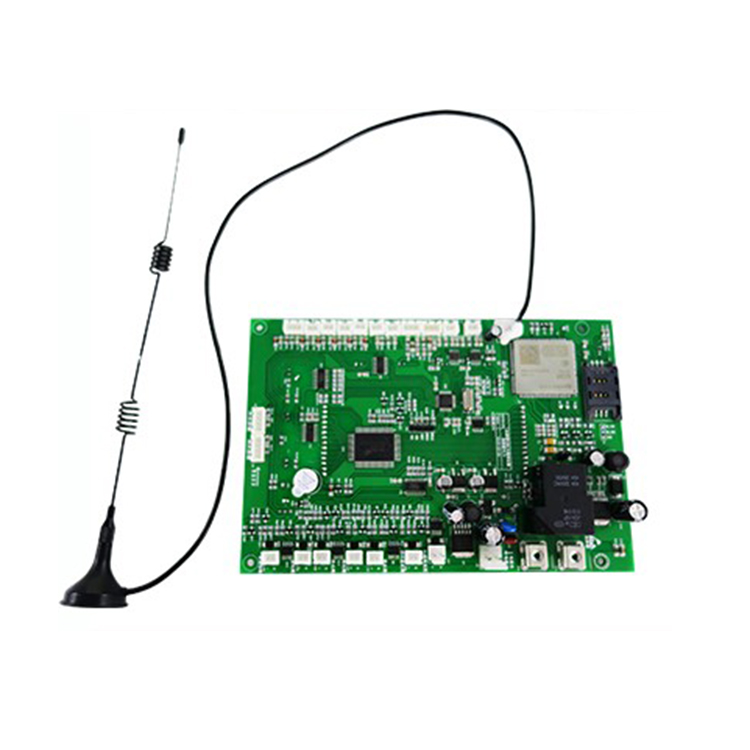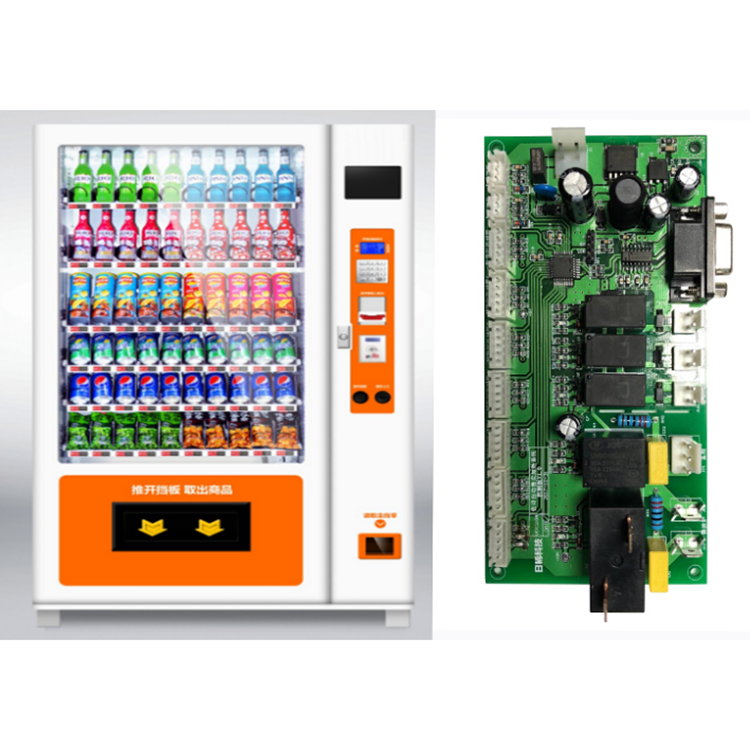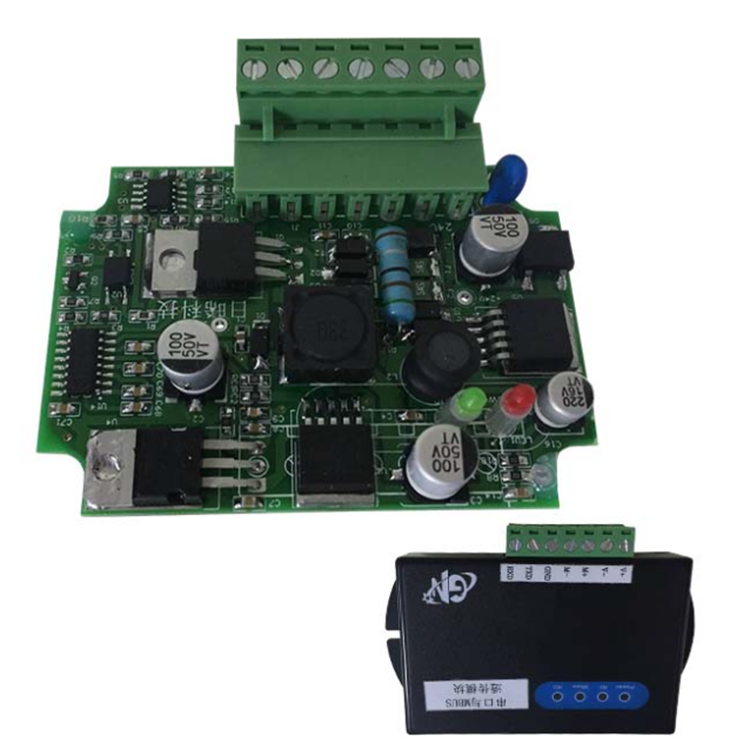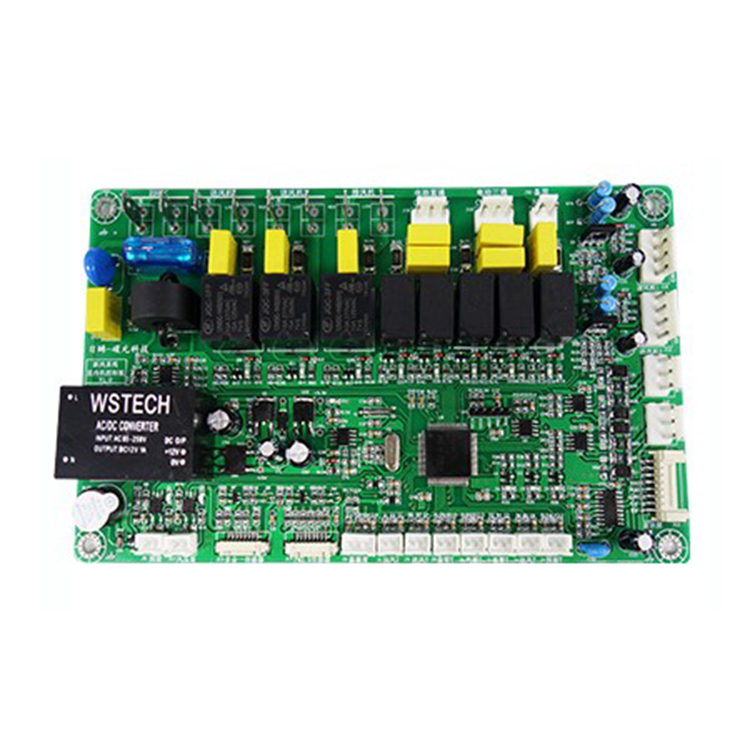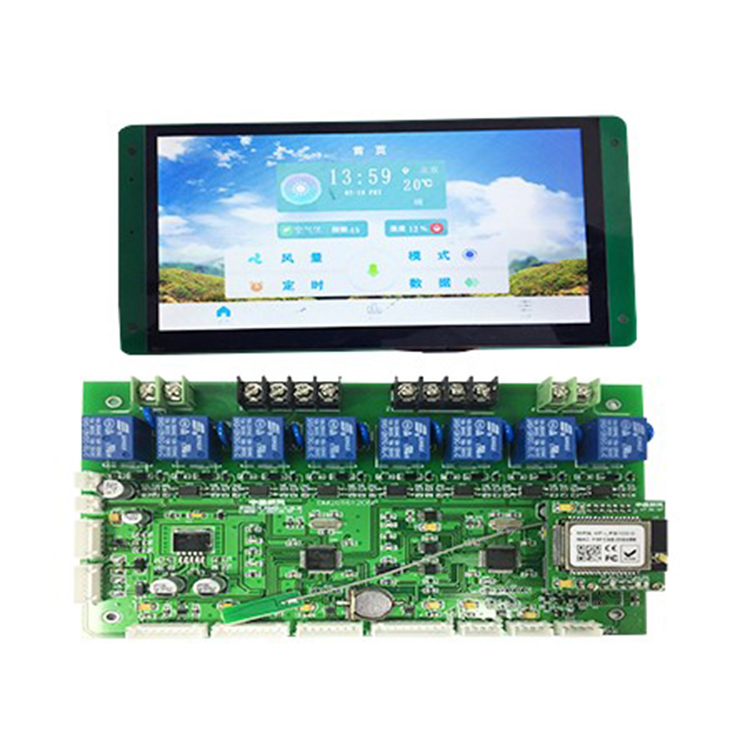

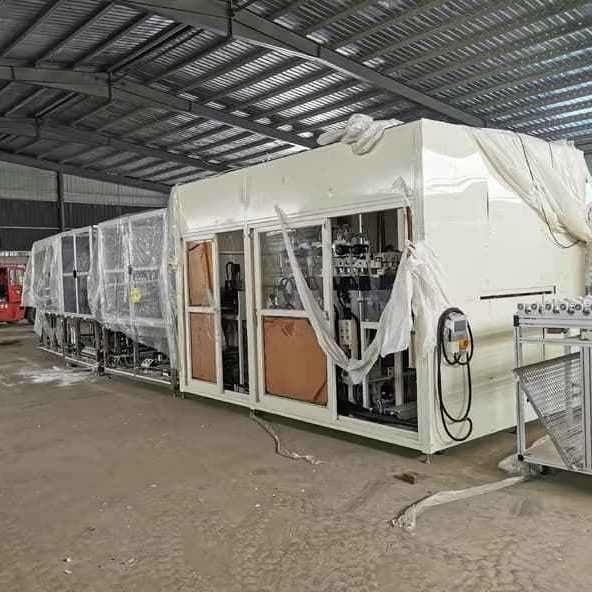
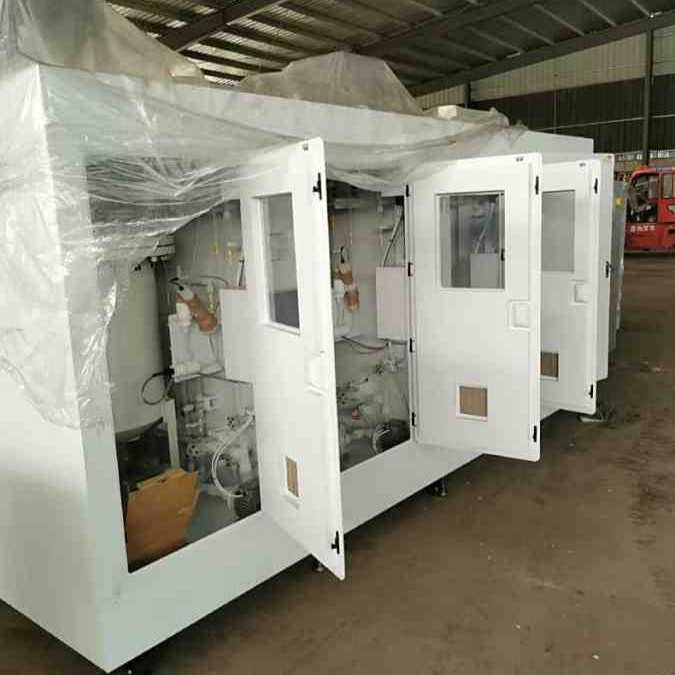


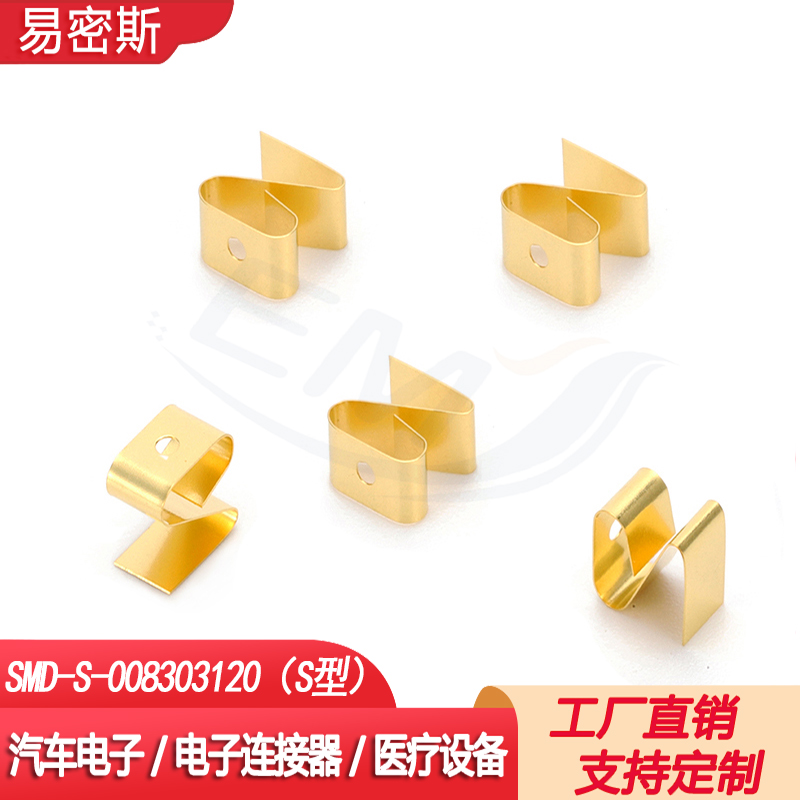
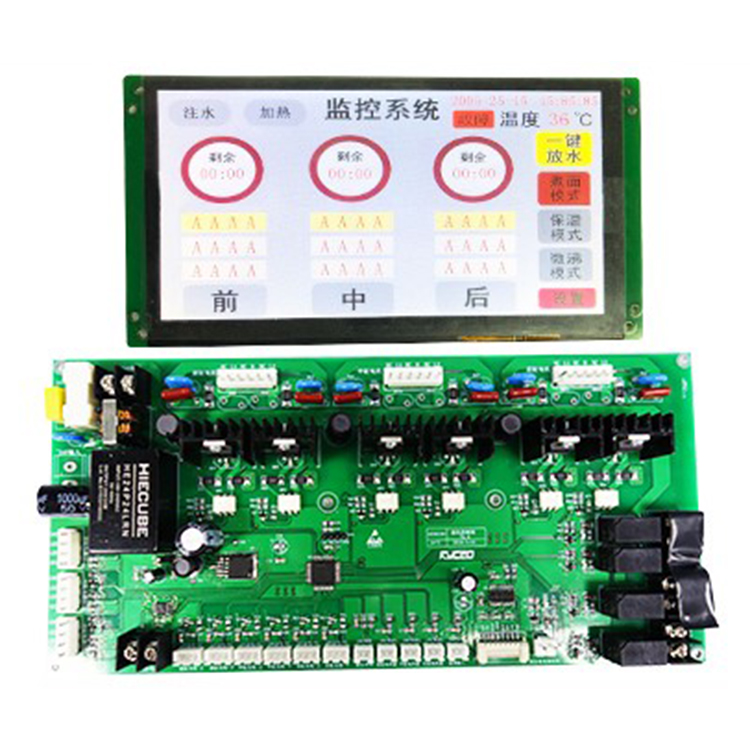





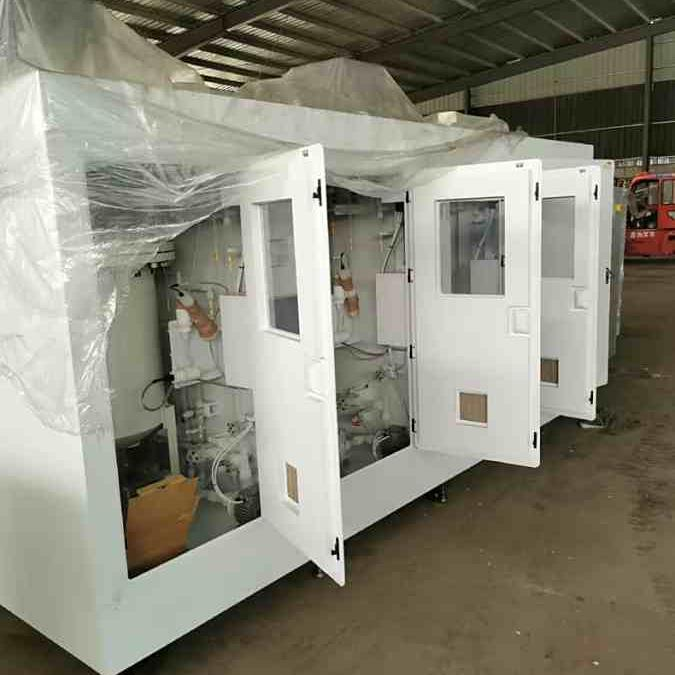
Typical core steps for metal hardware recycling include:
Assessment & Pricing: Technicians conduct on-site inspections of the equipment's condition (such as model, age, and wear), evaluate the remaining value, and provide a quotation.
Contracting and Planning: Both parties sign a recycling contract, specifying prices and payment methods. Develop plans for dismantling and transportation.
Disassembly and Transportation: Technicians dismantle the equipment according to regulations and label the components. Arrange for an appropriate transportation method to remove the equipment.
Subsequent Processing: Equipment that can be used as a whole is sold as second-hand after inspection and repair; valuable parts are disassembled and recycled; non-valuable scrap equipment is handled by qualified companies for environmental disposal.
To ensure a smoother recycling process and protect your rights, pay special attention to the following points:
Safety: Throughout the recycling process, safety is of utmost importance. Whether it's equipment disassembly, transportation, or storage, relevant safety regulations must be adhered to. During equipment disassembly, staff must wear necessary protective gear, such as hard hats, gloves, and safety goggles.
Choose a reputable recycler: It's advisable to select a qualified and reputable recycling company. This not only ensures that equipment is handled legally, avoiding environmental risks, but usually also secures a fairer price. Compare several companies.
Ensure all procedures and documents are complete: It is crucial to sign a formal recycling contract. The contract should clearly outline the equipment list, pricing, payment methods, handover time, and rights and responsibilities of both parties. Additionally, properly keep all documents and assessment records from the recycling process for easy reconciliation and traceability later on.
Equipment Value: Ensuring regular maintenance and care during the equipment's use will result in a better condition upon recycling, which naturally increases its value. Before recycling, take the time to familiarize yourself with the equipment and provide the recycler with accurate information (such as usage, repair records, etc.), which helps prevent undervaluation during the assessment.