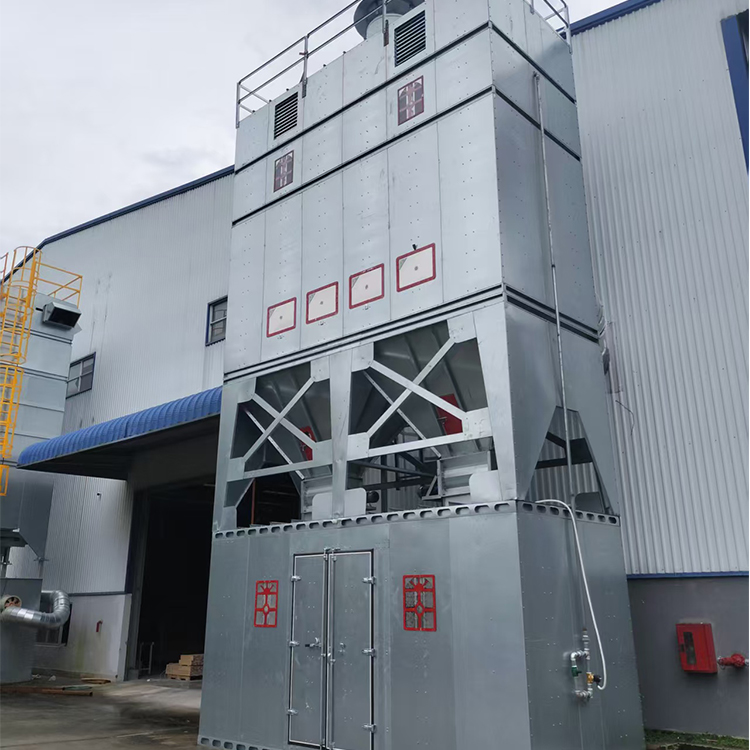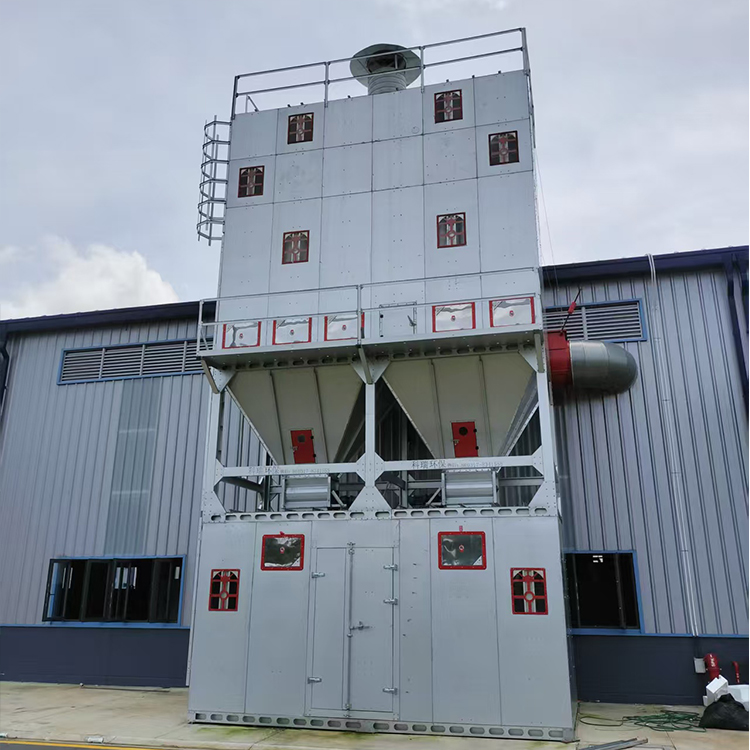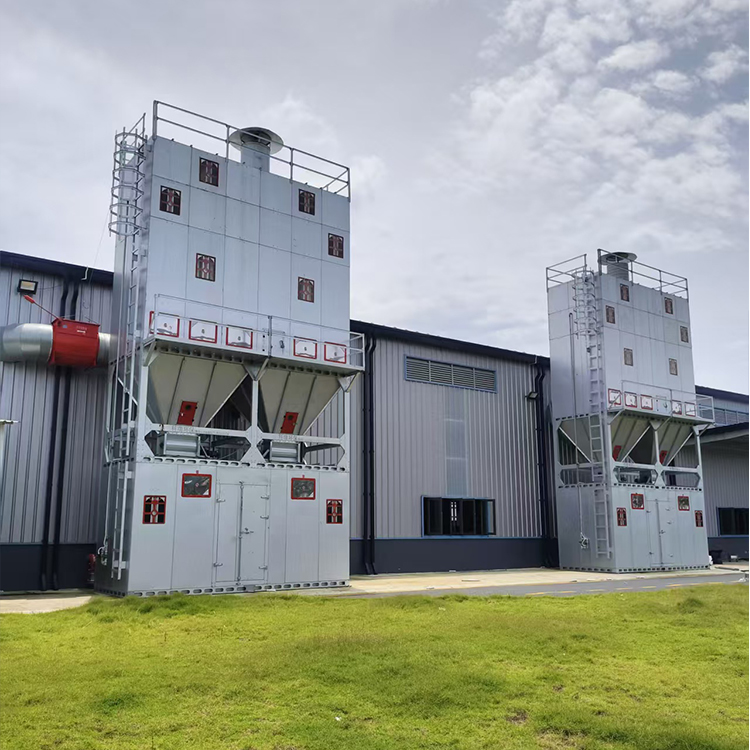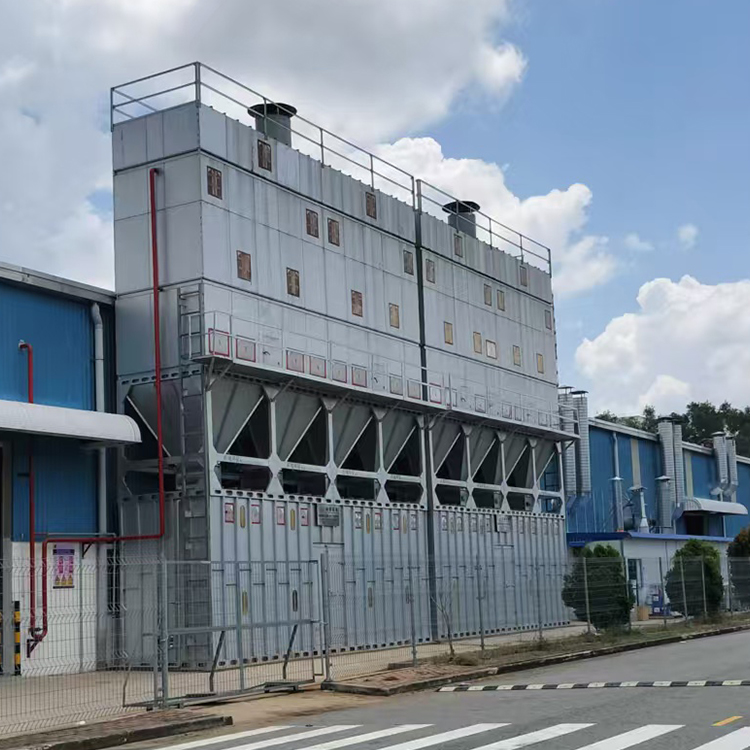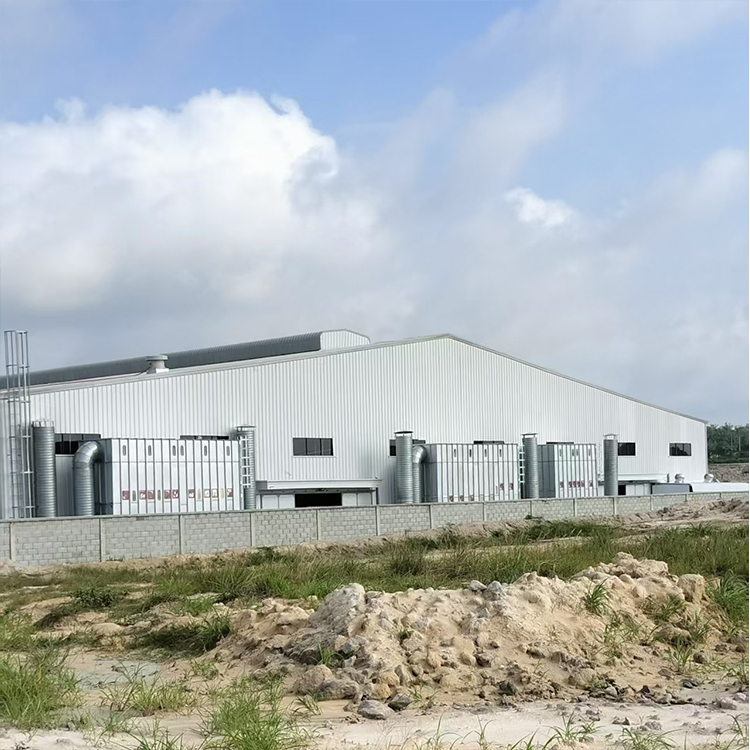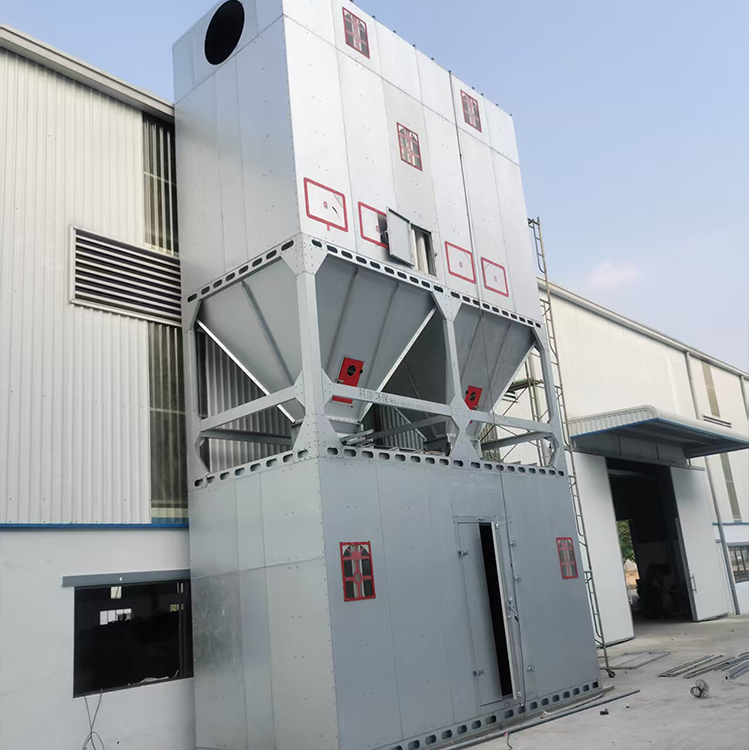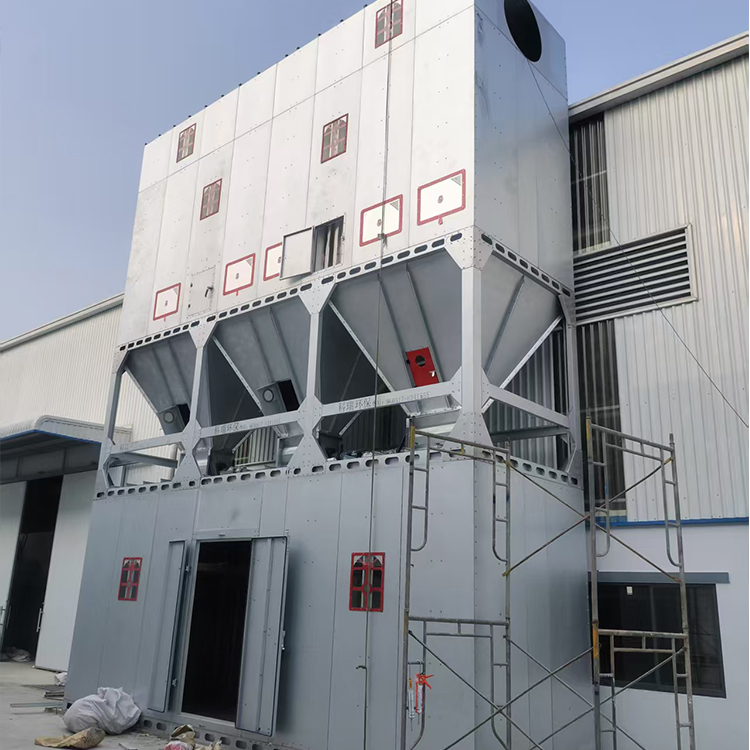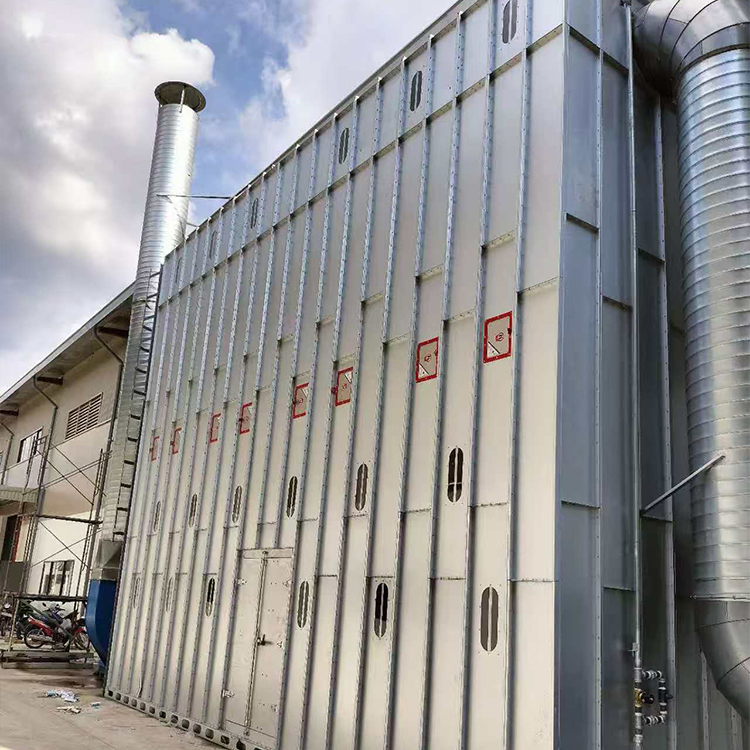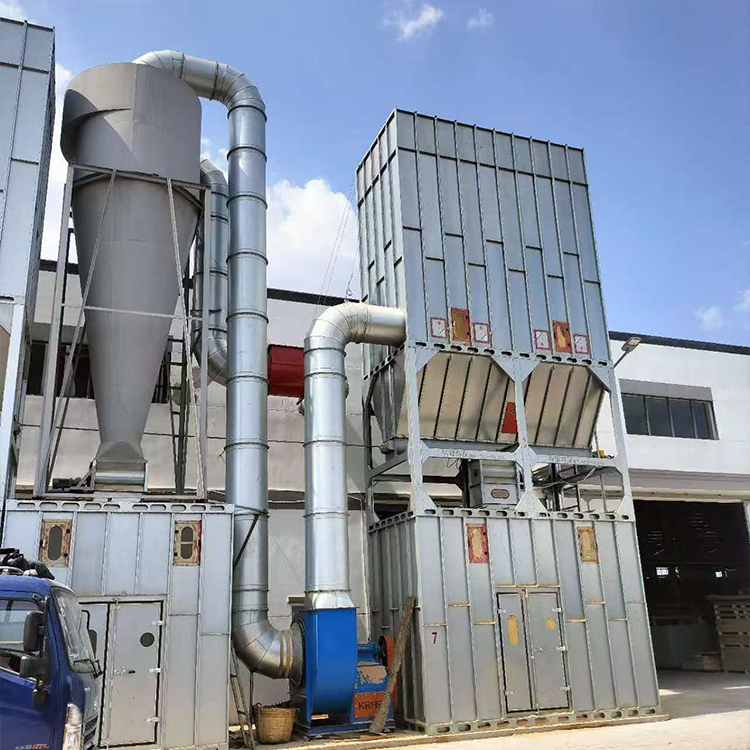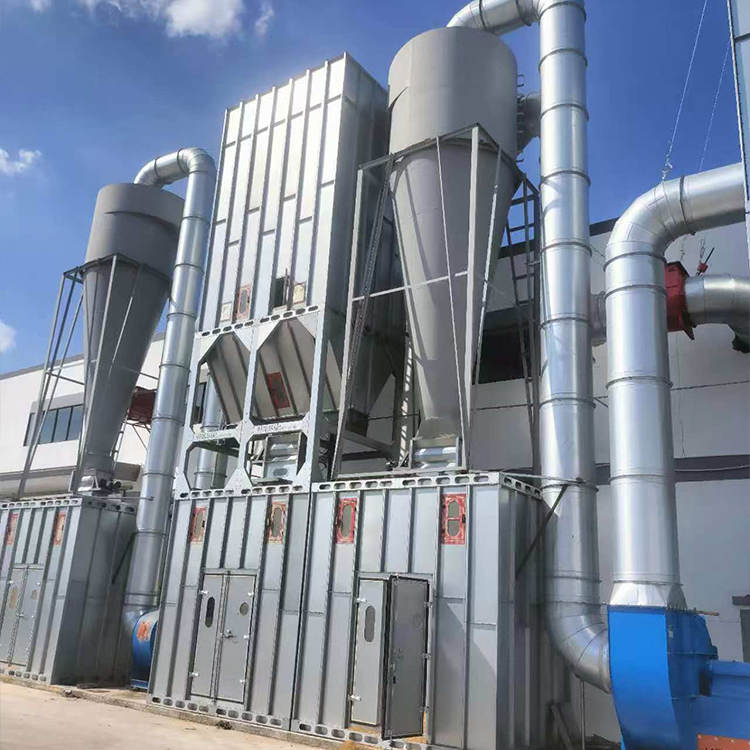

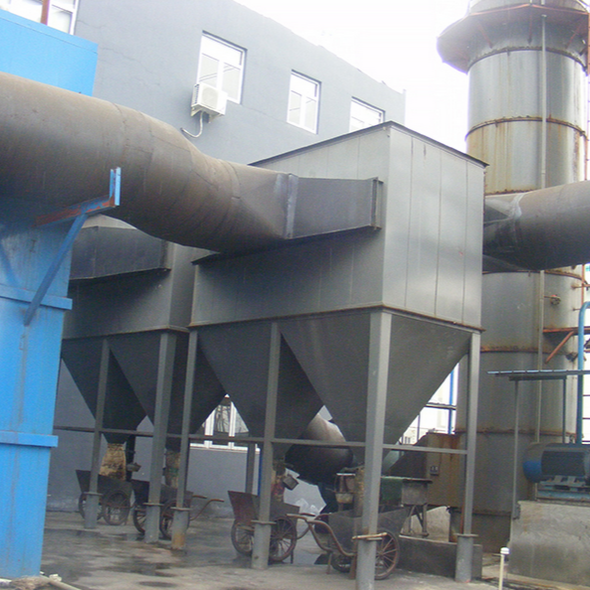


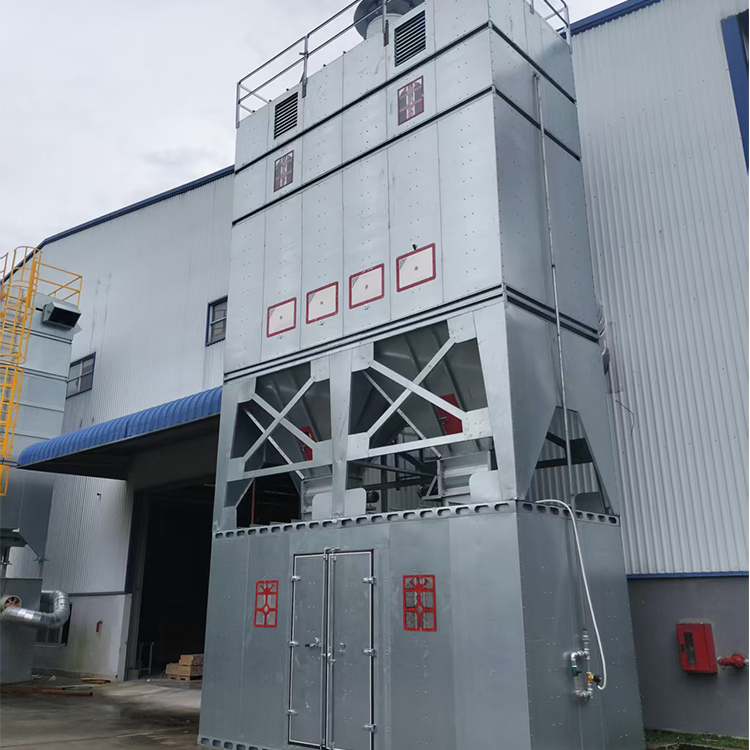
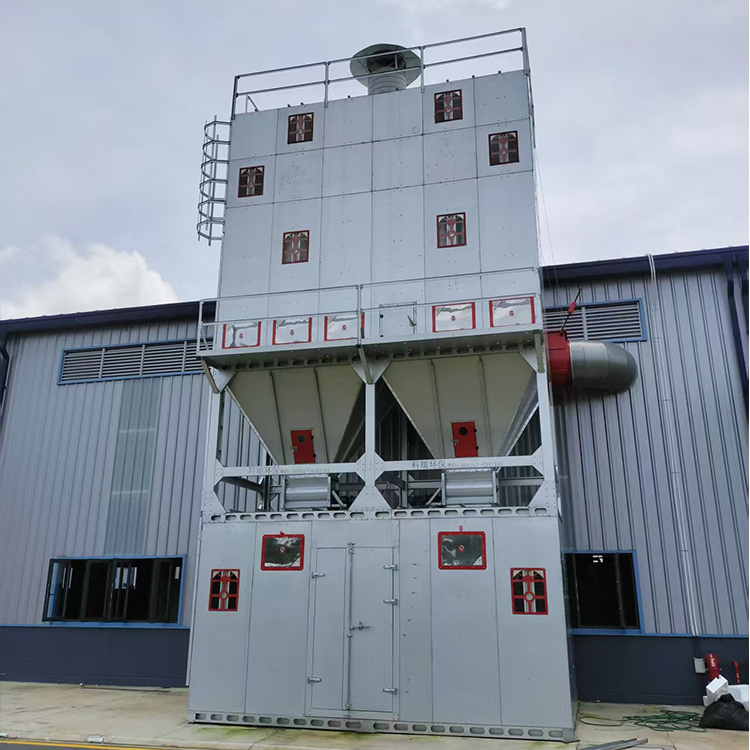
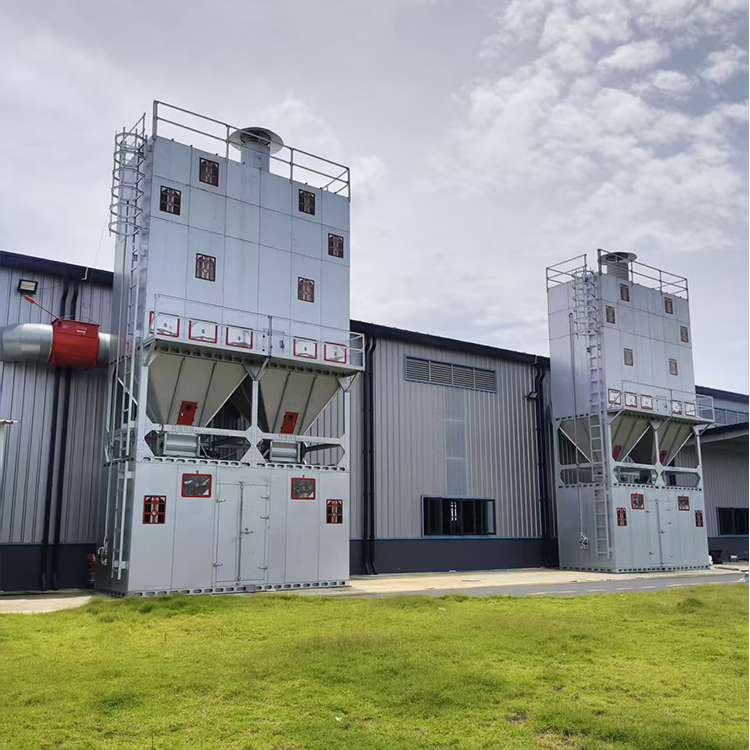
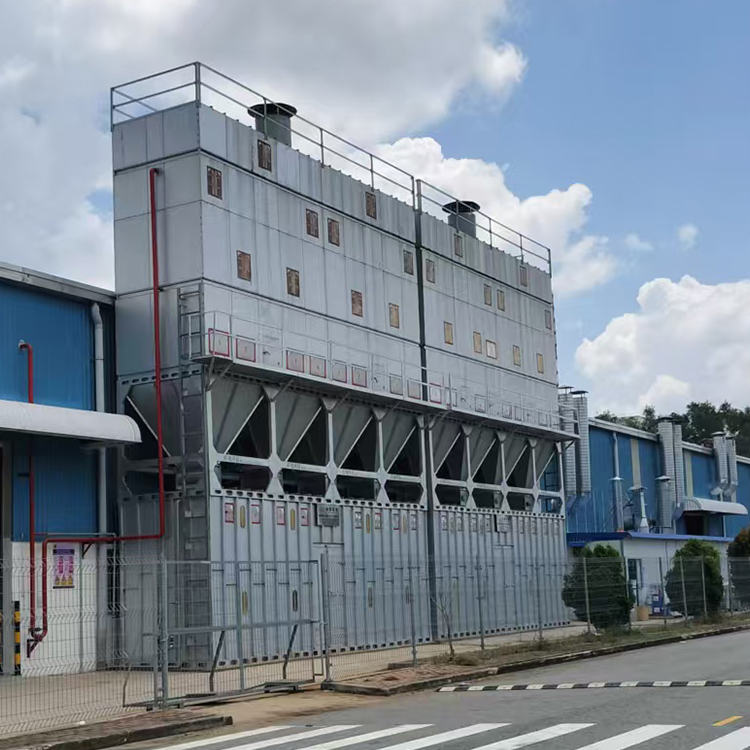
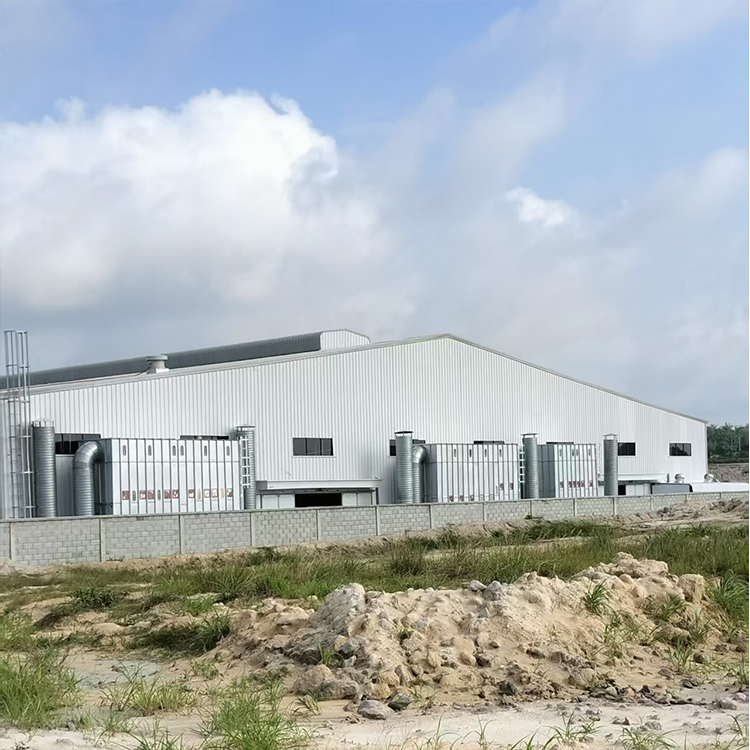





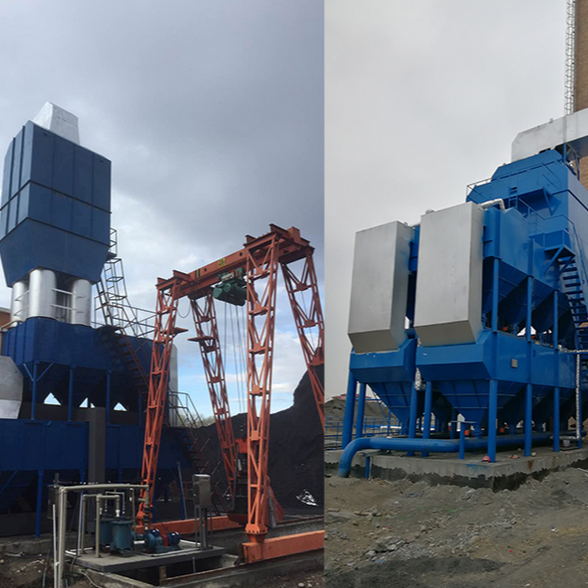
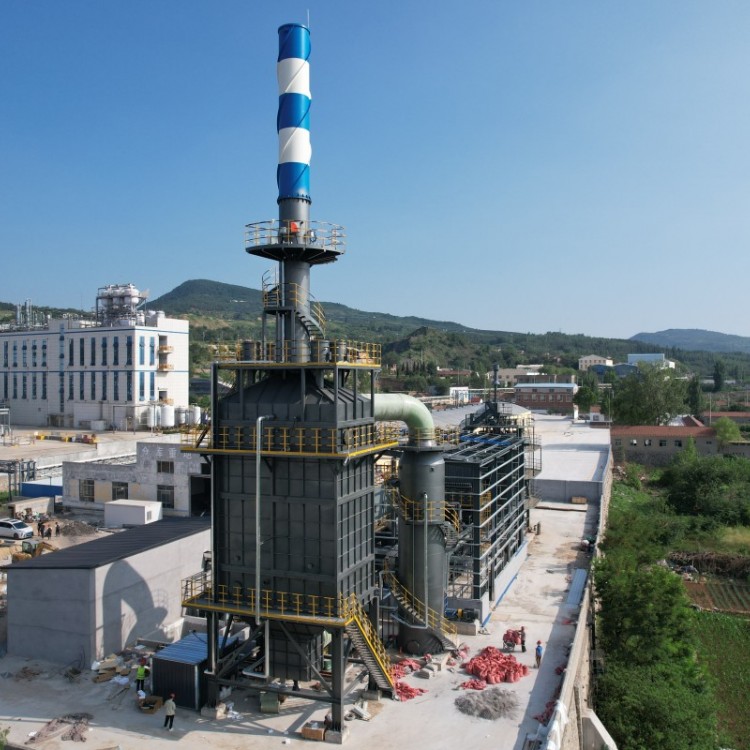
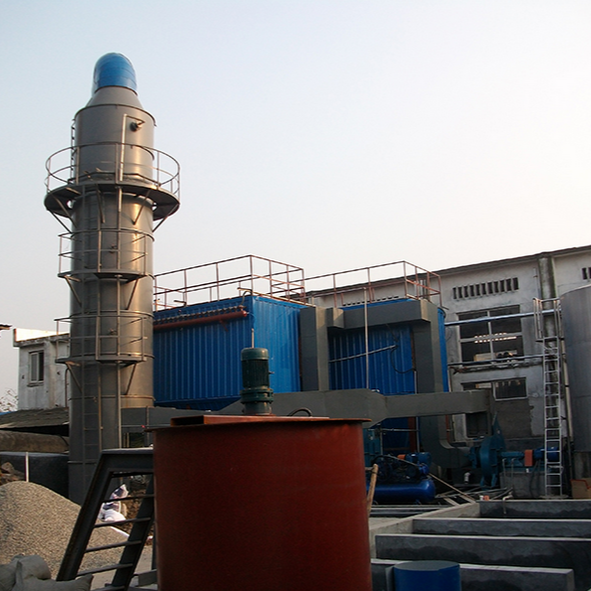
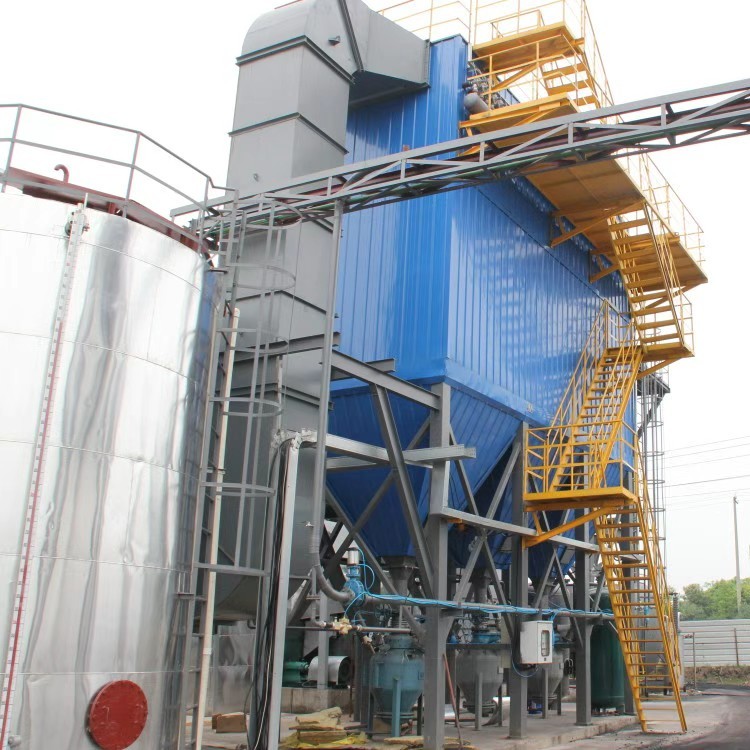
Ceramic multi-tube dust collectors and cyclone-type dust collectors, suitable for industrial boilers and power station boilers of various models and different combustion methods, including chain furnaces, circulating fluidized bed boilers, hot water boilers, biomass boilers, reciprocating furnaces, bubbling furnaces, coal thrower furnaces, water-coal slurry furnaces, sintering machines, hot air furnaces, lime kilns, and rotary kilns.
I. Equipment Usage and Features
1. This dust collector can also be used to treat other industrial dusts, such as cement, lime powder, and other valuable dusts for recovery.
2. High air volume handling, strong load adaptability, smooth and durable ceramic core, no clogging issues.
3. Compact land area; adaptable to the user's site conditions, allowing flexible installation both indoors and outdoors.
4. Export to the side, top, and side出口, for easy connection to the flue.
5. Generally without braking components, easy to manage, simple to maintain, no additional costs required.
6. The housing is made of carbon steel, with all non-flange interfaces being continuously welded, ensuring an overall air leakage rate of less than 3%.
7. The lower dust collection box angle is designed according to the dust repose angle, typically set at 55~65°, to prevent dust accumulation in the ash hopper.
8. The ash unloading valve is equipped with a manual ash unloading device, and an electric ash unloading valve with better sealing performance is also available.
9. Low initial investment; compared to electrostatic precipitators, this dust collector requires less total investment. Compared to water film precipitators, it does not use recirculating water, has no secondary pollution, no wastewater discharge, and does not require additional water treatment equipment.
II. Dust Removal Principle
Ceramic multi-tube dust collectors utilize a ceramic cyclone element arrangement, consisting of a guide, separator cylinder, and exhaust pipe, all made of ceramic material. As the dust-laden gas enters the dust collector at the inlet, it rotates within the cyclone elements through the ceramic guide. Under the force of centrifugal force, the dust and gas are separated, with the dust settling in the dust collection box and being discharged through the ash discharge valve. The dust that can be reused is recovered, purified, and the cleaned gas forms an ascending air flow, which is then concentrated through the exhaust pipe and emitted from the equipment outlet through the gas collection chamber, achieving the dust removal effect.
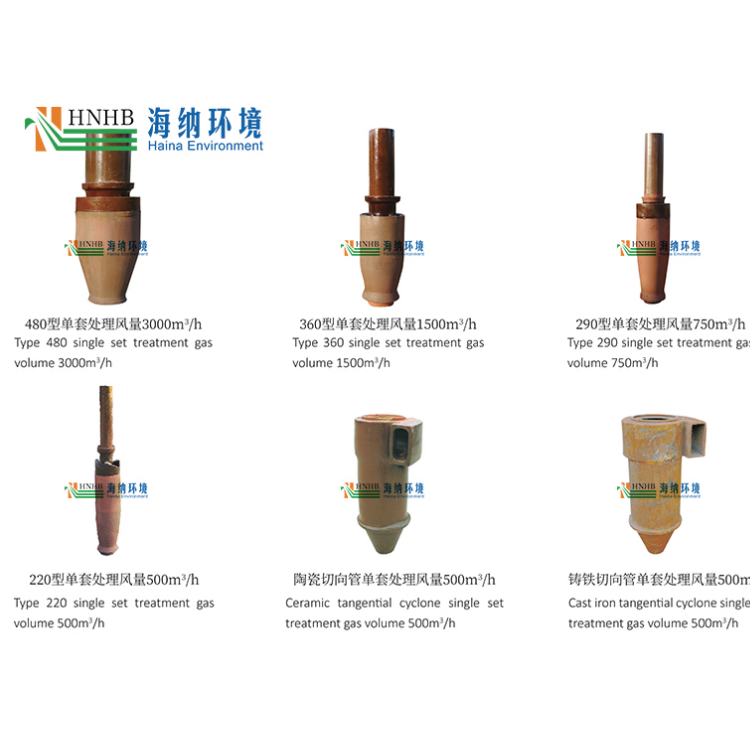
Section 3: Pictures of each dust collector with corresponding cyclone and technical specifications
Removal efficiency for dust particles larger than 10um: 80-90%.
2. Equipment Resistance: 700-900 Pa
3. Ringness: 0~1 grade
Section 4: Equipment Selection
Calculation of the required number of cyclones inside the dust collector
N=Q/C,
Number of N Typhoon Units (pcs):
Q- Processed flue gas volume (m³/h)
Cyclone separator single tube handling capacity, (m³/h/unit)
The cabinet dimensions are redesigned, meeting dust removal efficiency requirements, while also considering on-site security space, transportation conditions, and installation requirements.