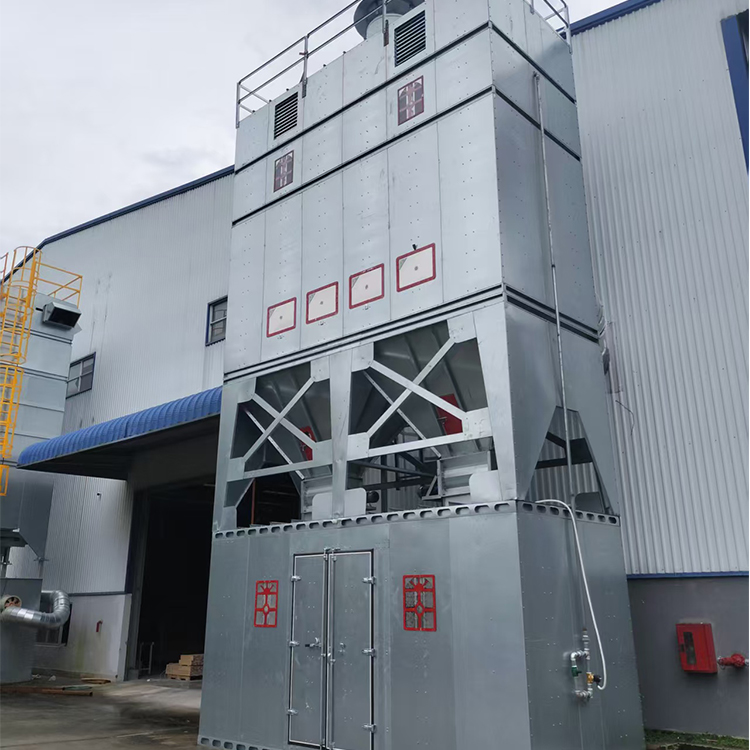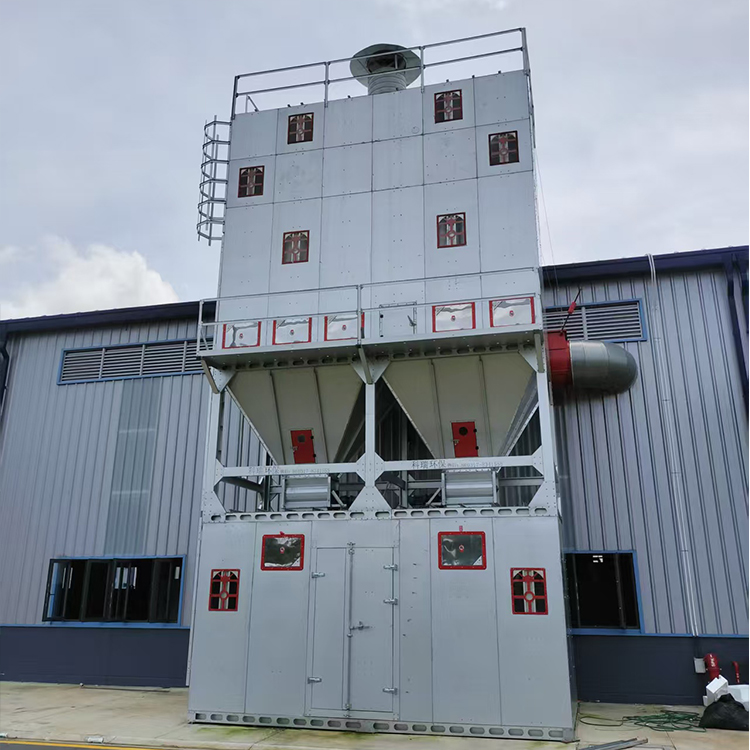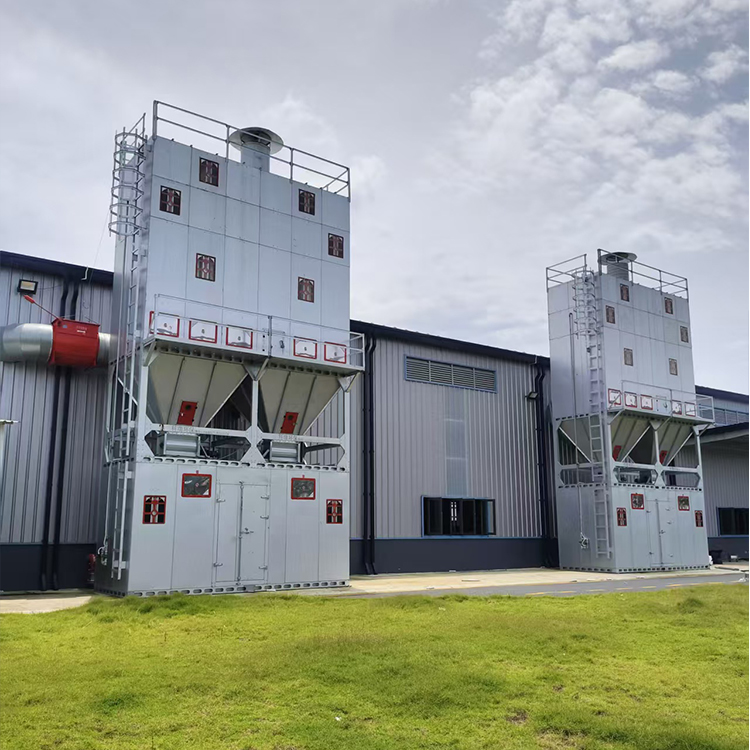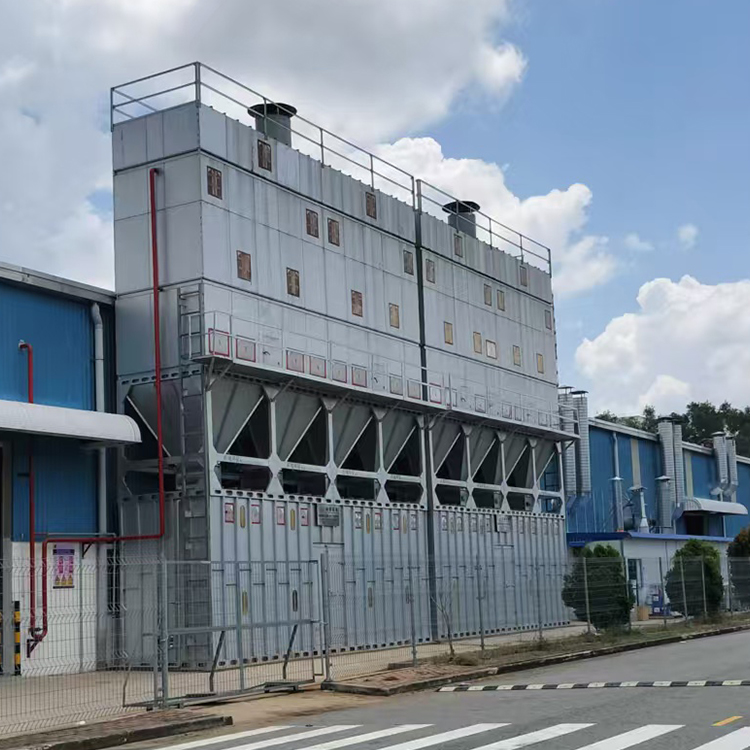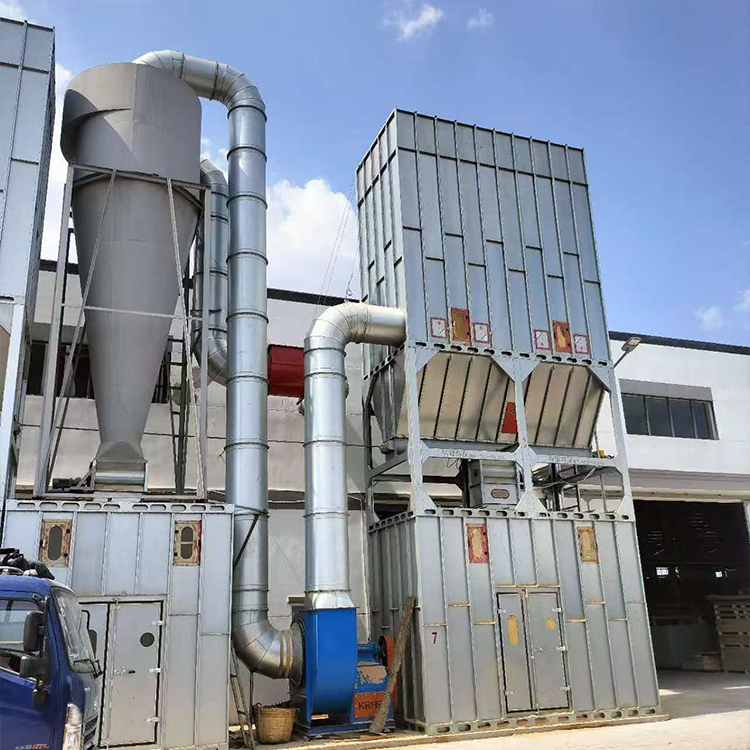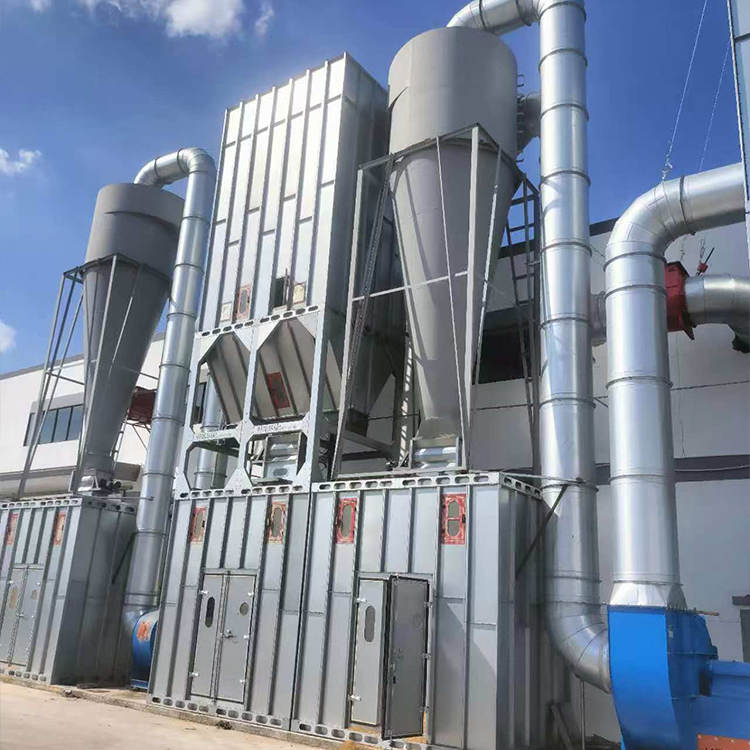

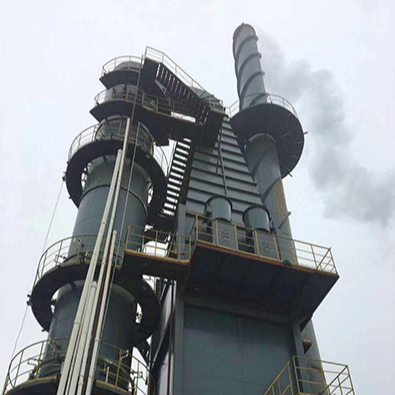


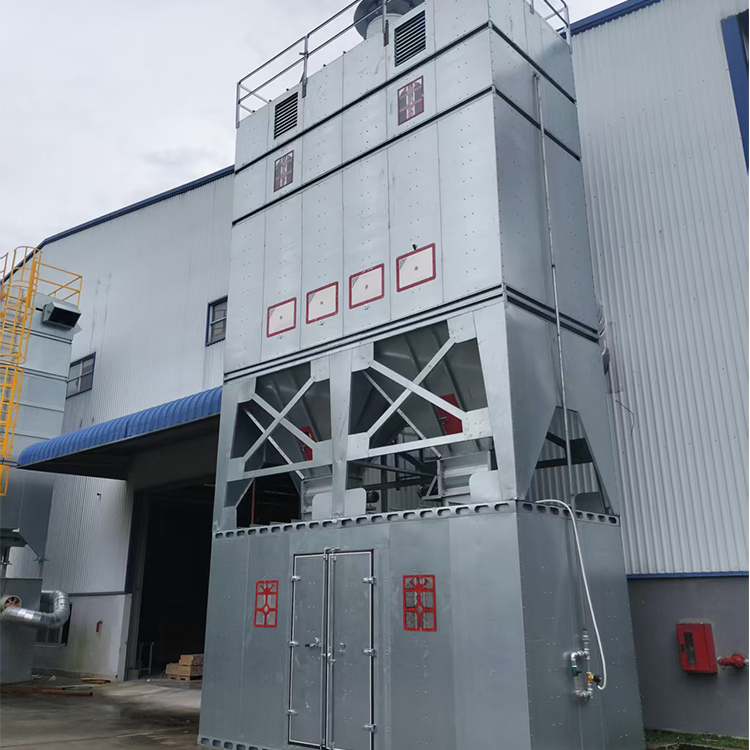
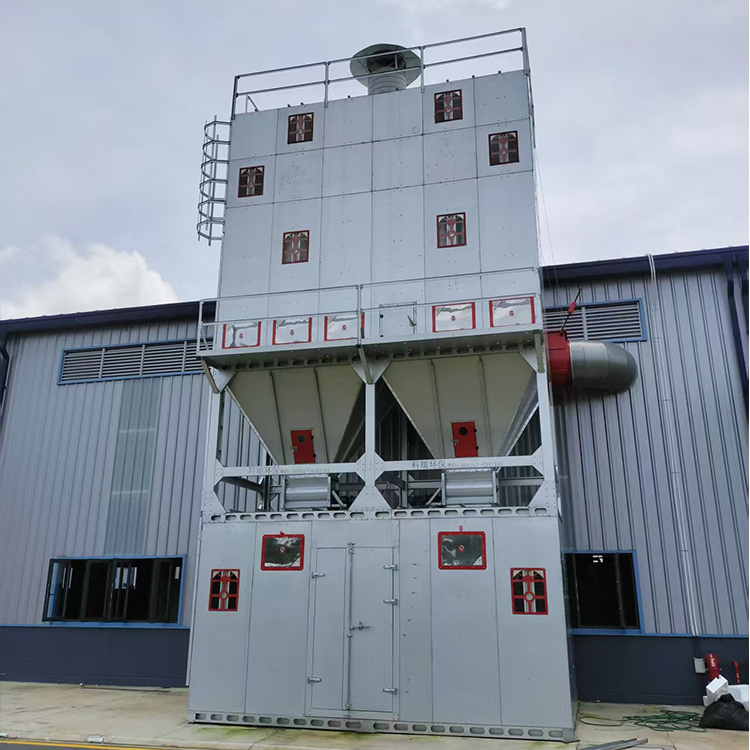
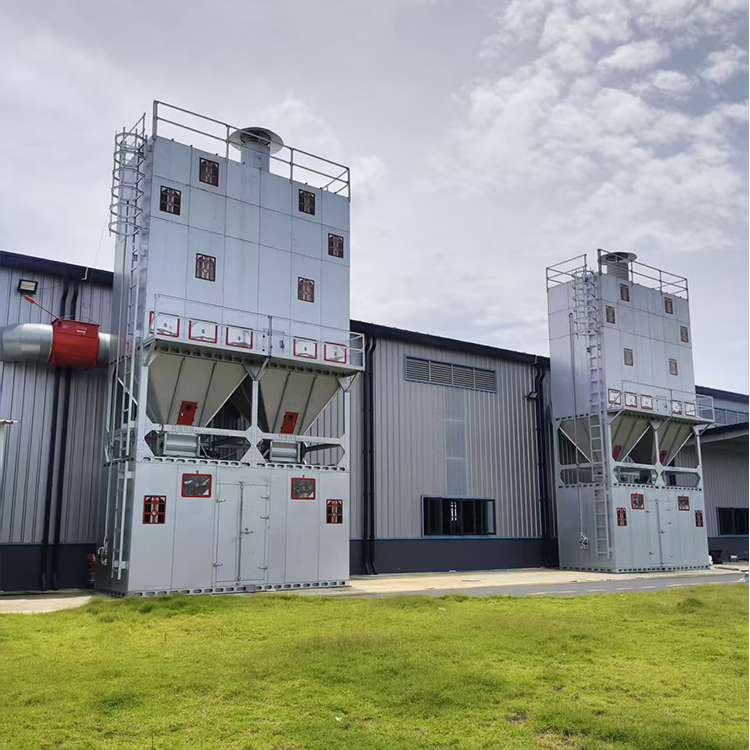
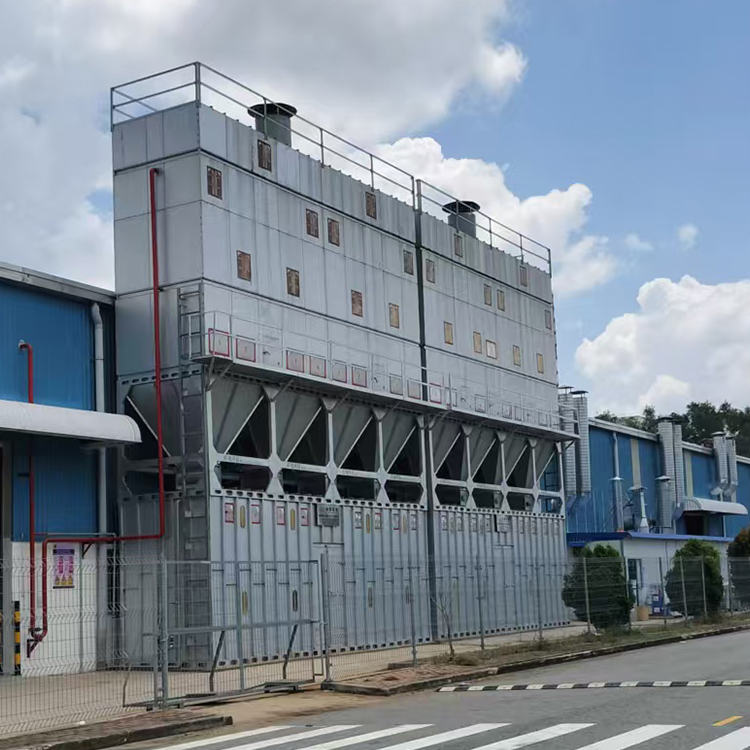
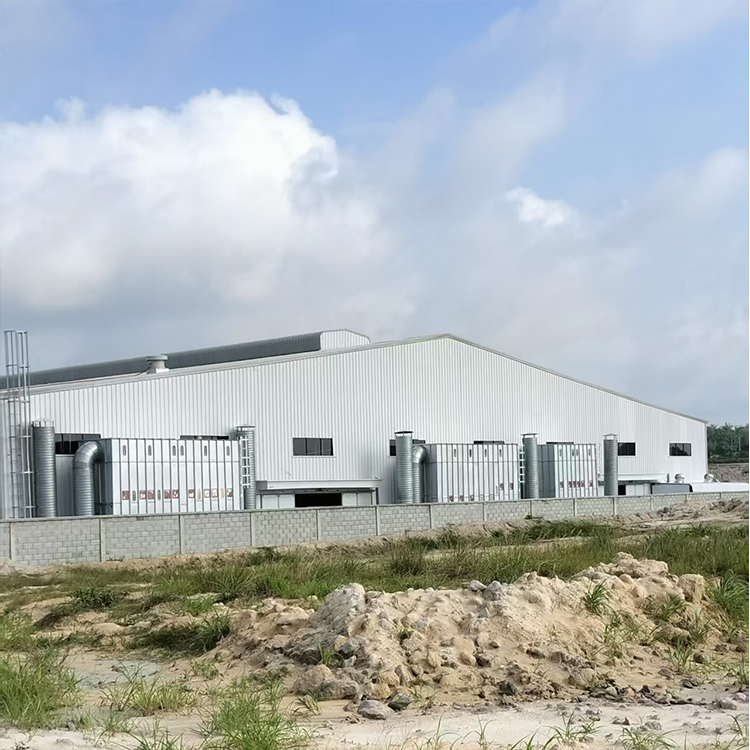





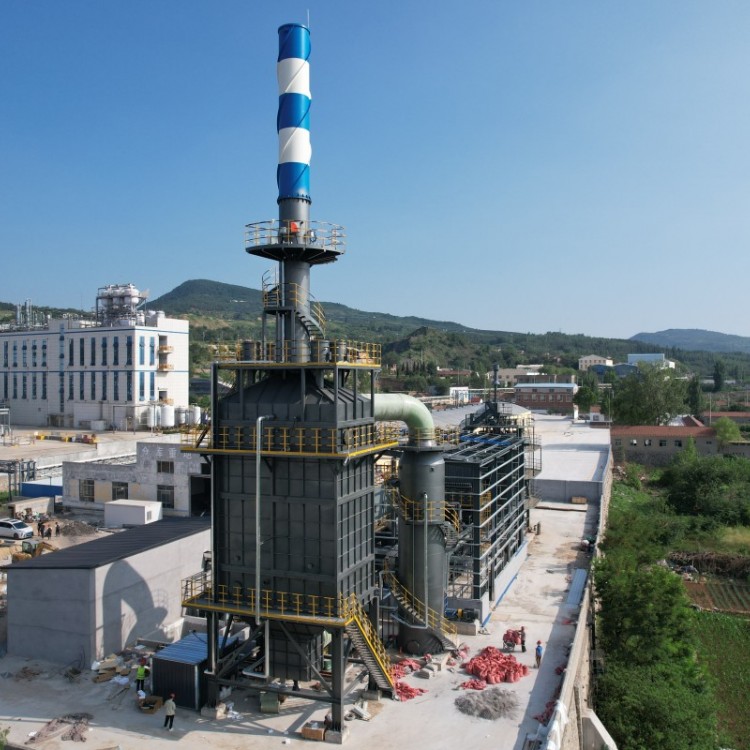
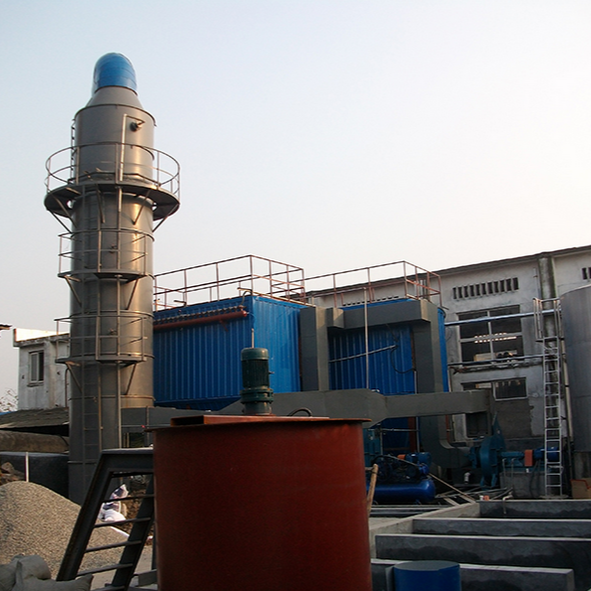
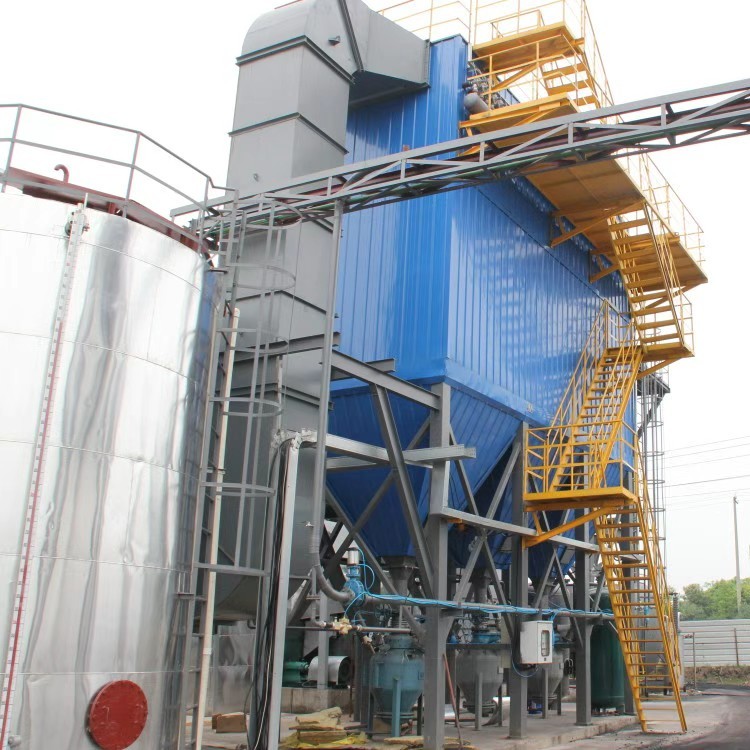
I. Introduction to Ammonia Flue Gas Desulfurization Ammonia Flue Gas Desulfurization (FGD) is a technology for controlling SO2 emissions. It not only removes a large amount of SO2 from flue gas but also produces high-value ammonium sulfate fertilizer products. The dedusting system utilizes a certain concentration (e.g., 28%) of ammonia as a desulfurizing agent, generating an ammonium sulfate slurry that is sent to the fertilizer plant's treatment system. The amount of ammonia used in the desulfurization process is automatically regulated by a preset pH control valve and measured by a flow meter. The ammonium sulfate crystals are crystallized from the saturated ammonium sulfate slurry in the desulfurization tower, producing suspended particles of about 3-5% weight ratio. These slurries are then pumped to the treatment site, where they undergo primary and secondary dewatering, followed by further dewatering, drying, condensation, and storage. This process generates considerable by-products while desulfurizing the flue gas, achieving certain economic benefits for the dedusting desulfurization equipment. II. Reaction Principle and Process 1. Reaction Equation of Boiler Flue Gas Desulfurization and Dust Removal The desulfurization tower is an intermediate device for flue gas desulfurization and the production of ammonium sulfate salts. SO2 in the flue gas is removed in the desulfurization tower, where the pH is controlled at 5.0-5.9, with saturated ammonium sulfate/sulfite. The reaction with SO2 produces ammonium bisulfite/sulfate salts as follows: 1) SO2 + H2O → H2SO3 2) H2SO3 + (NH4)2SO4 → NH4HSO4 + NH4HSO3 3) H2SO3 + (NH4)2SO3 → 2NH4HSO3 In reaction (1), SO2 dissolves in water to form sulfite. In reactions (2) and (3), sulfite reacts with dissolved ammonium sulfate/sulfite salts that are sprayed to the bottom of the reaction pool in the following manner to neutralize acidic substances: 4) H2SO3 + NH3 → NH4HSO3 5) NH4HSO3 + NH3 → NH4HSO4 + NH4HSO3 6) H2SO3 + NH3 → (NH4)2SO3 Oxygenated air sprayed to the bottom of the desulfurization tower oxidizes sulfites to sulfates as follows: (NH4)2SO3 + 1/2O2 → (NH4)2SO4 A large amount of ammonium sulfate is produced in the tower. When the solution becomes saturated with sulfate, ammonium sulfate precipitates out of the solution in the form of crystals. The latent heat is provided by the residual heat of the flue gas as follows: (NH4)2SO4 (liquid) + latent heat → (NH4)2SO4 (solid) The salts in the desulfurization tower either dissolve in the solution as ions or precipitate out in crystal form. The product slurry is fully oxidized with the main components of the ongoing chemical system and crystallized ammonium sulfate salts.
WeChat Official Account

Scan to follow Official Account