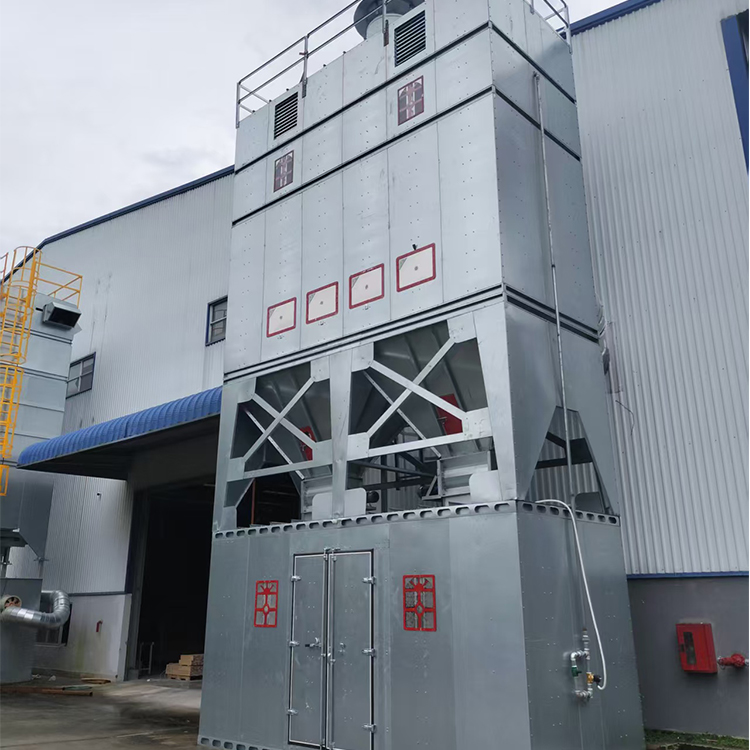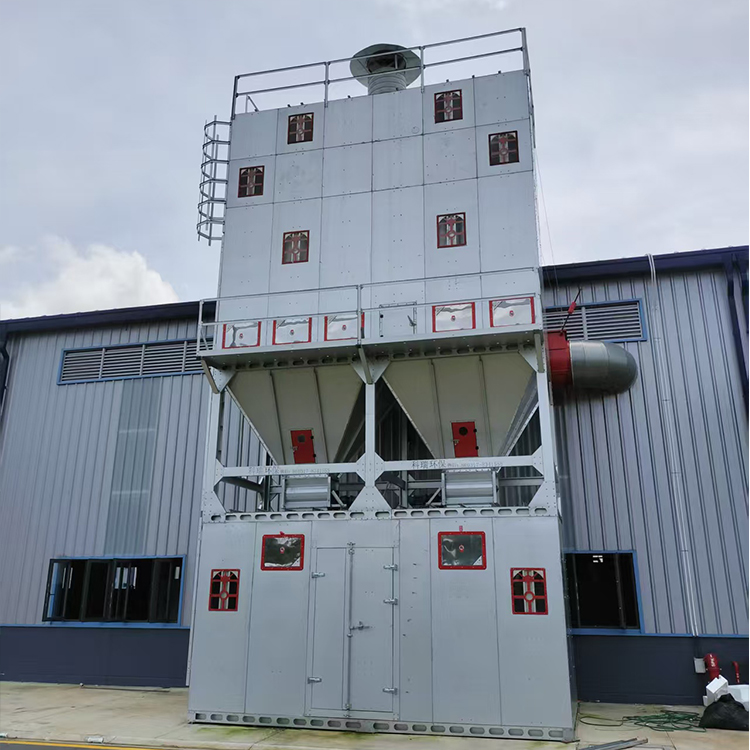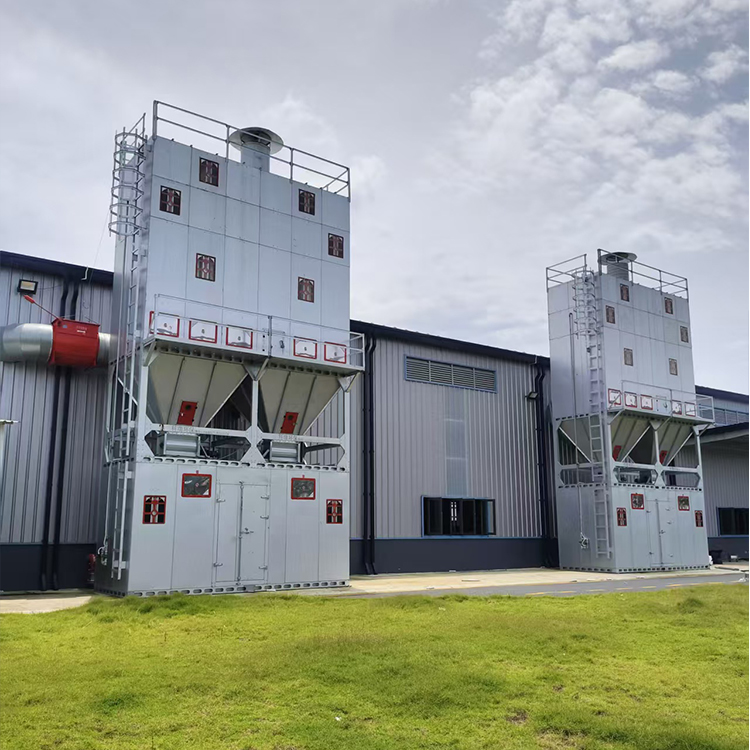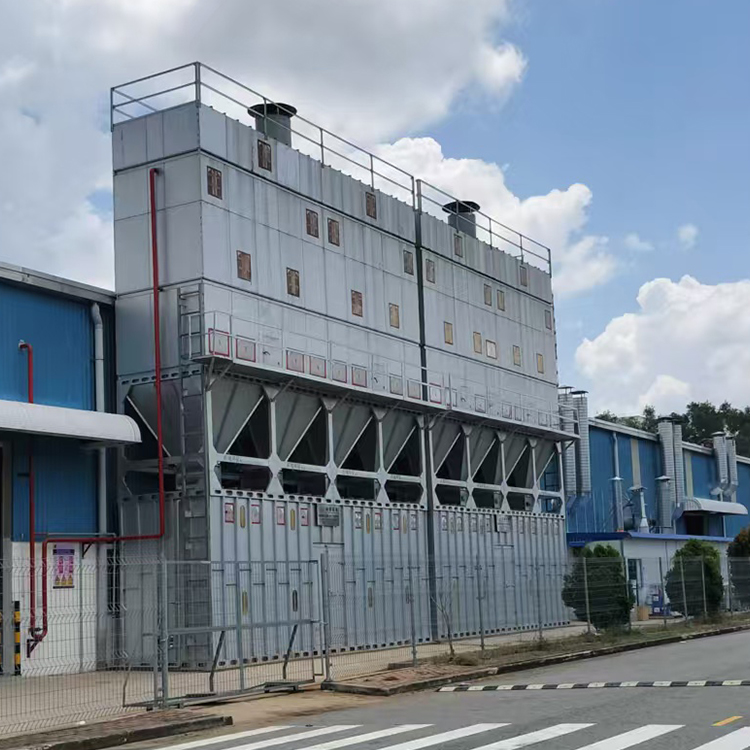



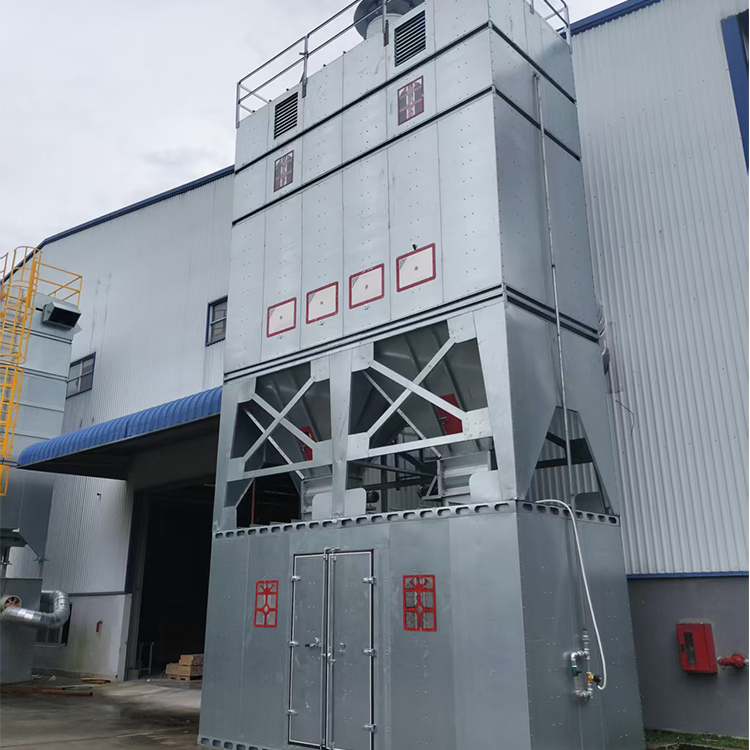
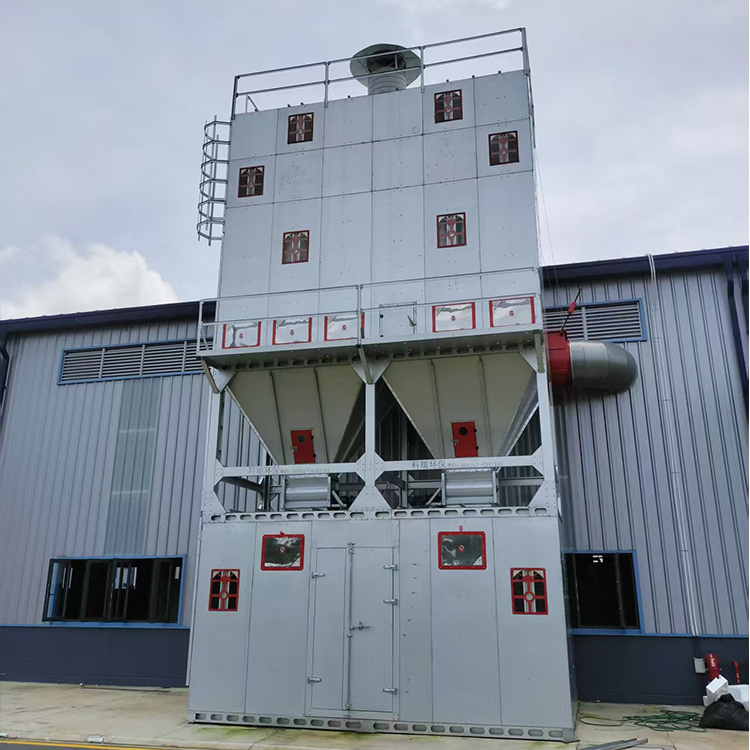
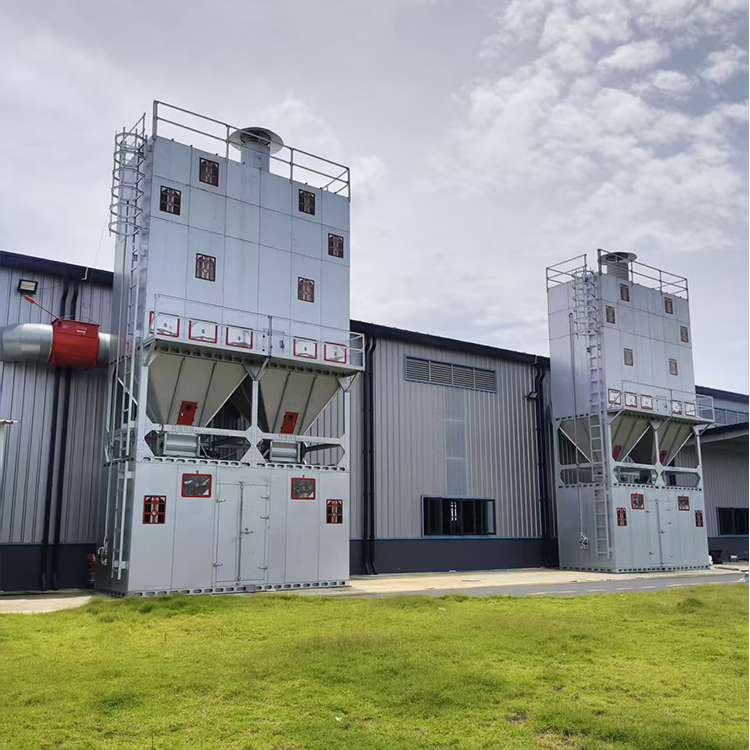
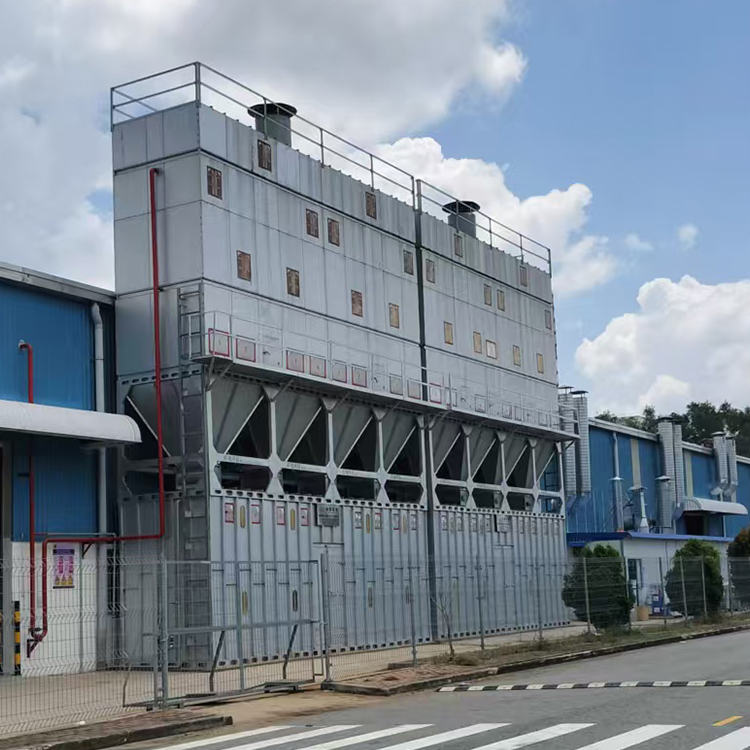





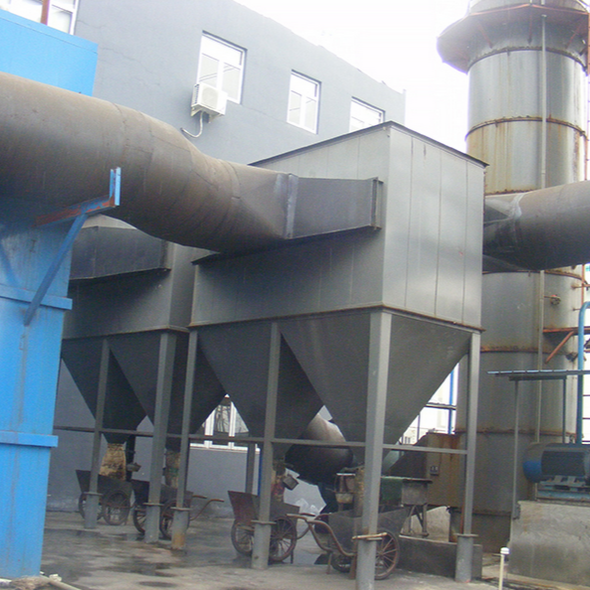
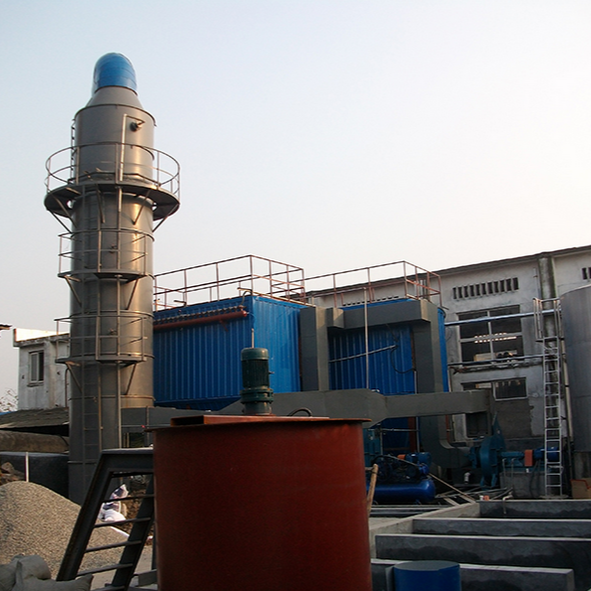
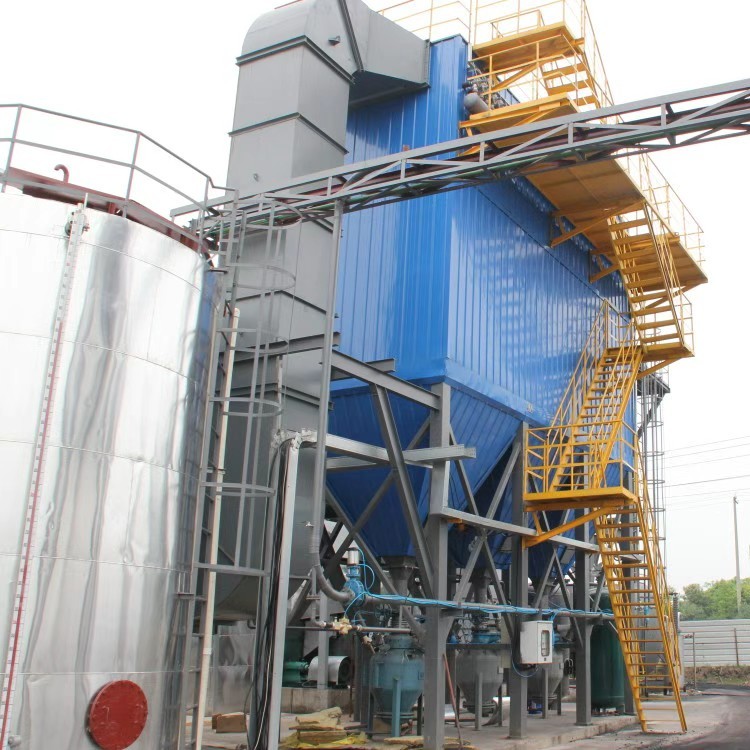
Introduction to Dual Alkali Desulfurization Method
The double-base method utilizes a sodium-based desulfurization reagent for in-tower desulfurization. Due to the strong alkalinity of the sodium-based desulfurizer, the solubility of the reaction products after absorption is high, preventing supersaturated crystallization and scaling issues. On the other hand, the desulfurization by-products are discharged into a regeneration pool, where they are regenerated using calcium hydroxide. The regenerated sodium-based desulfurizer is then recycled back into the desulfurization tower.
Principle of Dual-alkali Desulfurization
(1) The dual alkali flue gas desulfurization technology utilizes sodium bicarbonate solution or sodium carbonate solution as the initial desulfurization agent. The prepared solution is directly injected into the desulfurization tower to wash and remove SO2 from the flue gas, achieving the purpose of flue gas desulfurization. Subsequently, the desulfurization products are regenerated in the desulfurization agent regeneration pool to form sodium bisulfite or returned to the desulfurization tower for recycling use.
The desulfurization process mainly consists of five parts:
1) Absorbent preparation and replenishment;
2) Absorbent slurry spray;
3) Droplets inside the tower contact and mix with smoke.
4) Regenerated pulp wave sodium-based alkali;
5) Stone breeding dehydration treatment
(II) Chemical Reaction of Double Alkali Desulfurization:
Absorption Reaction
s02+h20=h2s03
s03+h20=h2s04
In the main tower, smoke SO2 is absorbed using sodium alkali solution.
2na0h+s02=na2s03+h20
The absorbent solution still contains some NaOH, thus sodium sulfite is also produced during the absorption process.
na2s03+s02+h202nahso3
The main tower utilizes sodium carbonate solution to absorb SO2 and SO3 from flue gas.
e.na2c03+h2s03=na2s03+h20+c02
f. na2c03+h2s04=na2s04+h20+c02
② Recycled Reaction
The absorbent fluid is flowed into the reaction pond to react with the added lime slurry:
g. 2NaHSO3 + Ca(OH)2 = Na2SO3 + CaSO3 + ½ H2O(l) + ½ H2O(g). Na2SO3 + Ca(OH)2 + ½ H2O = 2NaOH + CaSO3: The slurry regenerated after H2O2 treatment, after precipitation with calcium salts, the Na2SO3 clear liquid is returned to the absorption tower for recirculation. Reaction ③, a side reaction.
The primary side reaction during the absorption process is oxidation.
1.na2s03+½02na2s04
Therefore, during the regeneration process, the following reaction occurs for Na2SO4:
Na2S04 + Ca(0H)2 + 2H20 → 2NaOH + CaSO4.2H20↓ However, due to the considerable amount of SO or OH present in the solution, the concentration of Ca is correspondingly low. To precipitate CaSO4, the OH concentration during regeneration should be ≤0.14M, and a sufficient high SO concentration is required, such as an OH concentration of 0.1M and a SO concentration of 0.5M, to form CaSO4 precipitation.