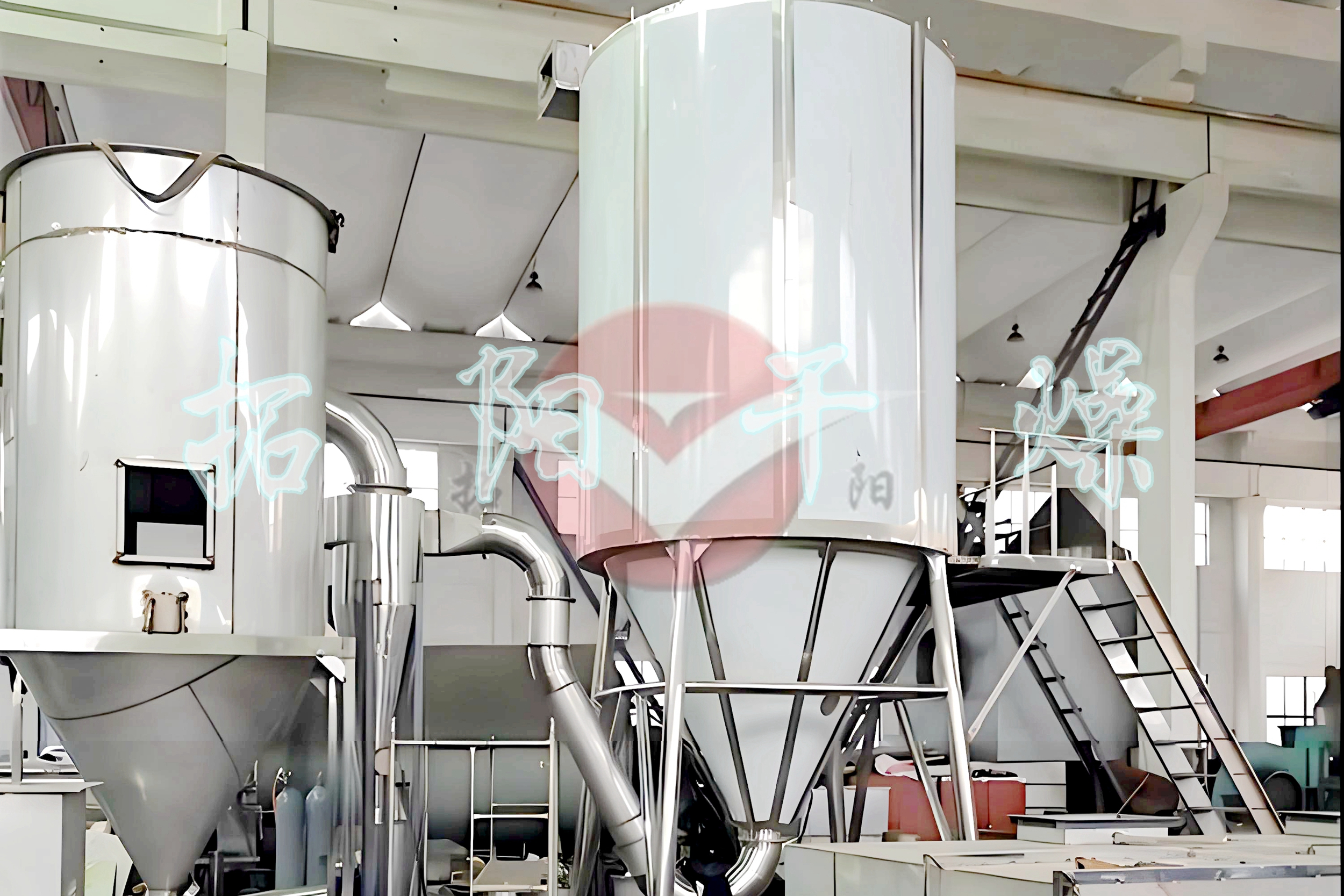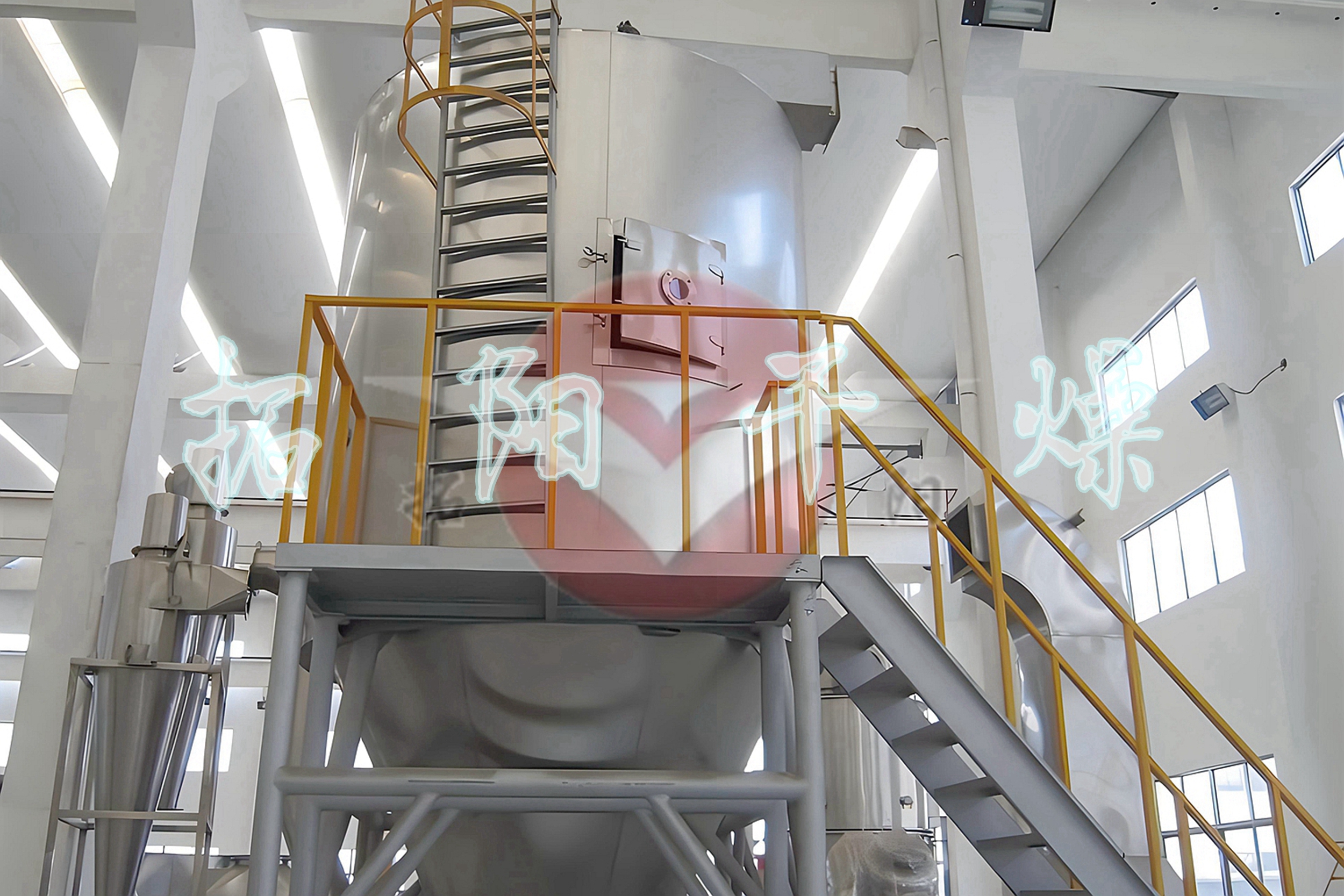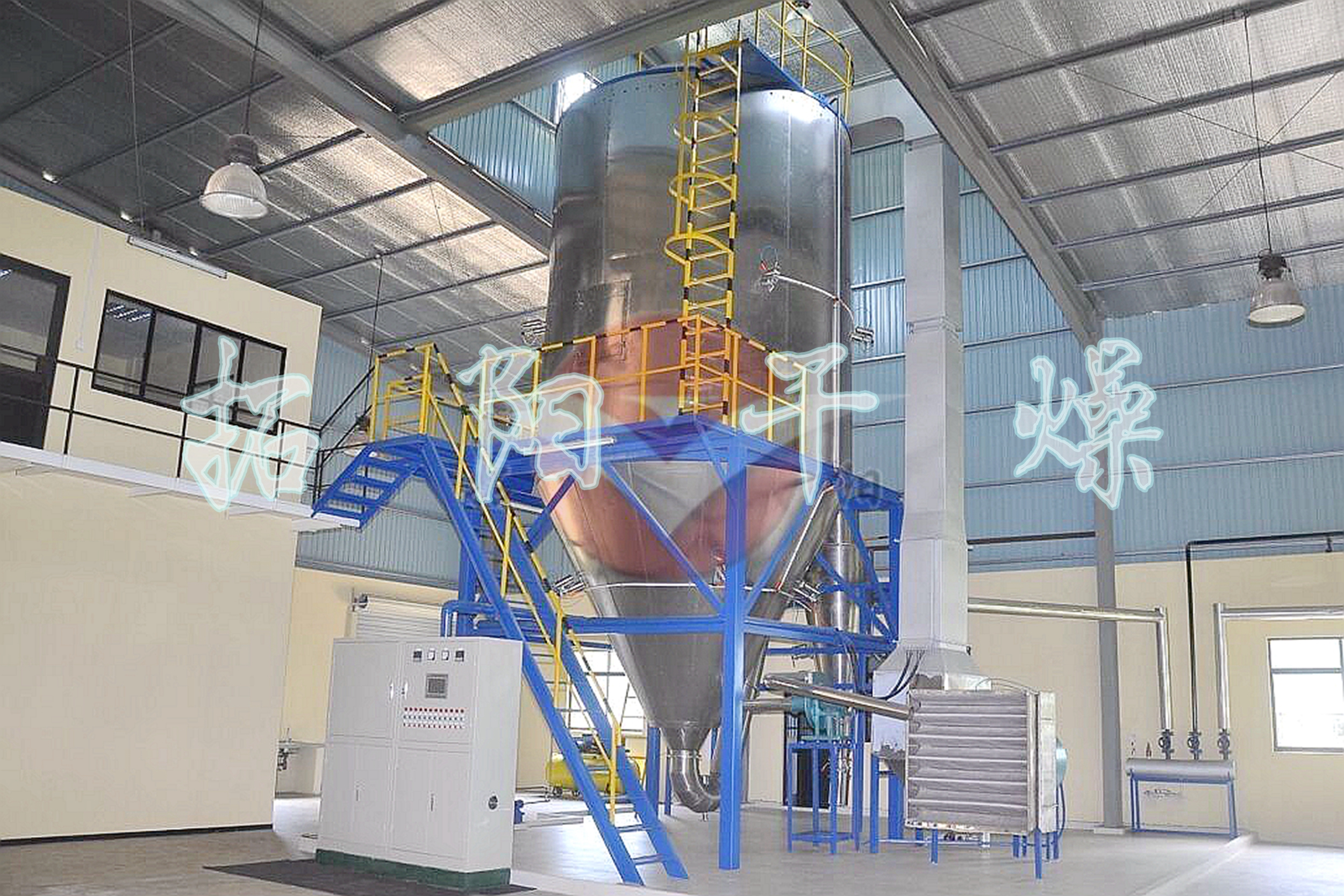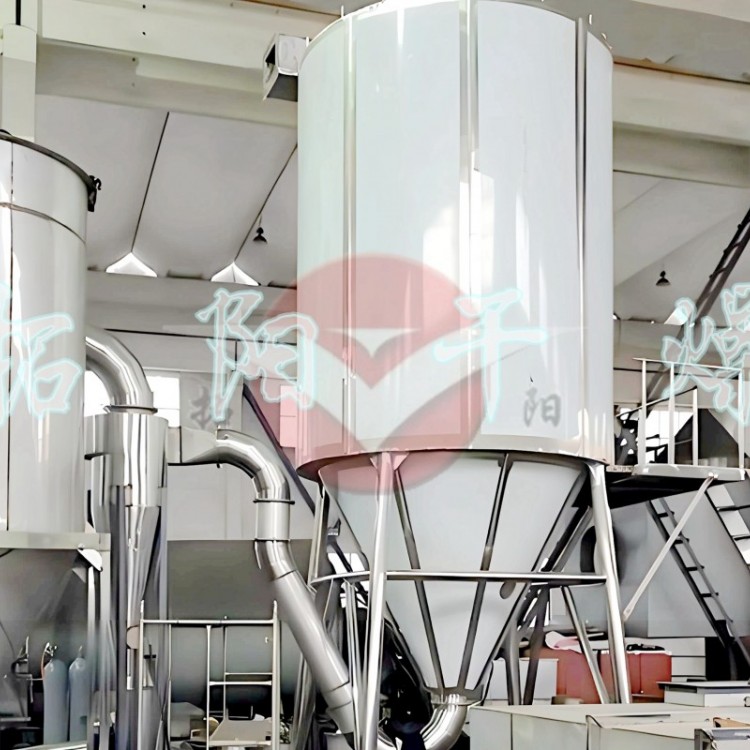

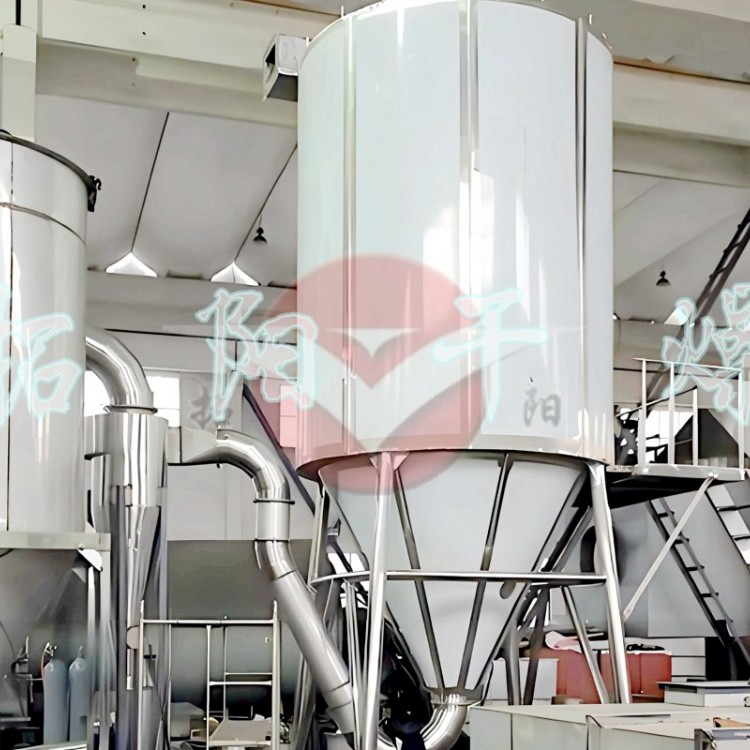
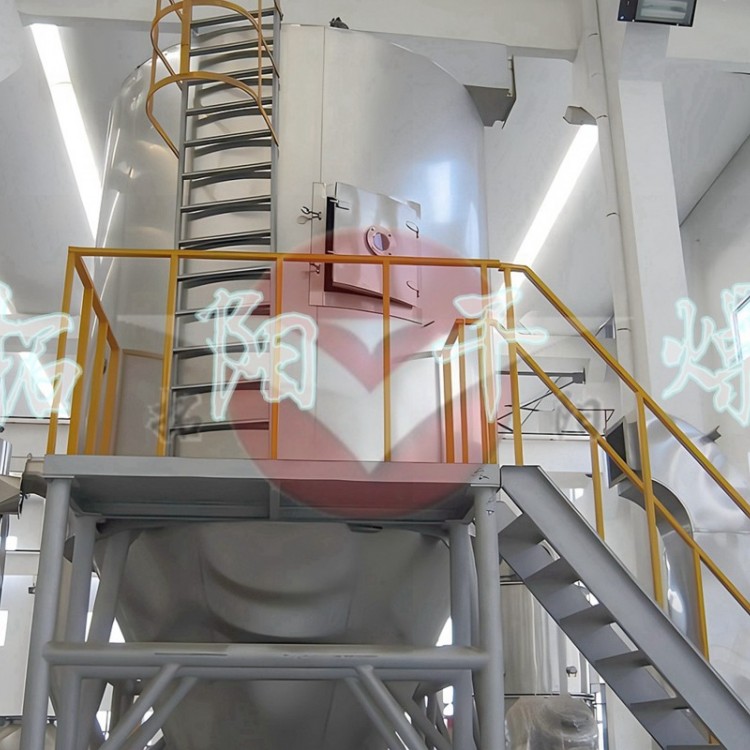
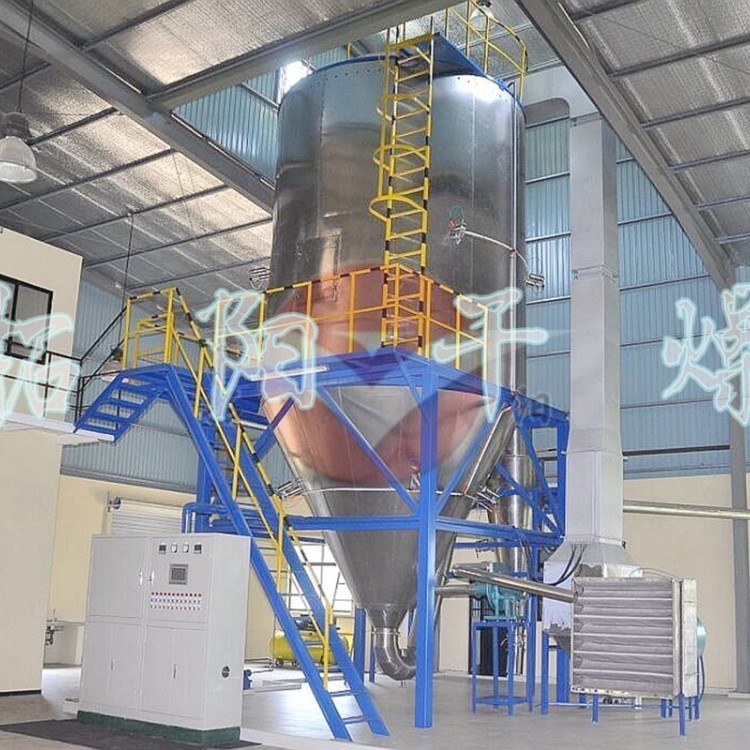


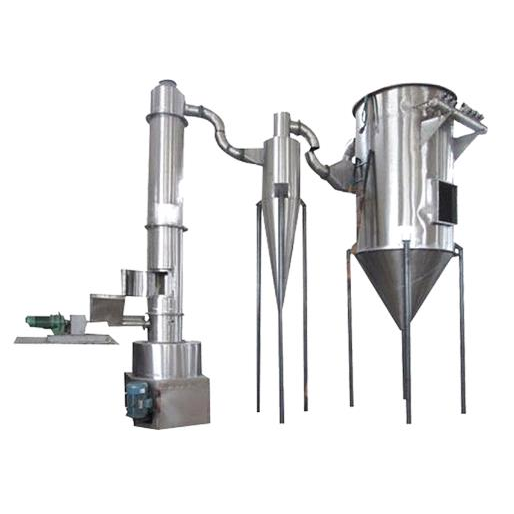





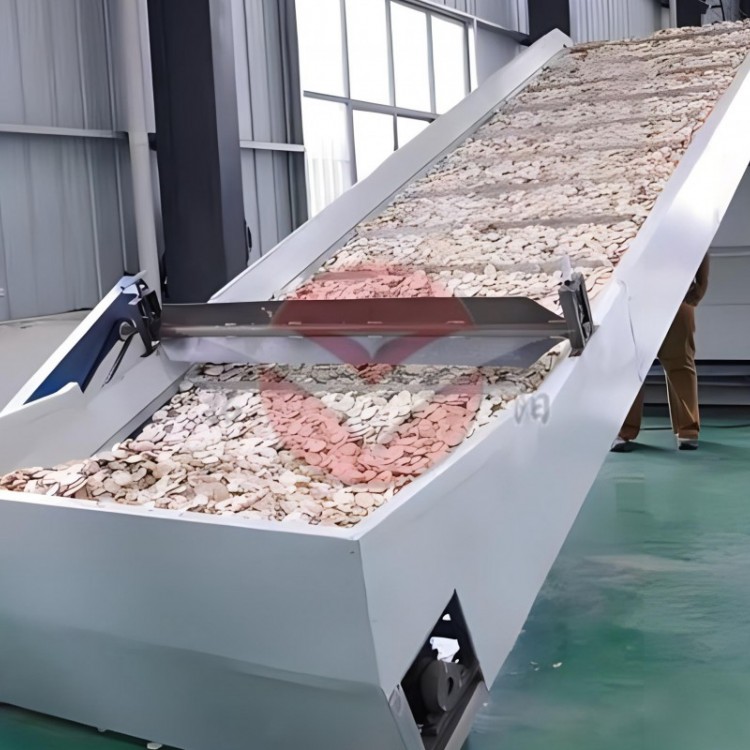
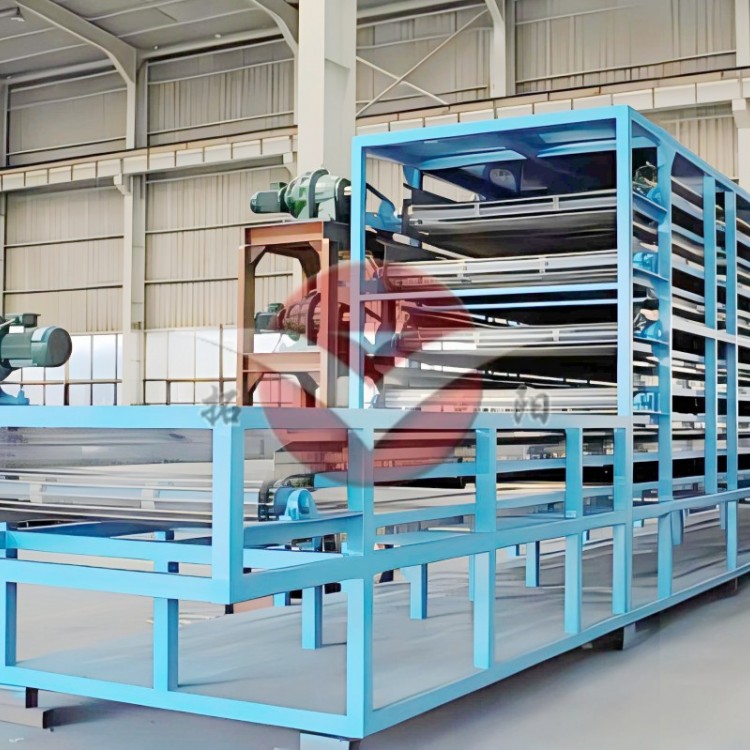
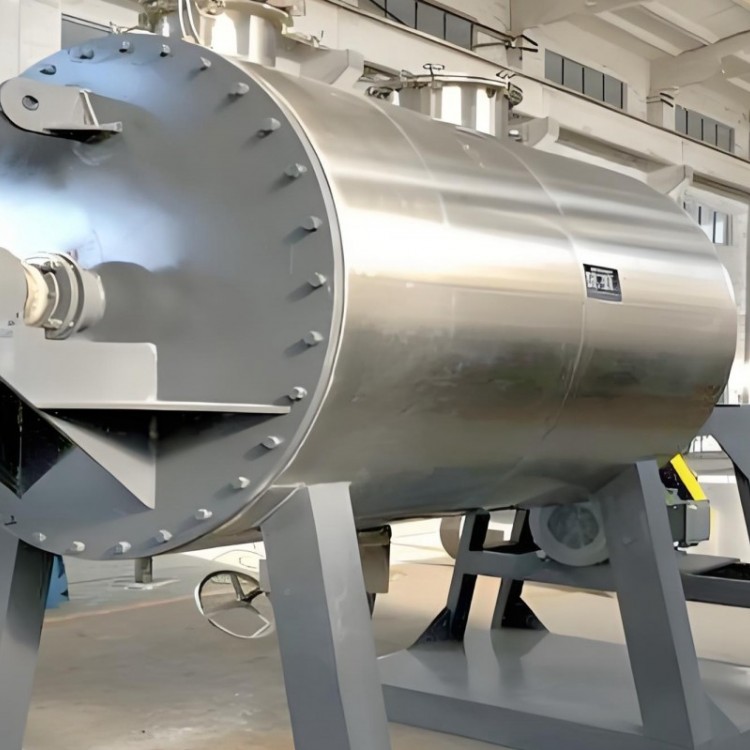
High-Speed Centrifugal Spray Dryer Overview
Spray dryers and spray drying towers are widely used processes in liquid forming and drying industries. They are suitable for producing powdered or granular solid products from suspensions, solutions, emulsions, and pasty liquid raw materials. Therefore, when the particle size distribution, residual moisture content, bulk density, and particle shape of the finished product all meet precise standards, spray dryers are an ideal drying process.
Key Points
1. Contact between hot air stream and mist droplets: When an adequate amount of hot air enters the spray drying chamber, the direction and angle of the hot air stream must be considered. Whether concurrent, countercurrent, or mixed flow, ensure sufficient contact with the mist droplets for adequate heat exchange.
2. Atomization: The atomization system of the spray dryer must ensure uniform distribution of droplet sizes, which is crucial. This is necessary to guarantee the pass rate of product quality.
3. Design of Pipe Angles and Conical Angles: We have gained some experience data from the production of nearly a thousand spray drying units, which we can share with you.
Features
1. The spray dryer operates at high speed, greatly increasing the surface area of the liquid after atomization. During contact with hot air, 95%-98% of the moisture can be evaporated instantly, requiring only a few seconds for drying, making it particularly suitable for drying heat-sensitive materials.
2. The product exhibits excellent uniformity, fluidity, and solubility; the higher the purity, the better the quality.
3. Simplified production process and easy operation control for spray dryers. Liquids with moisture content of 40-60% (special materials up to 90%) can be dried into powder products in one go. Post-drying, no crushing or screening is required, reducing production steps and improving product purity. Product particle size, bulk density, and moisture content can be adjusted within a certain range by changing operating conditions, making control and management convenient.
Operating Principle
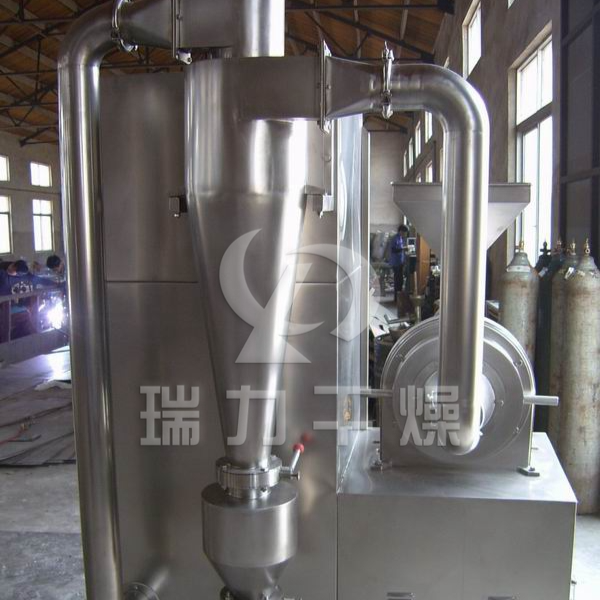
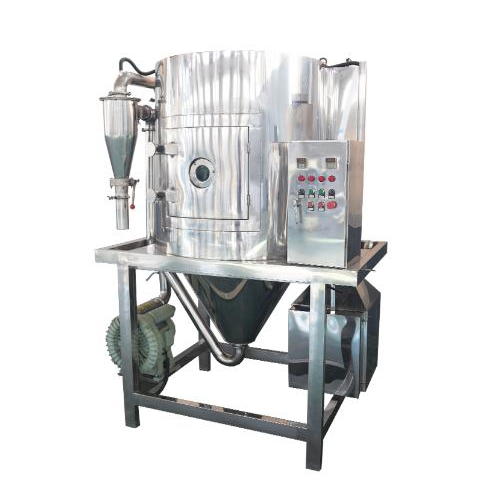
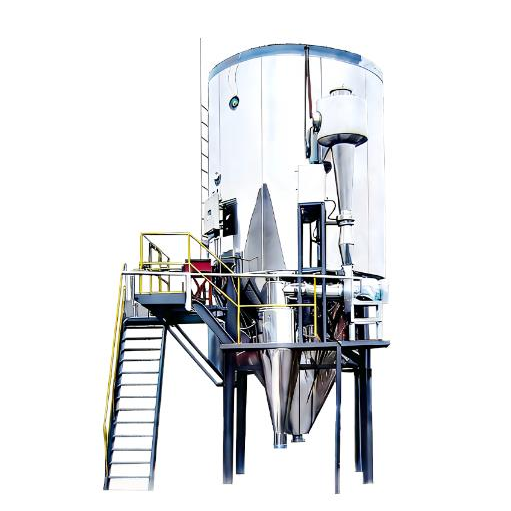
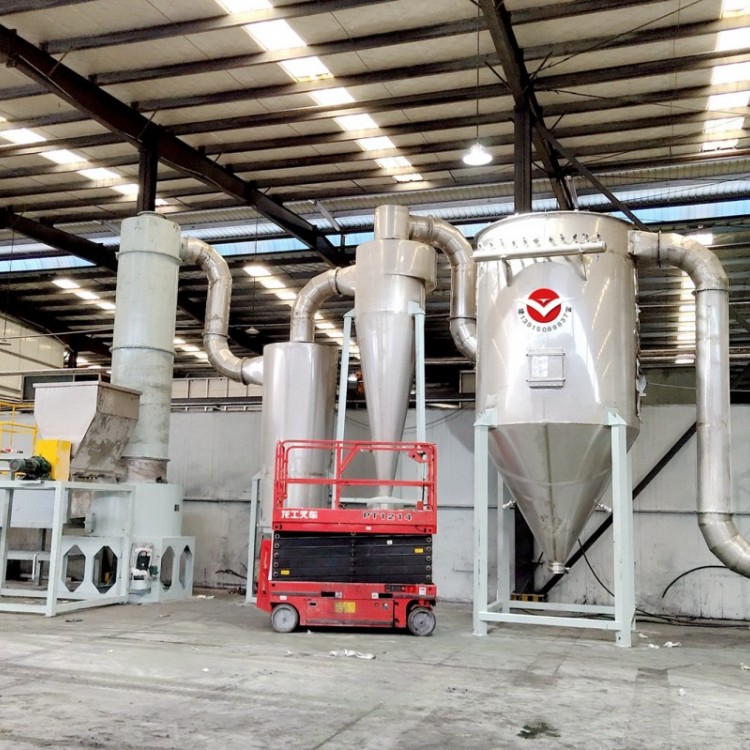
The dryer features an open-loop, and flow-through, centrifugal atomization design. The drying medium, air, is filtered through a primary and a secondary air filter according to operational instructions, then drawn in by a blower and heated by a heater. The heated air passes through an efficient filter and into the spray drying main tower. The liquid material, following operational instructions, enters a high-speed rotating centrifugal nozzle via a peristaltic pump, where it is dispersed into tiny droplets under centrifugal force. Inside the main tower, these droplets are dried by contacting hot air, undergoing heat exchange along a specific path. After drying, the product is separated using a cyclone separator, collecting the solid material, while the gas medium is filtered and discharged. The complete spray system is easy to clean, has no dead corners, and meets GMP requirements.
Application Scope
Chemical Products: Alumina, Disperse Dyes, Reactive Dyes, Organic Catalysts, Talc, Laundry Detergent, Zinc Sulfate, Silicon Dioxide, Potassium Fluoride, Calcium Carbonate, Potassium Sulfate, Inorganic Catalysts, various waste liquids, etc.
Food Products: Amino Acids, Egg Powder, Bone Meal, Seasonings, Protein, Milk Powder, Blood Meal, Soy Sauce Powder, Coffee, Tea, Glucose, Potassium Sorbate, Pectin, Flavors and Fragrances, Vegetable Juices, Yeast, Starches, etc.
Porcelain: Zirconia, Magnesium Oxide, Titanium Oxide, Magnesium Titanate, Clay, Kaolin, various ferrites and metal oxides, etc.