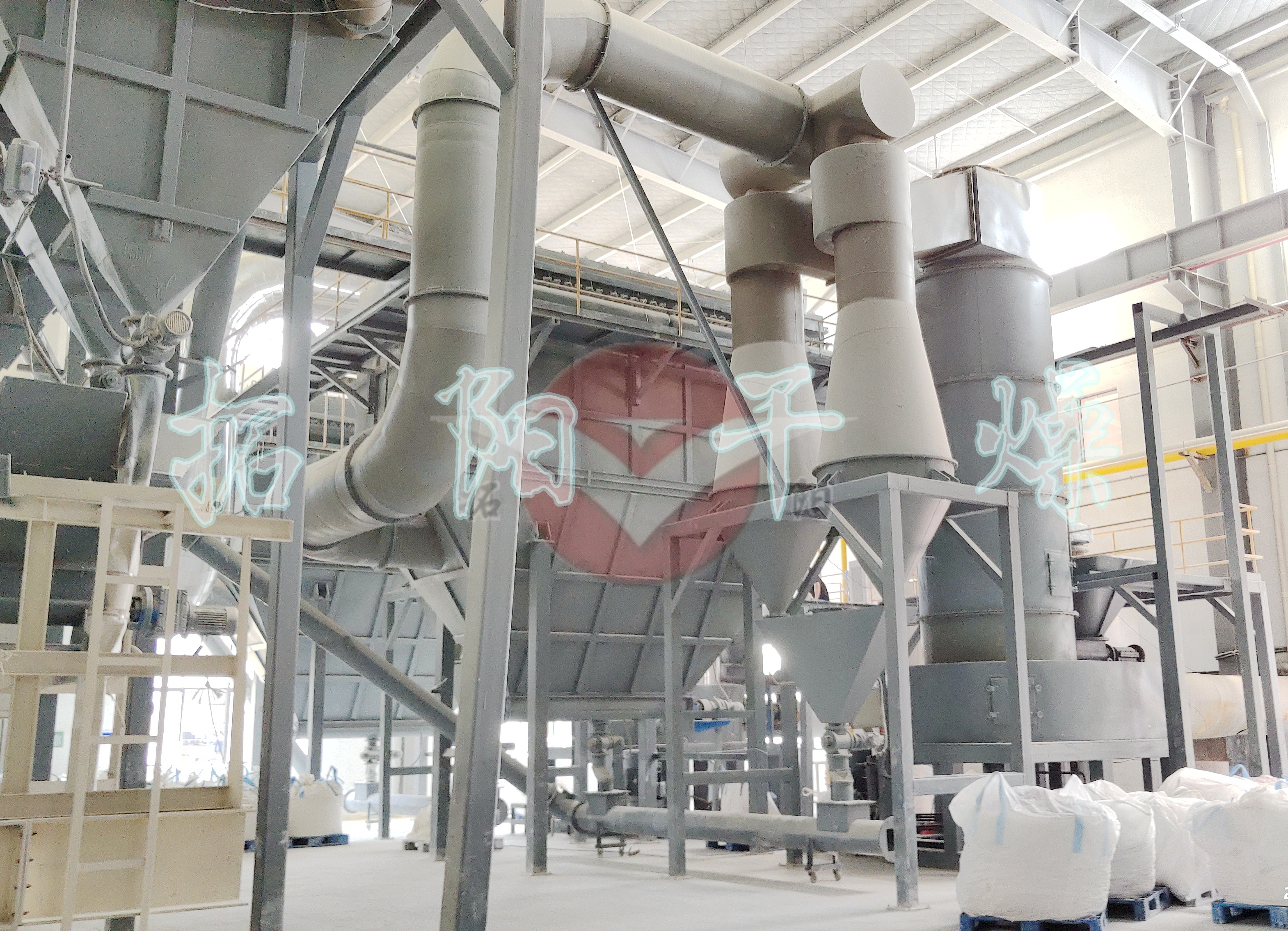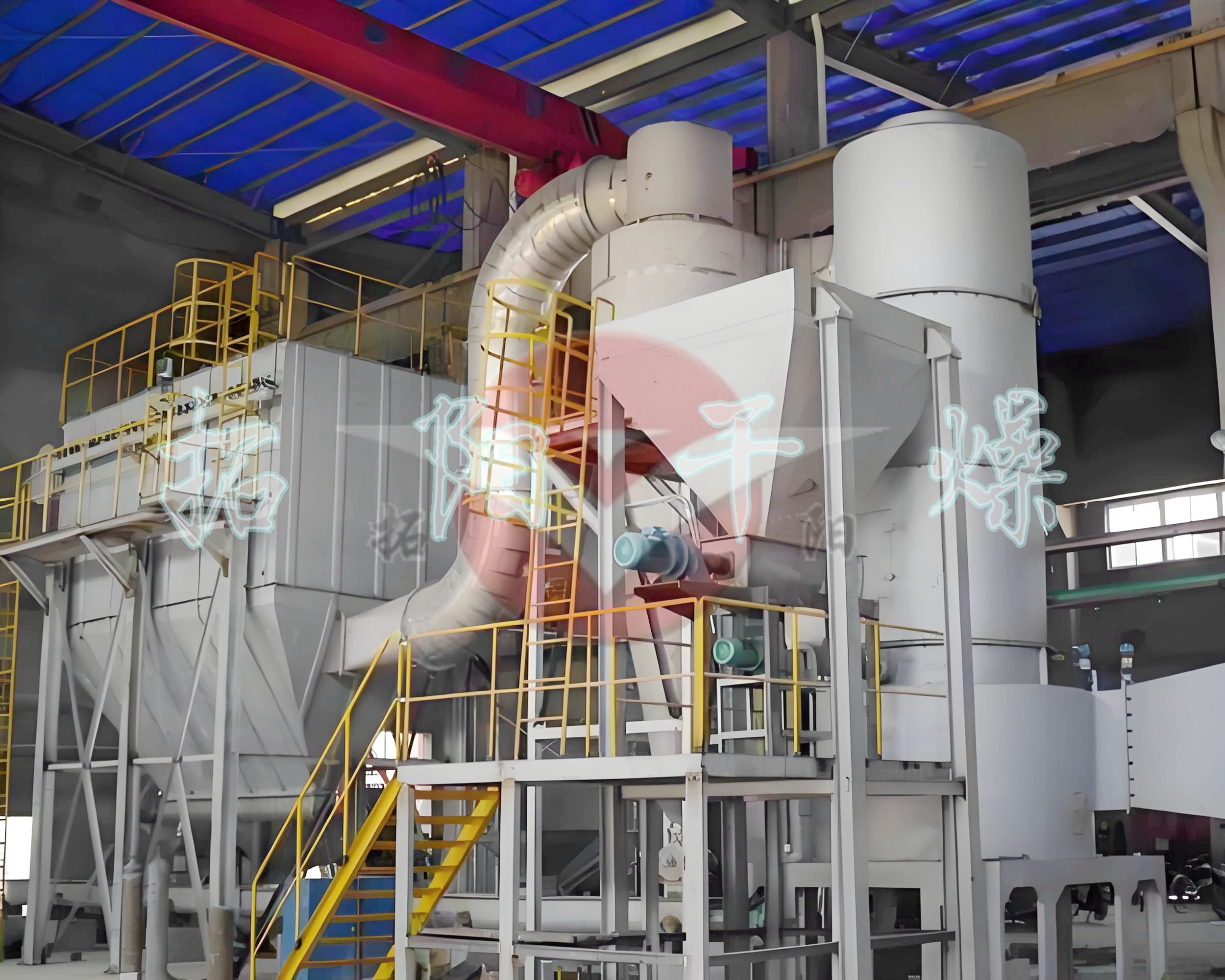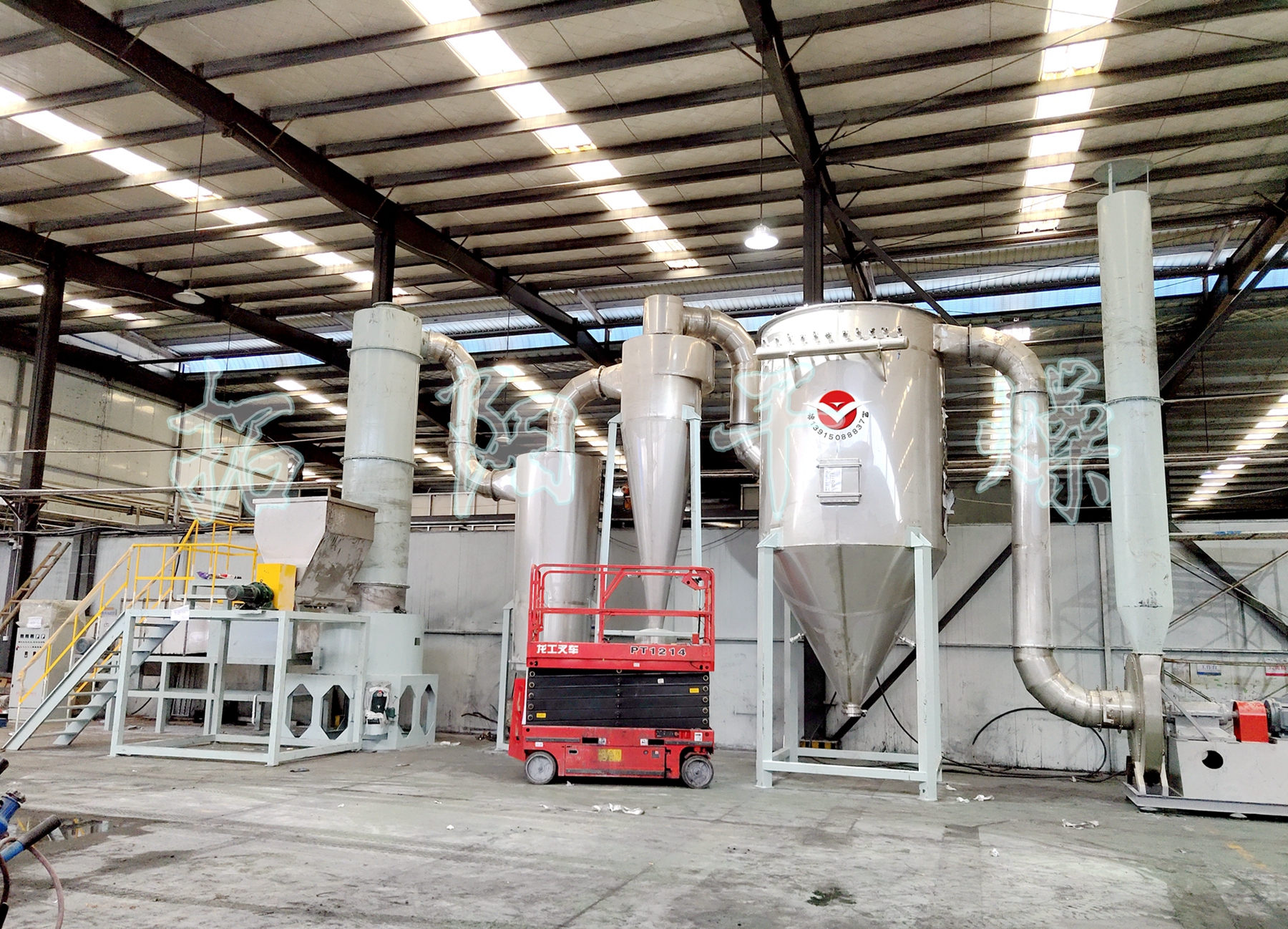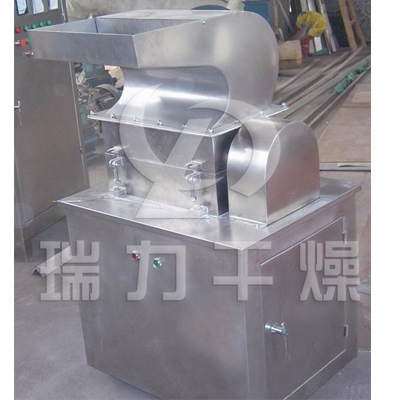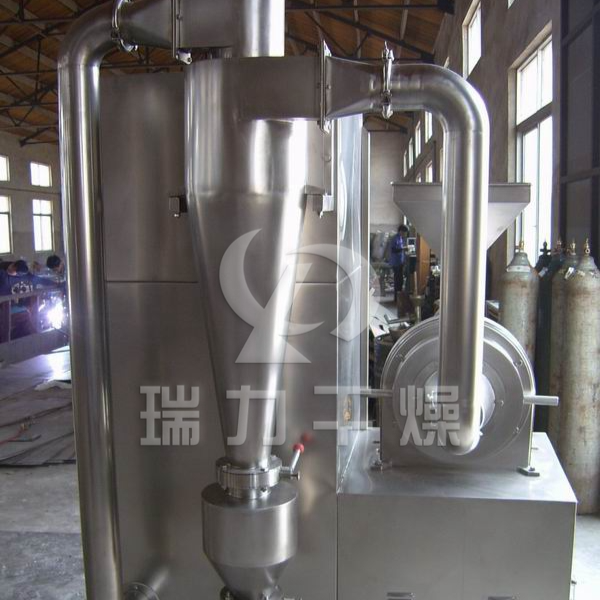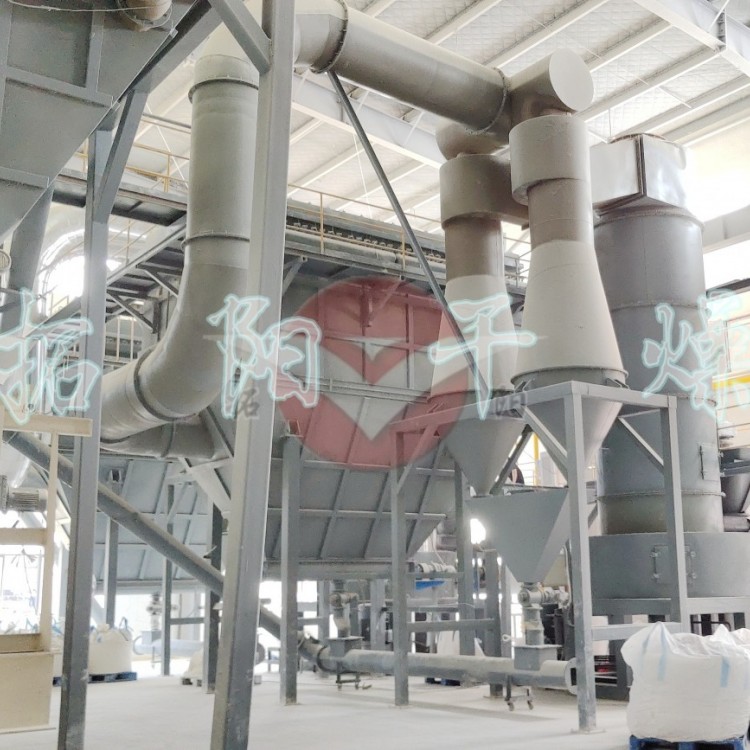

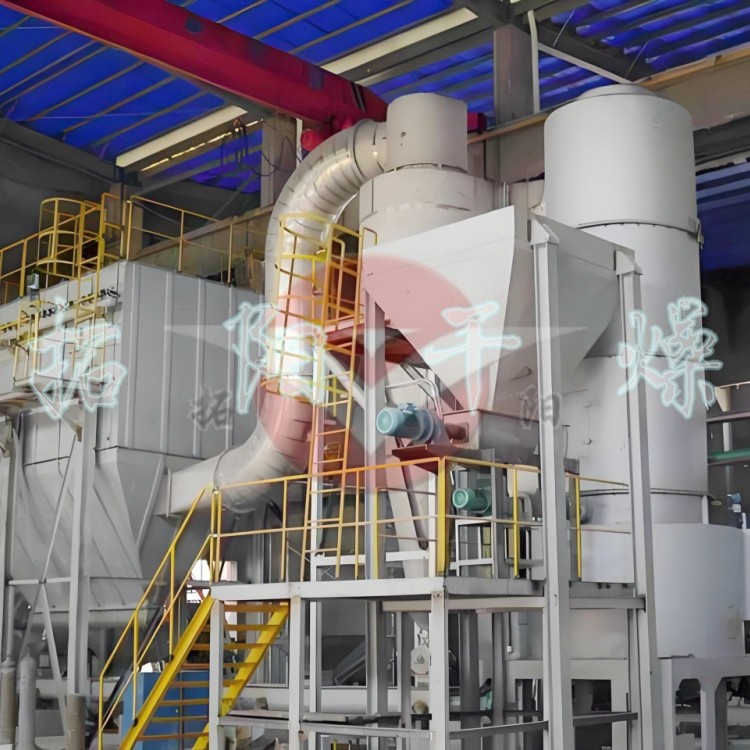
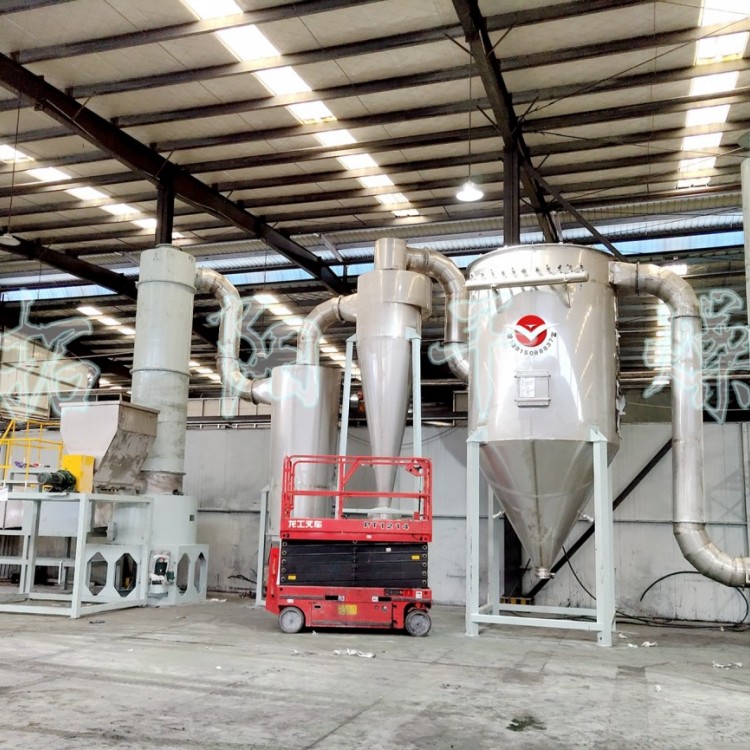


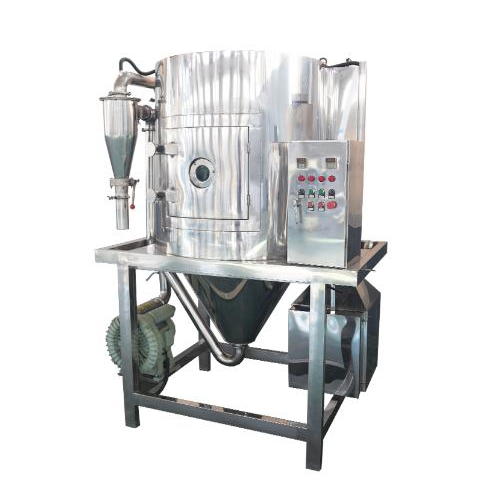
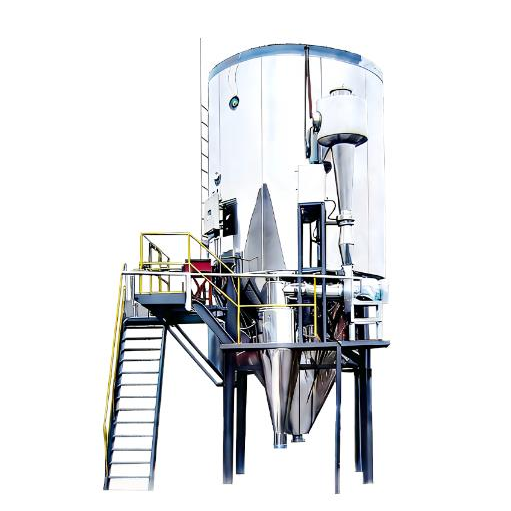
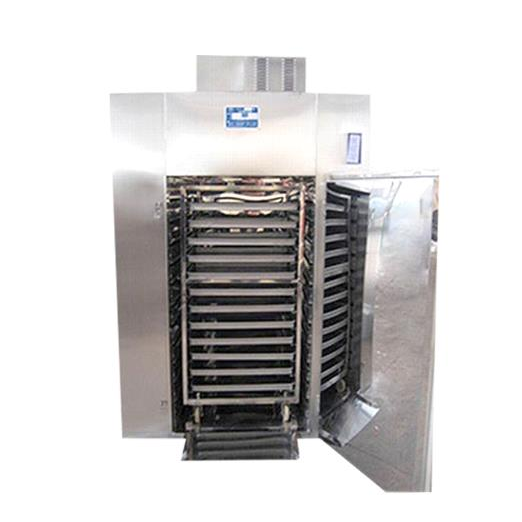
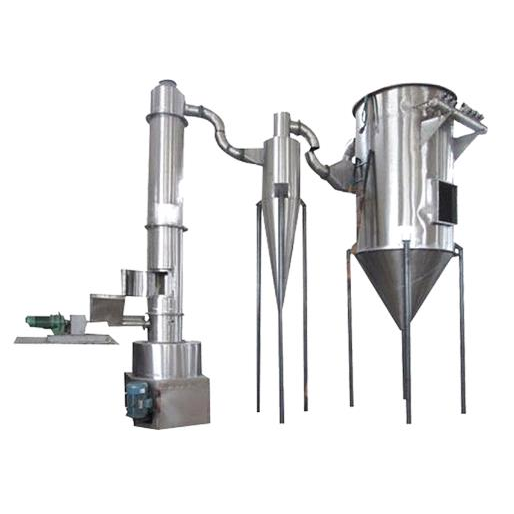





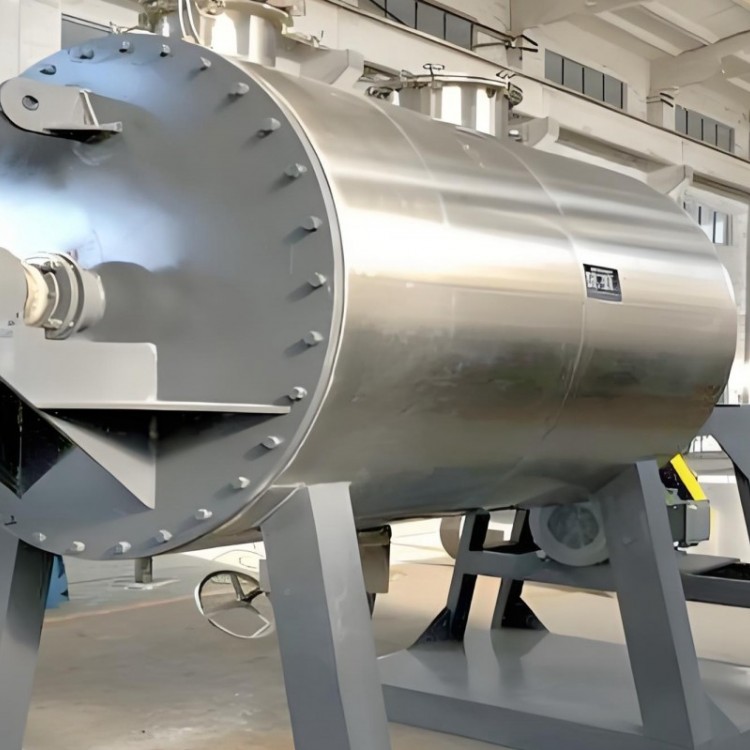
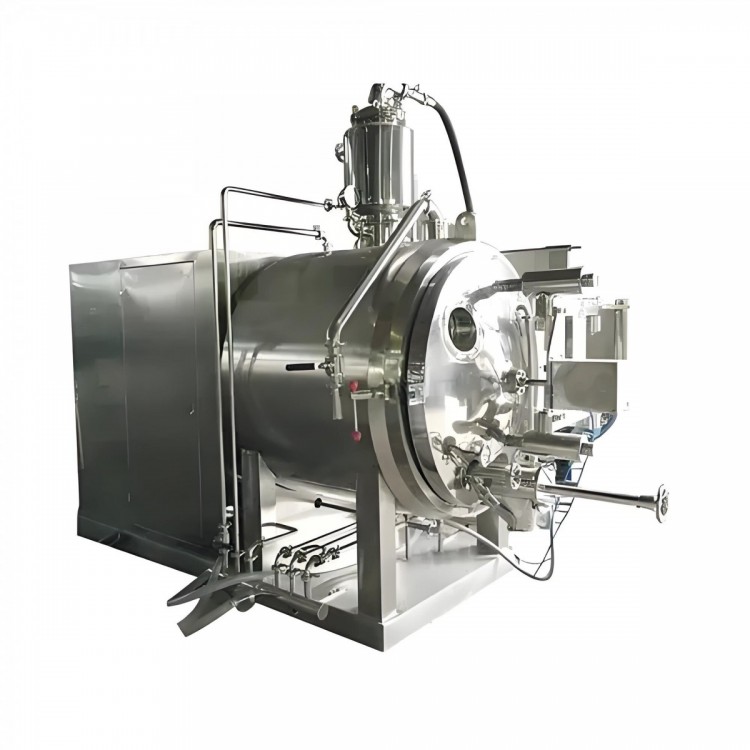
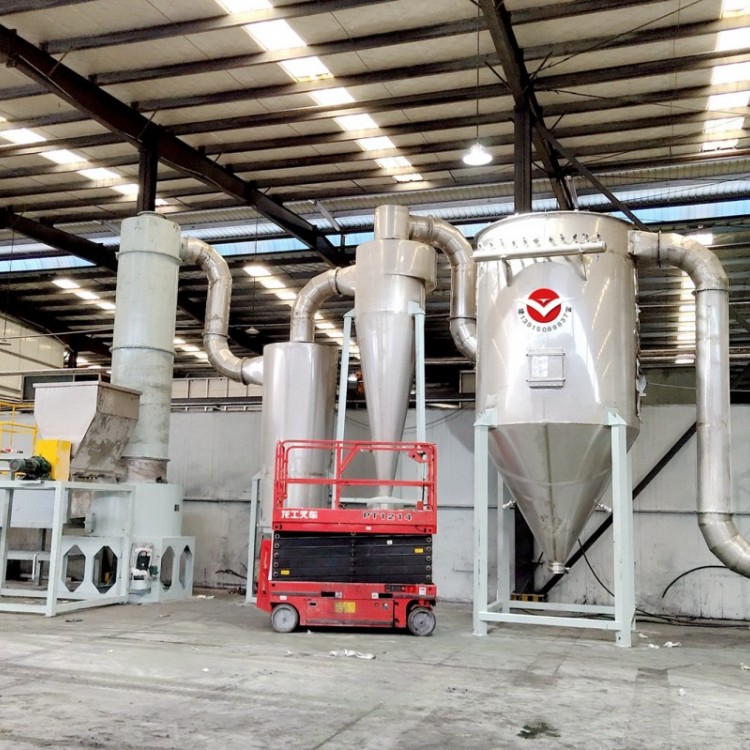
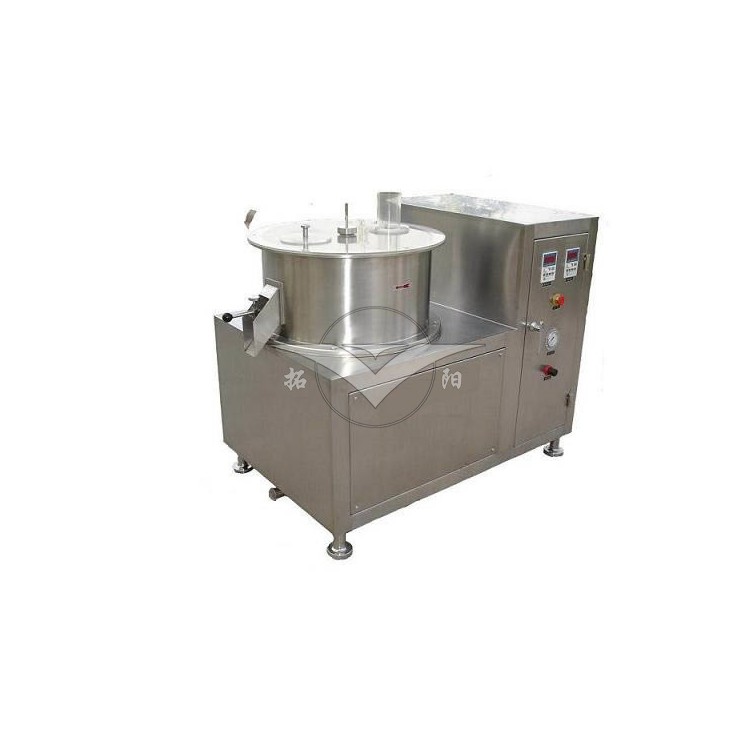
Product Overview: The Rotary Flash Dryer is a new type of effective fluidized bed drying equipment developed by our company to overcome the inefficiency and high energy consumption of static drying. The machine is designed with a full integration of the characteristics of air drying and other fluidized bed drying methods, leveraging strengths and avoiding weaknesses, resulting in a reasonable process structure and superior operational performance. It truly achieves the low energy consumption and high efficiency goals of fluidized bed drying. This machine has a wide range of applications and can be used for dehumidification and drying of flame retardants, molecular sieves, rubber and plastic additives, pesticides, pigments, dyes, fine chemicals, feed, pharmaceuticals, and some intermediates.
Flash Dryer Overview
The rotary flash dry dryer is a new type of effective fluidized bed drying equipment developed by our company to overcome the inefficiency and high energy consumption of static drying. The machine is designed with a full integration of the characteristics of air drying and other fluidized bed drying methods, leveraging strengths and avoiding weaknesses, resulting in a rational process structure and superior operational performance. It truly achieves the low-energy, effective goal of fluidized bed drying.
This unit has a broad application range, suitable for dehumidification and drying of flame retardants, molecular sieves, rubber and plastic additives, pesticides, pigments, dyes, fine chemicals, feed, pharmaceuticals, and some intermediates.
Principle of Flash Dryer
Hot air enters the mixing粉碎drying chamber from the inlet at an appropriate jet speed, exerting strong shearing, blowing, and rotating forces on the material. This results in the material being micropulverized through centrifugal force, shearing, collision, and friction, enhancing mass and heat transfer. At the bottom of the dryer, larger, wetter particle clusters are mechanically broken down by the agitator. The particles with lower moisture content and smaller particle size are carried upwards by the rotating air flow. As they rise, they are further dried. Due to the rotating flow of gas and solid phases, the inertia of the solid phase is greater than that of the gas phase, leading to a higher relative velocity between the two phases, thereby enhancing the heat transfer between them. Thus, the dryer has a high drying intensity.
Features of Flash Dryer
Multiple dosing devices available for selection, with continuous and stable dosing without bridging.
The dryer is equipped with a special cooling device at the bottom, preventing material from undergoing deterioration in the high-temperature zone at the base.
Special pressure-sealed devices and bearing cooling systems effectively extend the service life of the transmission components.
Special wind-dividing device reduces equipment resistance while balancing the wind speed inside the tower.
The drying chamber is equipped with grading rings and swirl plates, allowing for adjustable and controllable particle fineness and final moisture content.
Flash Vapor Dryer Application Scope
Organic Compounds: Atrazine (pesticide), lauric acid esters, benzoic acid, etc.
Dyes: Anthraquinone, black ferric oxide, indigo pigment, titanium dioxide, zinc sulfide, various azo dye intermediates.
Inorganic substances: borax, calcium carbonate, hydroxides, copper sulfate, iron oxide, barium carbonate, antimony trioxide, various metal hydroxides, various inorganic salts.
Synthetic cryolite and others.
Porcelain: Kaolin, silicon dioxide, clay, etc.
Food Products: Soy Protein, Gelling Starch, Distiller's Dregs, Wheat Sugar, Wheat Starch, etc.