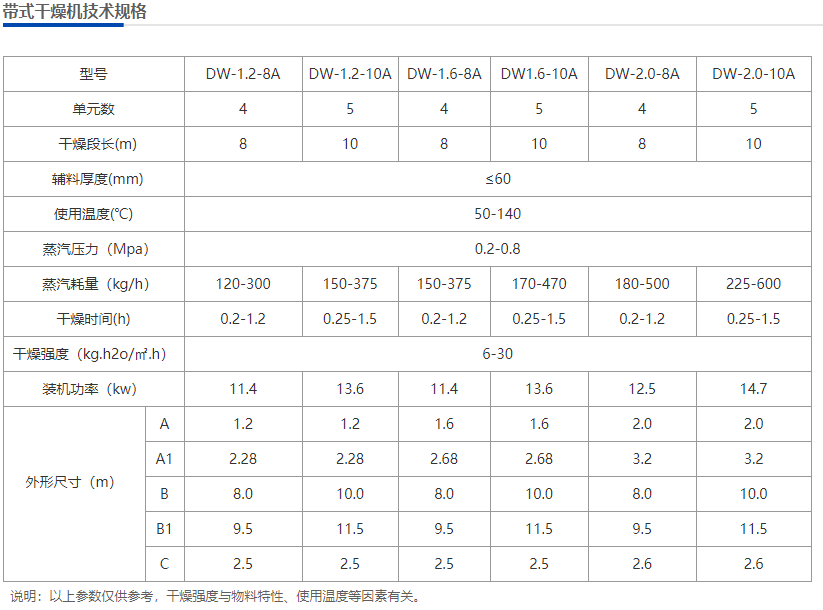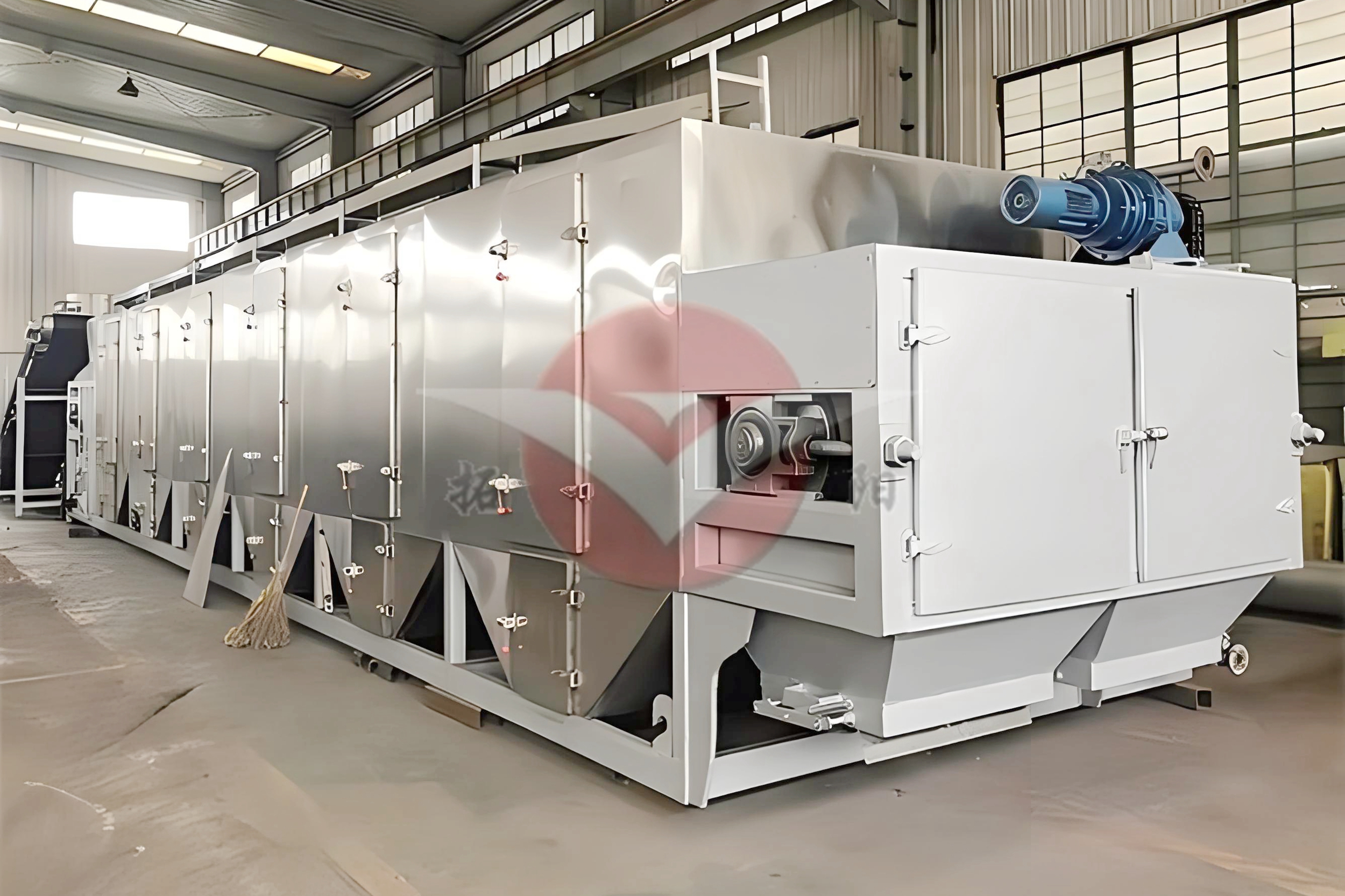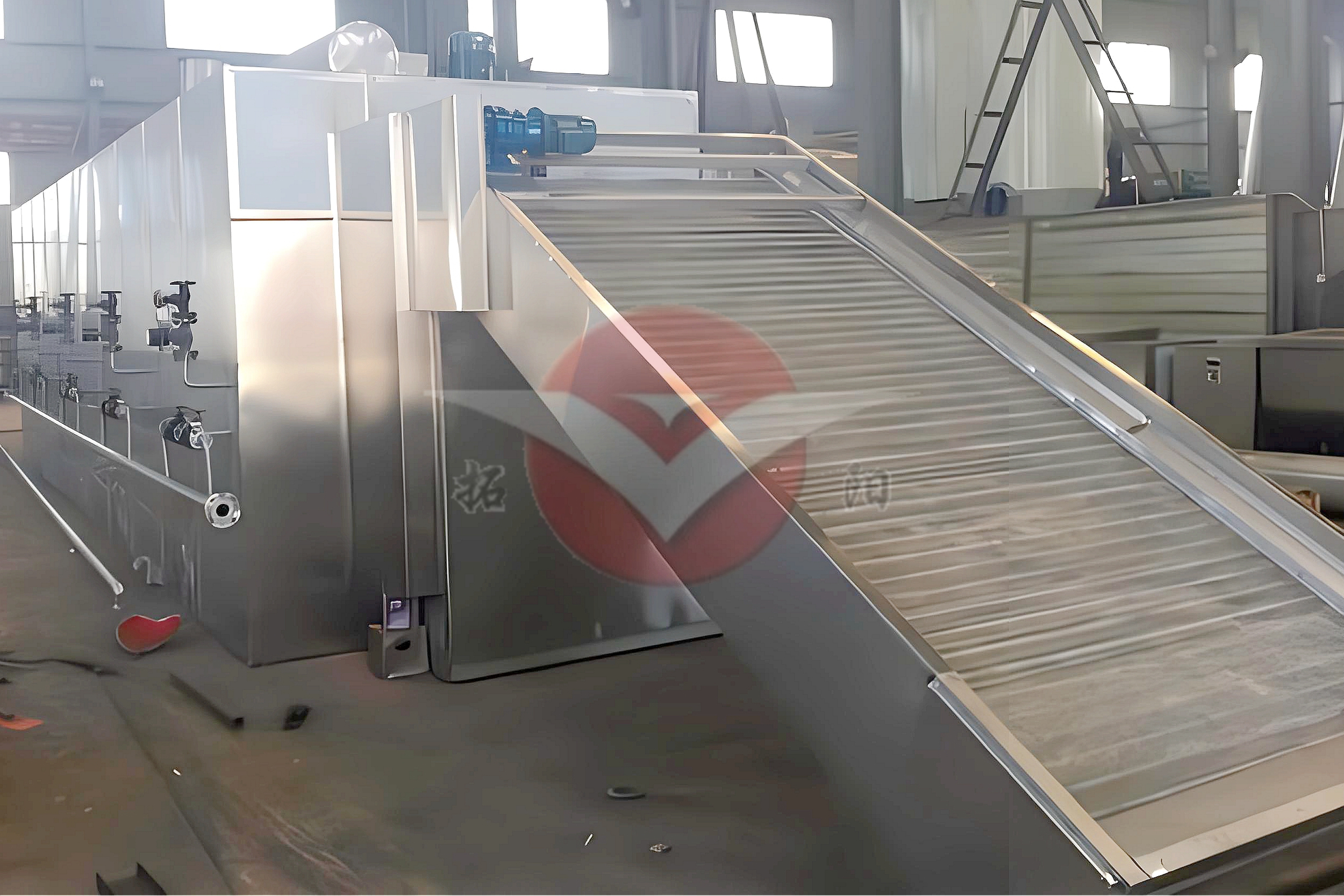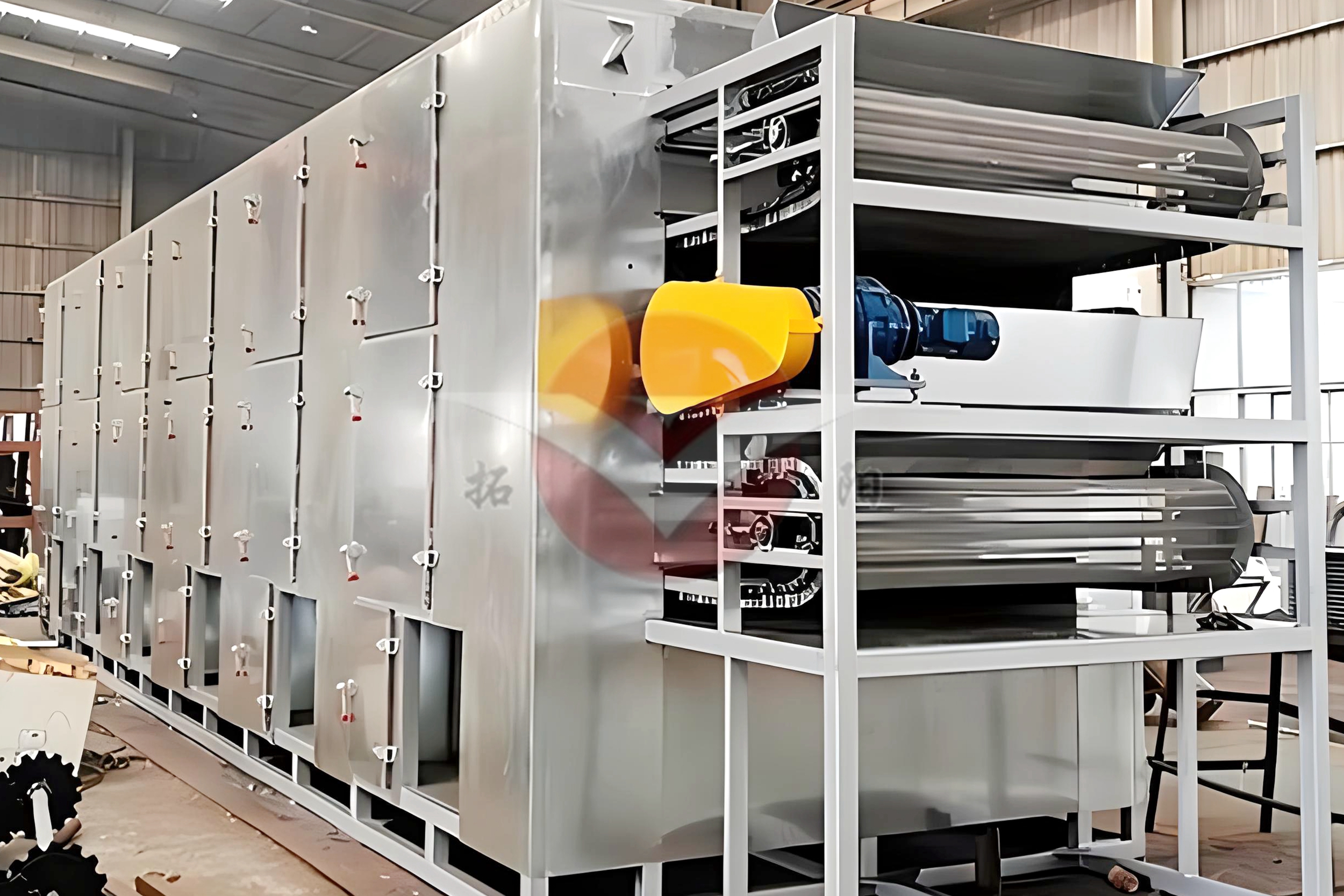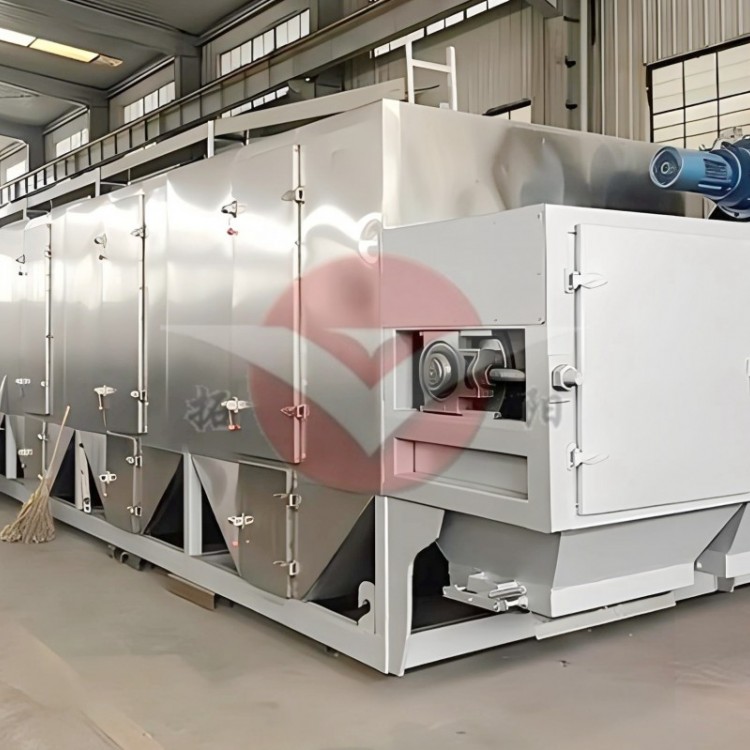
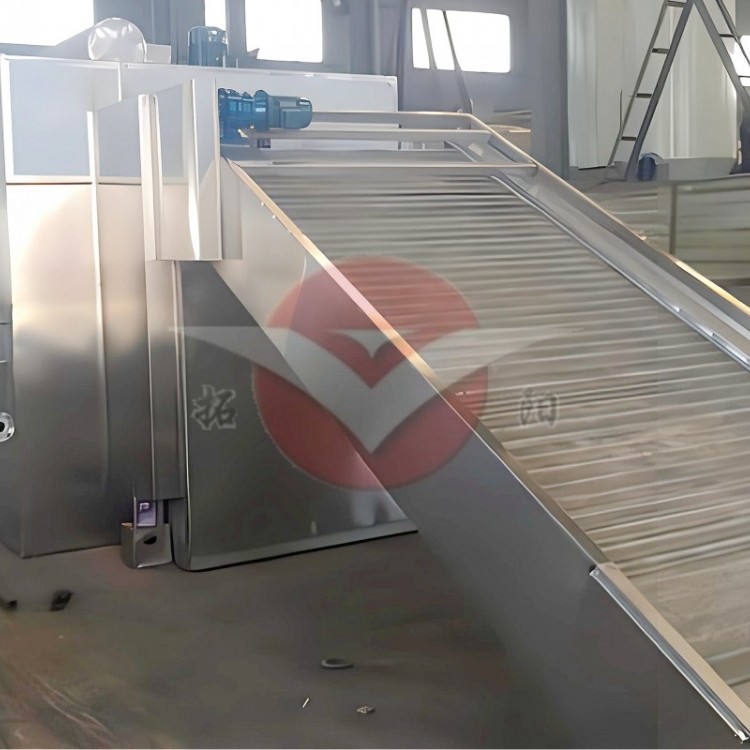
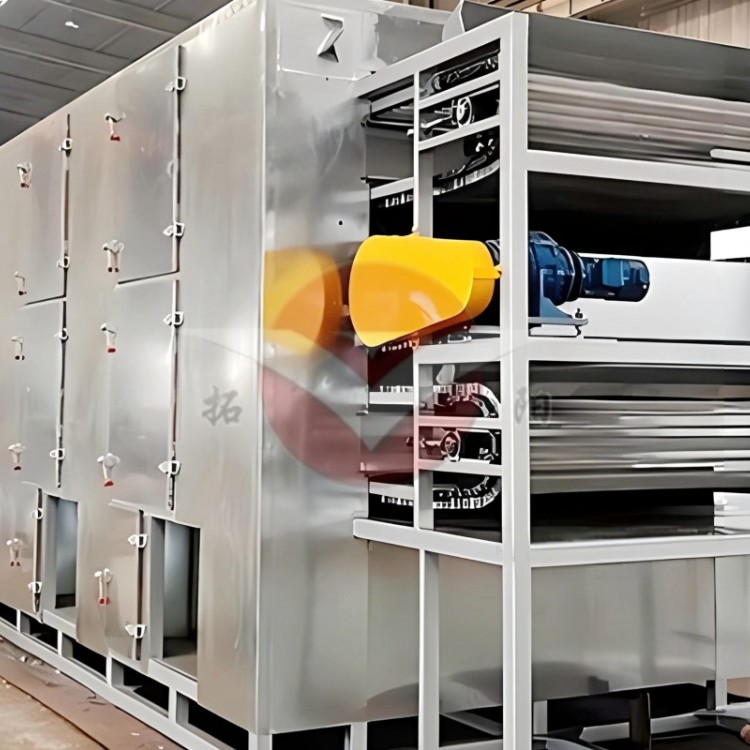


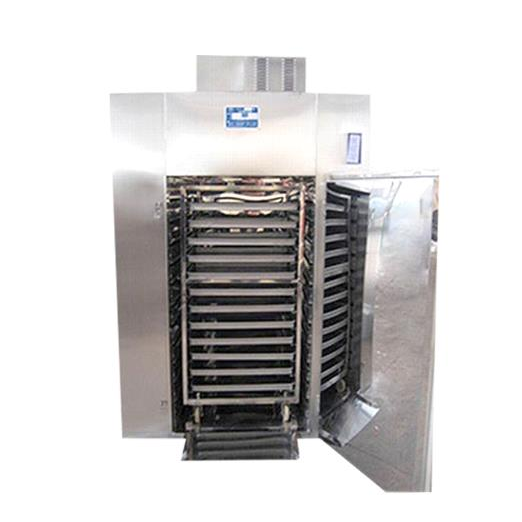





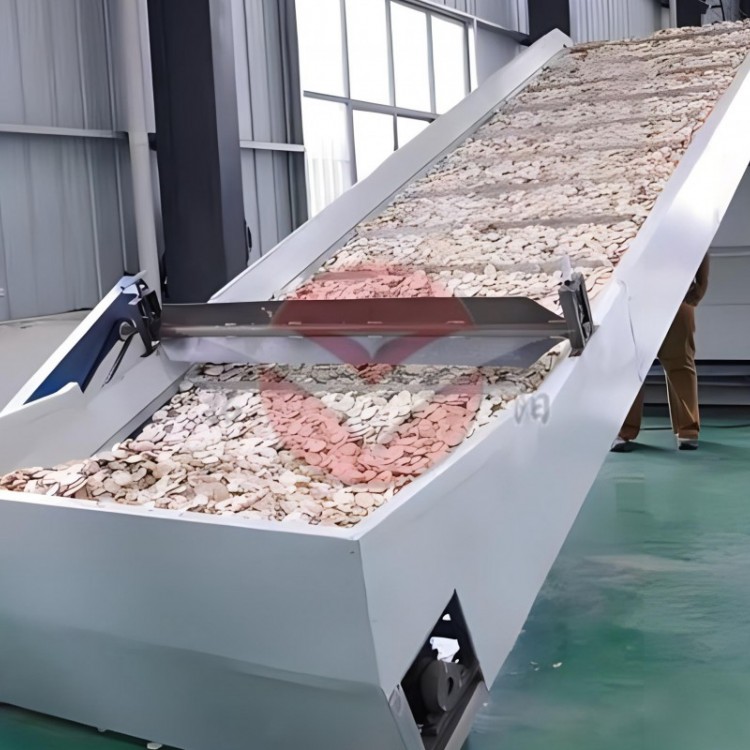
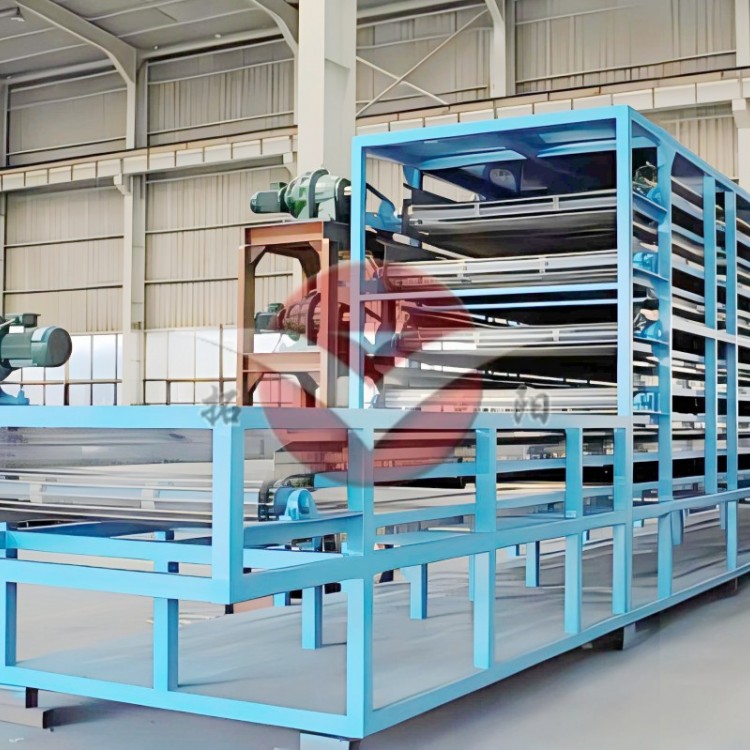
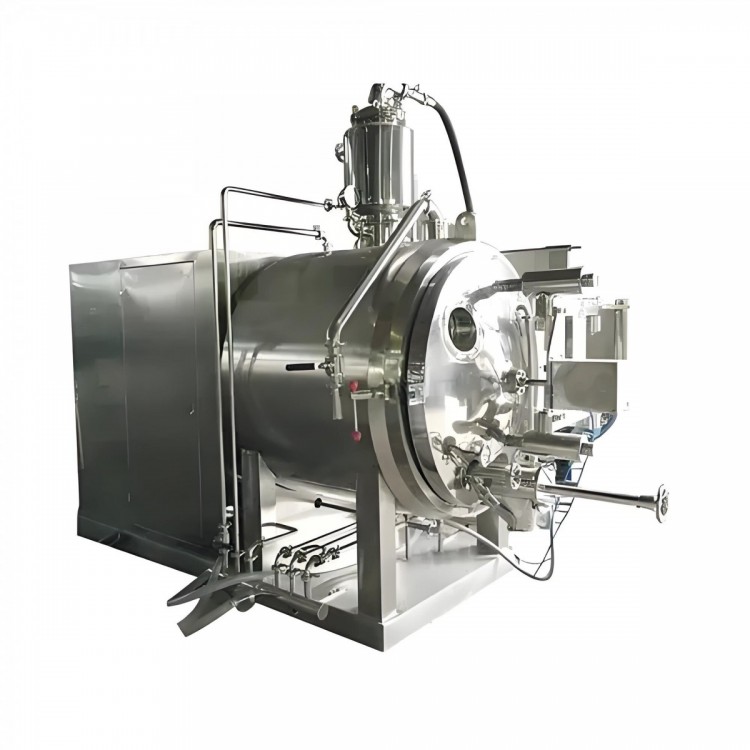
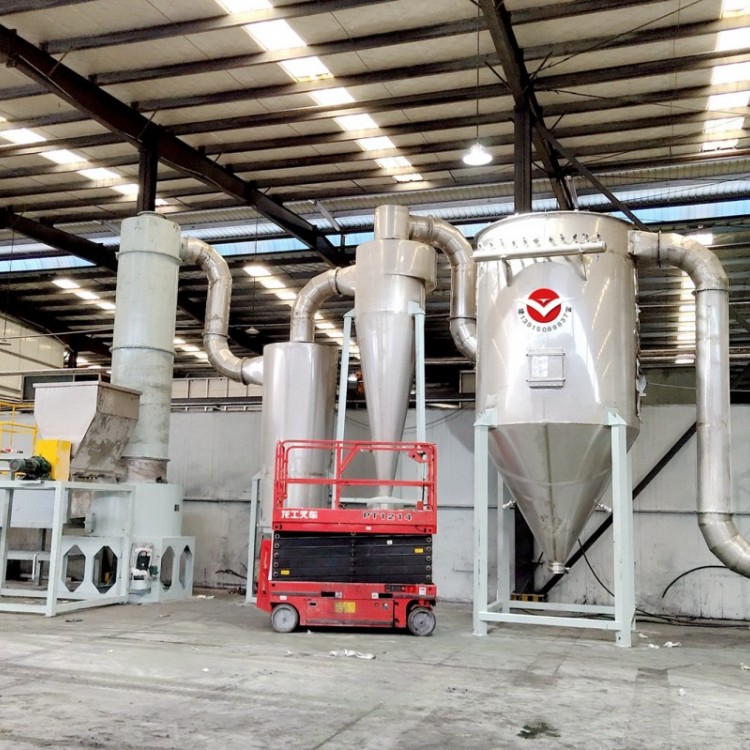
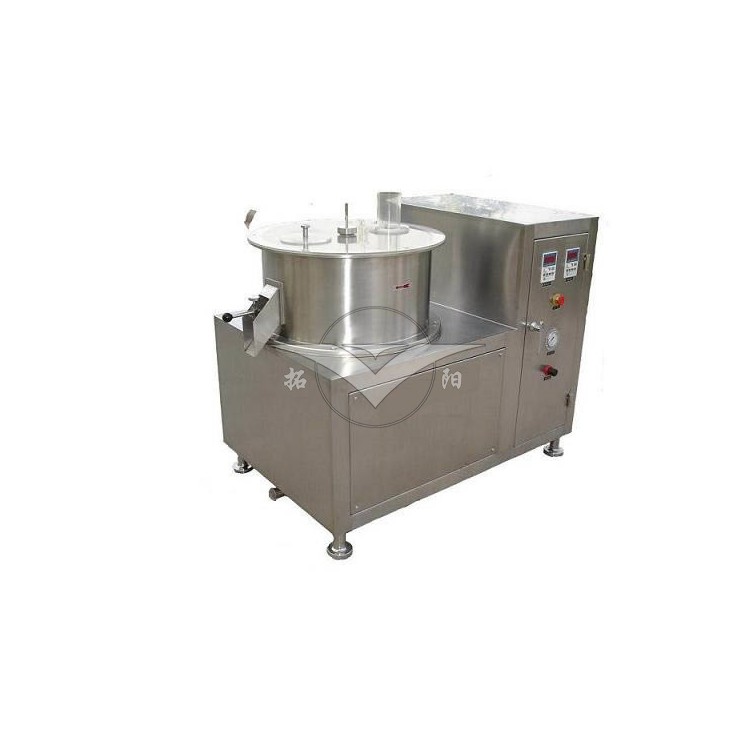
Product Overview: The belt dryer distributes the material to be processed through an appropriate feeding mechanism (such as a star feeder, swinging belt, grinder, or granulator) onto a conveyor belt. The belt passes through a channel composed of one or several heating units, each equipped with an air heating and circulation system. Each channel features one or several dehumidification systems. As the conveyor belt moves, hot air flows from top to bottom or bottom to top through the material on the belt, ensuring uniform drying of the material.
Belt Dryer Overview
Materials to be processed are distributed onto a conveyor belt via an appropriate feeding mechanism (such as a star-type distributor, swinging belt, shredder, or granulator). The conveyor belt passes through a channel composed of one or several heating units, each equipped with an air heating and circulation system. Each channel has one or several dehumidification systems. As the conveyor belt moves, hot air flows either from top to bottom or from bottom to top through the materials on the belt, ensuring uniform drying.
Belt Dryer Applications
Belt Dryers (Belt Drying Machines) are commonly used continuous drying equipment, widely applicable in industries such as chemicals, food, medicine, building materials, and electronics. They are particularly suitable for drying materials with good permeability, such as sheets, strips, and granules. For filter cakes and pasty materials, they can also be dried after being shaped by granulators or extruders.
Typical Products
Seaweed, dehydrated vegetables, jujubes, granulated feed, monosodium glutamate, chicken essence, coconut flake, organic colors, synthetic rubber, polypropylene fiber, pharmaceuticals, medicinal herbs, wooden crafts, plastic products, aging of electronic components, curing, etc.