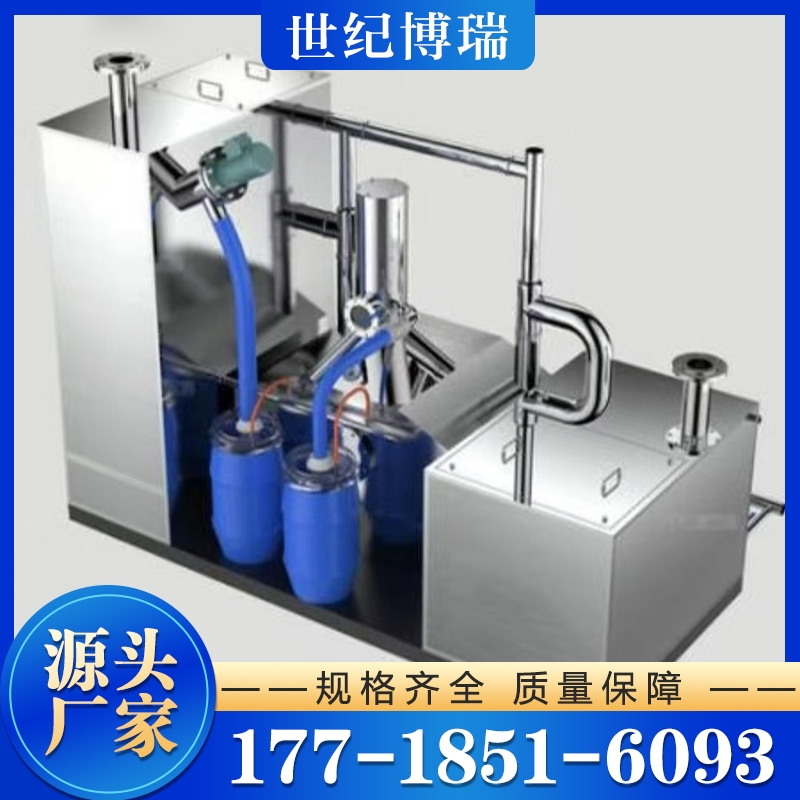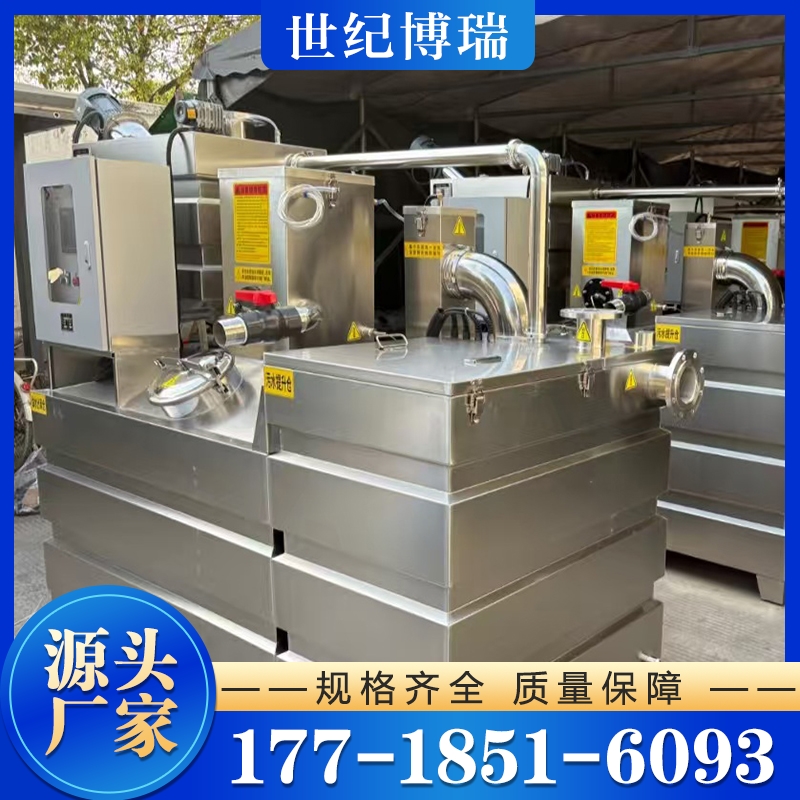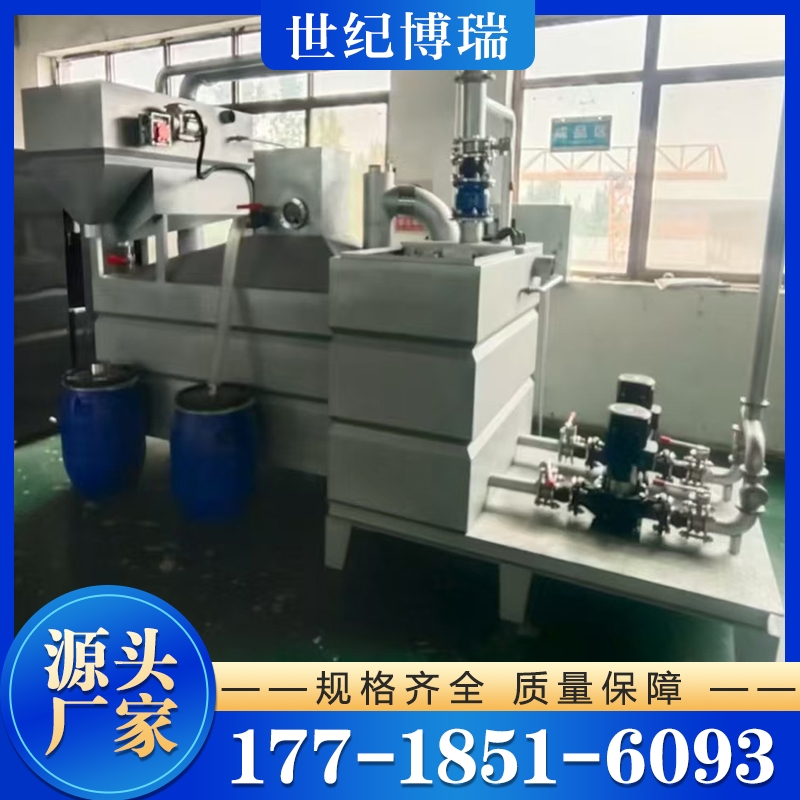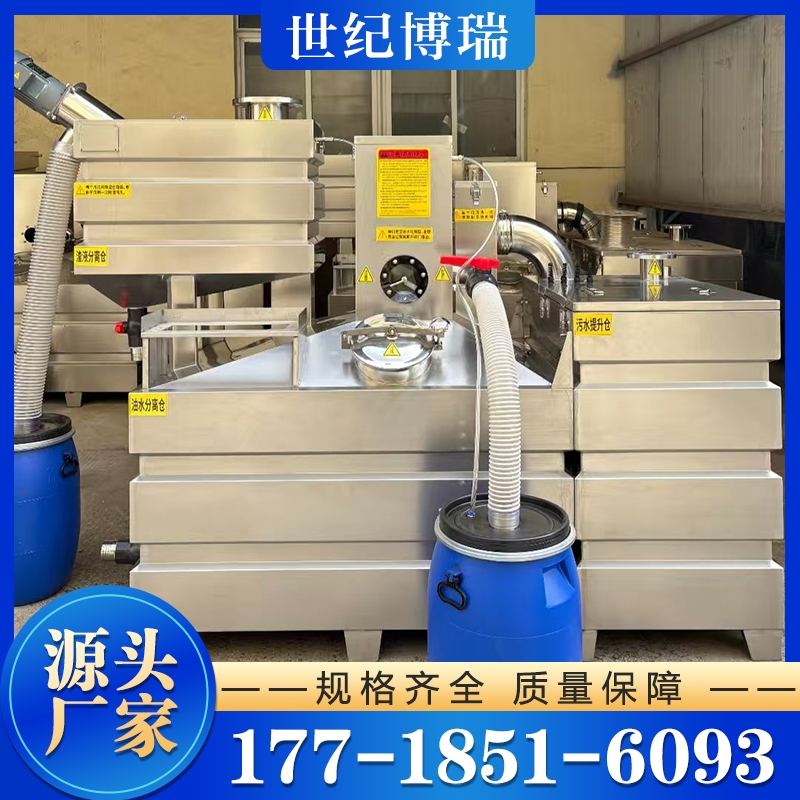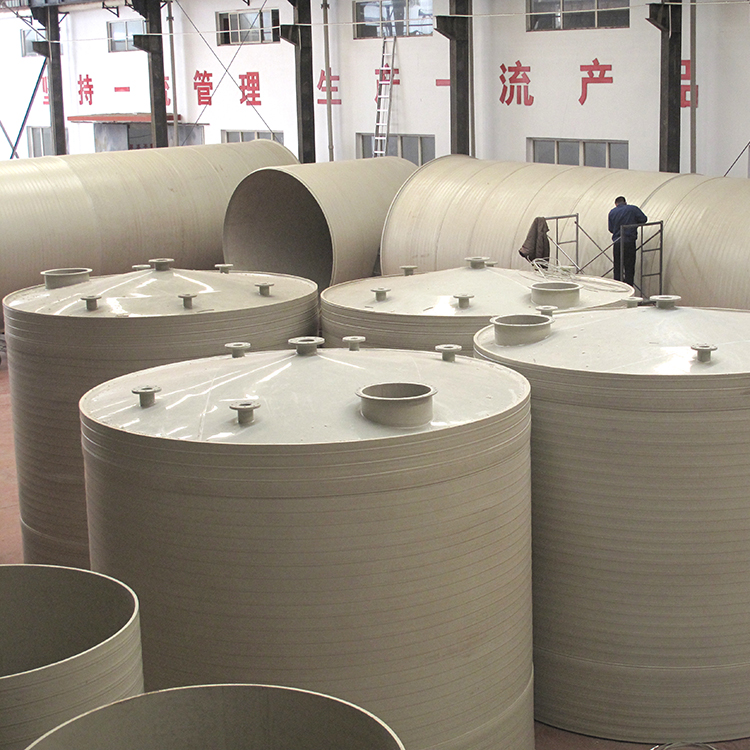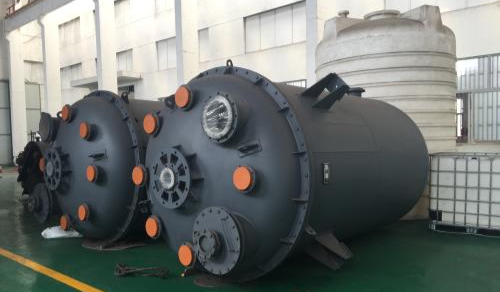




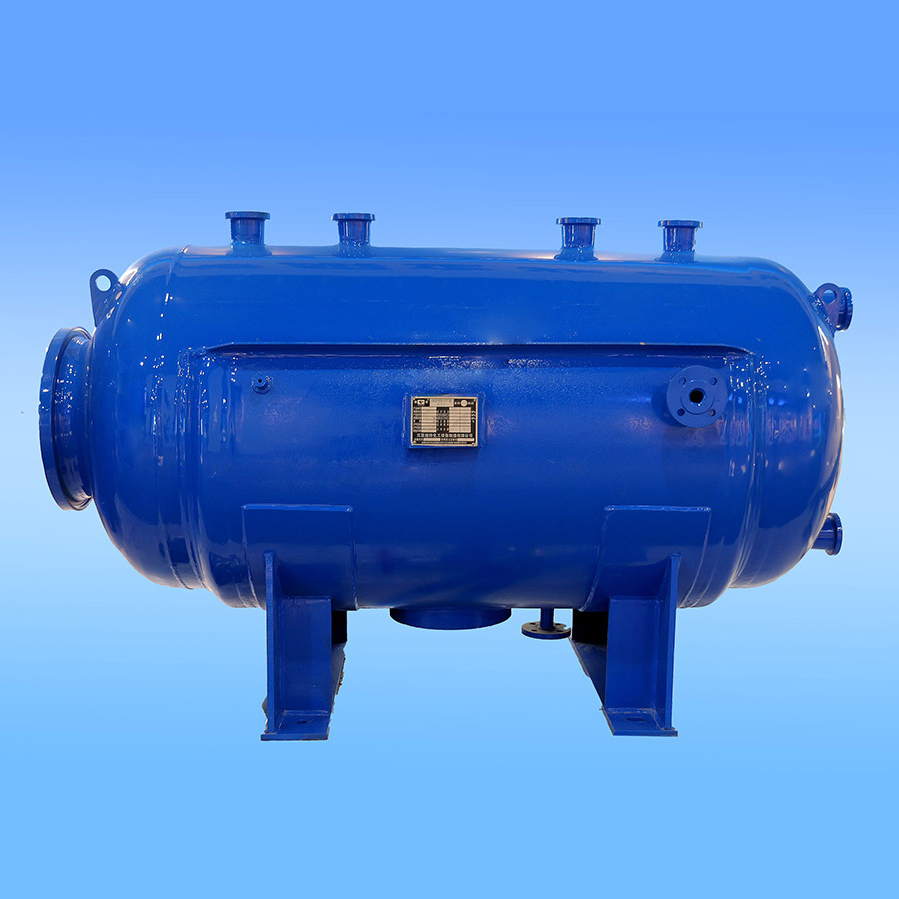
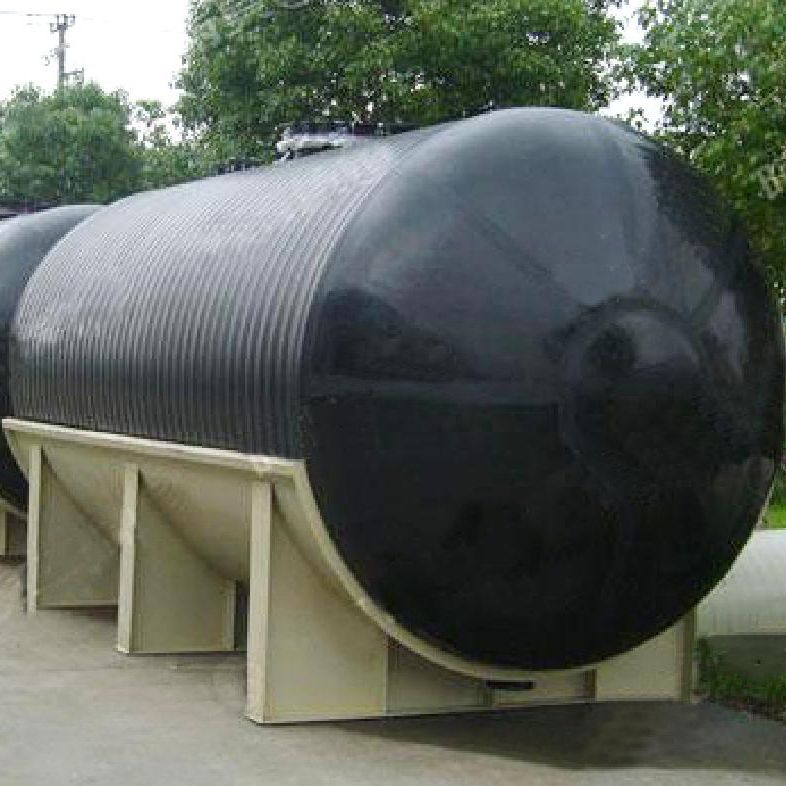
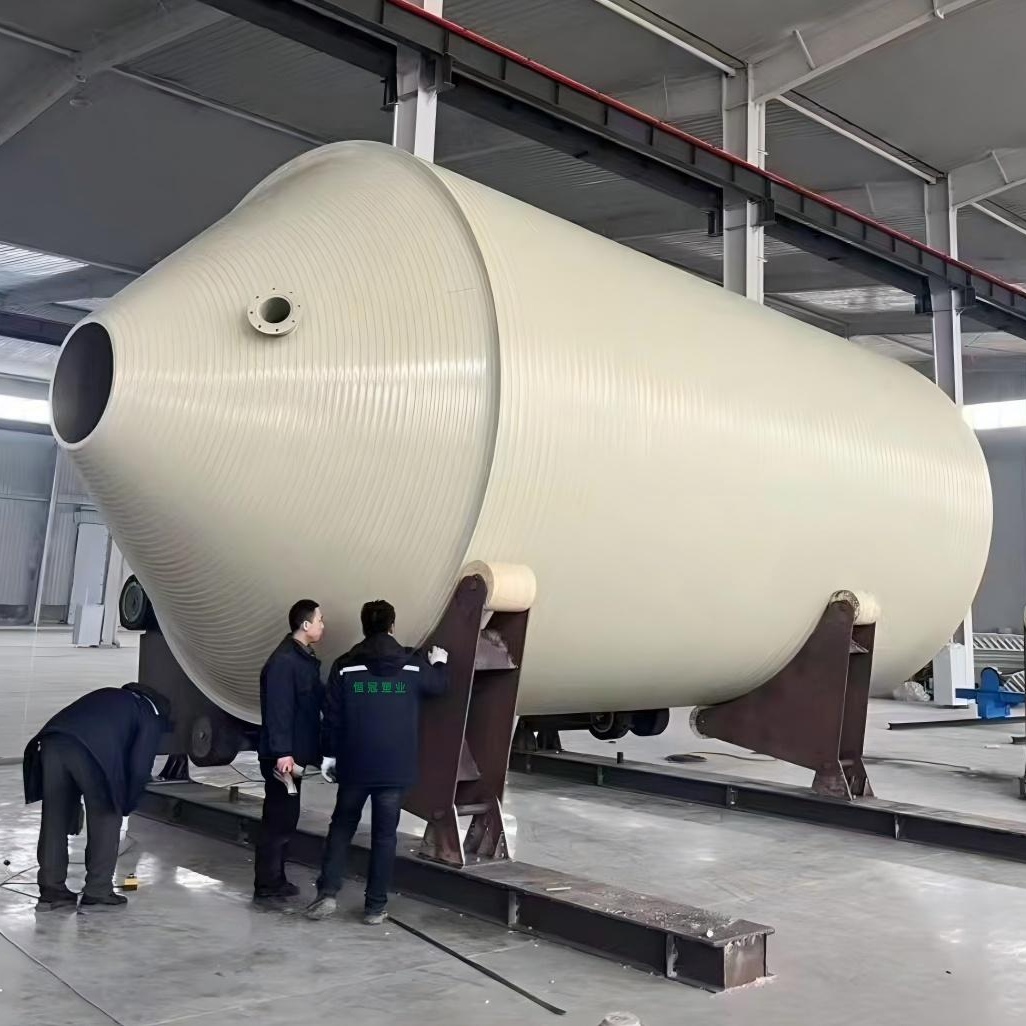
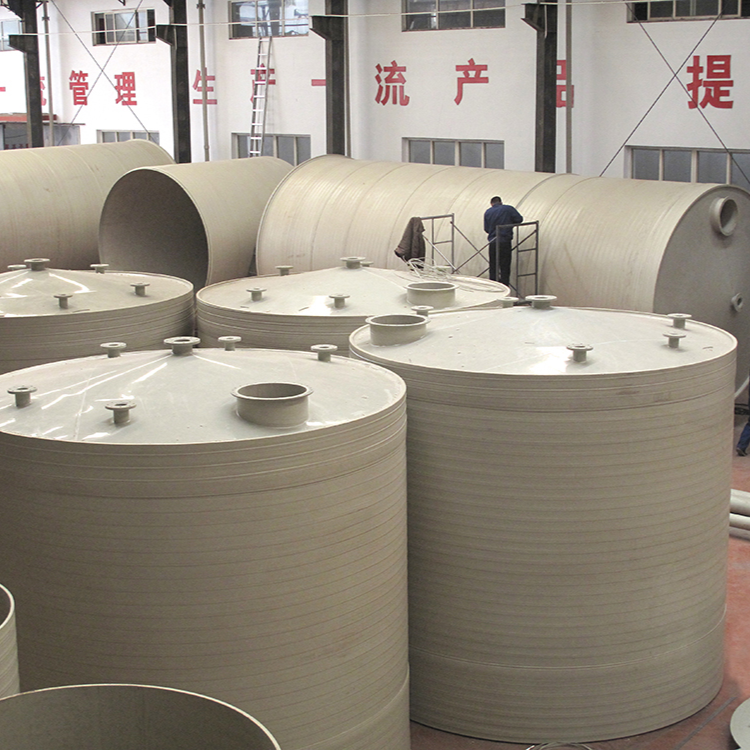






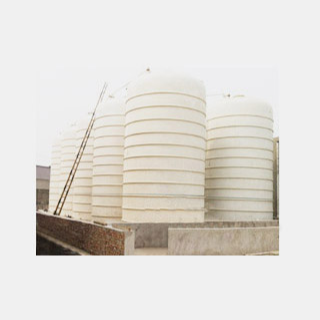

PP welding tanks are corrosion-resistant storage units made from polypropylene (PP) or PPH (polypropylene homopolymer), utilizing automatic extrusion welding or hot melt welding gun technology. They are not formed in one piece but assembled through sheet metal welding, particularly suitable for manufacturing large, non-standard containers.
Primary Product Types and Features
Product Type Core Features and Applications PPH Coiled Tank - Process: PPH granules are thermally melted and extruded into strips, which are then spirally coiled and fused into shape.
- Advantages: Strong as a whole, seamless, excellent pressure-bearing and shock resistance, and the mainstream choice for large storage tanks. PP Sheet Welded Storage Tanks - Process: Cut the pre-fabricated PP sheets and then weld them into the required shape using a welding torch.
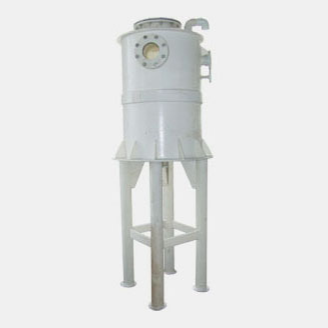
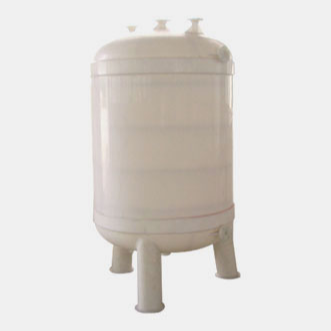
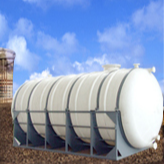
- Advantages: High flexibility for manufacturing non-standard parts, reinforcement structures, or on-site construction. Vertical flat-bottomed storage tanks feature a stable base and are commonly used for static storage of raw materials, wastewater, and chemical liquids. Horizontal storage tanks save vertical space and typically come with saddle supports, suitable for restricted site conditions. Equipment-equipped tanks - Agitator tanks: Equipped with internal mechanical or magnetic agitators for mixing reactions.
- Measuring Tank/Vault: Equipped with volume markings for precise batching.
- Chemical Feed Tank: Accompanied by a metering pump, used for adding chemicals in water treatment and power plant applications.
Vacuum罐:Enhanced structure for operation under vacuum conditions.
Key Features and Advantages
- Excellent corrosion resistance: Resists most inorganic acids, bases, and salt solutions, making it an ideal alternative to stainless steel and fiberglass.
- Flexible production process: Unrestricted by molds, capable of customizing various sizes and shapes from a few liters to over a hundred cubic meters.
- Material Options: Available in pure PP, reinforced PP, or PPH to meet different temperature, pressure, and medium requirements.
- Widely Applicable: Core applications include chemicals, environmental protection (wastewater treatment), pharmaceuticals, electroplating, food and other industries, used for storing corrosive liquids.
Example of typical parameters:
- Common Capacity: 1000L - 50m³
- Operating Temperature: -10℃ to +120℃
- Common Colors: Natural (Semi-Transparent), White, Black