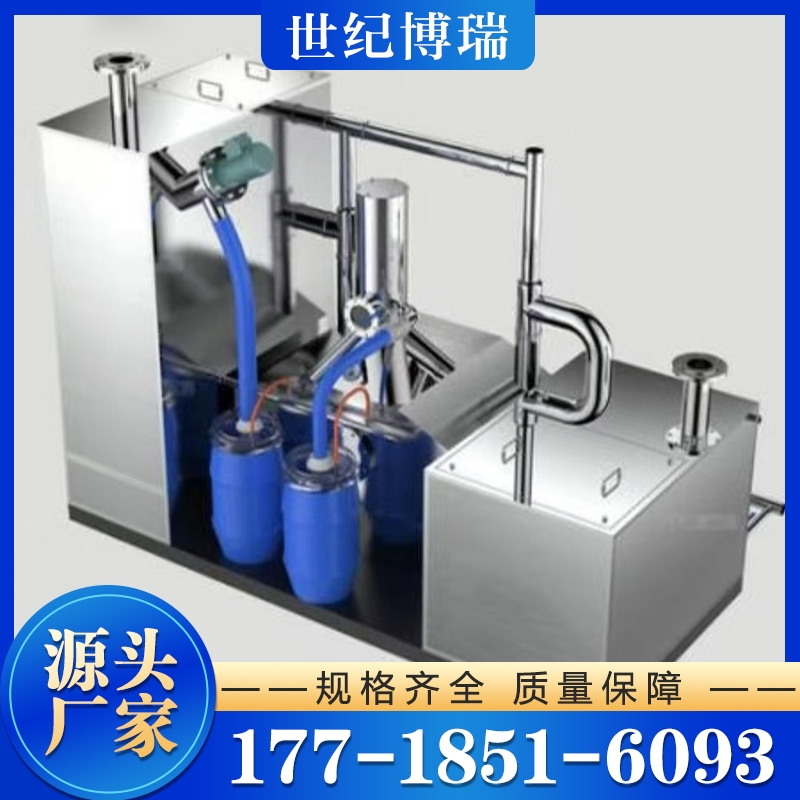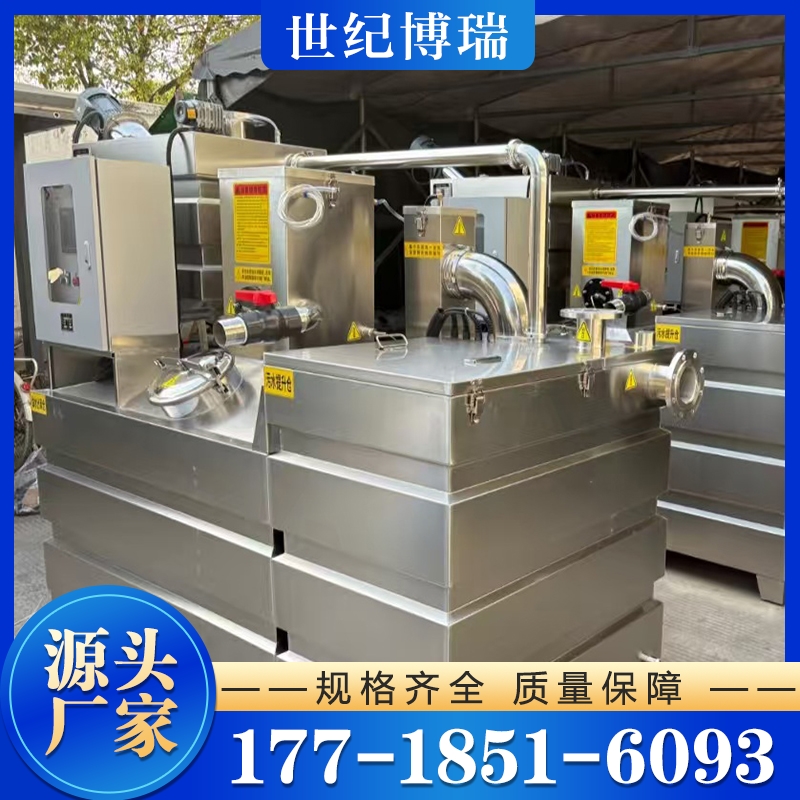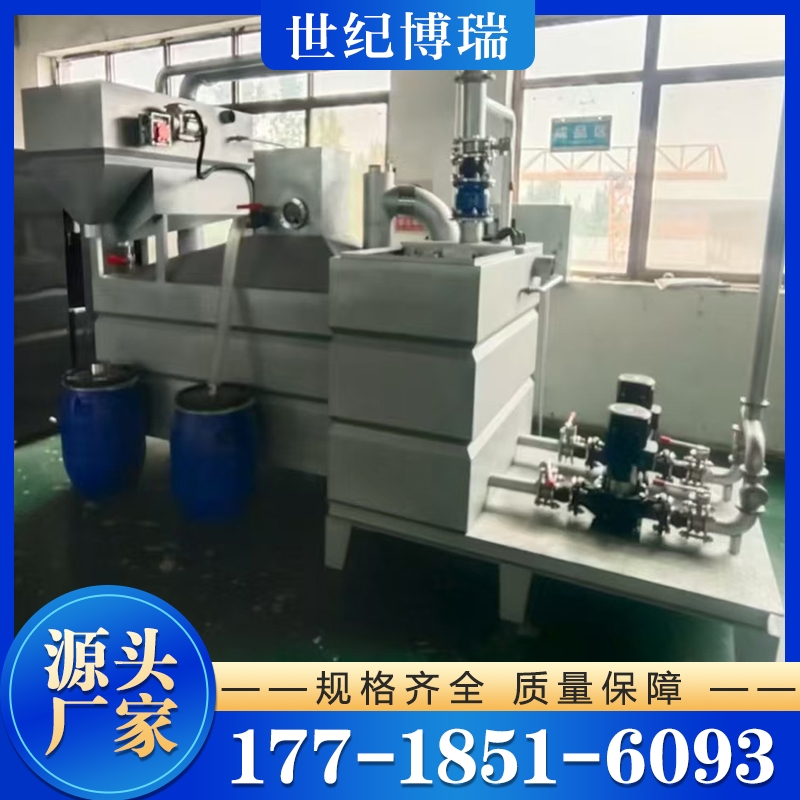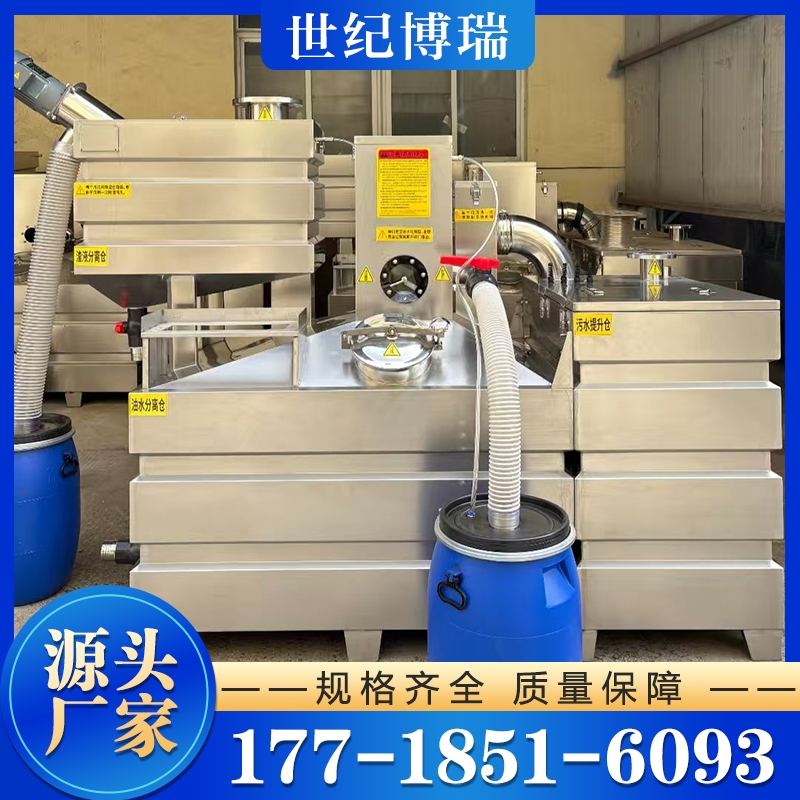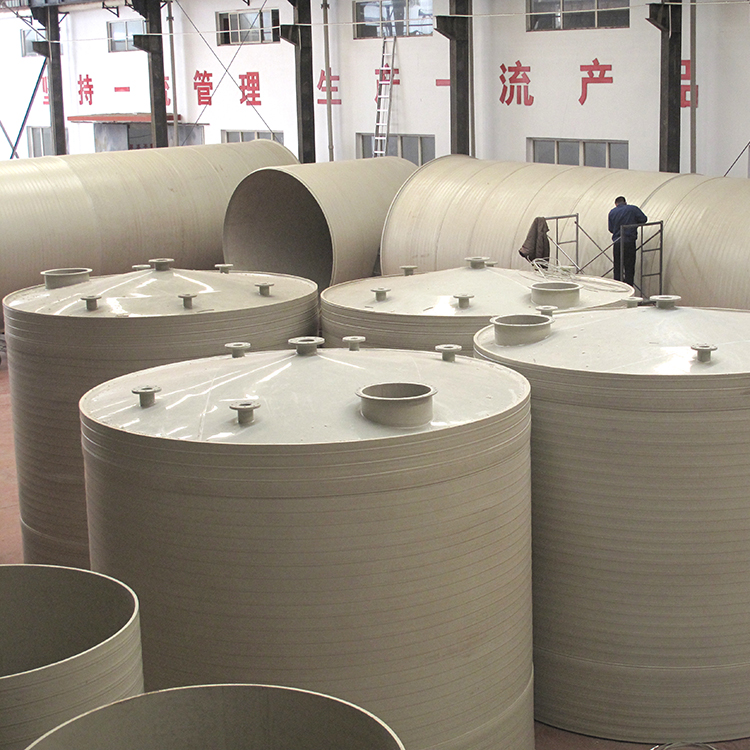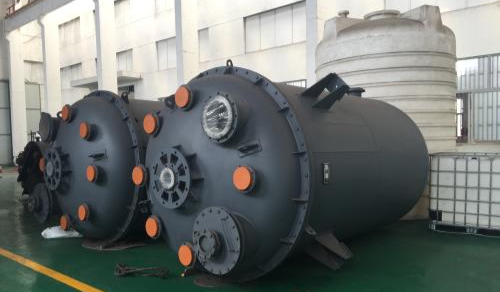


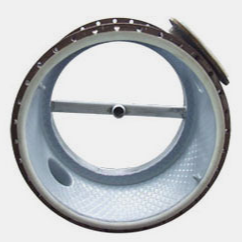
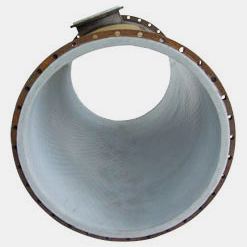


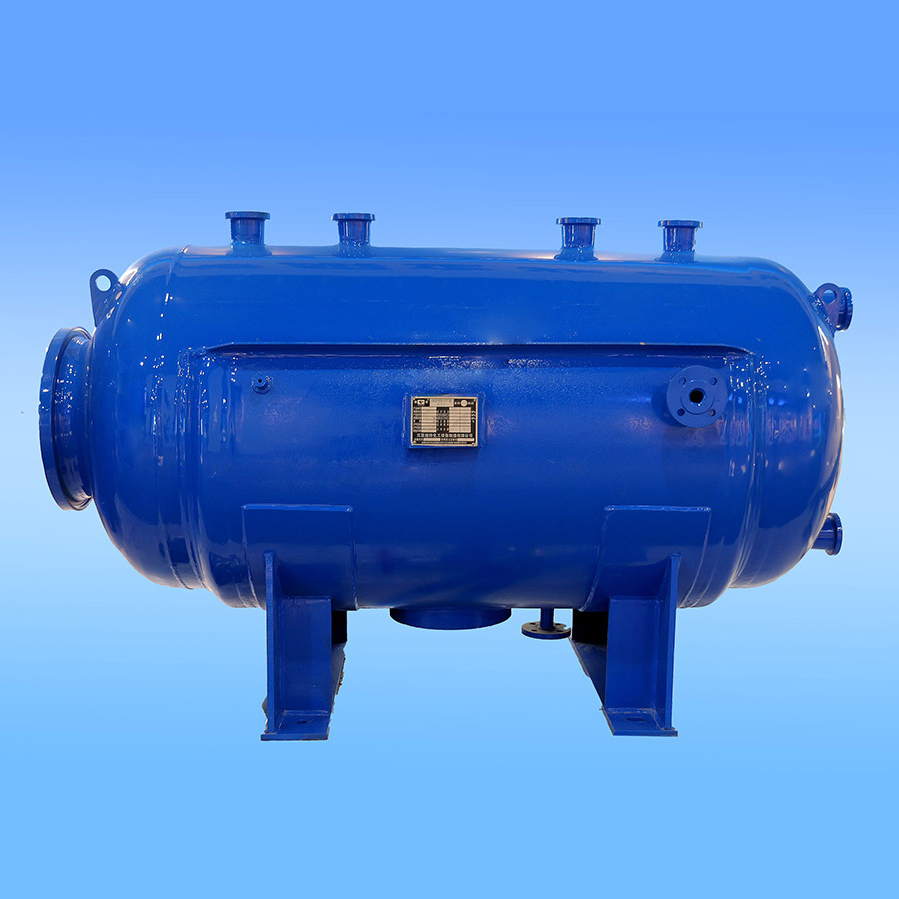
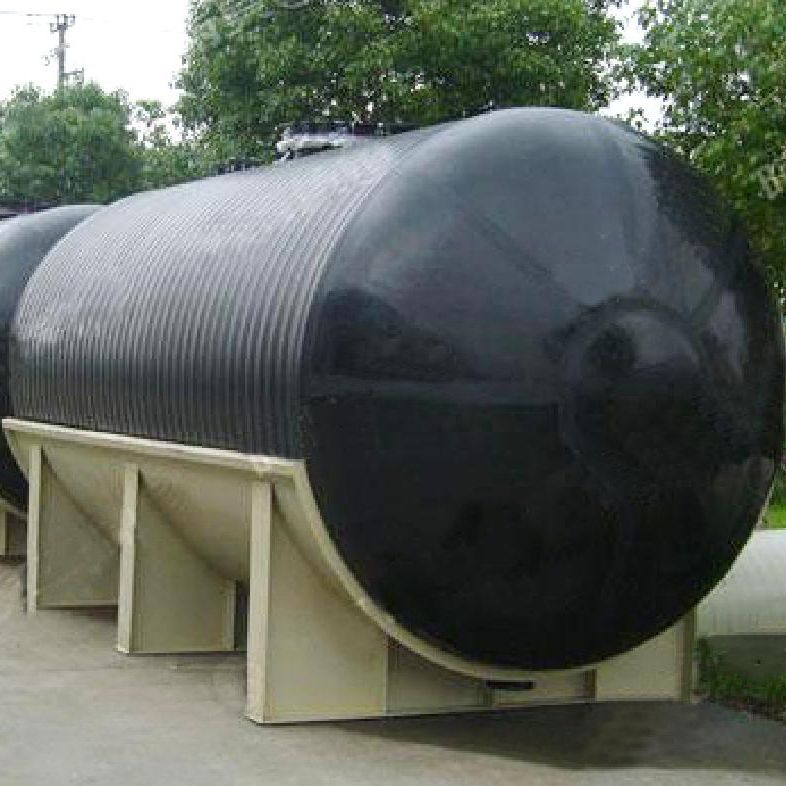
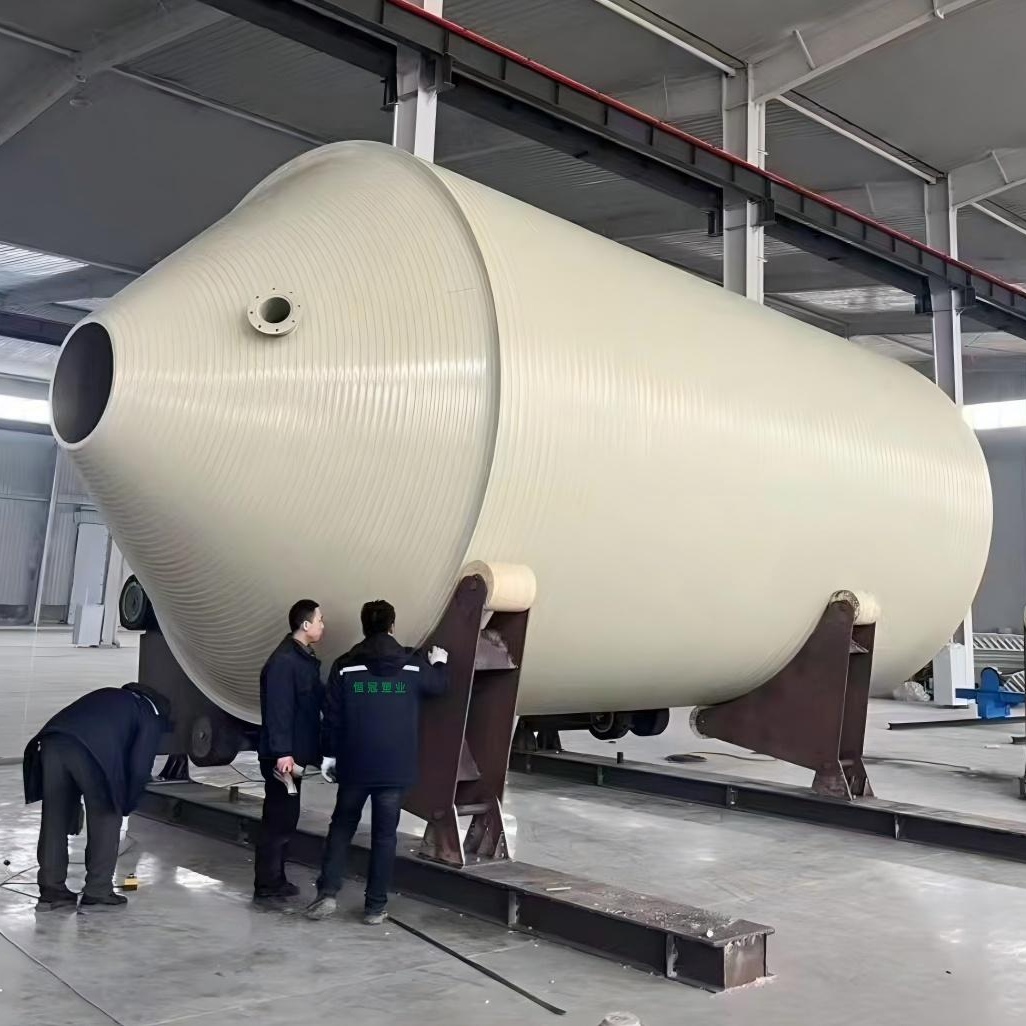
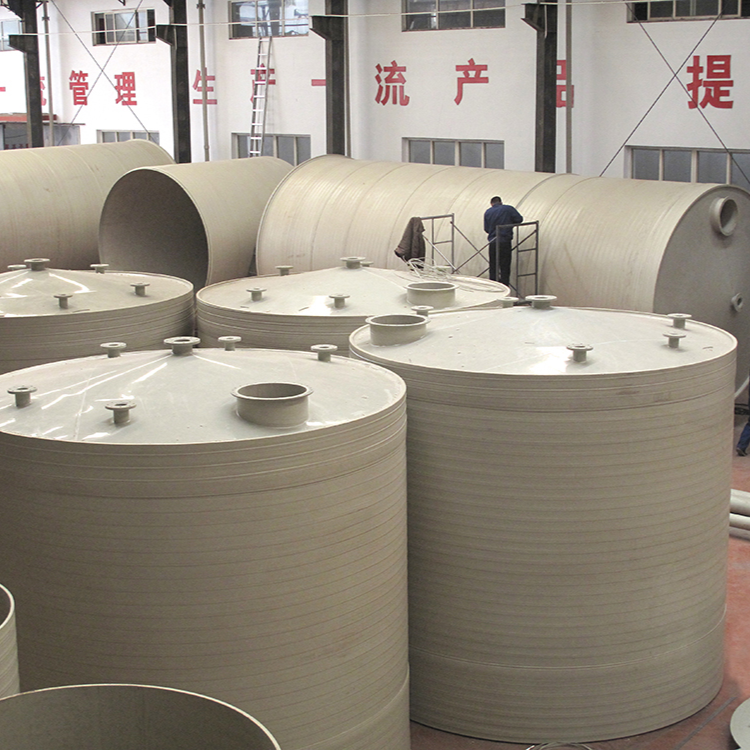






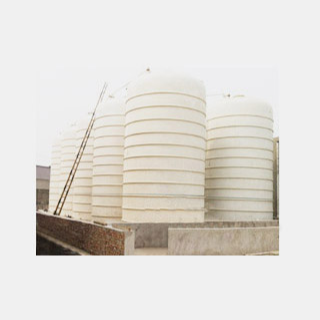


A steel-lined PE tower section is a composite chemical equipment component, which achieves a combination of high strength and high corrosion resistance by tightly bonding a polyethylene (PE) plastic lining with a steel (usually carbon steel) shell.
Core Structure and Features
- Composite Structure
- Outer Shell: Durable steel housing offering robust structural integrity and mechanical support, with excellent pressure-bearing capacity.
- Inner Layer: Seamless, thick PE plastic lining serving as a corrosion-proof isolation layer, directly contacting corrosive media.
- Core Technology:
- Primarily utilizing rotational molding or tight-fitting techniques, the PE plastic is heated and formed within the steel inner wall, ensuring the lining has good overall integrity, no internal stress, and no joint welds, fundamentally eliminating leakage risks.
- Core Advantages:
- Superior corrosion resistance: Resists most acids, alkalis, salts, and strong organic solvents.
- High strength, excellent pressure resistance: Overcomes the shortcomings of low strength and easy aging in all-plastic equipment.
- Long lifespan: The PE lining has strong anti-adhesion properties, ensuring a service life significantly longer than that of standard carbon steel equipment.
- High cost-performance ratio: much lower in cost compared to using stainless steel, titanium, and other special metals.
Primary Application Scenarios
Widely used in equipment such as absorption towers, scrubbing towers, purification towers, desulfurization towers, etc., across industries like chemicals, metallurgy, power, and environmental protection, serving as the core tower section for storing and processing corrosive materials.
In summary, it leverages the "skeleton" of steel to bear pressure and the "armor" of PE to resist corrosion, making it an ideal choice under heavy corrosion conditions.