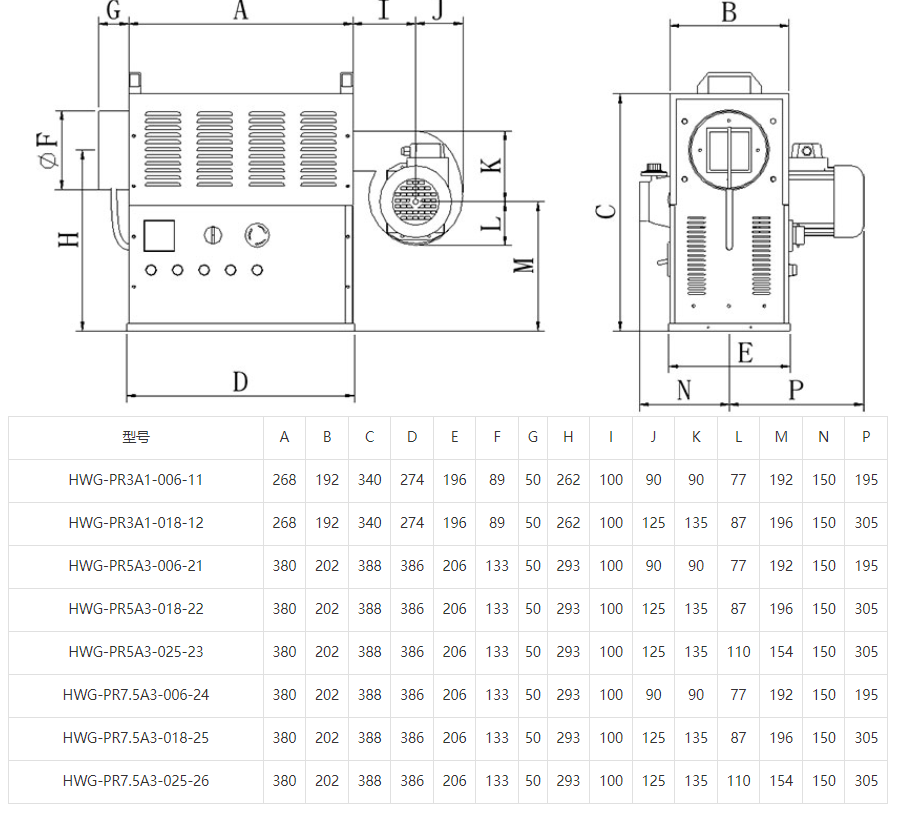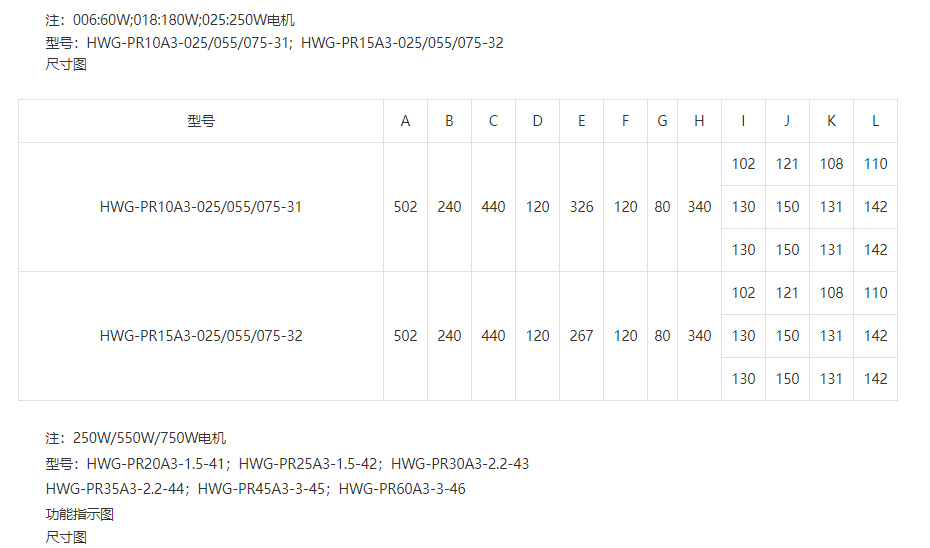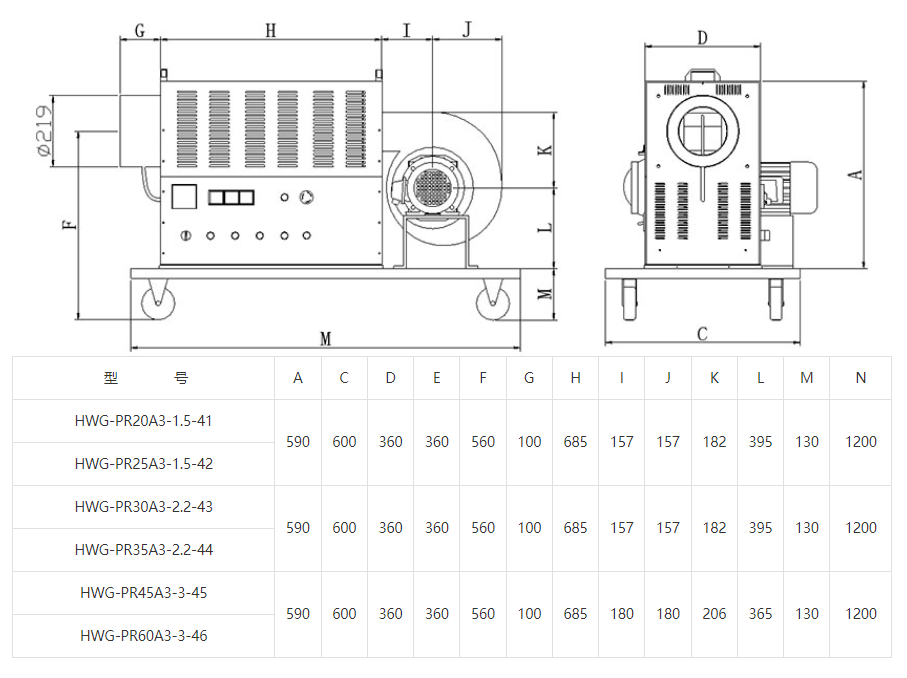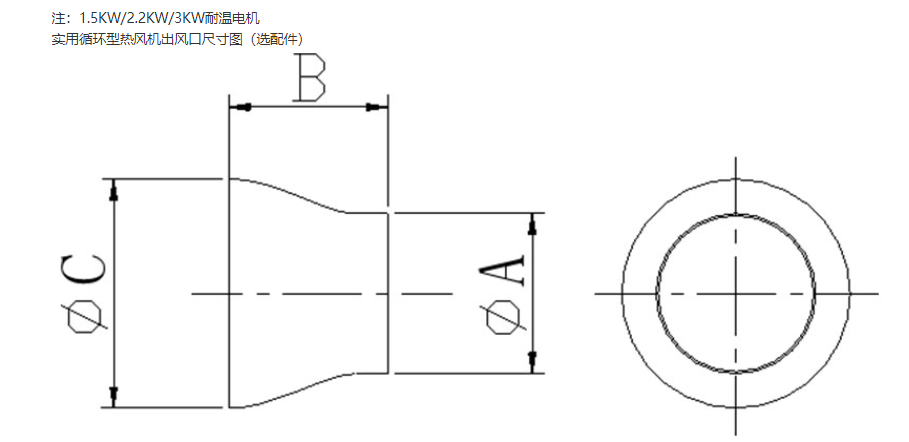










1. Explosion-proof hot air blower working principle
Gas enters the inlet of the air heater through hot air ducts under the action of the fan, follows a path designed according to specific thermodynamic principles within the air heater, and carries away a large amount of heat emitted from the surface of the electric heating elements. The gas temperature at the explosion-proof electric heat duct heater outlet meets the process requirements.
2. Structure of explosion-proof electrically heated oil heater:
(1) The electric heater is a portable vertical structure, mainly composed of a bundle of finned electric heating tubes, a wiring cavity, a fixed mesh, and a temperature control section.
(2) The electric heating tube assembly flange is made of Q235 steel, and the electric heating tube is fixed by welding with the electric heating tube.
A. Manufacturing of electric heating elements, heat dissipation from the surface of electric heating tubes, preferentially use fin-wound form, with excellent heat transfer efficiency.
Heating elements are spaced apart from each other, as are the conductors within the tubes and their distance from the metal tubes, exceeding 2mm. The conductors within the tubes are connected to the heating elements using press-fit or hard solder connections, and the minimum electrical clearances and minimum creepage distances are in accordance with Table 1 and Table 3 of GB3836.3-2000. The tube ends at the metal tube's termination are insulated with insulating material and subjected to adequate insulation and moisture-proof treatments. Type testing is conducted in accordance with the provisions of C.20.3 in GB3836.1-2000, "General Requirements for Explosion-Proof Electrical Equipment Used in Explosive Atmospheres."
B. The finned electric tube must withstand the following tests:
(a) 1.1 times rated voltage, one minute of power on and four minutes of power off per cycle, repeated tests, withstanding dielectric strength test under the following AC voltage for one minute: 2E+1000 (2 times the rated voltage of the electric heater + 1000V), minimum 1440V, high-voltage test conducted at 1500V.
(b) Conduct the dielectric strength test of the alternating voltage shown by repeating the cycle of applying power at 1.1 times the rated voltage and current for 5 minutes, then disconnecting power and fully immersing in water for 25 minutes, for 50 cycles. Afterward, leave it exposed to the atmosphere for 40 minutes and then for an additional 1 minute.
(c) After placing in a warm box with a relative humidity of 90±5% at +40±5℃ for 24 hours, immediately wipe off the surface moisture. Measure the resistance between the charged and uncharged parts using a 500-volt megohmmeter, which must be no less than 10 megohms.
(d) Under rated operating voltage, the rated power of the component is allowed to deviate ±5%.
(e) At room temperature, the insulation resistance of the components must not be less than 500MΩ.
(f) Components are permitted to operate under voltage conditions greater than the rated value but not exceeding 1.1 times the rated value.
(g) Other aspects of the components should comply with the provisions of "JB2379-93," the Technical Conditions for Tubular Electric Heating Elements.
(h) The internal electrical heating elements of the electric heater must be tested 100%.
C. Manufacturing of finned electric heating tubes:
The U-shaped fin electric heating tube with Φ16 diameter has a wall thickness of 1.5mm, and the shell is made of 0Cr18Ni9Ti. High purity magnesium powder from Japan is used, along with high-temperature nichrome alloy wire for the heating element. The manufacturing process includes powder filling, vibration, tube shrinking, and bending. Final inspections show: insulation resistance of each heating tube > 500MΩ; assembled ≥ 200MΩ; high-voltage test ≥ 1500V/min. Complies with national standard GB3836.1-3-2000.
(3) Set a fixed mesh inside the shell to secure the heating element.
(4) Electric heaters are equipped with a temperature controller that measures the air outlet temperature and is connected to the AC contactor temperature control module. Users only need to provide power to achieve temperature control and adjust the hot air outlet temperature.
3. Advantages:
a) Fast heating (with 2080 nickel-chromium wire as the heating element)
b) High thermal efficiency
c) Safe, durable, and capable of continuous 24/7 operation.
4. The hot air blower features the following functions:
a) Prevent dry burning function;
b) Automatic temperature regulation feature
c) Over-temperature alarm function;
d) Automatic overheat and overload protection for the motor;
f) Motor delayed shutdown function
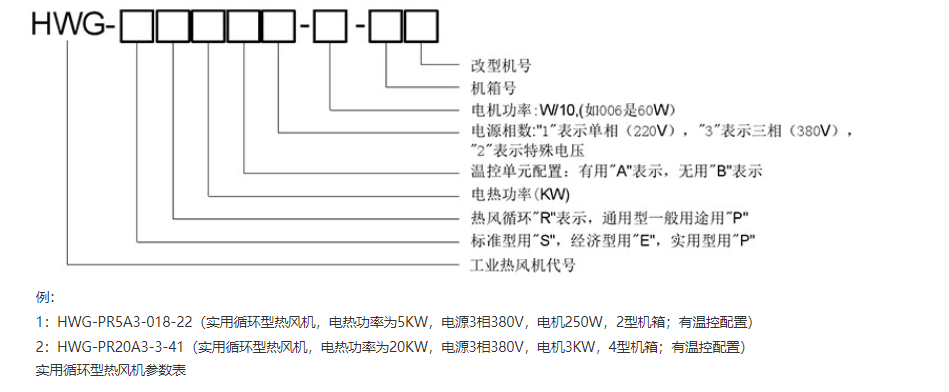
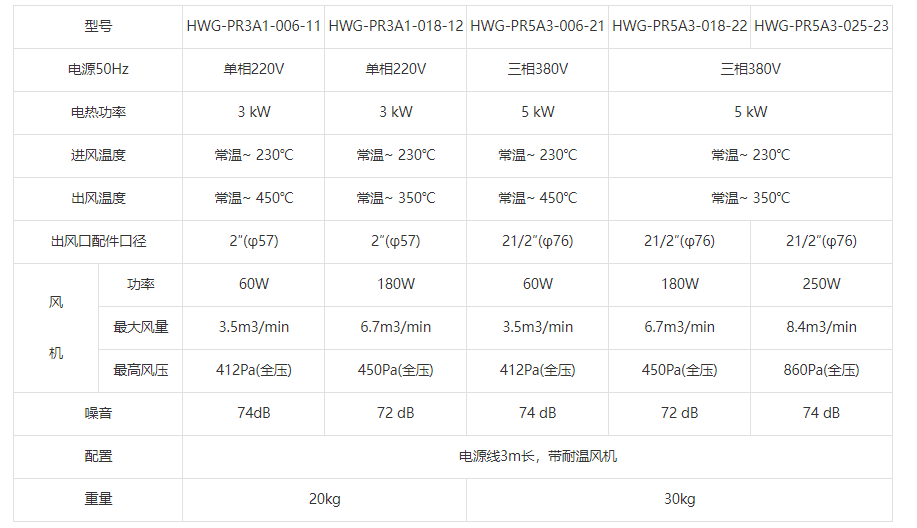
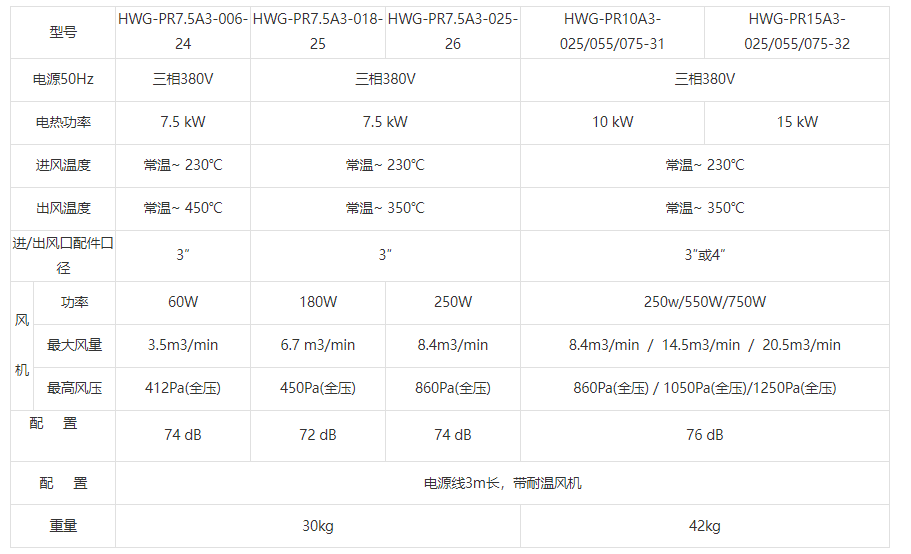
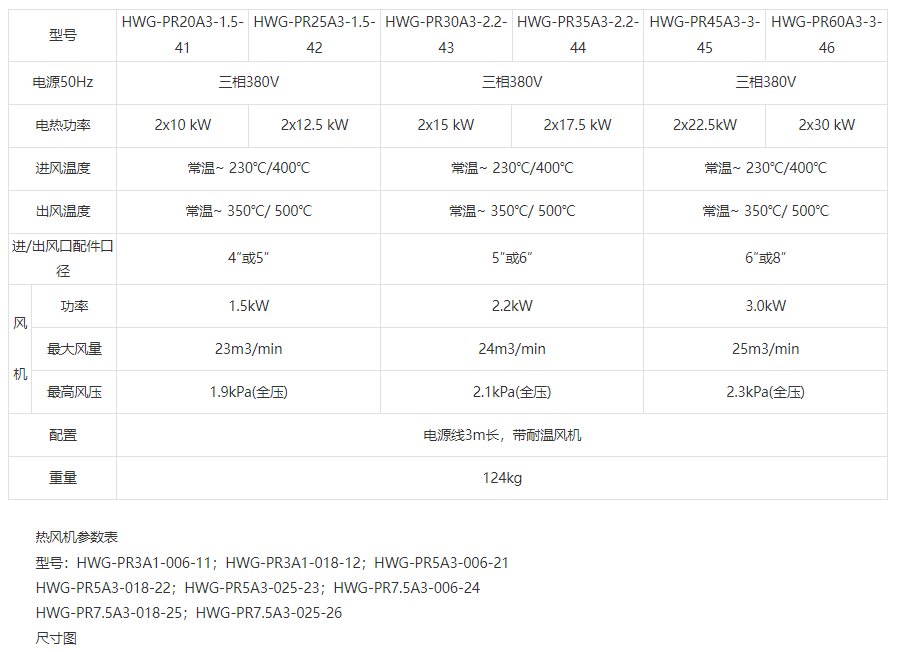
Model Description: