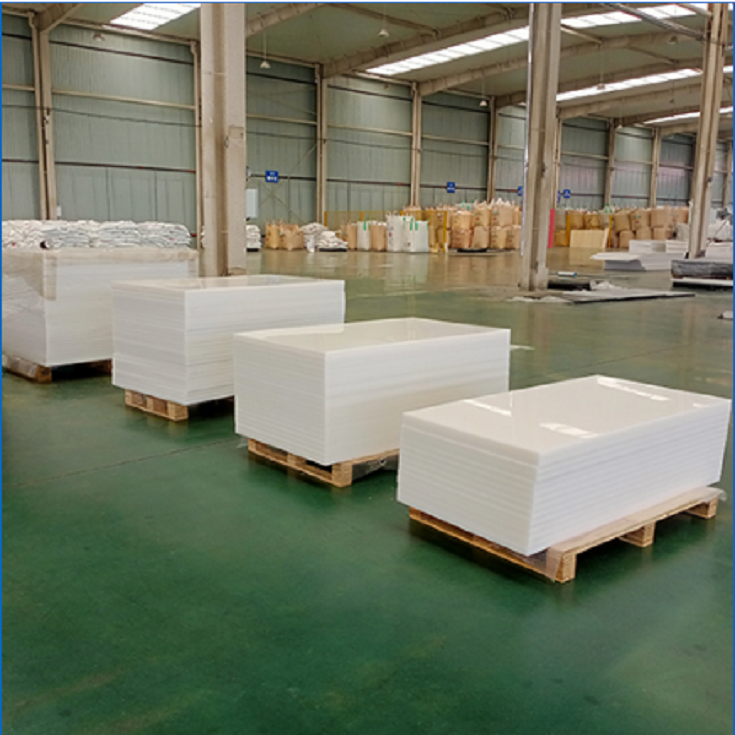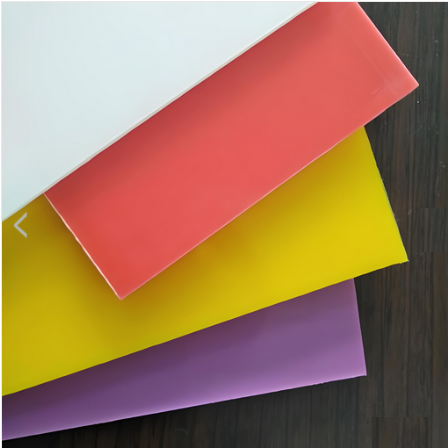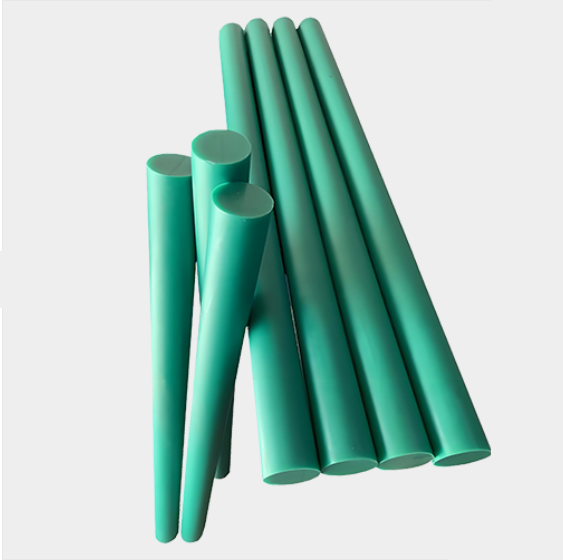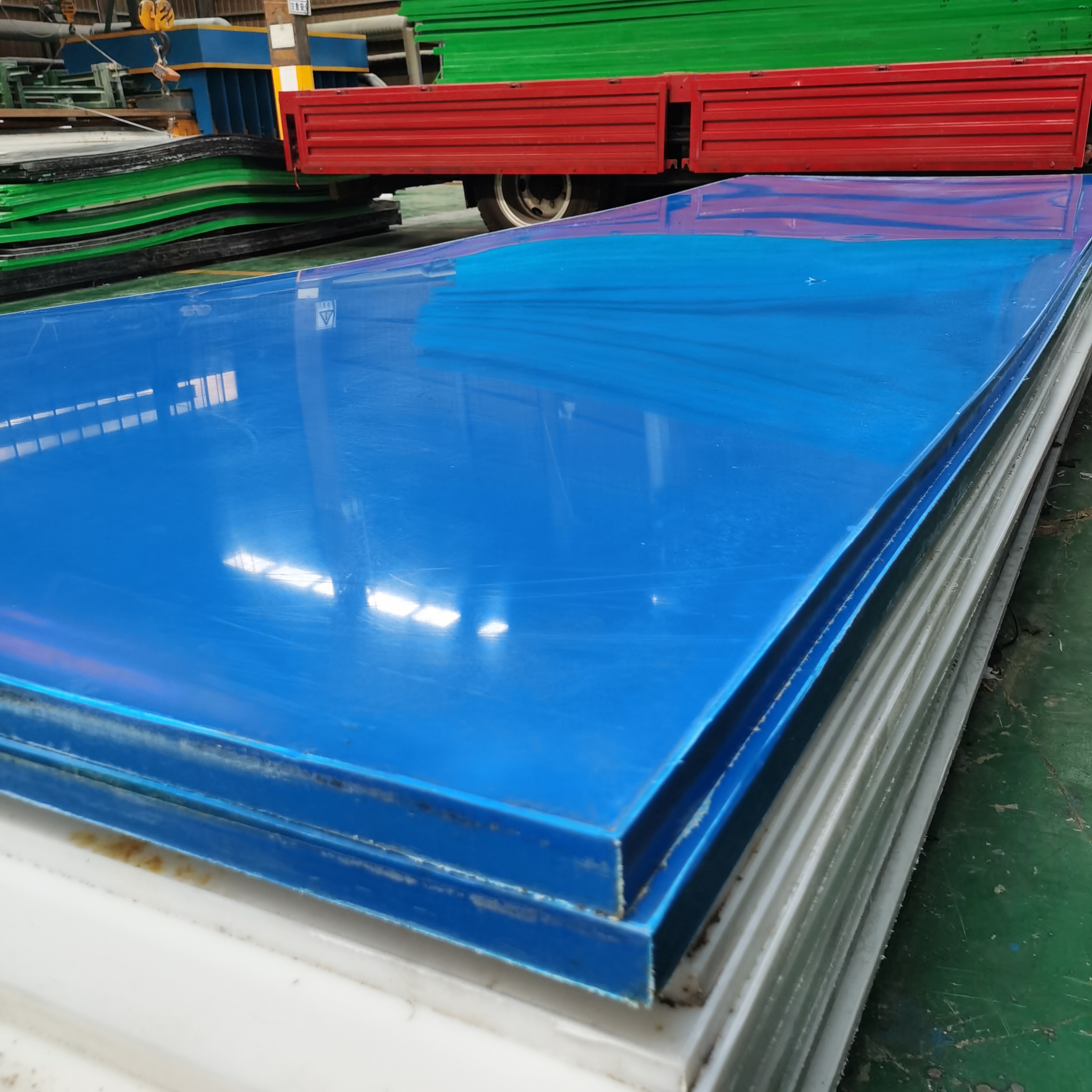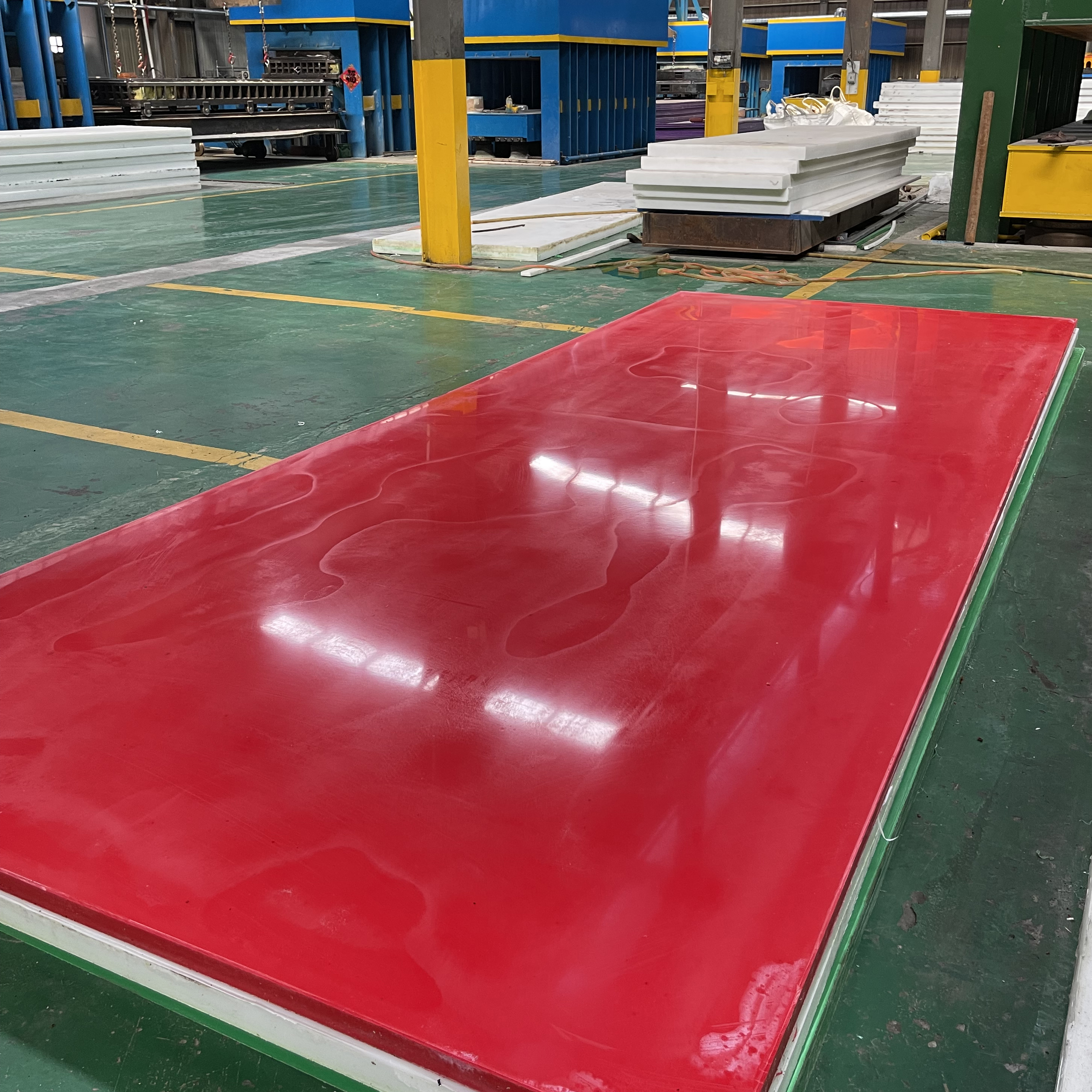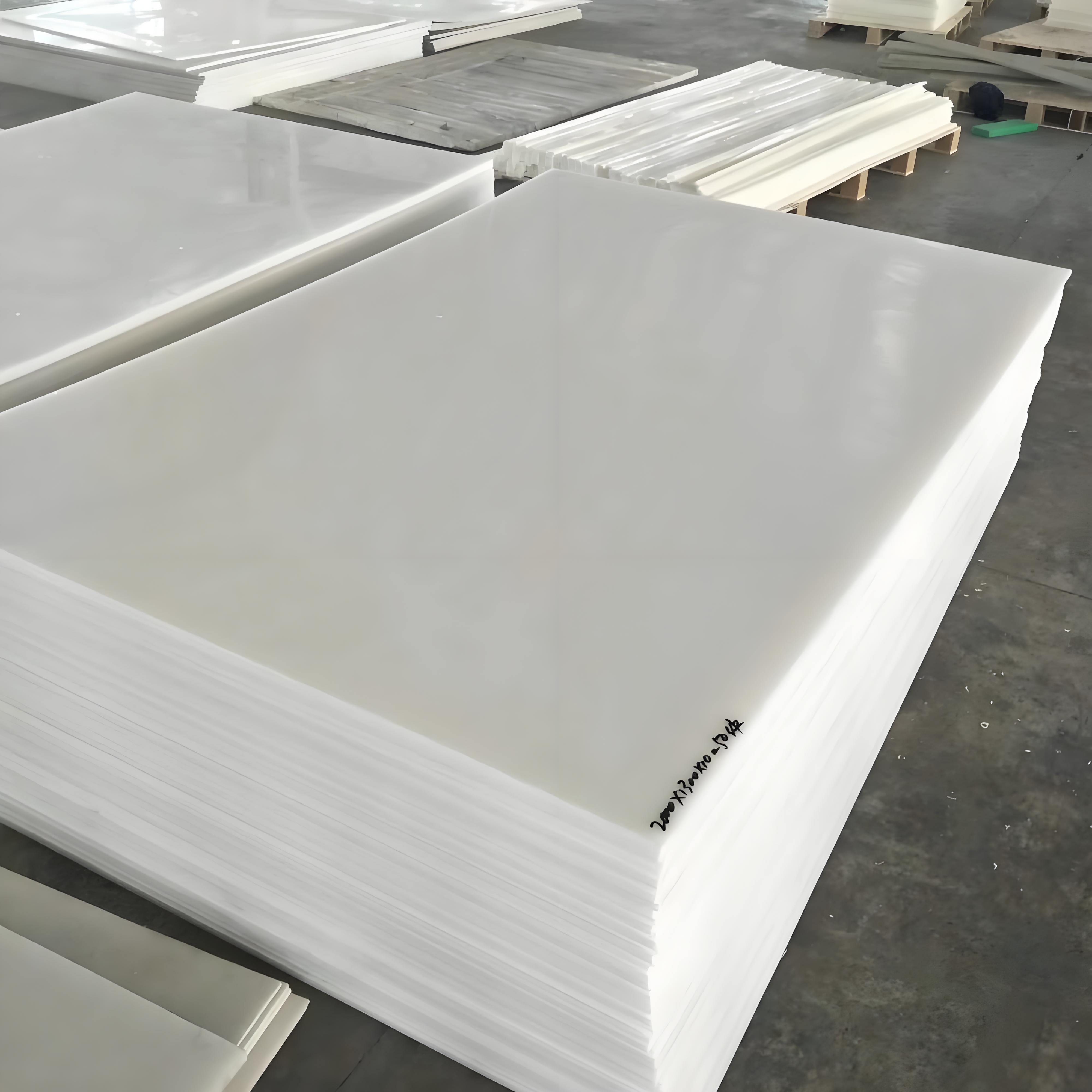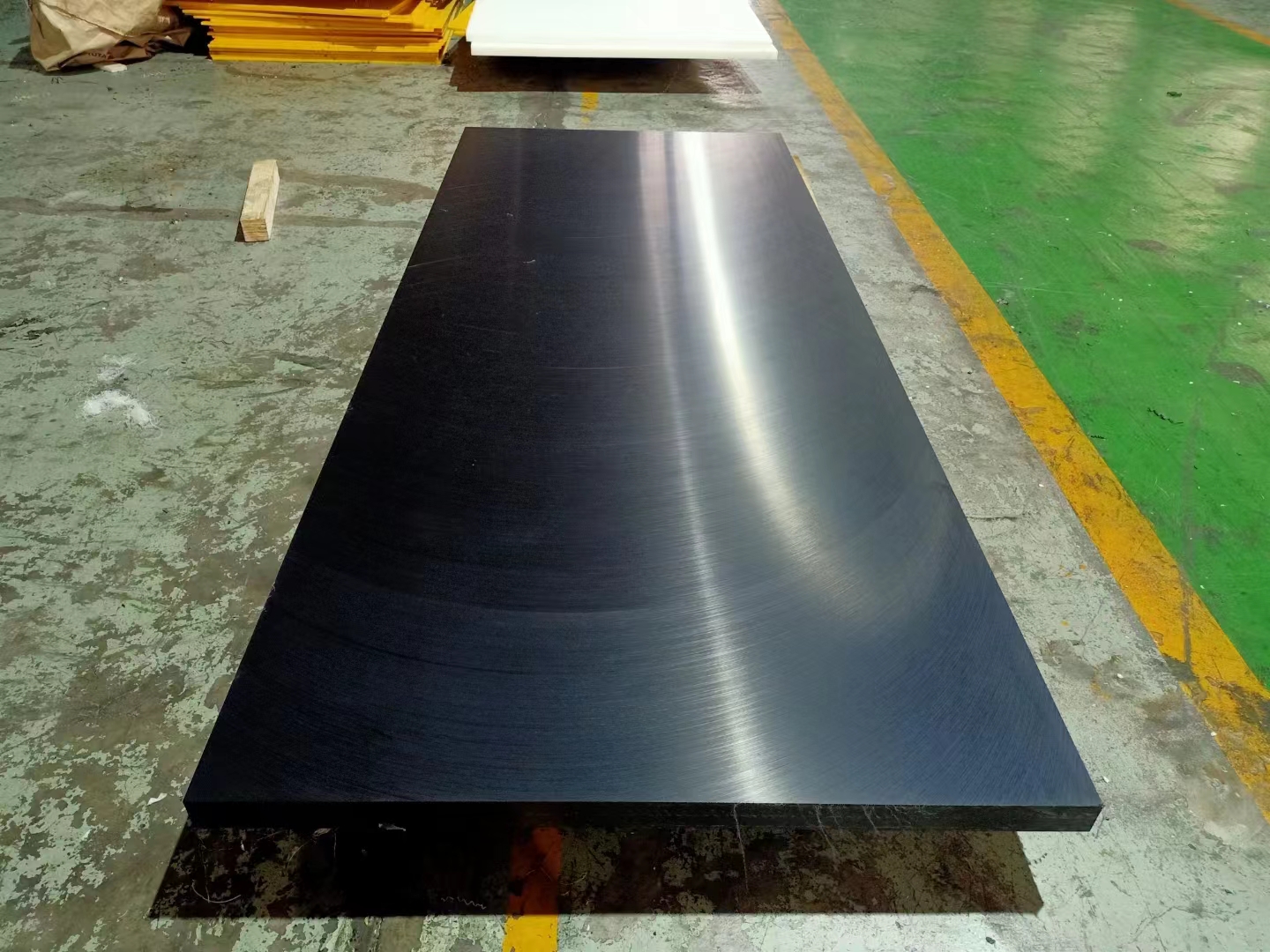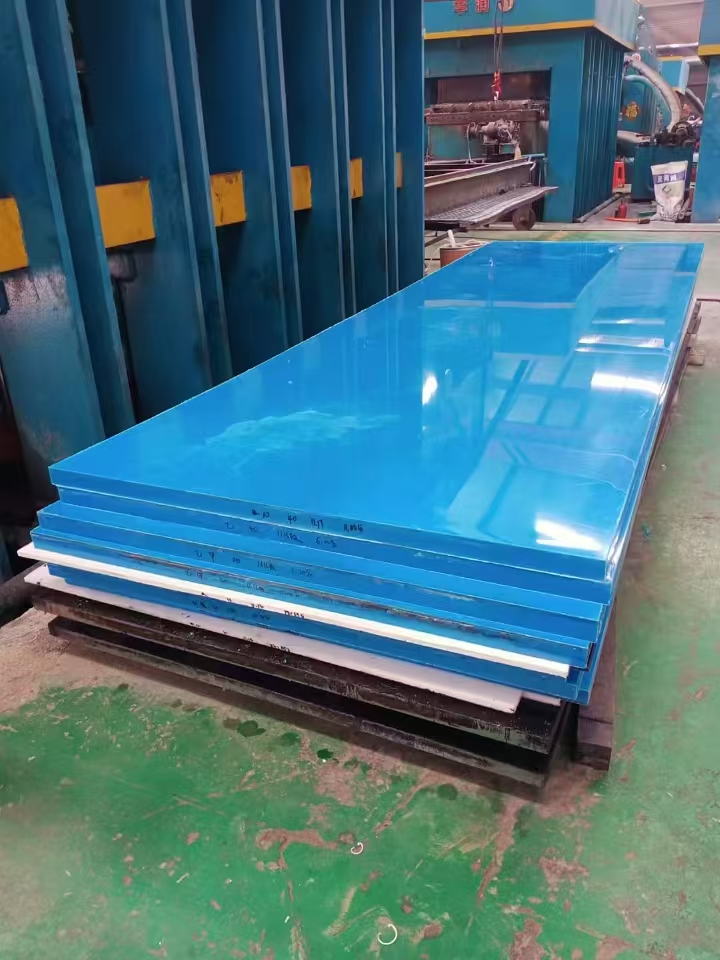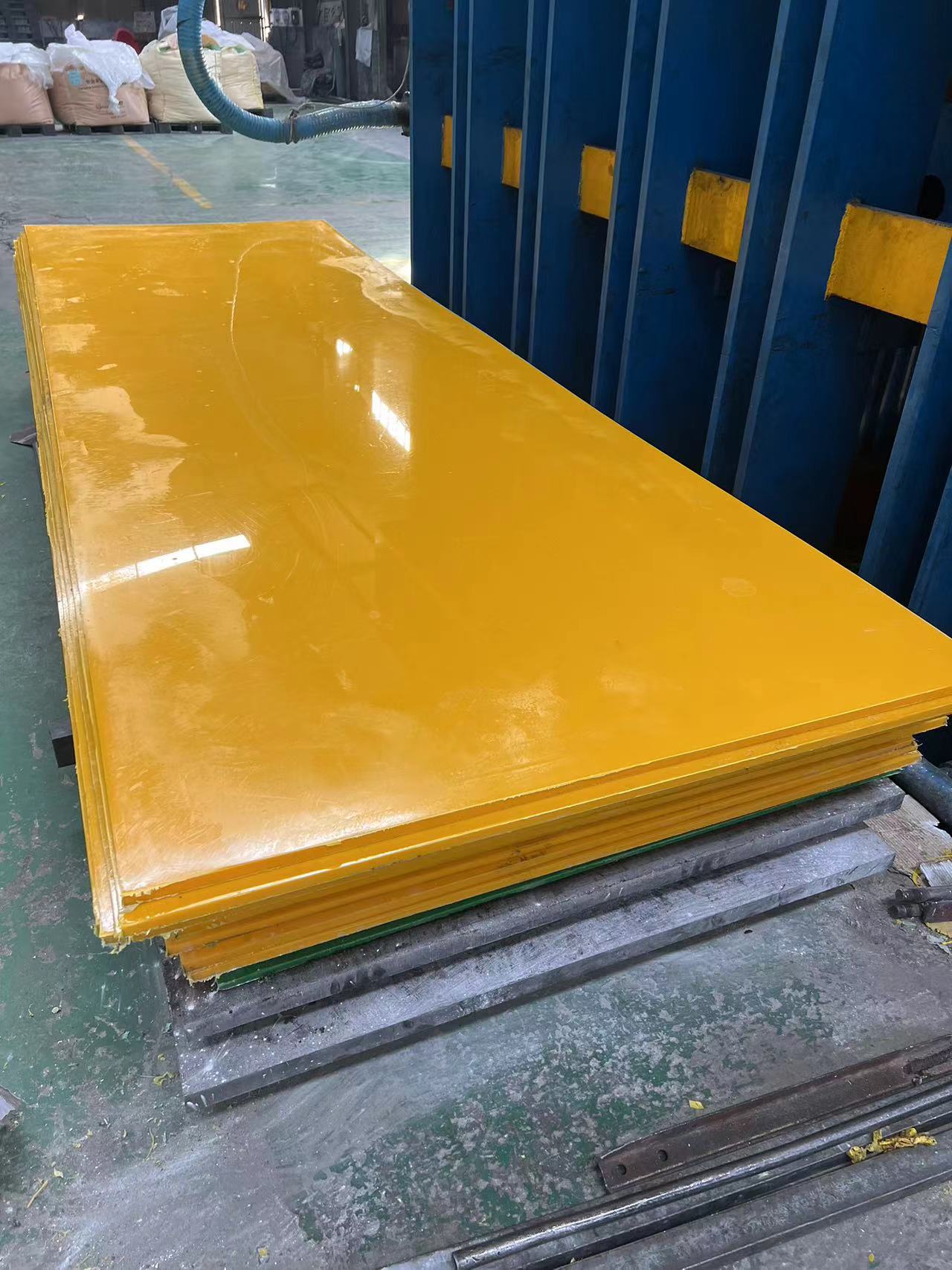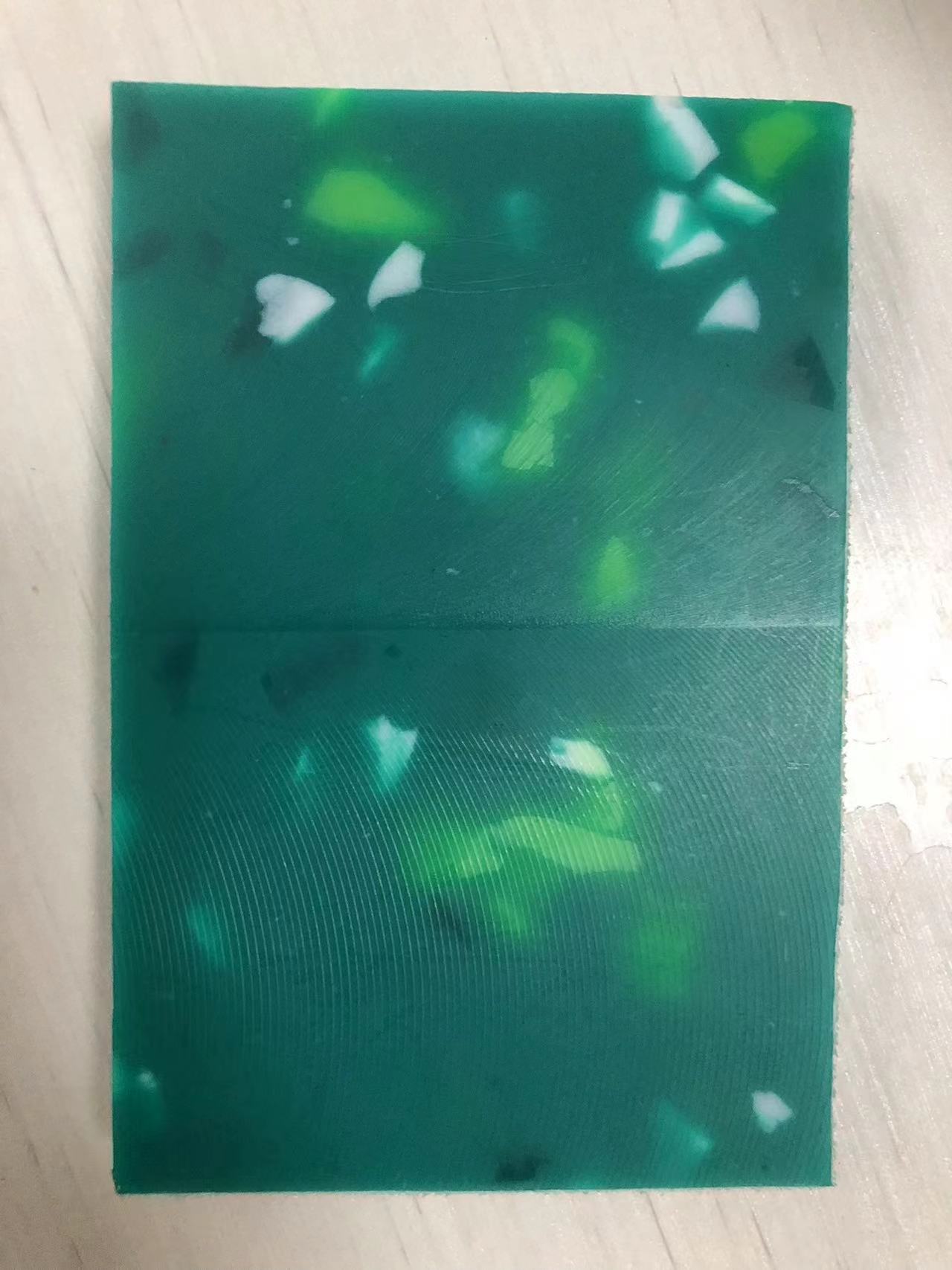

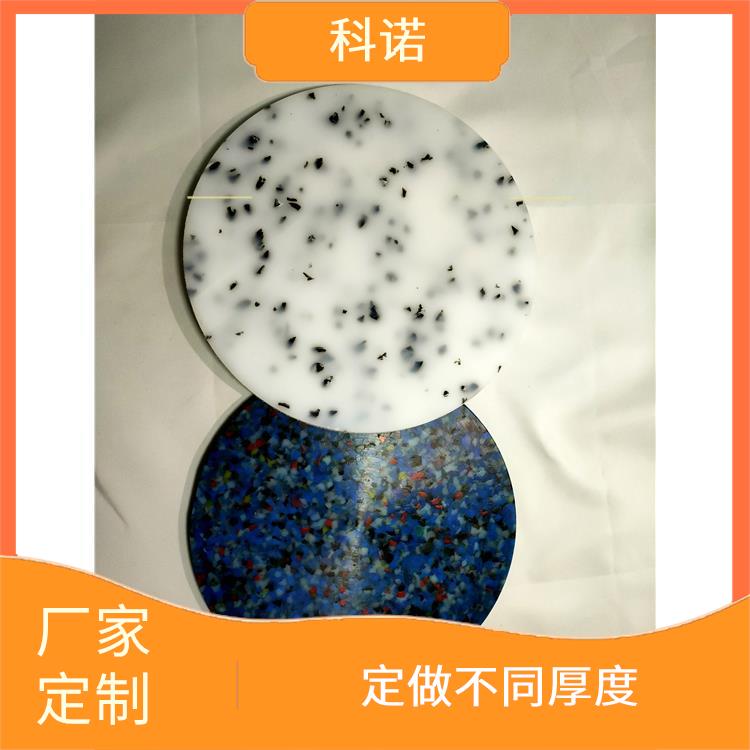
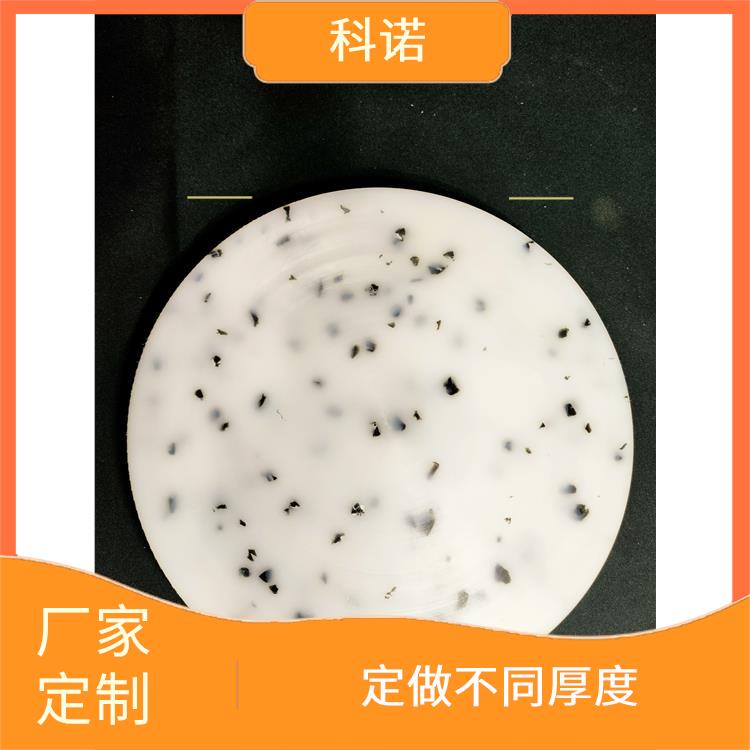


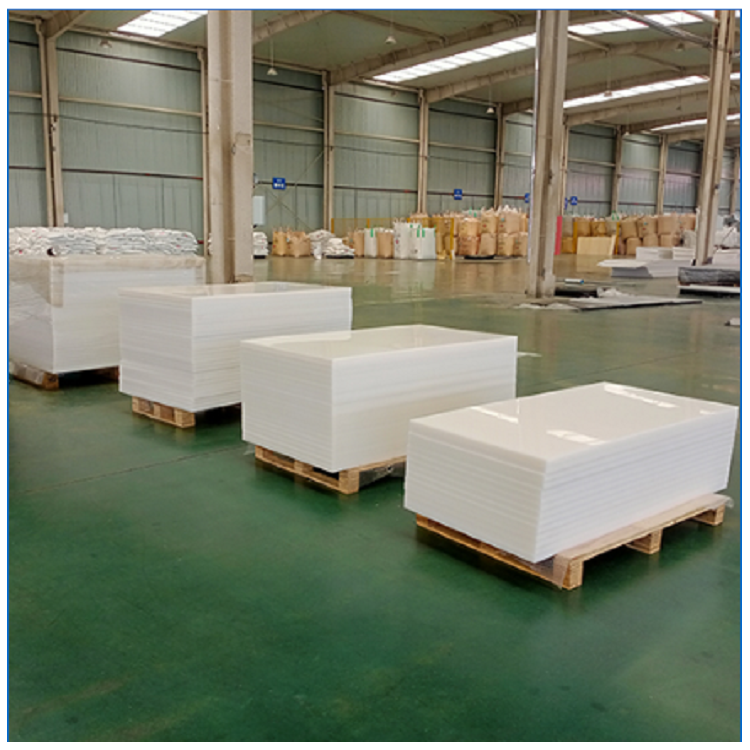
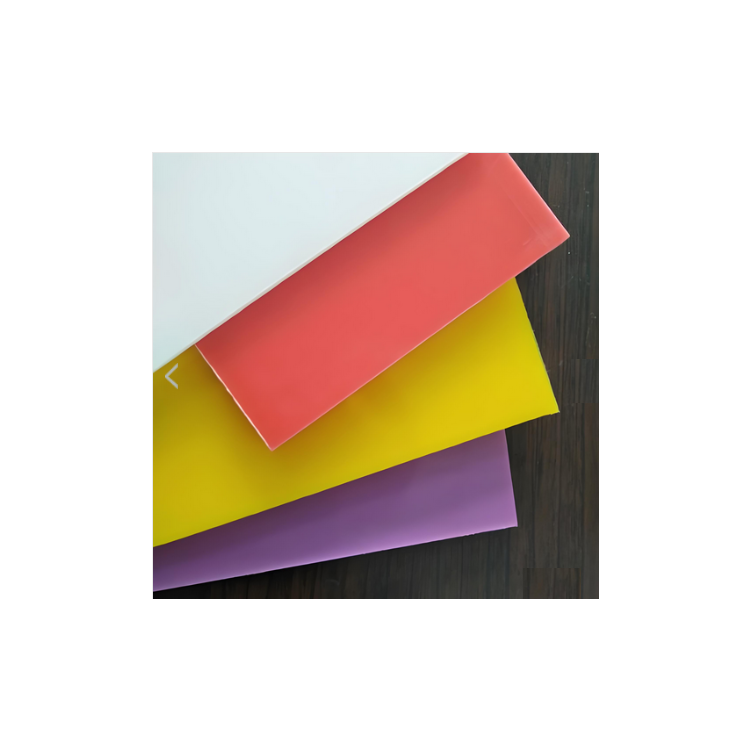
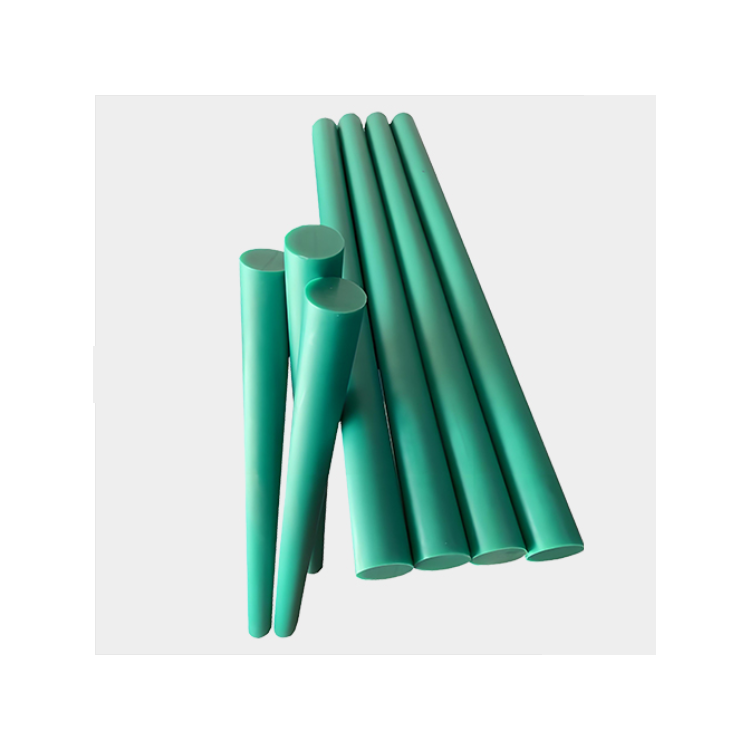
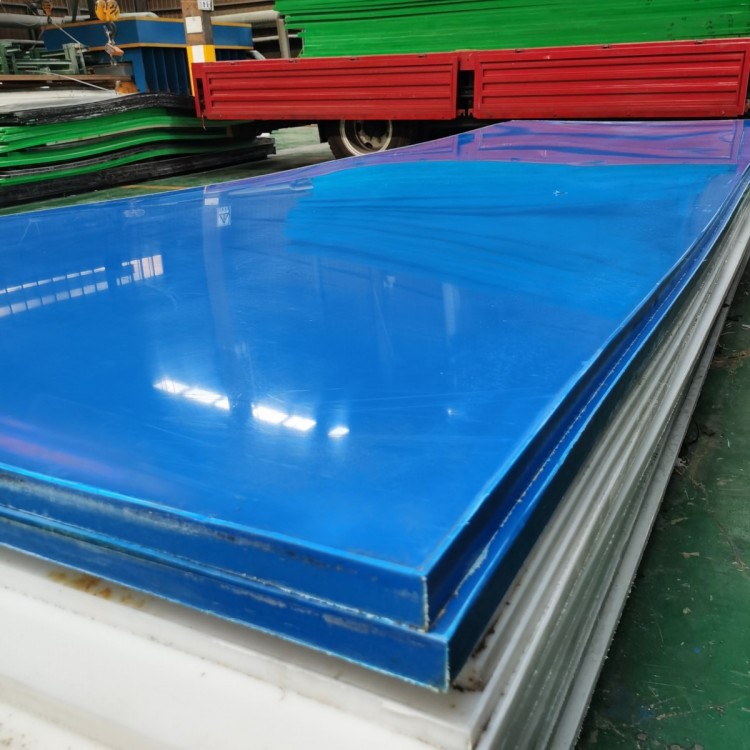
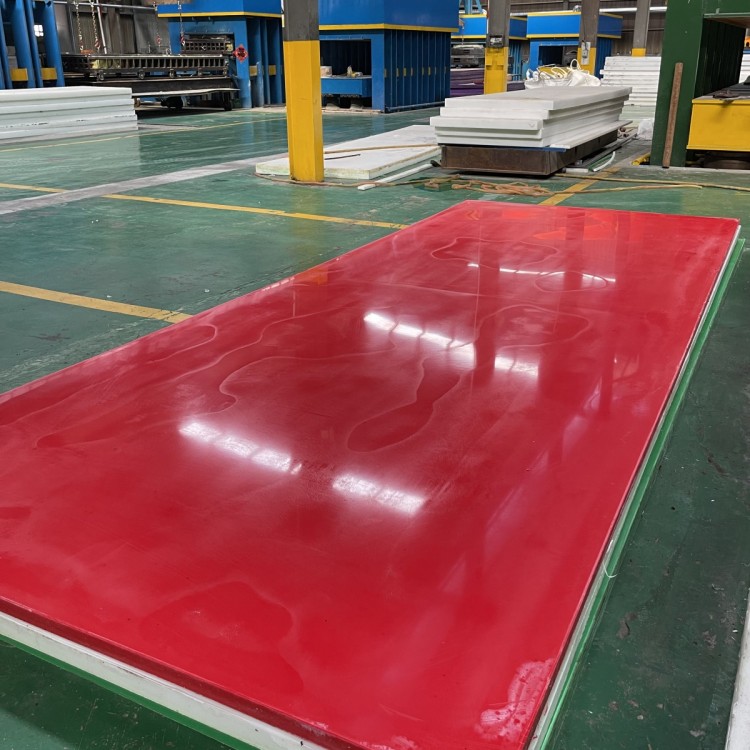





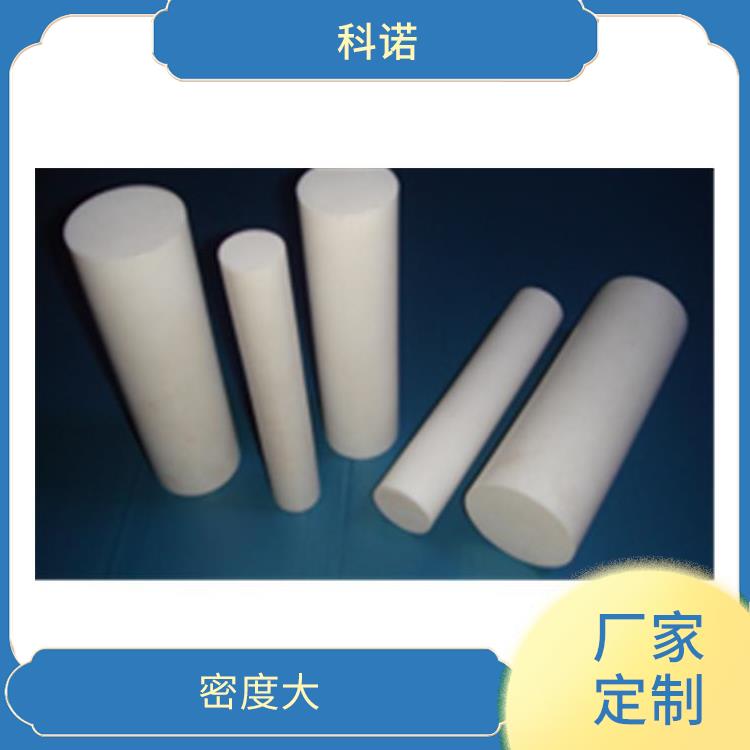
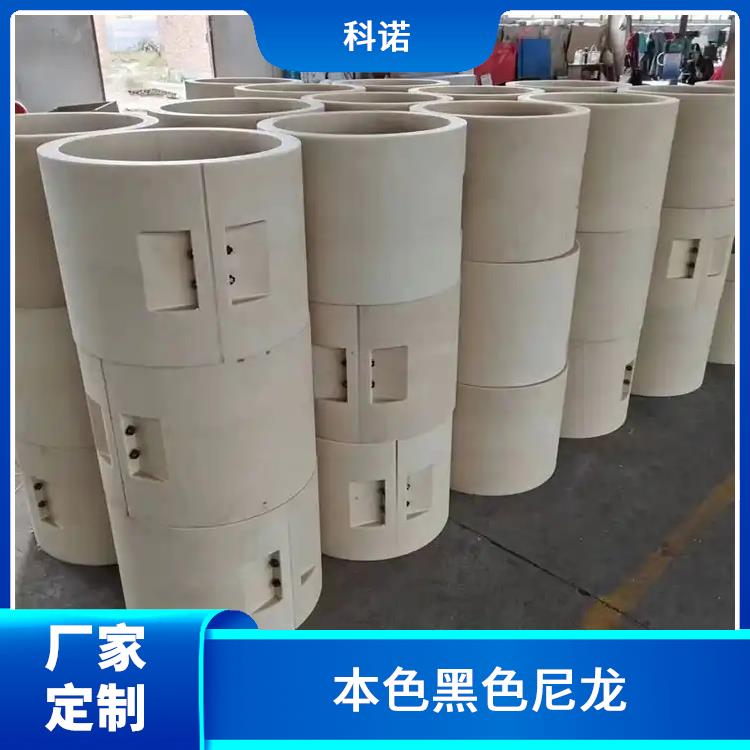
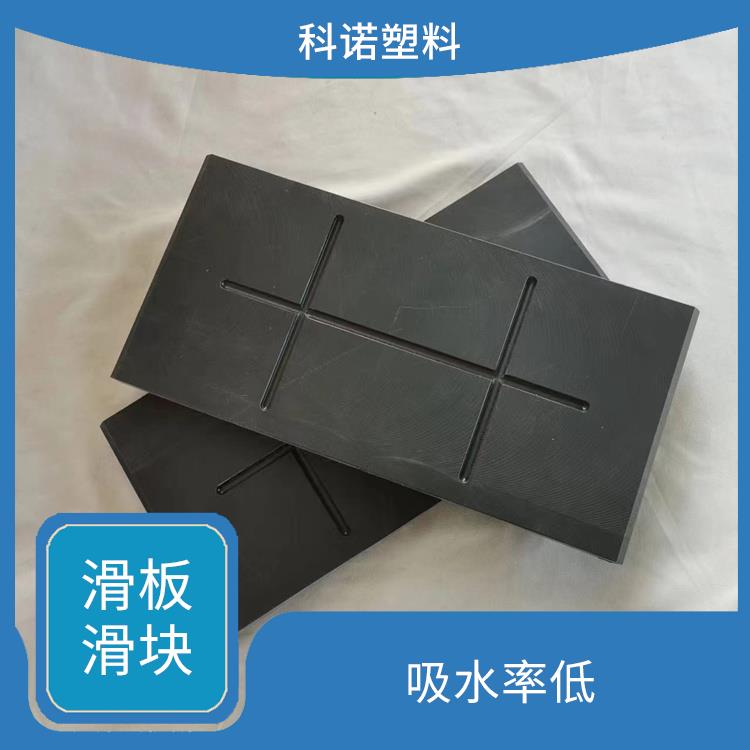
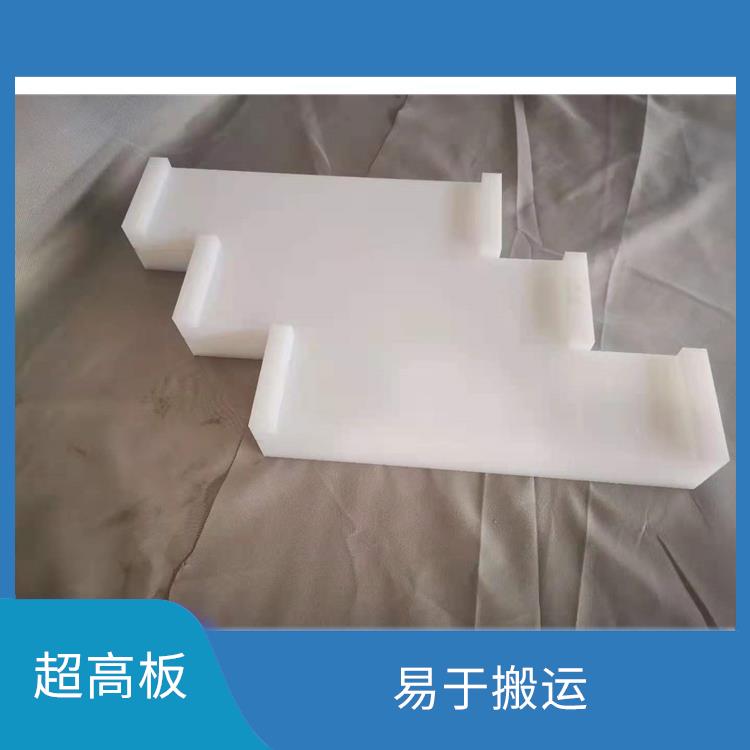
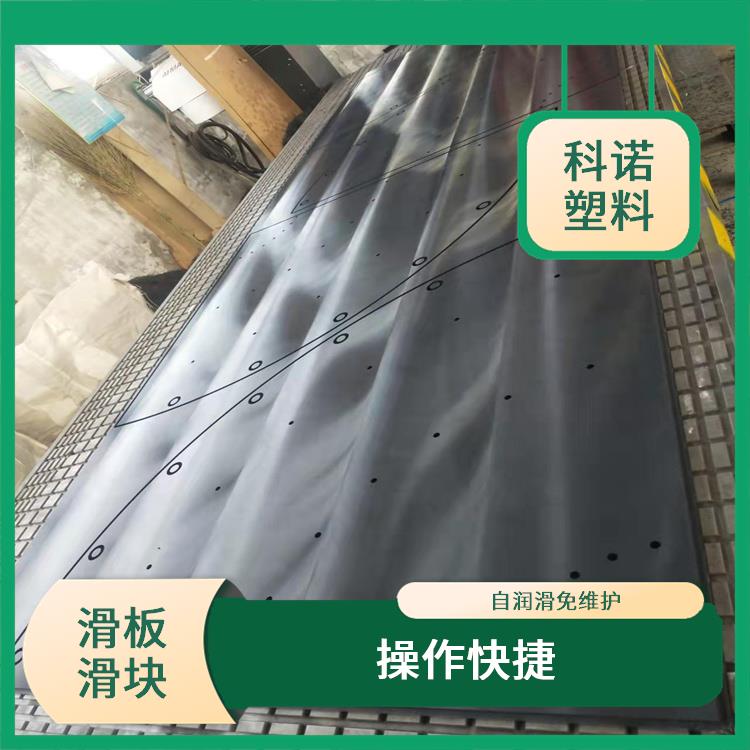

Zhangjiakou Keno Engineering produces high-density patterned board recycled material, PE old material board. We can customize templates according to your needs. High-density patterned boards are now widely used in desert areas, mainly to address technical challenges such as inaccessible deserts and difficulties in deploying personnel for construction. The production technology for high-density patterned boards is believed to bring you something different.
High-density PE boards have a melting point of approximately 130°C and a relative density of 0.941~0.960. They offer excellent heat and cold resistance, good chemical stability, high rigidity, and toughness, along with good mechanical strength. Their dielectric properties and resistance to environmental stress cracking are also commendable. The melting temperature ranges from 220 to 260°C. For materials with larger molecules, it is recommended to use a melting temperature between 200 and 250°C. They are widely used in gas transmission, water supply, sewage discharge, agricultural irrigation, fine particle solid conveyance in mines, and in oil fields, chemical industries, and postal and telecommunications sectors, with extensive application in gas transmission.

High-Density Polyethylene (HDPE) patterned boards are widely used due to their non-stick, high-impact properties, and ease of use with machinery and by various manufacturers. However, in deserts, where there are numerous obstacles, machinery movement is hindered, thus preventing effective operation. To address this, high-density polyethylene boards (HDPE boards) are laid on the ground to enhance maneuverability. Here's a brief overview of some specific properties of HDPE patterned boards:
A. High strength: Due to its unique molecular structure, the strength of the metal-plastic product is generally 6.6 times that of carbon steel, 5.5 times that of stainless steel, 27.3 times that of brass, 6 times that of nylon, and 5 times that of polytetrafluoroethylene.
B、Non-stickiness: High surface tension and low friction coefficient, inert, hence not compatible with common substances, making it less likely to stick and scale.
C. Low friction coefficient: Contains wax-like substances, offering excellent self-lubrication, low flow resistance, and energy savings.
D、Excellent chemical resistance: Resistant to almost all acids, alkalis, and salts except for strong oxidizing agents like chlorine.
E、Excellent shock resistance: Even at low temperatures, withstands severe fractures.
F. Electrical Insulation: Excellent electrical insulation with high insulation resistance.
G. Other Performance: Good flexibility, no leakage, operating temperature -70℃ to 90℃.