








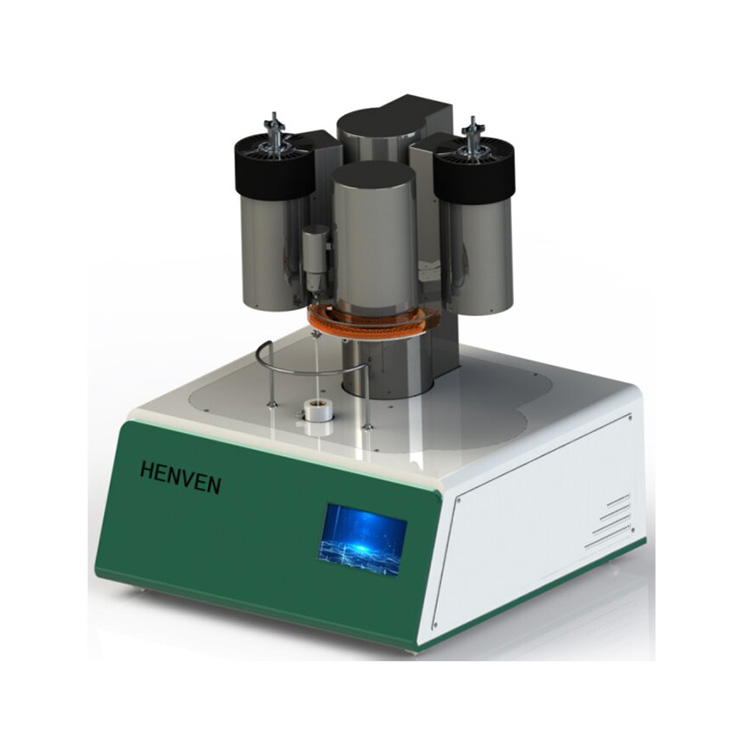
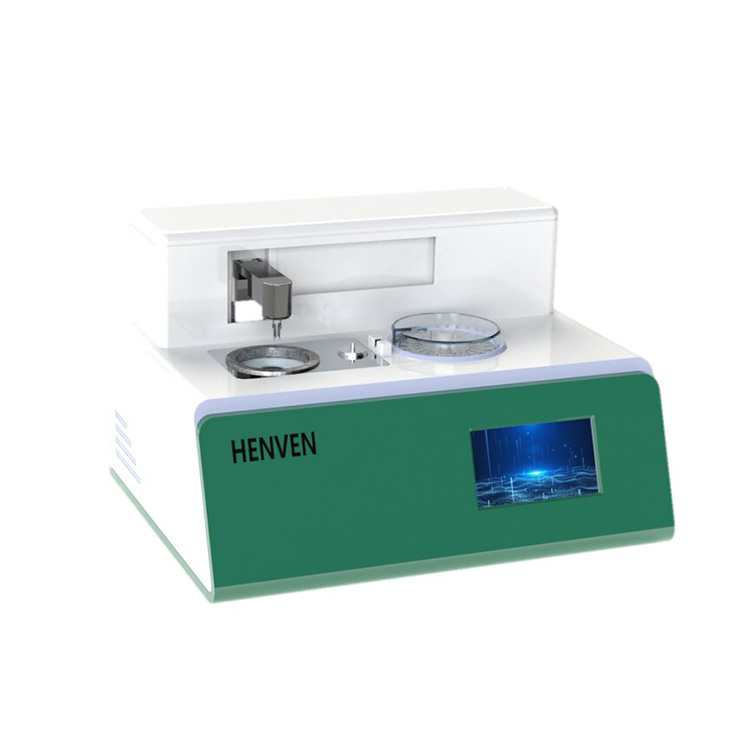
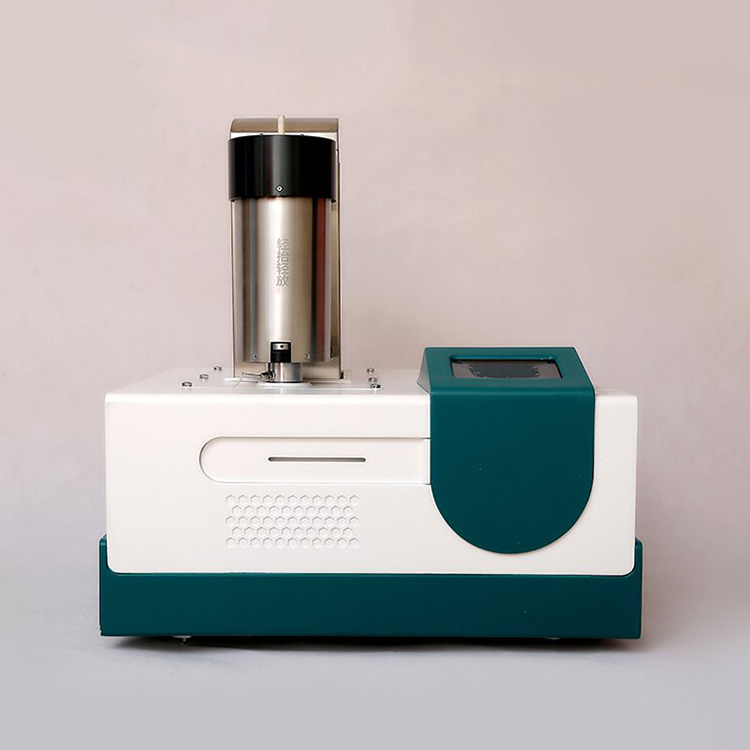

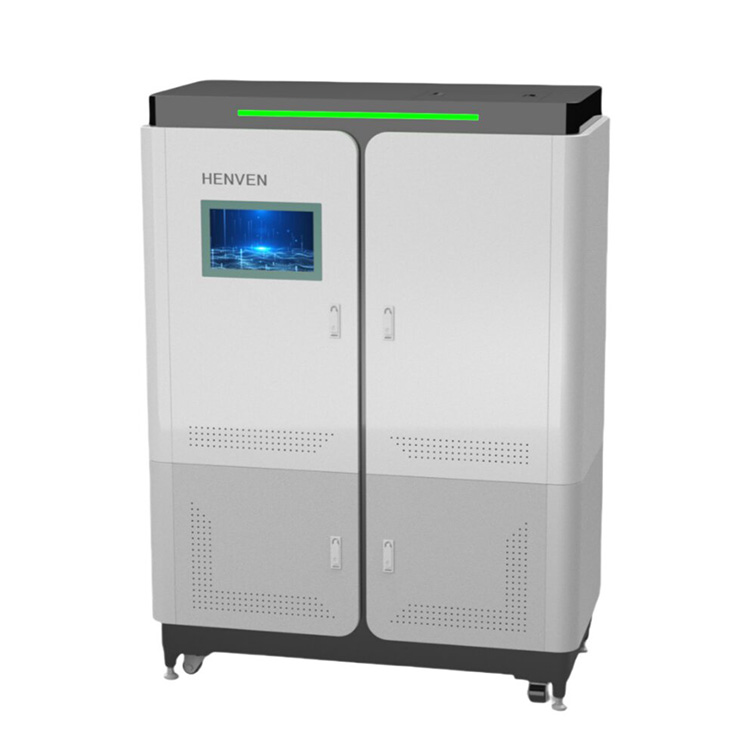
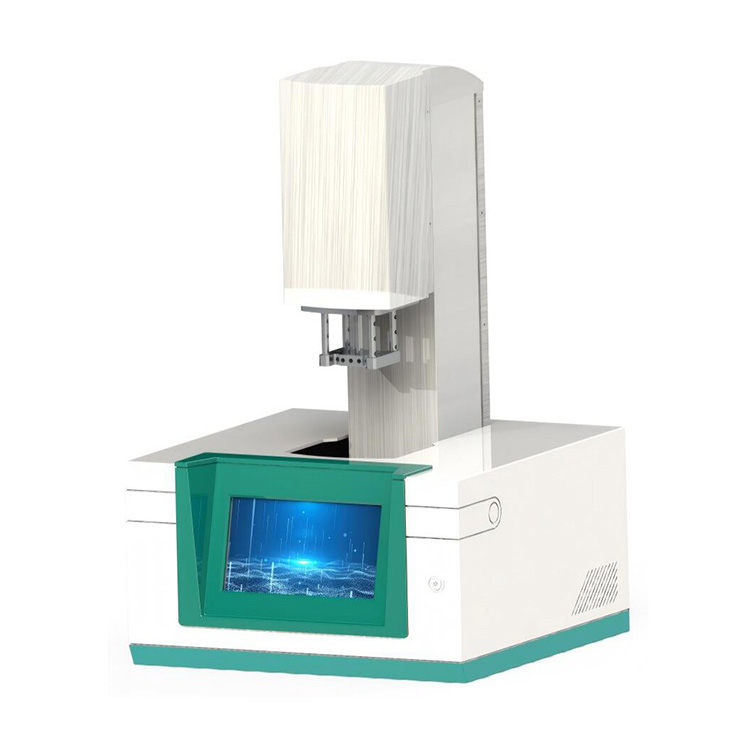
Instrument Introduction
Oxidation Induction Time (OIT) is the time at which a sample starts to undergo automatic catalytic oxidation under high-temperature (200 degrees Celsius or other temperatures) oxygen conditions. It serves as an indicator of a material's resistance to thermal degradation during molding, storage, welding, and use.
Oxidation Induction Time (OIT) is a method that employs Differential Thermal Analysis (DTA) to measure the extent of accelerated aging of plastics in high-temperature oxygen, based on the exothermic reaction at the time of molecular chain breakage.
Instrument Application
The Oxidation Induction Time (OIT) thermal stability test is applicable to a differential thermal analyzer (DTA) that can continuously record sample temperature according to GB/T17391-1998, a differential scanning calorimeter (DSC), or other similar thermal analysis instruments with a temperature control accuracy of 0.1°C.
Test Method
Retrieve a small sample, place it in the instrument's sample holder, and connect oxygen and nitrogen; then, in nitrogen atmosphere, heat from room temperature to 200℃±0.1℃ at a rate of 20℃/min and maintain the constant temperature for 7 minutes.
After 7 minutes of maintaining a constant temperature at 200°C, quickly switch to oxygen and record the time at which a significant curve change occurs, which is the oxidation induction time.
Instrument Features
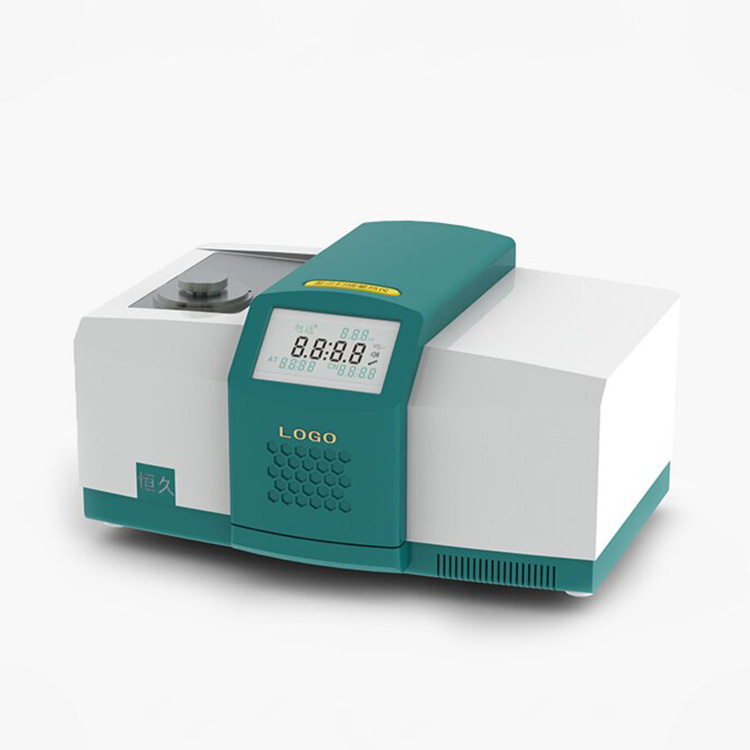
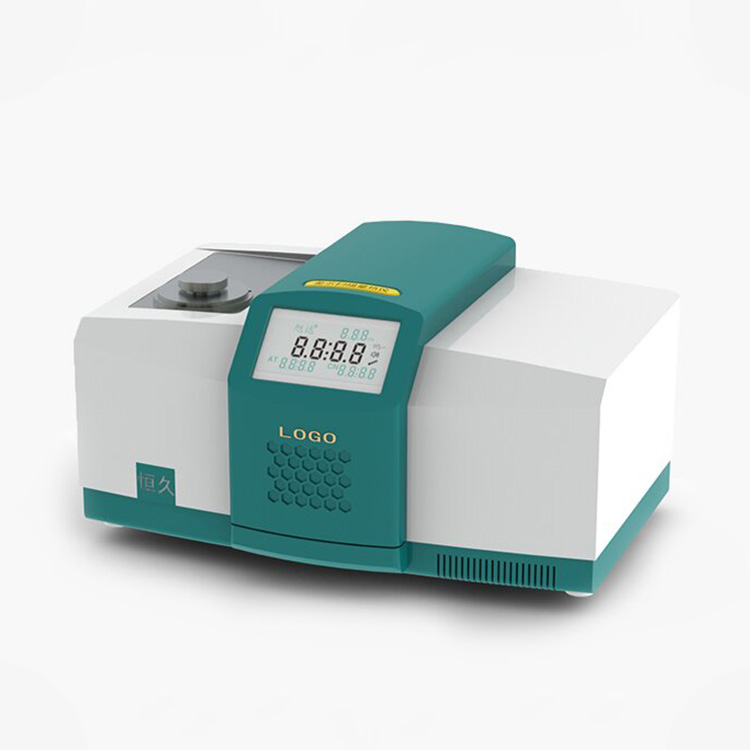
Engineered specifically for measuring the oxidation induction time in the plastic and rubber industries, the entire machine is integrated, combining temperature control and furnace assembly to minimize signal loss and interference.
Enhanced dual-temperature control system with a mass flow controller; during the measurement process, nitrogen and oxygen are automatically switched.
The instrument is equipped with standard substances, allowing users to self-correct across various temperature ranges, thereby reducing the instrument's error.
Intelligent software design, full-process automatic instrument drawing, with capabilities for various data processing (such as DTA peak area and enthalpy calculation, glass transition temperature, oxidation induction time, melting points of substances, etc.).
Automatically determine tangent lines, calculate the intersection points, and directly obtain the actual duration from the intersection point to the nitrogen-oxygen switch.
The instrument can automatically generate oxidation induction period test reports.
Large-screen LCD display, real-time showing the status and data of the instrument, two sets of thermocouples— one set displays the sample temperature during operation, the other set shows the furnace temperature in real-time regardless of whether the heating furnace is in operation.
The instrument features remote operation and maintenance, as well as calibration capabilities (the instrument can be remotely operated via the internet).
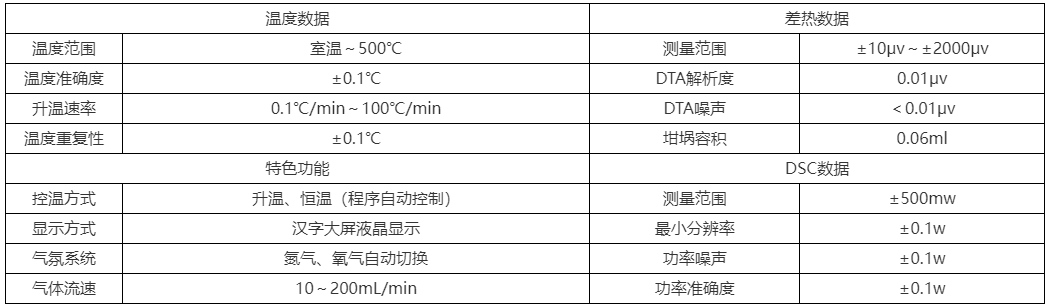
Instrument specifications