








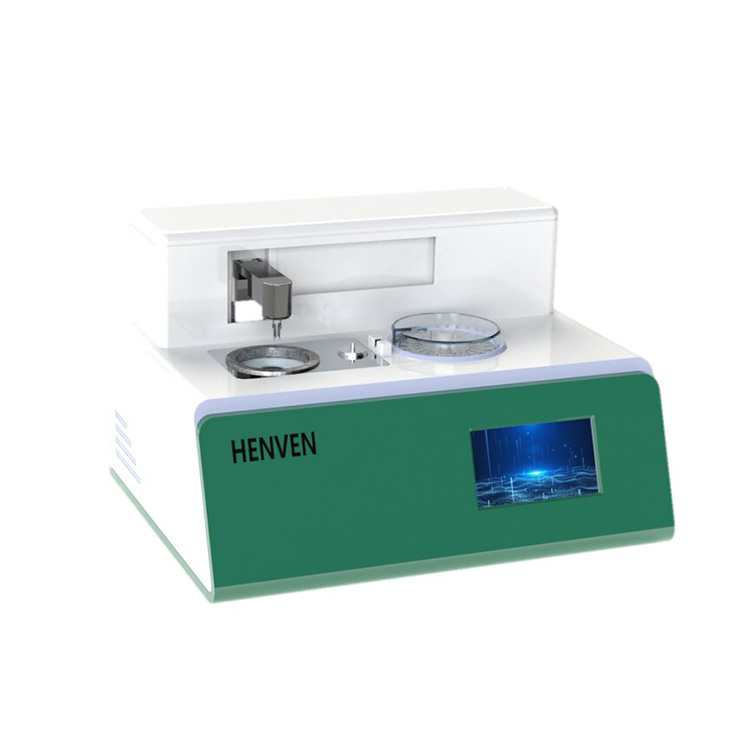
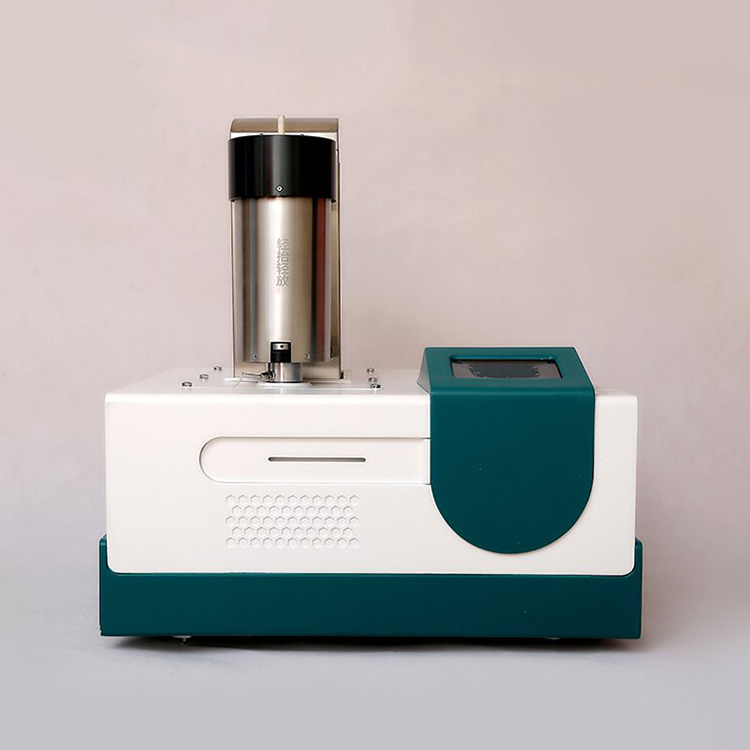

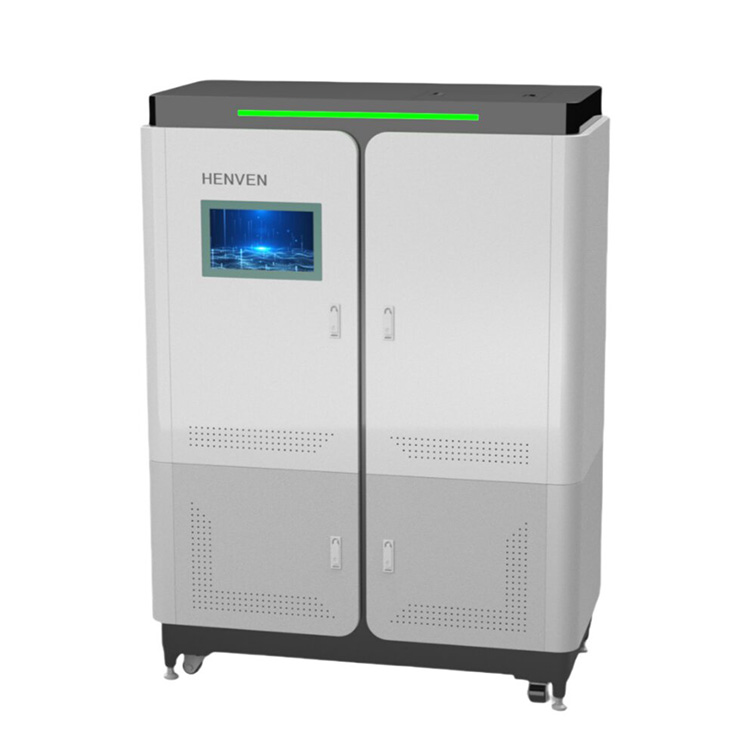
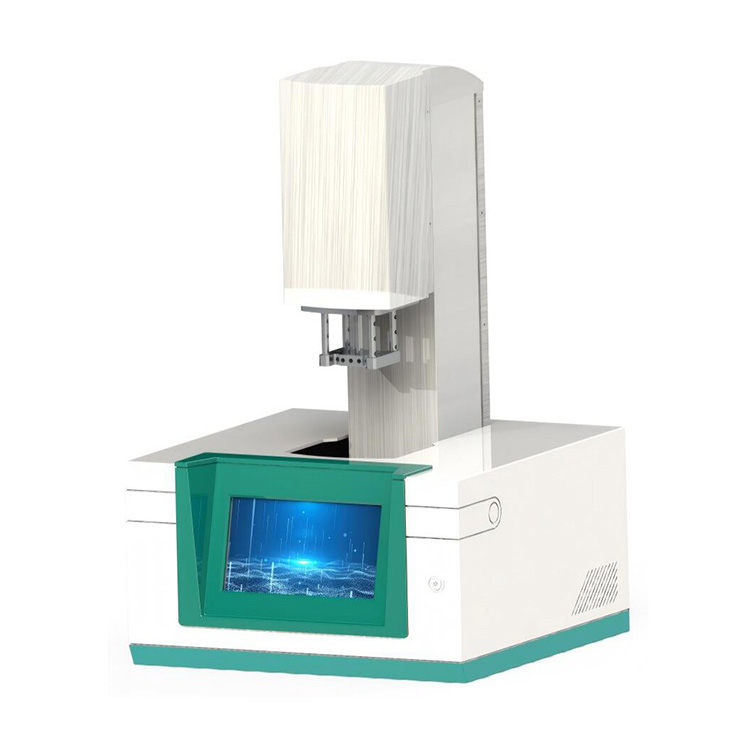
Instrument Introduction
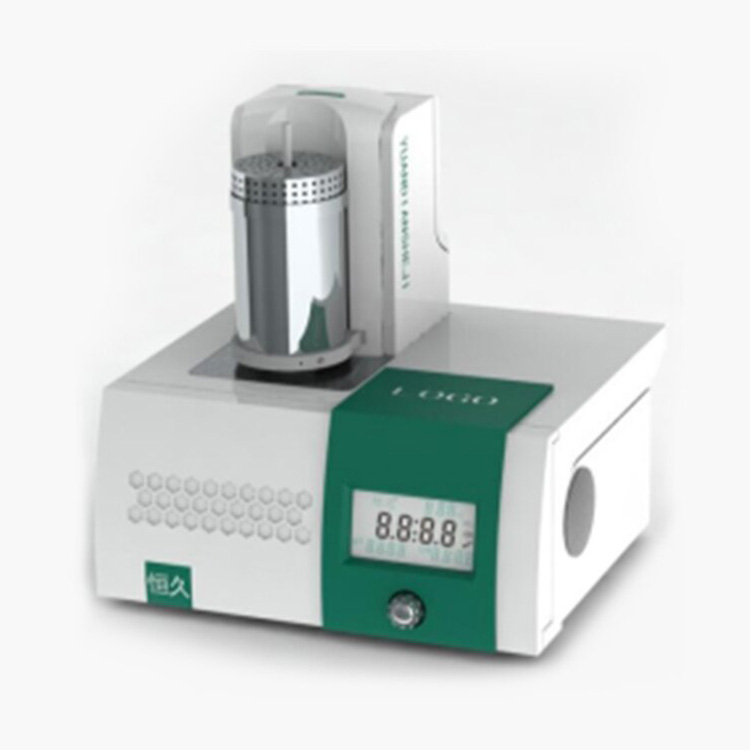
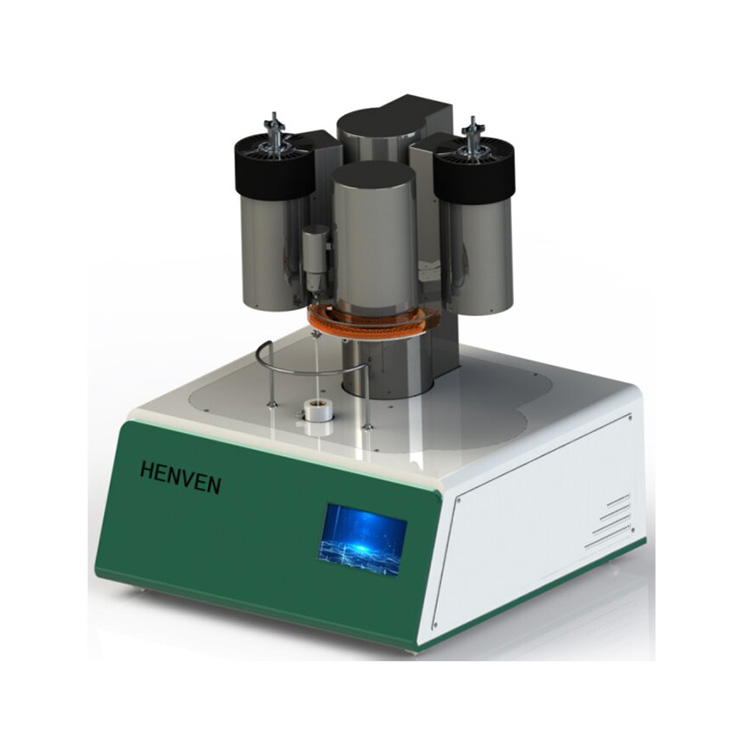
Instrument for measuring the temperature difference between a substance and a reference material, as a function of temperature, under programmed temperature control.
Instrument Application
Primarily measures physical and chemical changes related to heat, such as the melting point, heat of fusion, crystallization and heat of crystallization, phase transition reaction heat, thermal stability (oxidation induction time), and glass transition temperature, etc.
Instrument Features
The furnace body features automatic lifting and lowering with precise positioning, enhancing the repeatability of measurements.
The LCD screen displays the furnace temperature and sample temperature, as well as the gas circuit status in real-time.
Software for oxidation induction period testing analysis.
At any temperature point within the heating range, it can maintain a constant temperature for 72 hours.
Features crystallization kinetics calculation and stepwise cooling curve plotting functions.
An integrated instrument that combines container machinery and atmosphere control, reducing signal loss and interference.
The atmosphere control system utilizes a mass flow controller, featuring two pressure and flow-regulated gas lines that can automatically switch during experiments. It boasts high precision, good repeatability, and rapid response time (customizable atmosphere control systems resistant to various corrosive gases available).
The entire measurement process is fully automated and automatically generates drawings. The software features enable routine DTA data processing; special data processing includes DTA peak area calculation, enthalpy calculation, kinetic parameter calculation, data comparison, and various algorithm-based calculations for activation energy, glass transition temperature, and comparative measurement of specific heat, etc.
During the system's sample collection process, screenshots can be taken at any time, and the range will automatically adjust based on the output signal size.
Users can calibrate the instrument's temperature and energy accuracy using standard samples of indium, tin, and lead.
Large-screen LCD display, real-time showing the instrument's status and data, two sets of thermocouples, one set for real-time display of furnace temperature (regardless of whether the heating furnace is in operation), and the other set for the temperature of the sample during operation.
Customers provide the calculation formula or method, and our company can promptly provide the corresponding software development product.
Self-developed thermostatic controller, thermostatic gas chromatography-mass spectrometry interface, thermostatic belts, ensuring comprehensive secondary detection of tar and various reaction gases.
Instrument specifications
DSC Measurement Range: ±1mW to ±500mW; DSC Accuracy: ±0.1μW.
Temperature Range: HQC-1: Room temperature to 1150℃; HQC-2: Room temperature to 1250℃; HQC-3: Room temperature to 1450℃; HQC-4: Room temperature to 1550℃.
Temperature accuracy: ±0.1℃; heating rate: 0.1℃/min to 100℃/min ( customizable).
Vacuum Level (optional vacuum unit installed): 2.5×10^-2 Pa.
Atmosphere System: Equipped with a quality flow controller (customizable for atmosphere systems resistant to various corrosive gases).
Thermostat Controller; Gas Chromatography-Mass Spectrometry Connectors; Temperature-Controlled Belt (optional): Temperature Range: Room Temperature ~ 200°C.
Measurement Range: ±10μV to ±2000μV (no range control); DTA Resolution: 0.01μV; DTA Noise: <0.01μV.
Standard Crucible Configuration: Ceramic crucible 0.06ml or 0.12ml; Optional Crucible Selection: Aluminum crucible, Graphite crucible, Quartz crucible, Platinum crucible.