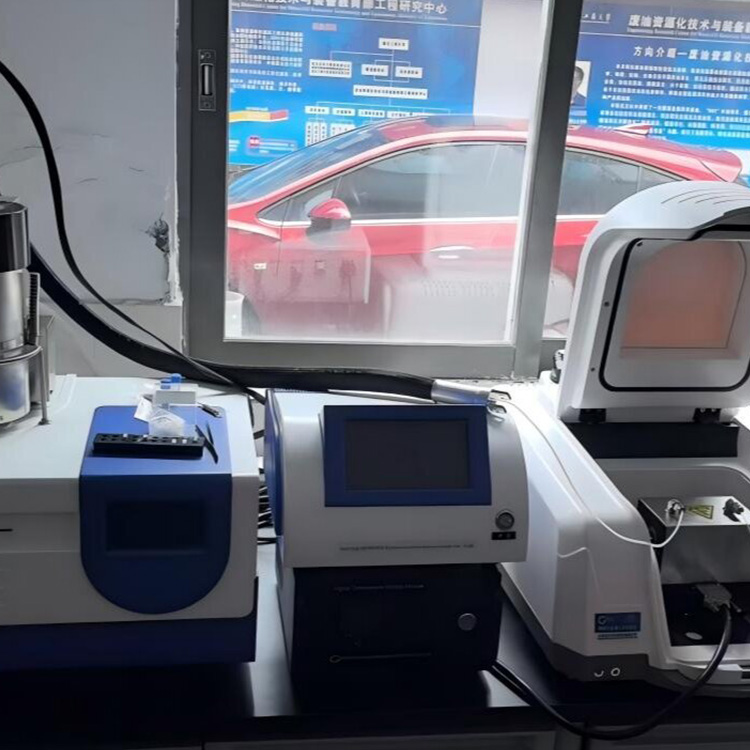

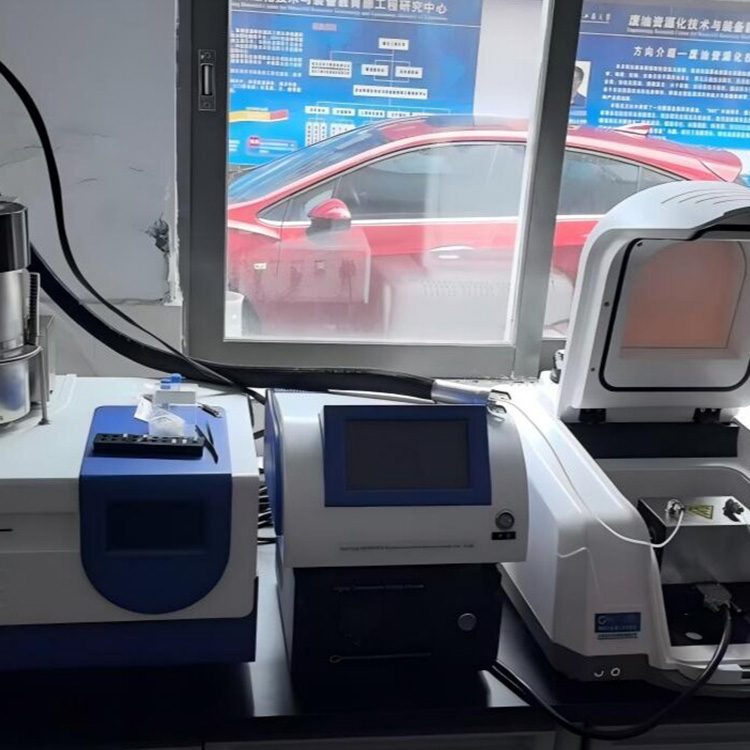

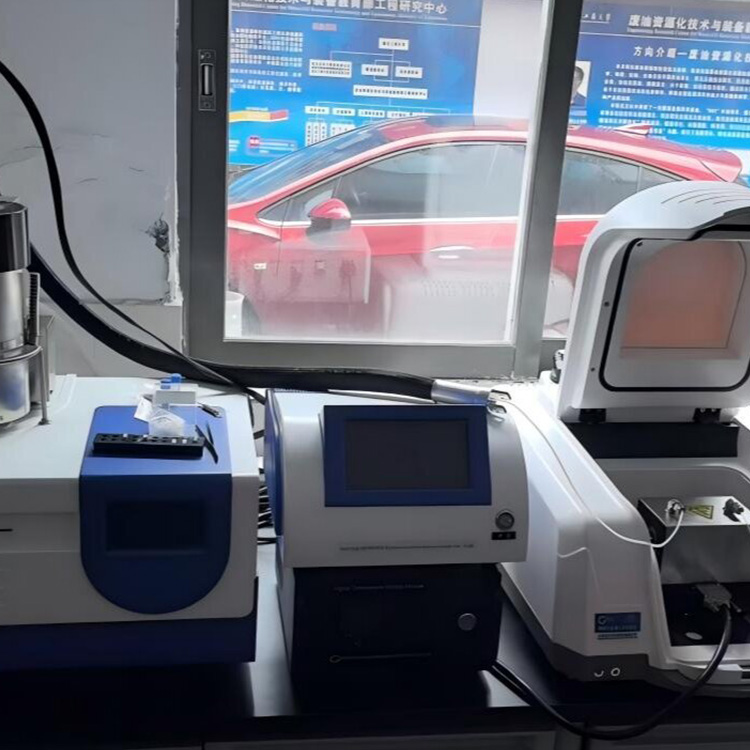







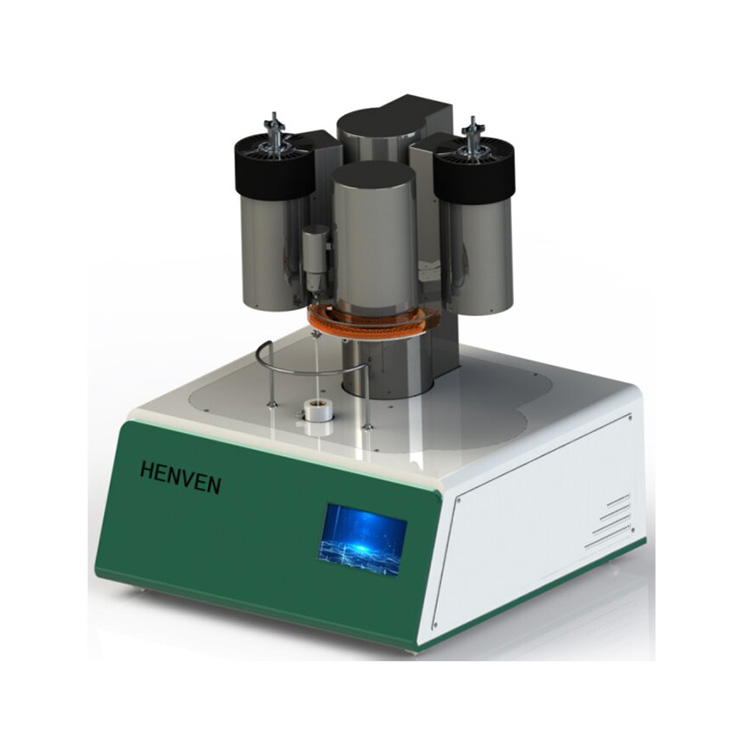
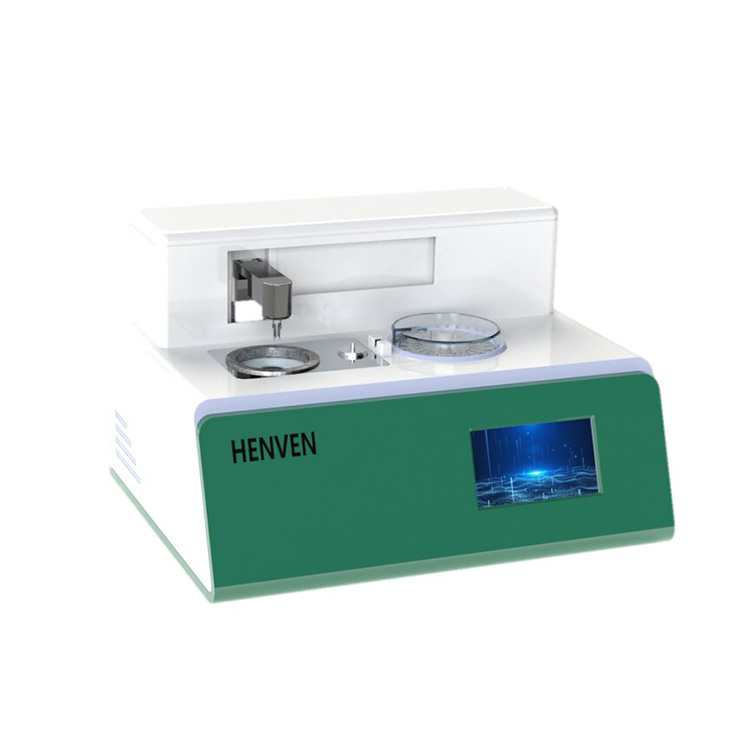
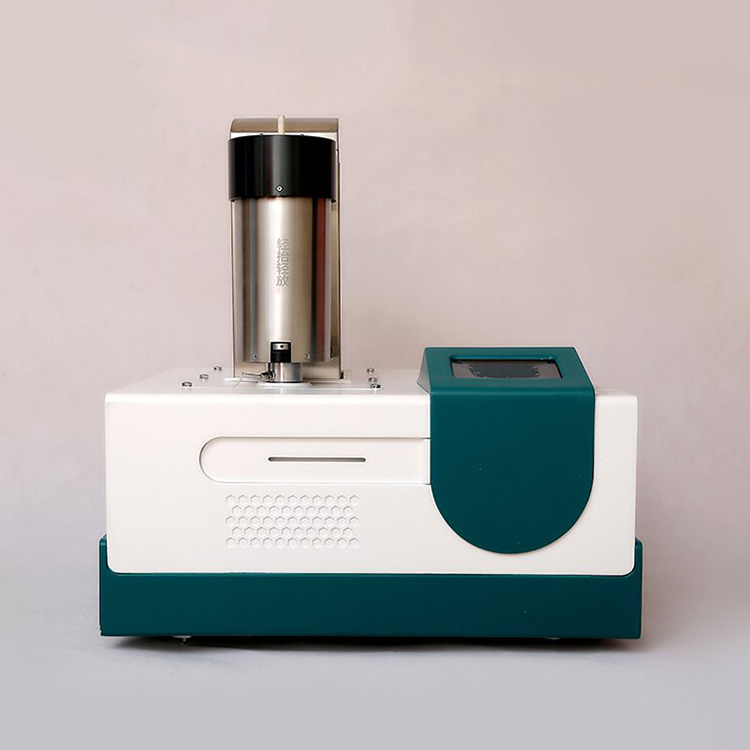

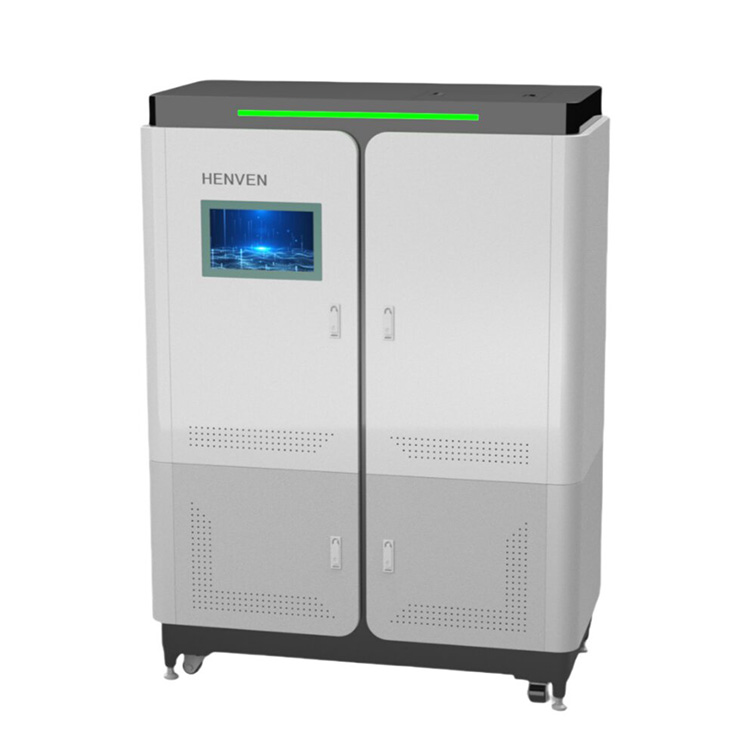
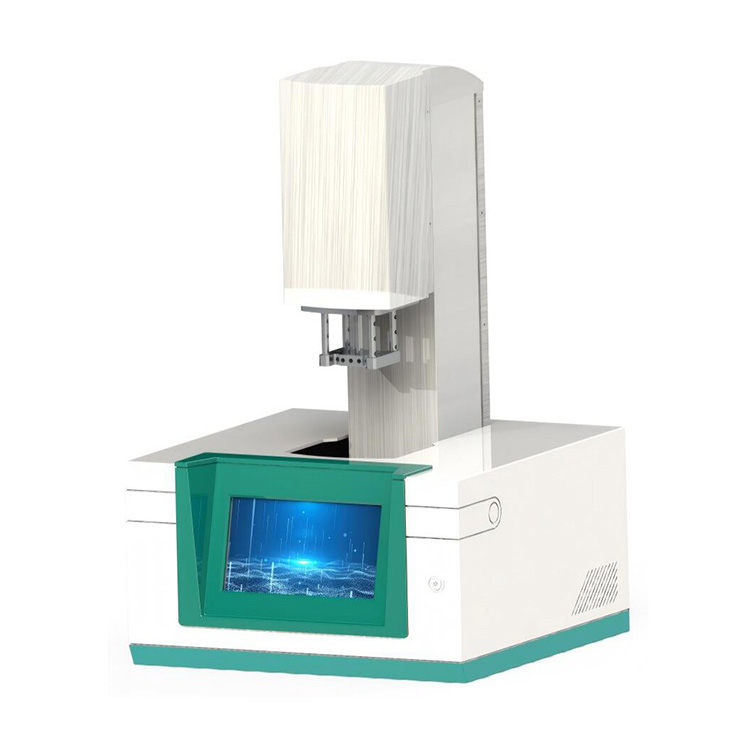
Fourier Transform Infrared Spectrometer
Model:HIR-1
Instrument Application
TGAInfrared Coupling Technology (TGA-FTIR) was first proposed at the end of the 1960s and developed by the end of the 1980s. This technology, which fills the gap left by thermal gravimetric analysis (TGA) that can only provide thermal decomposition temperatures and percentages of weight loss, but not the qualitative composition of volatile gases, has been widely applied in the study of thermal stability and decomposition mechanisms of various organic and inorganic materials.
Basic Principle
Utilize purge gas (usually nitrogen) to remove volatile components or decomposition products generated during the thermal gravimetric process, by maintaining a constant temperature at high heat (usually).Metal pipes or glass gas cells at temperatures ranging from 200-250°C are introduced into the optical path of an infrared spectrometer, where the escaping gas composition structure is analyzed and judged through infrared detection.
Instrument Features
HIR-1 is a high-end research-grade Fourier Transform Infrared Spectrometer featuring high resolution, excellent expandability, stable performance, easy operation, long service life, and low maintenance costs. Its product performance and main technical specifications have reached the advanced international level of similar products. Widely used in pharmaceuticals, chemicals, petrochemicals, environmental protection, food, materials, public security, and national defense industries..In the fields of defense, semiconductors, and optics, analysis and testing tools are indispensable for both laboratory research and corporate production.
Instrument specifications
Spectral Range: 7800 to 350 cm-1
Resolution: 0.5 cm^-1
Detector: High-sensitivity DLATGS detector
Ø Beam Splitter: Germanium Vapor Deposition Potassium Bromide
High stability: Utilizes dynamic mirror dynamic collimation technology, with up to 130,000 real-time dynamic adjustments per second, ensuring superior repeatability, long-term stability, and spectral peak shape of the sample detection. Requires the use of flat mirrors (not prisms to avoid spectral distortion and other phenomena), excellent vibration resistance, maintenance-free, and no need for post-adjustment.
Peak-to-peak noise value: Less than 2.2×10^-5 AU (1-minute scan, 4 cm^-1 resolution)
Linearity: less than 0.1%, wave number accuracy: 0.01 cm^-1, A/D conversion: 24-bit.
Data Collection: He-Ne Laser
Scanning Speed: Microcomputer controlled with selectable scanning speeds, featuring three adjustable levels.
Light Source: Utilizes high-temperature-resistant ceramic oxide as insulation material, with a temperature resistance exceeding 1600 degrees Celsius. A diaphragm is used to form a semi-enclosed insulation chamber, ensuring a longer service life. Additionally, the filament of the light bulb quickly reaches operating temperature upon power-on, offering high efficiency and excellent insulation performance.
Ø Sealed interferometer with built-in drying equipment (extra-large capacity desiccant box) boasts excellent moisture-proof performance, 8 times better than general drying equipment, equipped with an intelligent humidity automatic reminder.
The sample warehouse must have excellent scalability: it must feature a spacious sample room, two modes of opening that are compatible, parallel light accessories, infrared microscope, mirror reflection accessories, diffused reflection accessories, ATR accessories, gas cells, and the expansion function for polarized accessories.
Support System: Windows System
Electronic System: 24-bit A/D converter, highest A/D conversion at 500kHz, with USB 2.0 communication interface.
Software Operation: Marking on spectra in Chinese, data processing functions (peak detection, peak area integration, baseline calibration, etc.), spectrum search function, automatic comparison of spectra, self-diagnosis function, spectrum matching function, spectrum entry function, standard file format, basic infrared analysis function, QC comparison function, smoothing function, y-axis normalization function, spectrum group save function.
Ø Capable of connecting to the cloud-based intelligent laboratory platform, enabling remote diagnosis of instrument operation status.
Ø Features expanded electromagnetic radiation shielding (software/hardware)
The system must have the capability and mature solutions for thermal analysis integration, and can provide constant temperature conveyors (made of PTFE, copper, etc.), a heated and temperature-controlled gas pool, and trigger devices (with automatic control).
Infrared Standard Spectra Collection: Offers over 200,000 infrared standard spectra (these spectra are in electronic format and are input into the host during installation).