











Industrial Materials
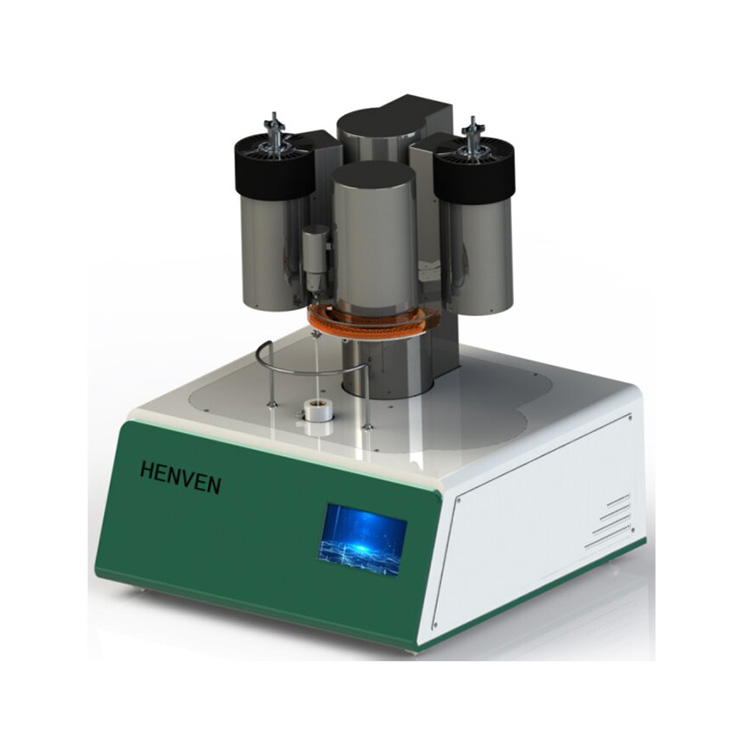
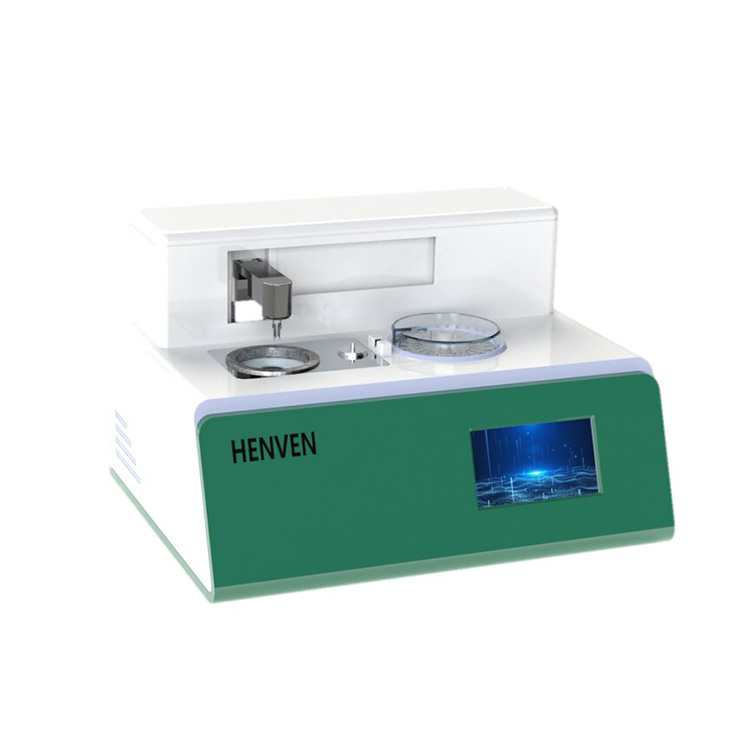
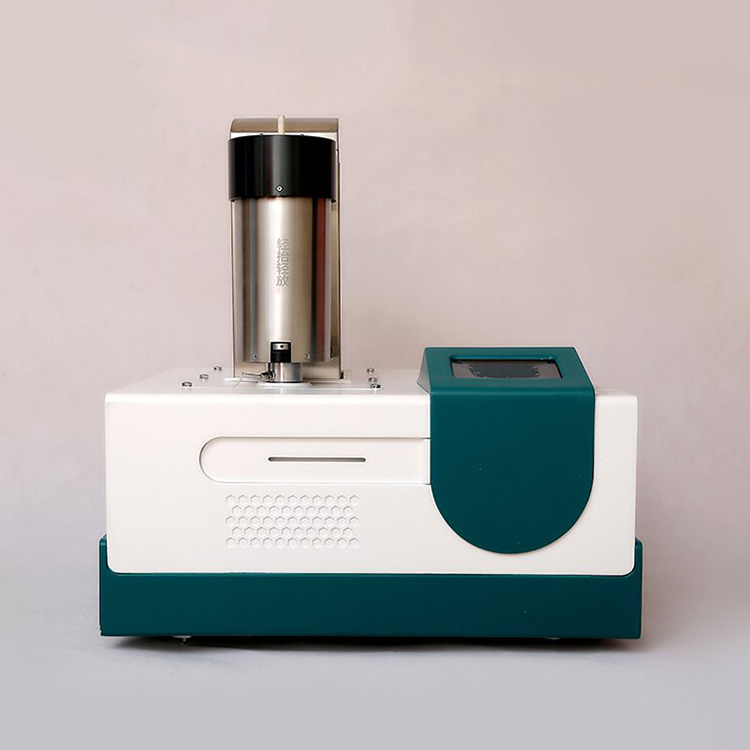
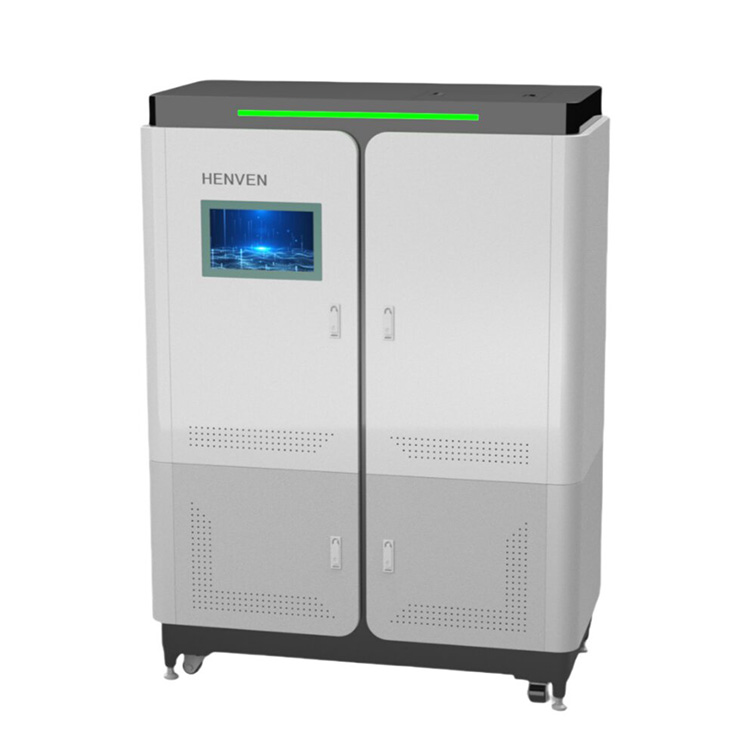
The applications of thermal analyzers in nuclear industry materials mainly include evaluating material thermal stability, component analysis, and research on reaction kinetics.
Thermal analyzers, by measuring the physical and chemical changes of materials during temperature variations, provide crucial data support for the research and development of nuclear industry materials.
Specific applications of thermal analyzers in nuclear industry materials
Evaluate material's thermal stability: A Thermogravimetric Analyzer (TGA) can assess the thermal stability of materials under high temperatures or varying temperature conditions. By heating the sample and monitoring its weight change in real-time, the temperature at which the material begins to decompose or undergoes chemical reactions can be determined. This is significant for developing high-temperature-resistant materials (such as nuclear reactor materials).
Analyze the composition of materials: TGA can analyze the composition of materials through the mass change curve. For example, in composite material research, TGA can differentiate between organic components, inorganic components, and water content within the material. This is crucial for quality control and the development of new materials._
Investigating Reaction Dynamics: Thermal analyzers can also be used to study the thermal decomposition or kinetics of chemical reactions. By analyzing the relationship between mass change and temperature or time, parameters such as activation energy and reaction order can be calculated. This is of great significance for optimizing industrial reaction conditions (such as catalytic reactions, pyrolysis reactions).
Characteristics of nuclear industry materials and the demand for thermal analyzers
Nuclear industry materials must withstand extreme high temperatures and complex atmospheres in harsh environments. Therefore, the extreme performance testing of these materials is crucial, including high-temperature thermal properties, high-temperature phase transition points, melting points, thermodynamics, oxidation resistance, and corrosion resistance. Thermal analyzers can provide accurate testing data for these properties, helping researchers develop more durable nuclear industry materials.