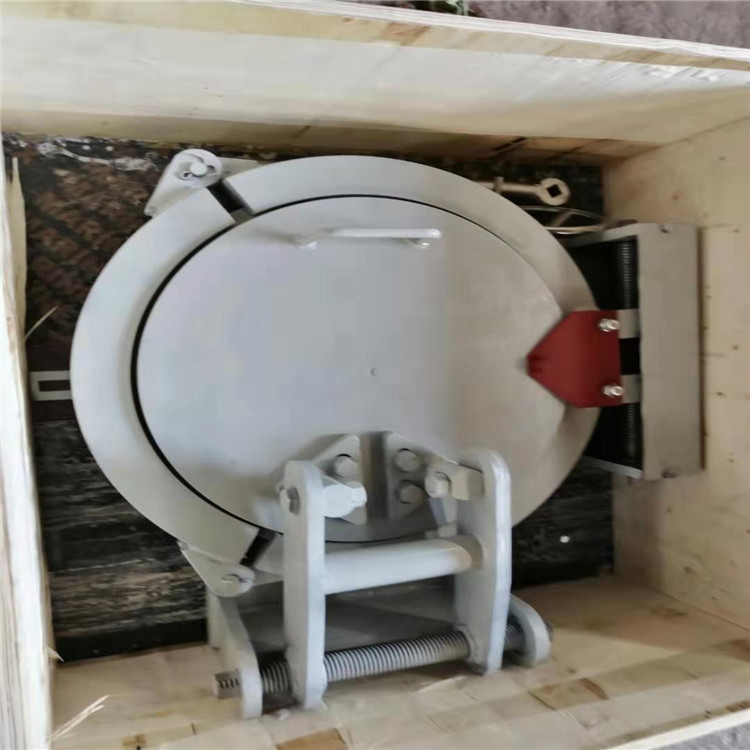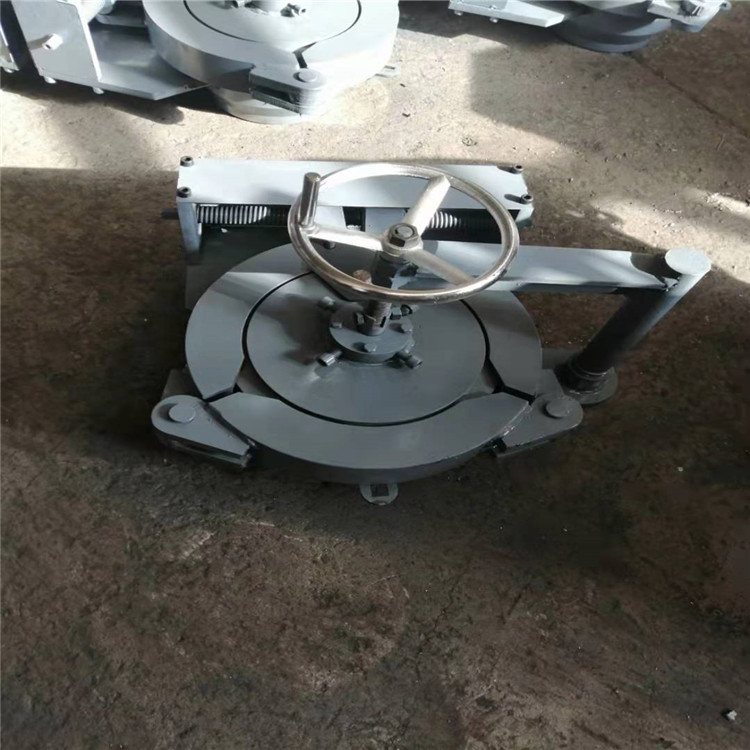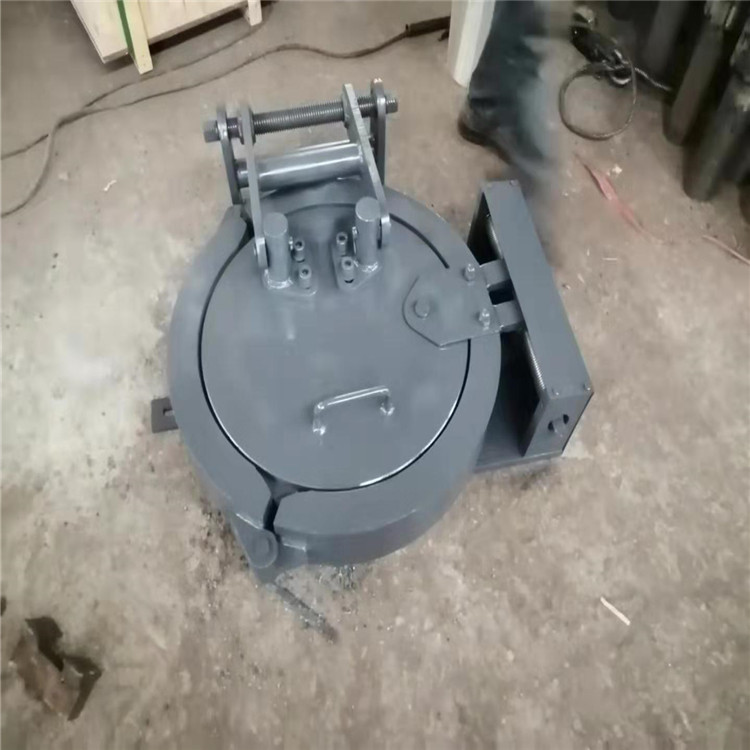
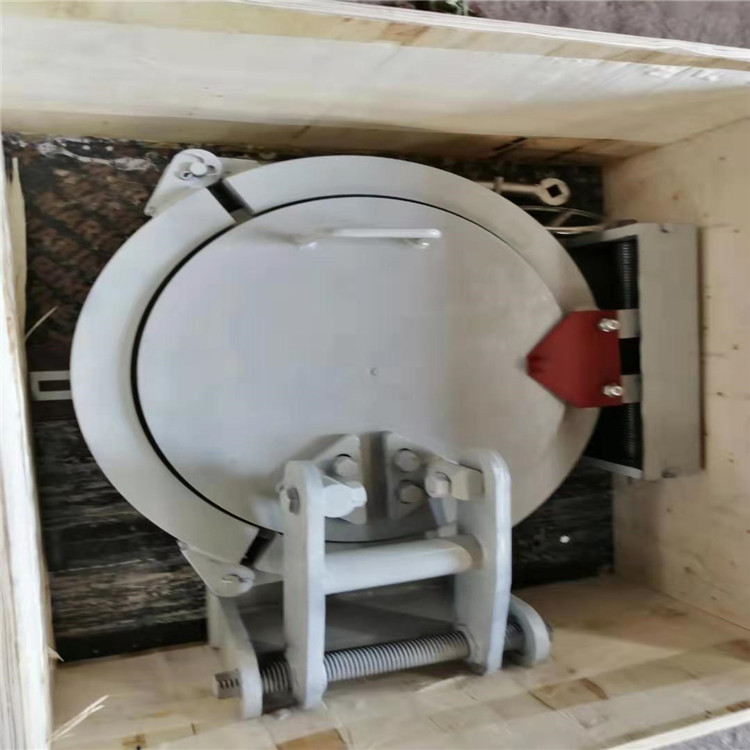


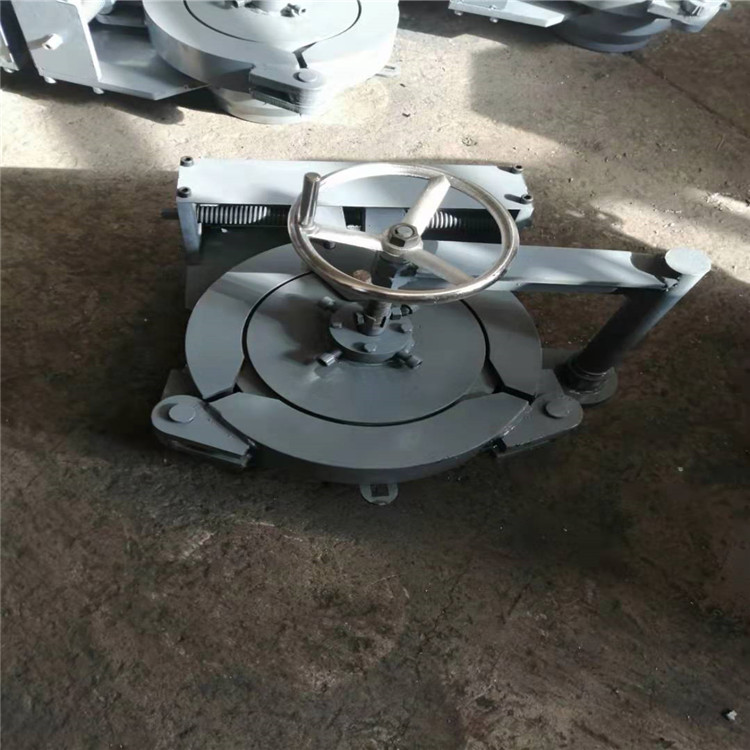


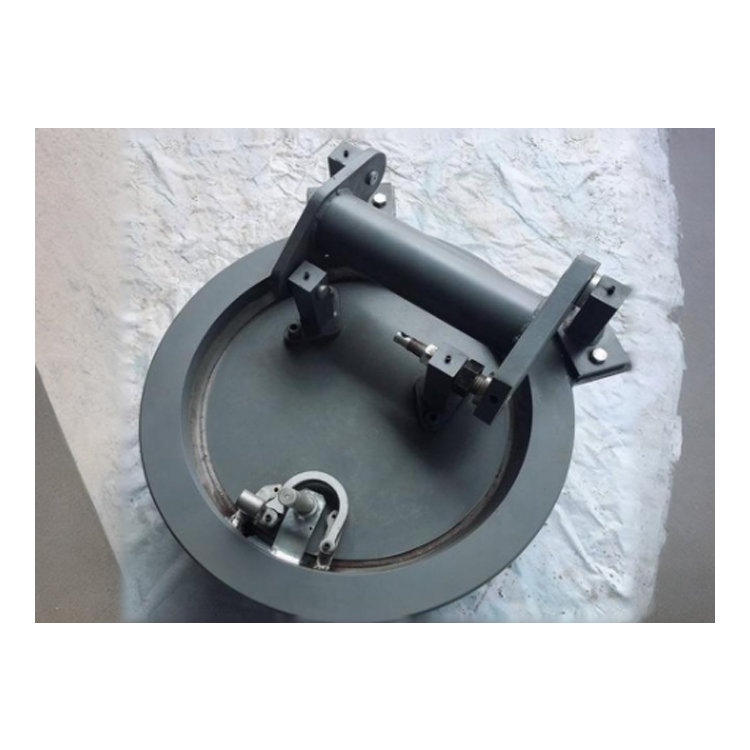
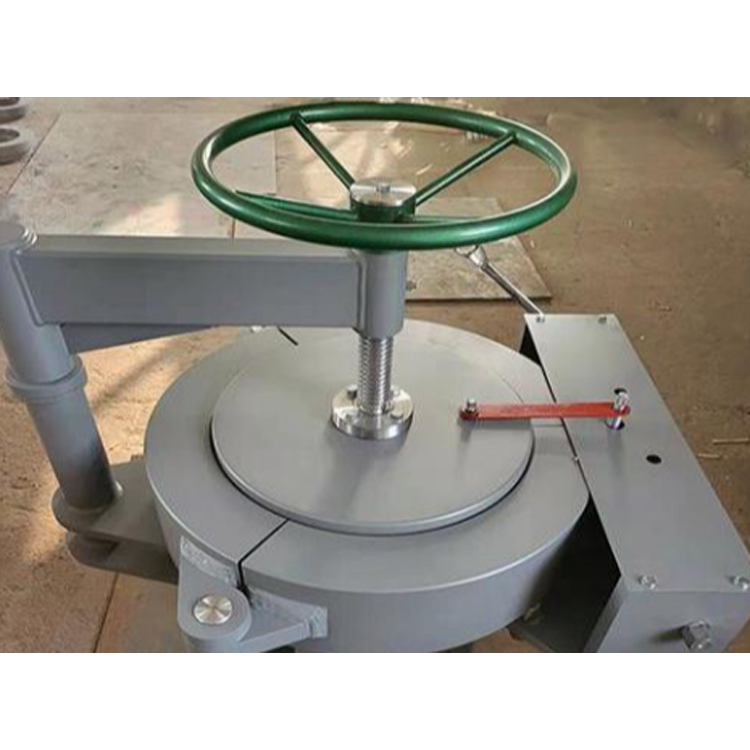
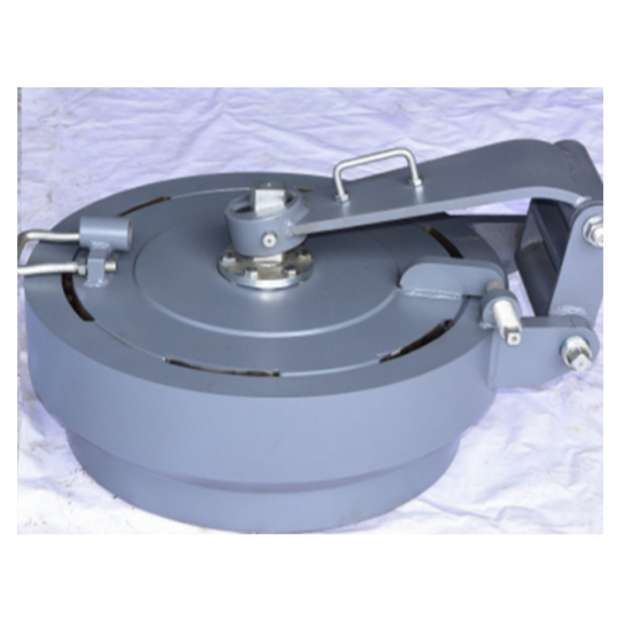
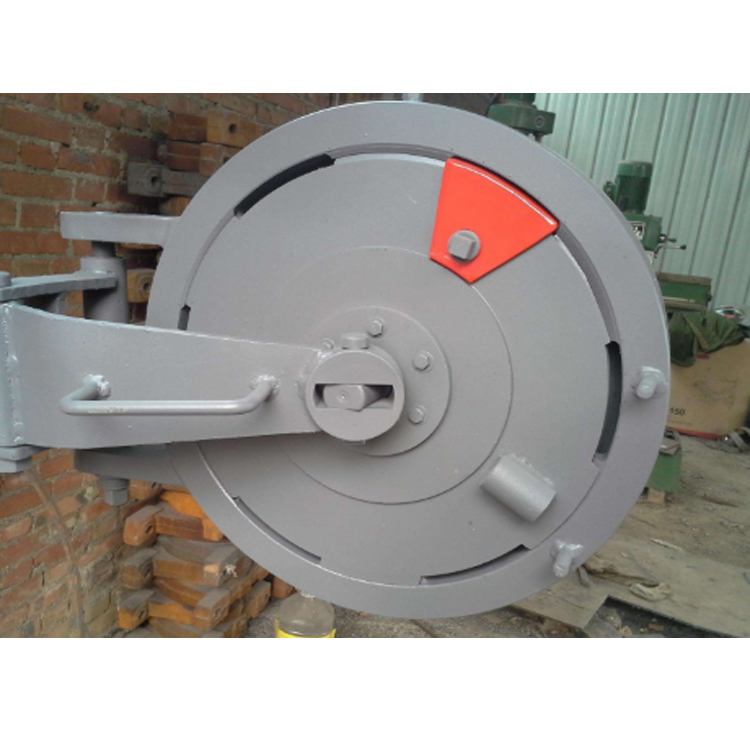






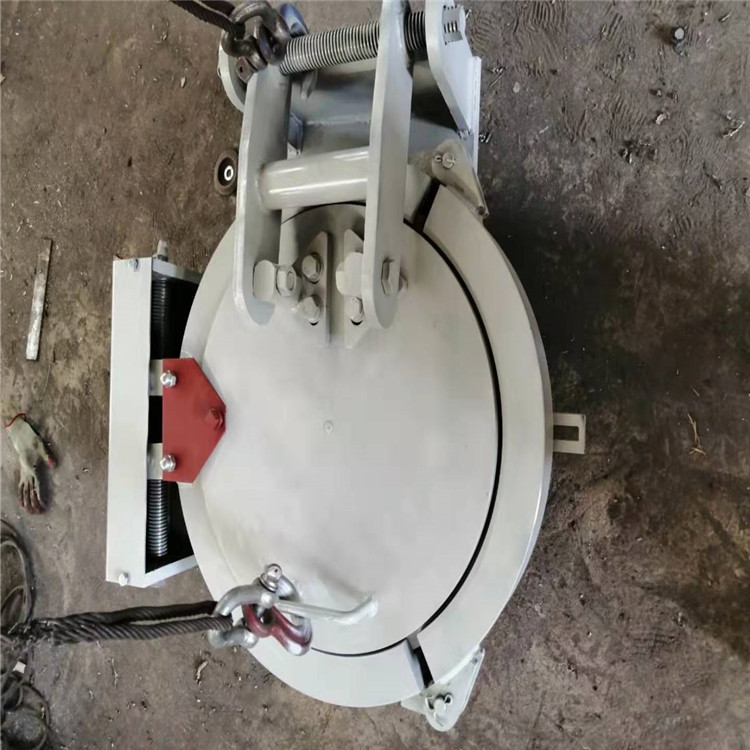
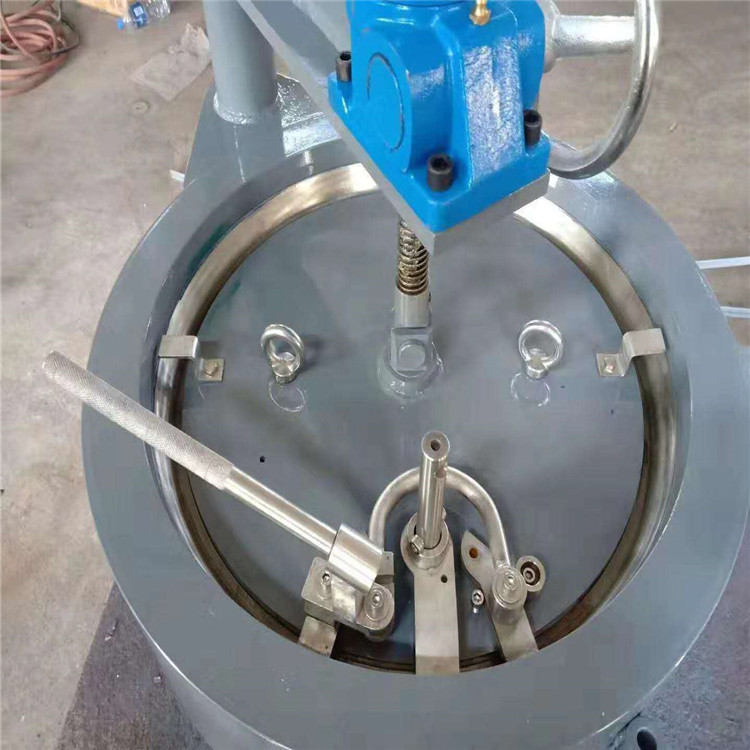
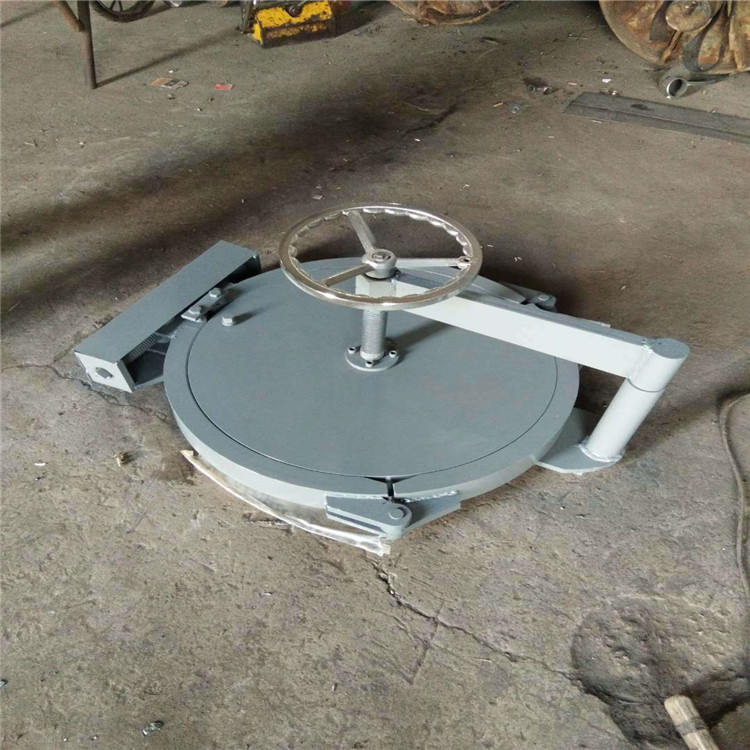
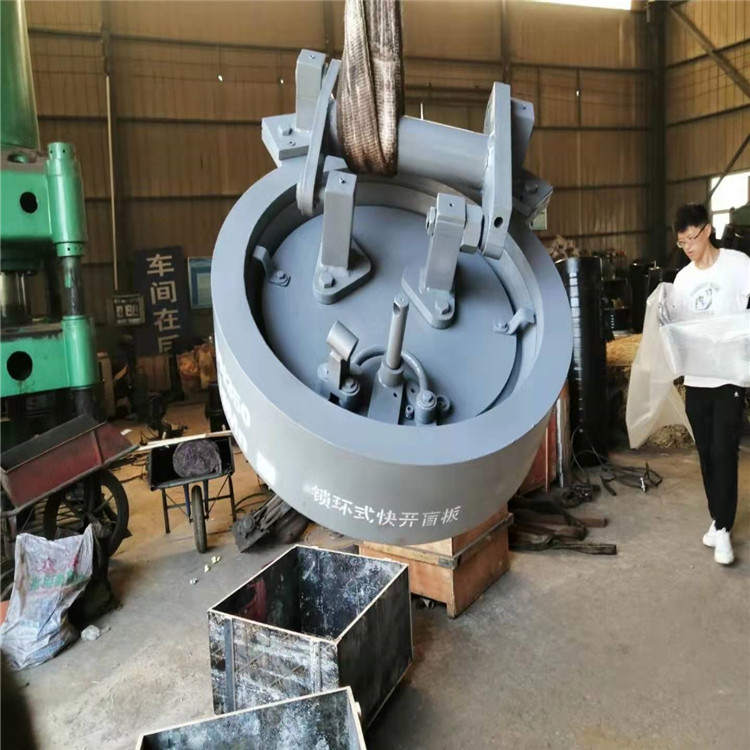
Quick-opening blank flanges are a type of quick-opening cover for pressure vessels, widely used on equipment that requires frequent opening and closing in the natural gas field. Common types include clamp-type quick-opening blank flanges, bayonet-type quick-opening blank flanges, and locking ring-type quick-opening blank flanges, primarily operated manually. The pipeline cleaning process switches through valves after the ball is received or sent, with the ball receiver and sender layout and installation requirements suitable for factory operations and safety. Safety valves should be installed on the ball receiver and sender. Quick-opening blank flanges should not be used for pipeline cleaning in areas where people are active. For larger diameter pipeline cleaners, receiving and sending devices should be set up to reduce labor intensity. The ball receiver and sender are an important part of the pipeline cleaning sweep equipment, installed at both ends of the pipeline for launching and receiving pipeline cleaners, checking for any visible scratches or wear on the locking and sealing bands. The operation steps for quick-opening blank flanges are to remove the pressure alarm valve and rotate the regulator rod 180°.
This simple operation allows the locking ring to disengage from the outer flange, enabling the door to be pulled open from the outside. The closing process is the reverse of the opening process. The key feature of the quick-opening blind plate is the pressure self-tightening seal. The seal is positioned on the inner surface of the door for protection, with a wide range of materials suitable for ultra-high pressure grades for vacuum use. Safety is crucial in today's industry, and quick-opening blind plates not only allow for rapid operation but also contribute to overall safety by preventing unsafe operations. When in the locked position, internal pressure locks the locking components between the blind plate door and the cylinder section to ensure the door cannot be opened. The application of pressure alarm valves further enhances safety.