














Filtering System
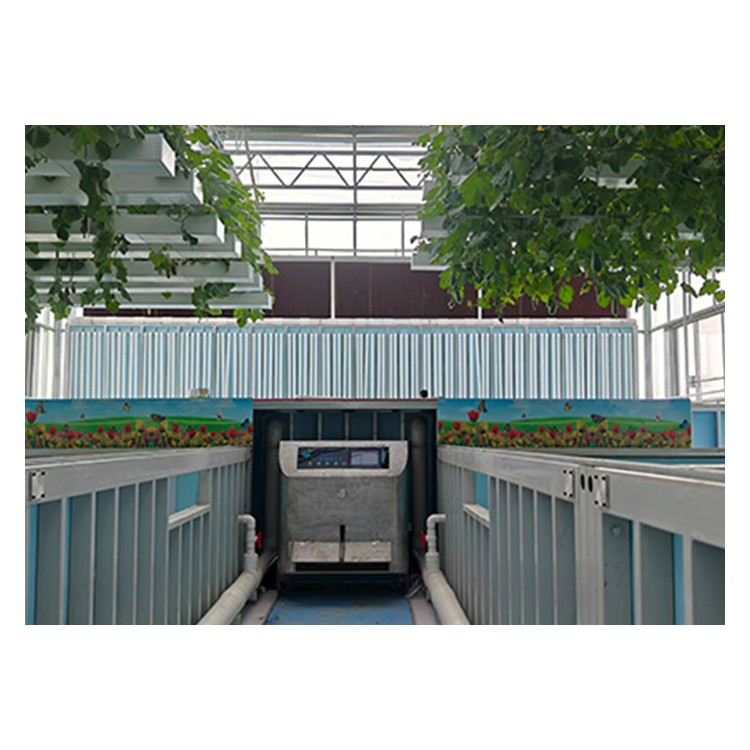
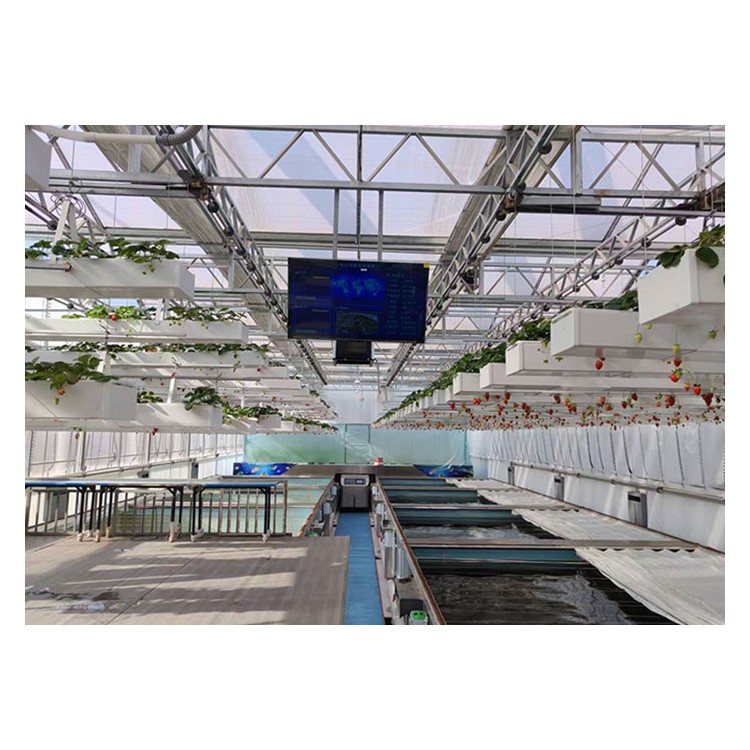
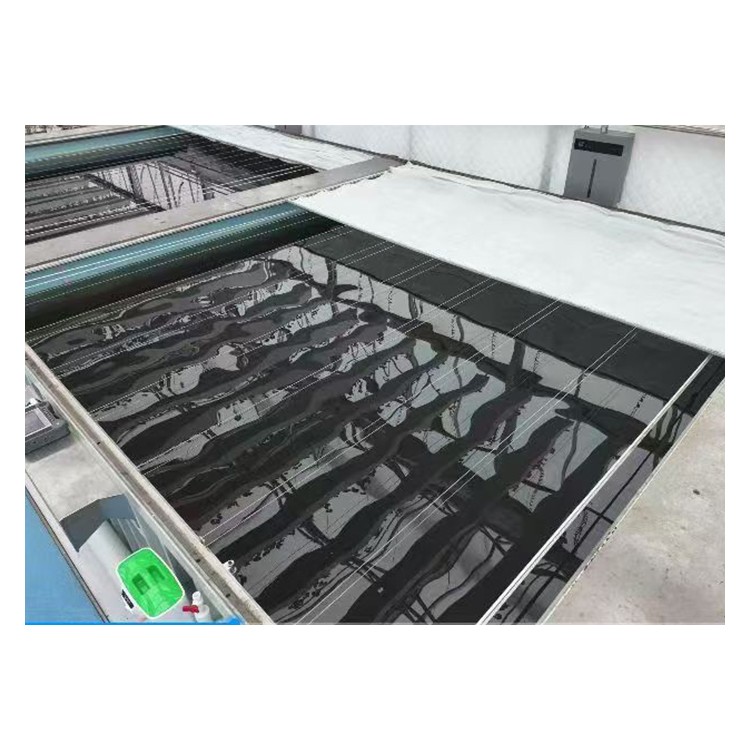
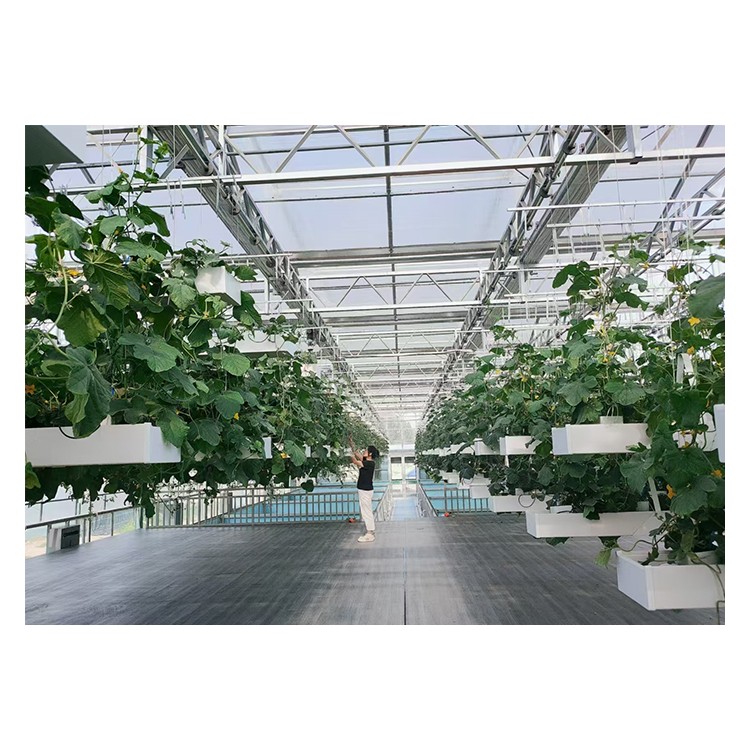
The filtration system serves as the "purification core" in the polyculture setup, responsible for treating wastewater containing fish feces and leftover feed from the pond, converting it into nutrients that plants can absorb. It also ensures the cleanliness of the water returned to the pond, crucial for maintaining the system's balance.

Through microbial metabolism, ammonia nitrogen can be converted into nitrites and nitrates, which help maintain the healthy status of water bodies; the bio-decomposition chamber intelligently regulates temperature,pH level and oxygen supply, further enhancing processing efficiency and water purification effectiveness.
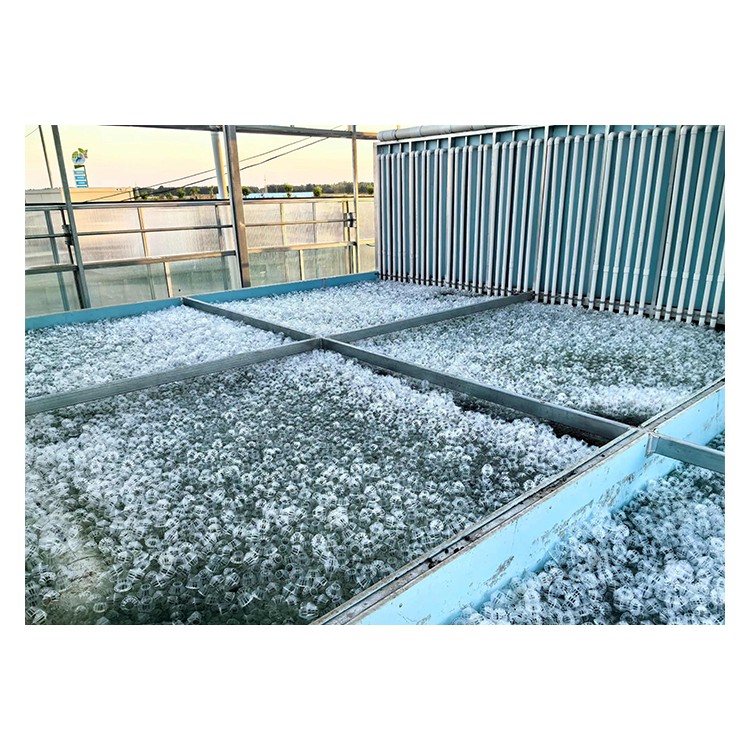
The system typically consists of two parts: physical filtration and biological filtration. Physical filtration often employs sedimentation ponds, filter nets, or bristles to intercept solid waste. Biological filtration is the core, utilizing nitrifying bacteria attached to biofilter materials (such as volcanic stone, bio-foam, or ceramic beads) to convert toxic ammonia nitrogen into harmless nitrates, which are then absorbed by plants.
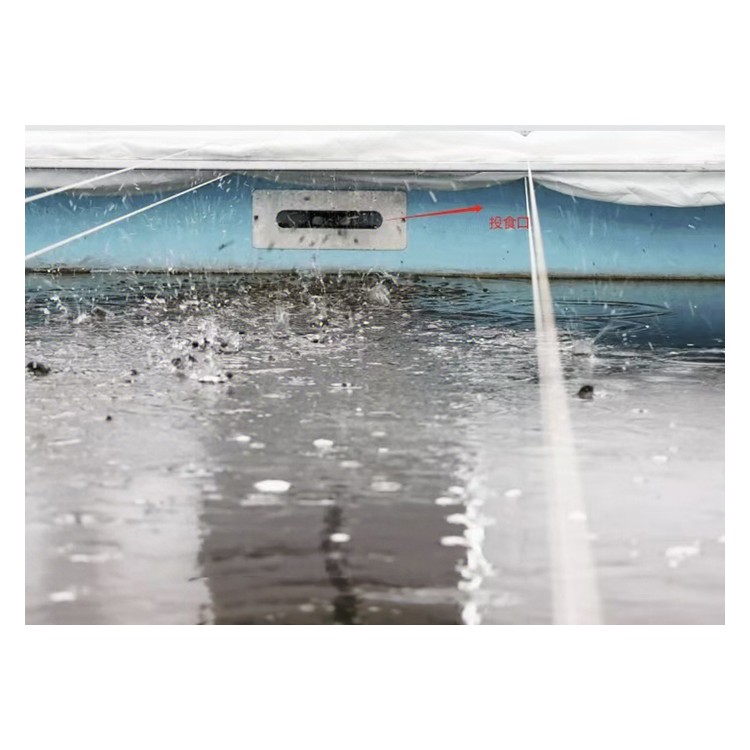
Some systems also include an aeration device to increase the oxygen content of the filter material, enhancing the activity of nitrifying bacteria. The scale of the filtration system must match the fish pond volume and fish load, as its efficiency directly determines the quality of the fish's living environment and the nutrient supply for crops.











