













Hanging planting system
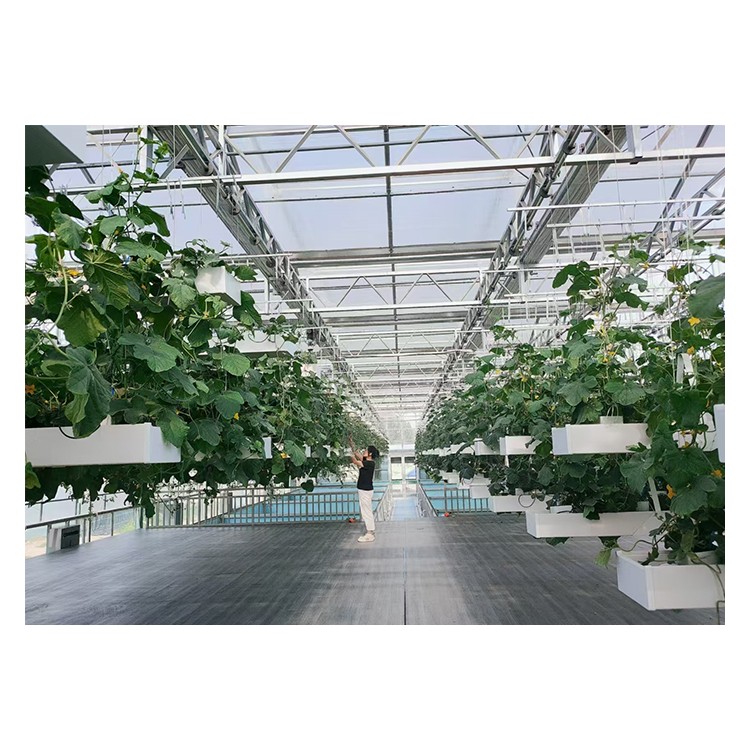
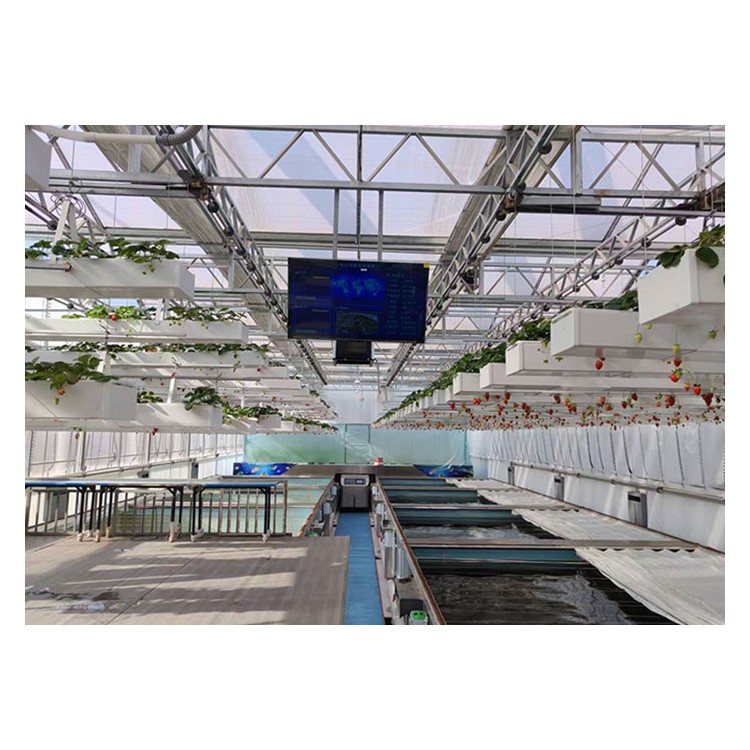
The hanging planting system utilizes vertical space for the three-dimensional hanging cultivation of crops. This not only maximizes space usage and significantly increases planting area, but also ensures each plant receives uniform lighting and ventilation. Compared to traditional ground planting, hanging cultivation greatly enhances production efficiency.

A hanging planting system is a three-dimensional planting method that utilizes vertical space by means of suspended containers, pipes, or net bags, etc., and is widely used in home balconies, greenhouses, and urban agricultural settings. Its core advantage lies in saving ground space while enhancing crop growth efficiency through optimized lighting and ventilation conditions.
The system typically consists of a suspension bracket, a planting carrier (such as non-woven pots, PVC pipes), and a water and fertilizer supply device, capable of cultivating shallow-rooted crops like strawberries, lettuce, and herbs. It primarily utilizes soilless cultivation methods (such as substrate culture, hydroponics) to minimize soil-borne diseases and facilitate precise water and fertilizer control, thereby reducing maintenance difficulty.
Additionally, hanging cultivation combines practicality with aesthetics, meeting the needs of small crop production while also creating vertical green landscapes, making it a popular choice for urban agriculture and home gardening.











