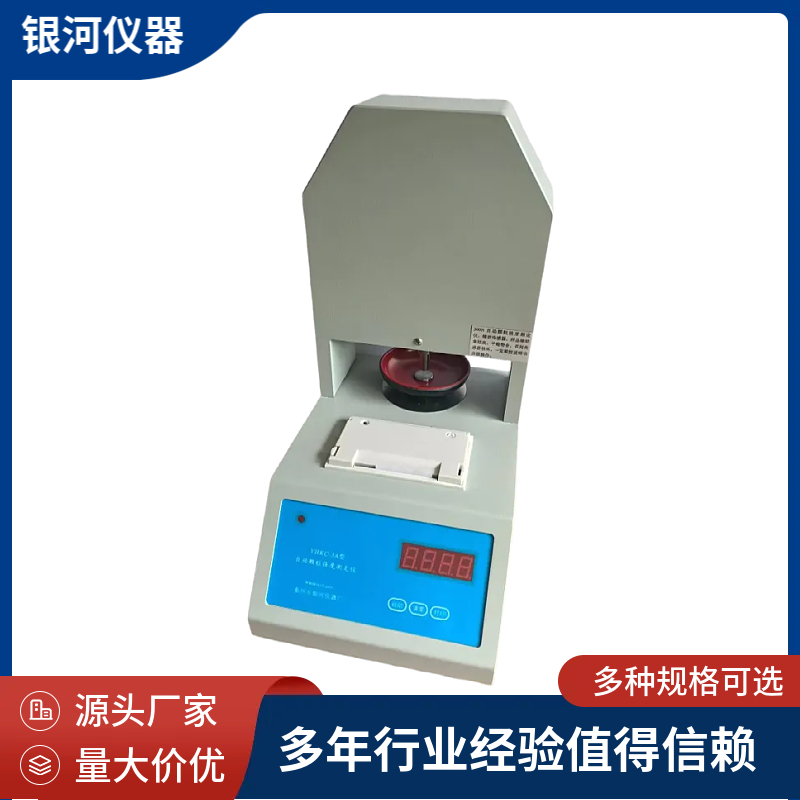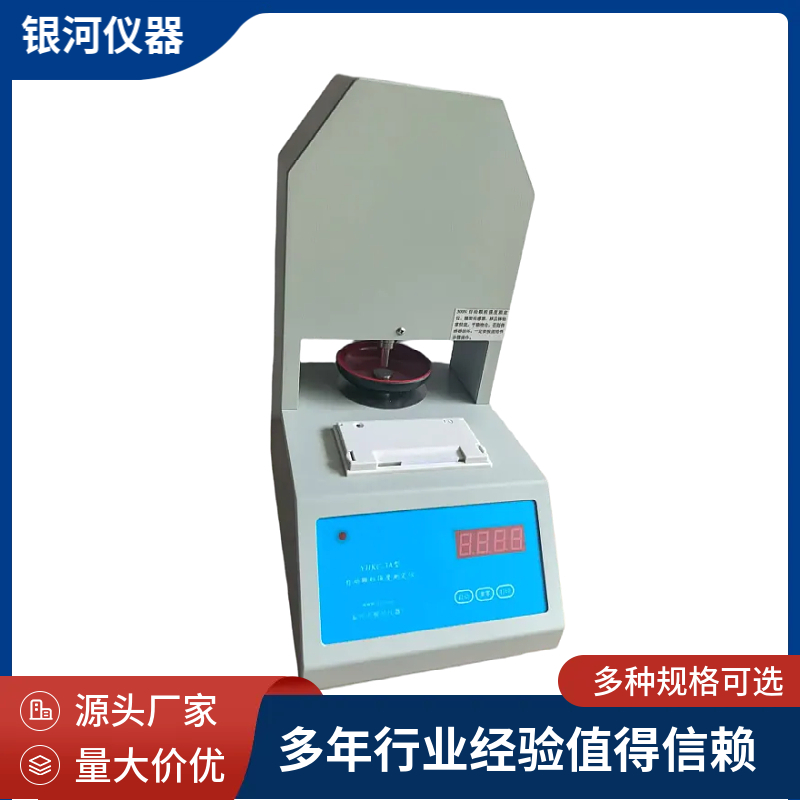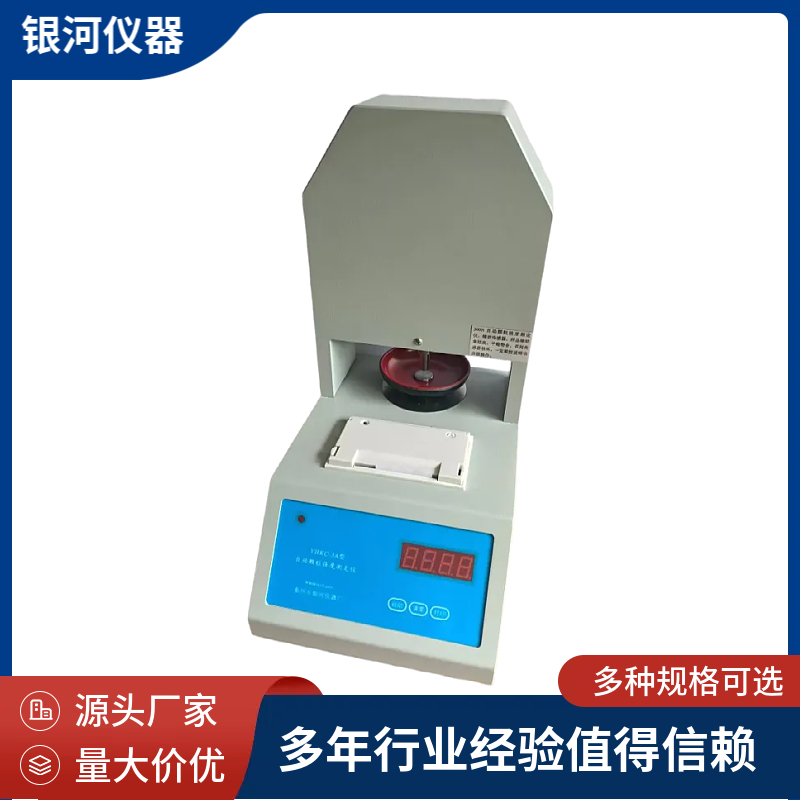


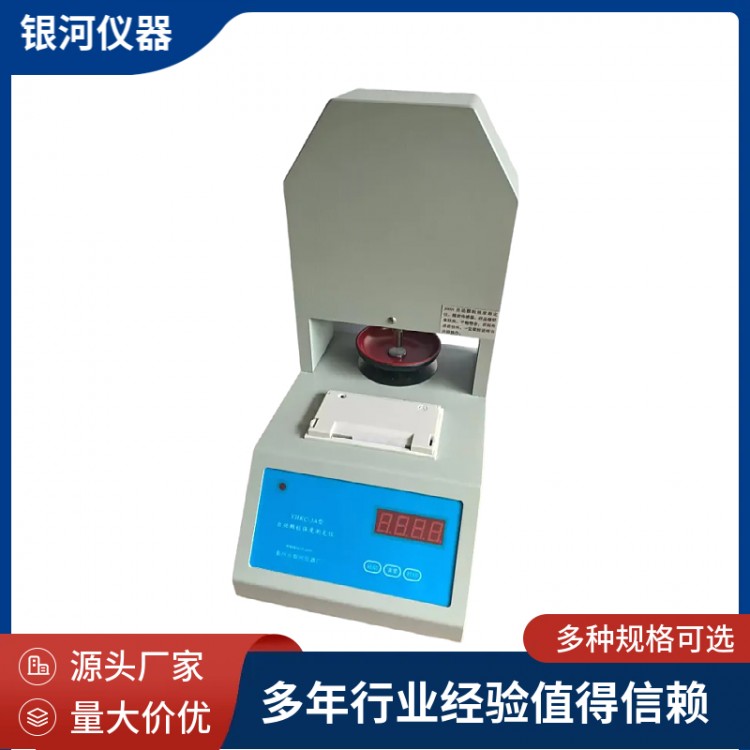
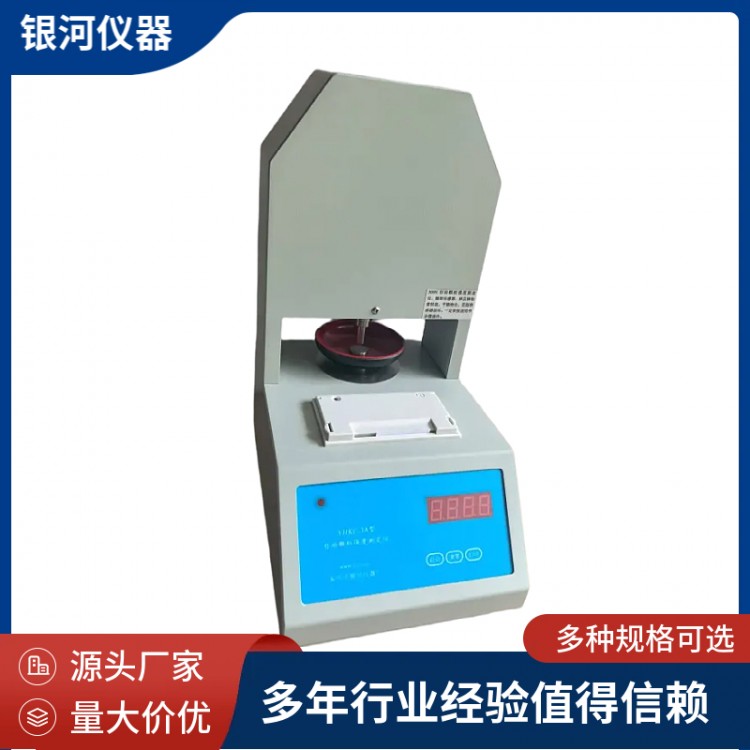
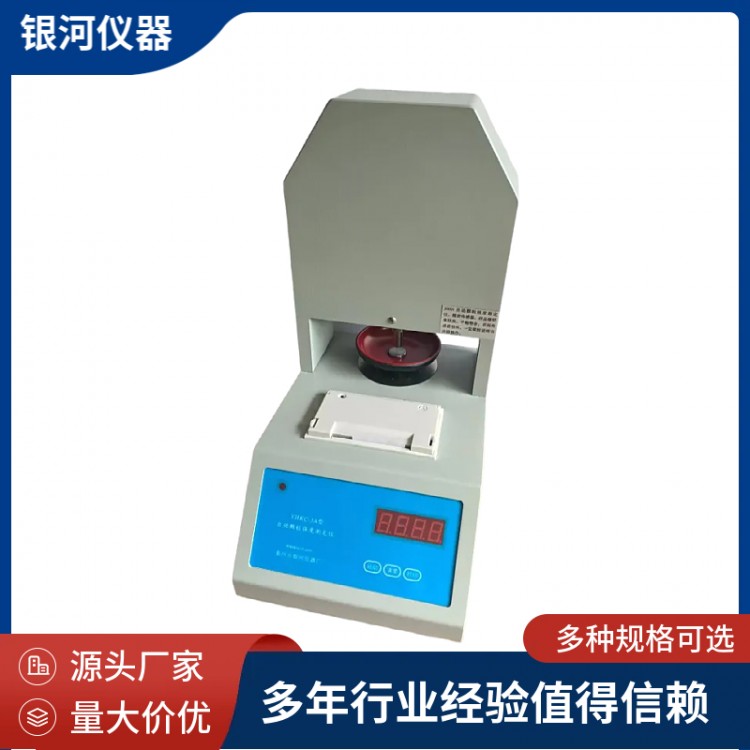


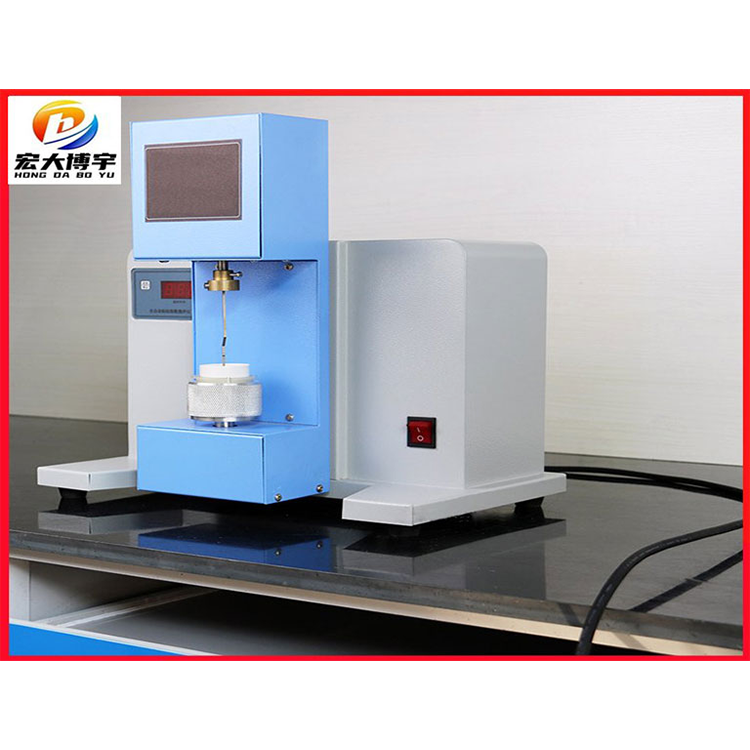






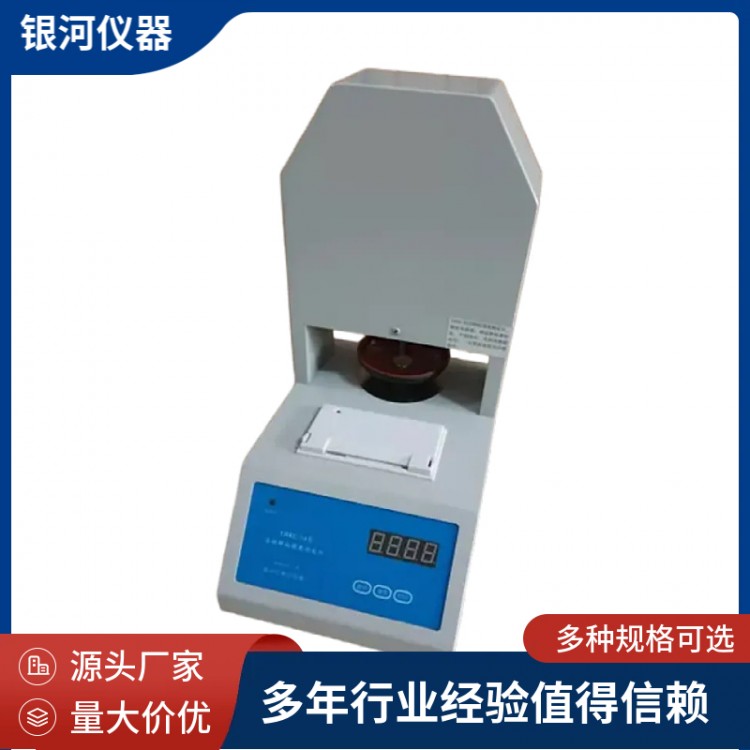
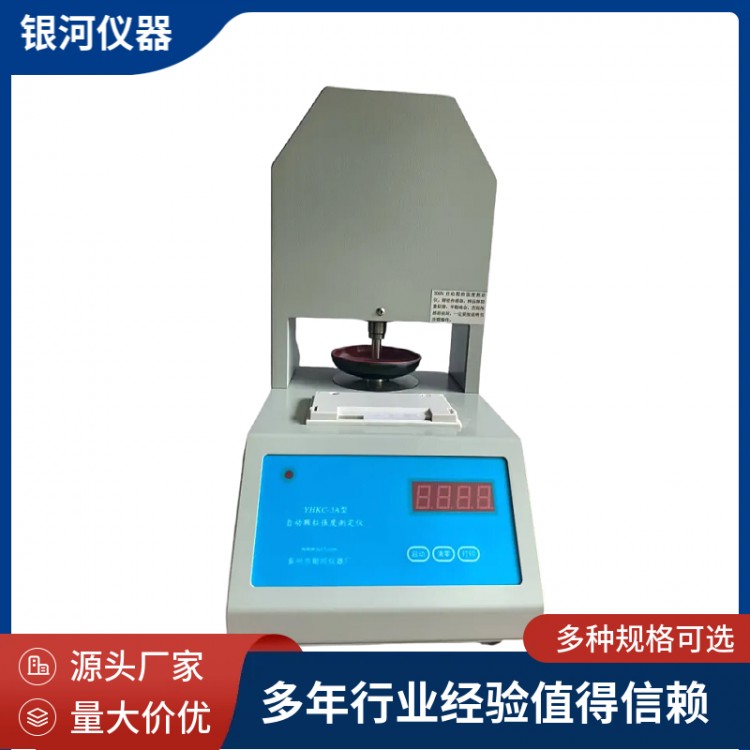
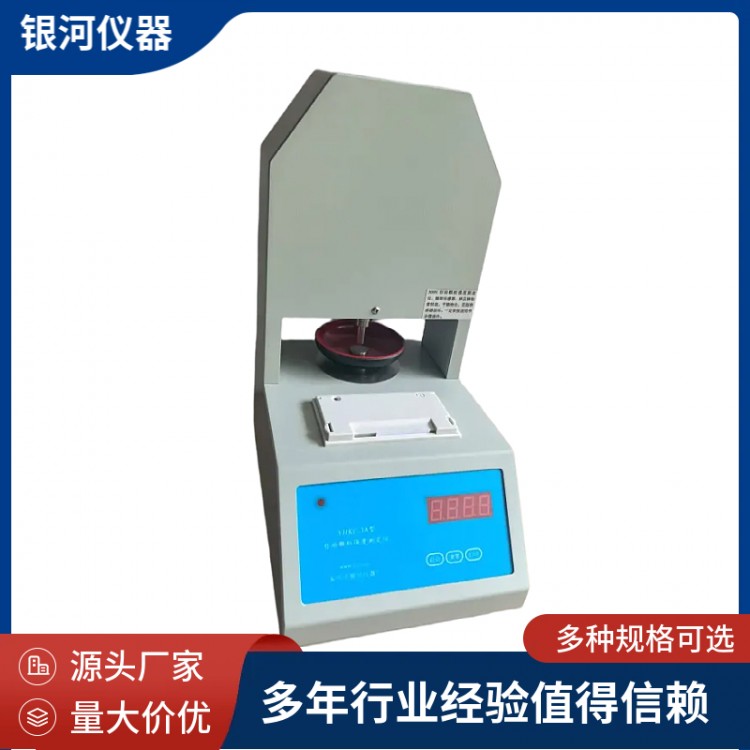
Automatic Particle Strength DeterminationInstrumentThis instrument is used to measure the maximum strength during the crushing of various particle shapes. It features digital display and functions such as start, reset, stop, print, and calculate average values. Designed by integrating the advantages and applicability of various strength measuring instruments, it is suitable for microcomputers.Automatic Particle Strength Tester。
Automatic Granule Strength TesterApplianceTechnical Specifications
Automatic Granule Strength DeterminationInstrumentMeasurement Range: 0-20N, 50N, 80N, 200N, 300N, 500N
Resolution: 0.01N, 0.1N (4-digit display)
Instrument accuracy: 0.5% Sensor accuracy: One in ten thousand Newtons
Ambient Temperature: Room temperature to 50℃ Relative Humidity: <85%
Power Voltage: AC 220V ± 10%
Instrument setup parameters and operation instructions:
1. Range: Input the instrument test range according to the pressure sensor's range in the program. Do not set a small range for a large scale.
2. Instrument Calibration: Set the calibration weight on the tuning program, then place the corresponding standard weight, and the displayed value should match the calibration code (in Newtons). The instrument internally uses this value to calculate the full-scale sample value.
3. Sensitivity: The instrument has 1-9 sensitivity levels, with higher numbers indicating greater sensitivity and resulting in smaller measured values. Lower numbers are less sensitive to fragmentation, leading to larger measured values. Generally, levels 7-8 are used, and adjustments can be made based on specific conditions.
4. Language: Batch export of instruments, distinguishing between languages for Chinese and English display and printing output.
5. Printing: Print the corresponding strength values in the order of determination.
6. Average Display: To calculate the average, the same measurement sample must be measured over 10 times. Values exceeding 60% of the average will be automatically excluded (not within the average range), and the "avr average" will be displayed at the end of the printed results.
Automatic Particle Strength TesterStandard Testing:
Prepare for testing by turning on the power switch. The instrument displays 123.4; it can enter the testing state once it shows 0.0.
Place the sample at the center of the test bench, press the start button, the power indicator light blinks, the instrument displays the current test number, starting from 1. The motor operates, the pressure rod moves downwards slowly, pressing against the sample until it breaks. The instrument then displays the current pressure value. The motor reverses instantly (moving upwards), the instrument displays the maximum breaking strength of the sample, and the test is complete. Prepare for the next test. Conduct 1-30 consecutive tests per sample. If over 30 tests or a new sample needs to be tested, press the reset button, and continue testing from 1.
The reset function.Tap the reset button lightly.Set the current measurement value to zero, display 0.0 or 0.00, and clear the memory data. The next measurement will start from serial number 1. If the sample diameter is excessively long, it canPress and hold the reset button.A push rod raises a distance.Tap halfway.Print KeyStop the rod from rising at any time. (Do not turn it all the way back; otherwise, the rod may be damaged.)
During the measurement process, Do not randomly press the reset button; otherwise, all the sample data measured previously will be cleared..
Printing Function.Press the print button lightly.When the instrument stops functioning and displays previously saved data, the last displayed number, 88, indicates the average. If it cannot be calculated, it will show FFF.F.Press and hold the print buttonPrint out the test results, with one printout for each test result, and display the sequence numbers. The last set of data is the average, abbreviated as avr, for this batch of samples.
The instrument is equipped with an automatic protection program, which automatically returns to the normal range upon exceeding the measurement limit.
The relationship between the added weight and the corresponding indication
Weight of Add-on Weights (g) | 500 | 1000 | 2000 | 3000 | 5000 | 10000 | 20000 | 30000 |
Corresponding Indication (N) | 4.9 | 9.8 | 19.6 | 29.4 | 49 | 98 | 196 | 294 |
Note | 1N = 102.04081 grams | |||||||
Manual Sensitivity Adjustment Section:(Soft and hard samples sensitive to modifications,For your reference)
Due to the varying hardness of the customer's measurement samples, the required sensitivity may differ from what we need. Adding a feature to the instrument that allows manual sensitivity adjustment without computer connection can facilitate the customer's self-modification of sensitivity. Follow these steps:
Press and hold the power button to turn on
When the numbers are blinking, press the Clear and Print keys to adjust up and down. The Clear key is for addition, and the Print key is for subtraction. A lower value indicates too high sensitivity, so reduce the sensitivity. If the total pressure is crushed, it means the sensitivity is too low and needs to be increased. The range of sensitivity is determined by your own testing values and the actual conditions; setting it to 7 or 8 is usually fine.
Press the start button to save, and then you can test it.
Calibration and adjustment of the instrument must be coordinated with the manufacturer; do not operate it independently, or you will bear the consequences.