








General Sanding Wheel Manufacturer
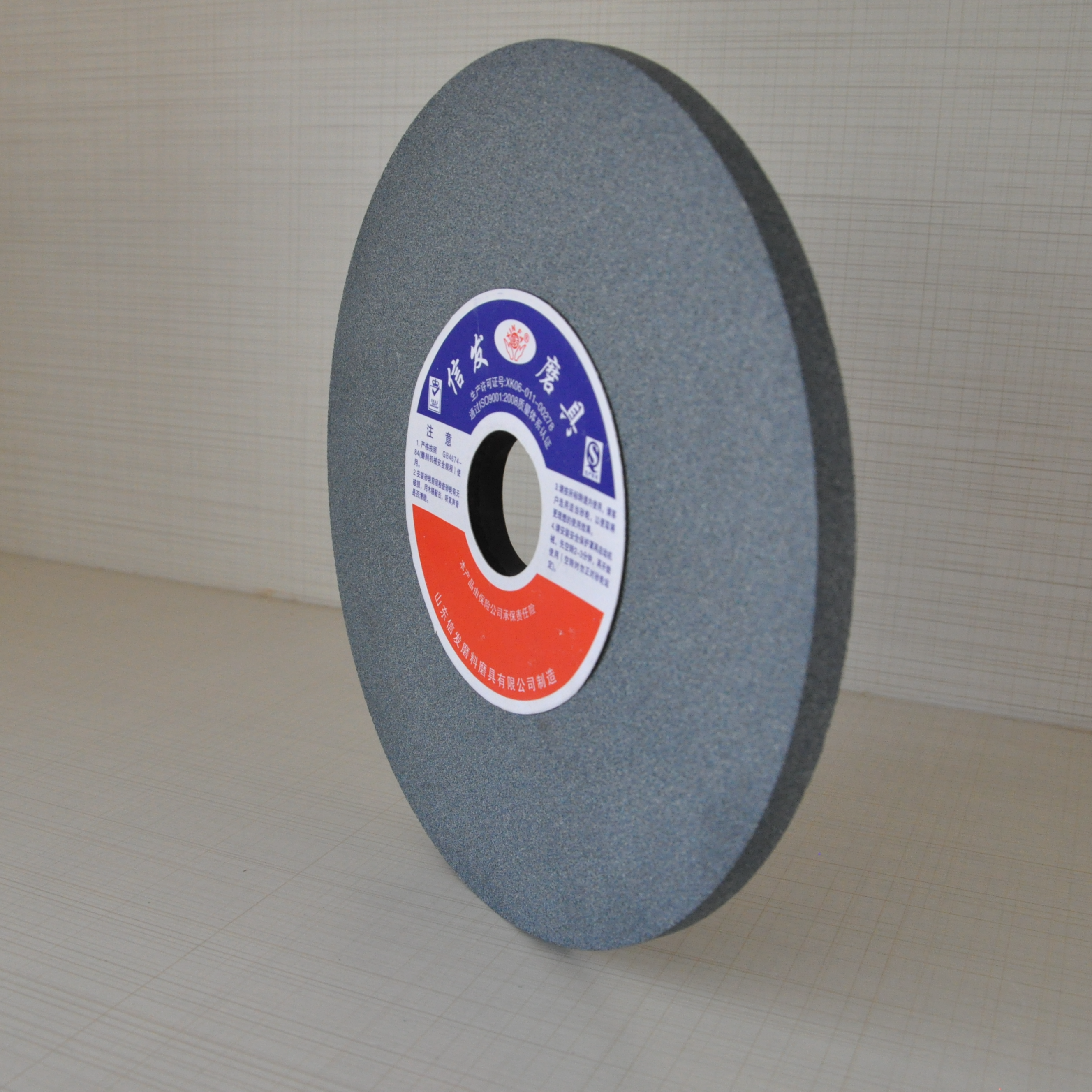
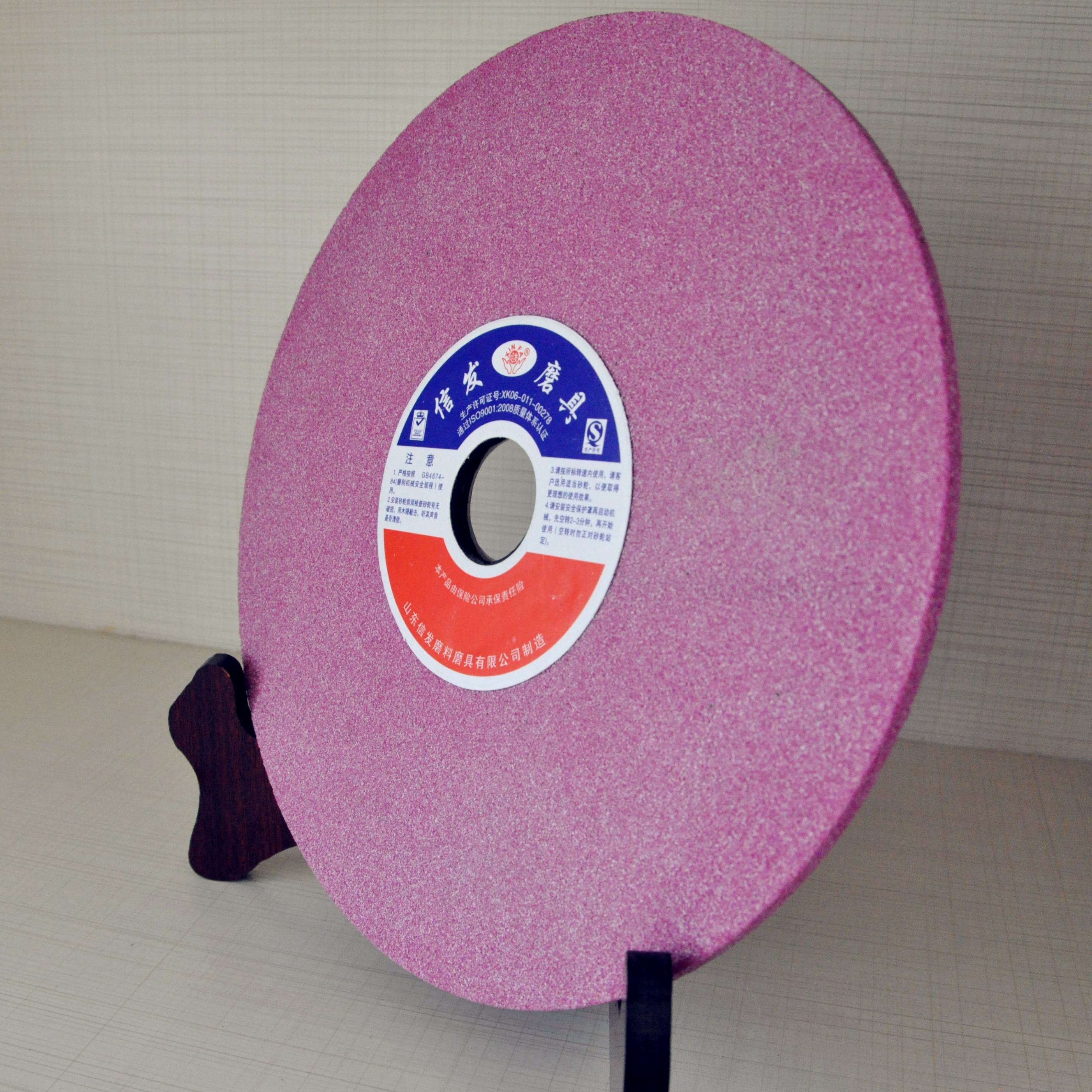
General abrasive grinding wheels serve as core tools in the grinding process and are widely used in rough and fine grinding, grooving, and cutting operations for metal and non-metal workpieces. Their performance is determined by multiple factors such as abrasive material, particle size, binder, hardness, structure, shape, and dimensions. The following analysis is divided into four aspects: classification, characteristics, application scenarios, and selection points.
I. Classification System: Divided by Core Parameters
- By abrasive type
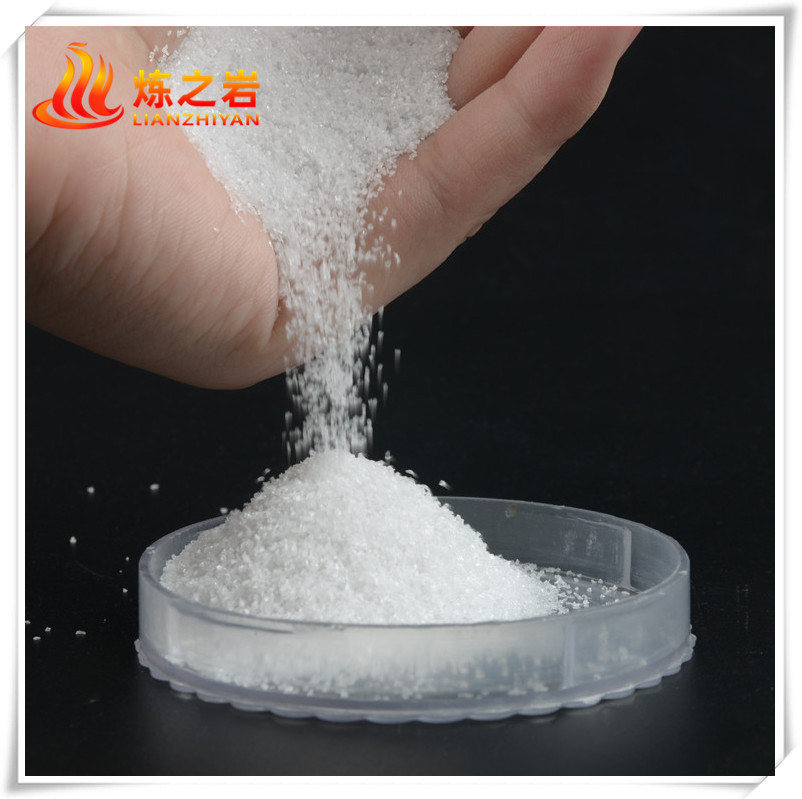
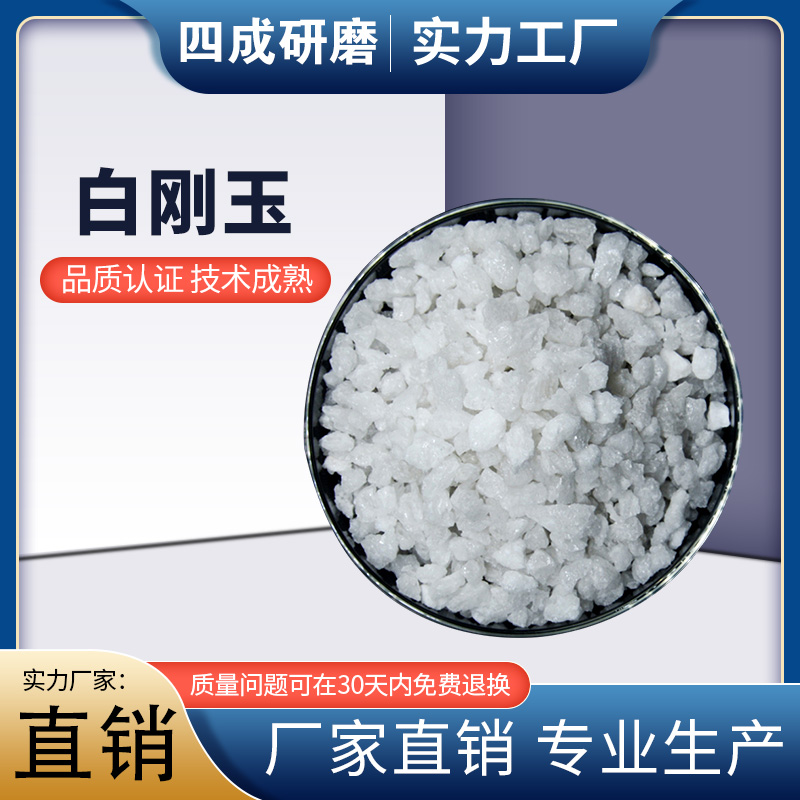
- Common Abrasive Wheels: Primarily composed of corundum (Al₂O₃) and silicon carbide (SiC), suitable for grinding conventional metals (such as steel, cast iron) and non-metals (such as ceramics, glass).
- Super-hard abrasive grinding wheels: Made of diamond or cubic boron nitride (CBN), specifically designed for processing high-hardness materials such as hard alloy, high-speed steel, gemstones, etc., featuring strong wear resistance and long service life.
- By binder type
- Ceramic Bonded Grinding Wheel: Resistant to high temperatures and corrosion, suitable for high-speed grinding; however, has low toughness and prone to cracking from impacts.
- Resin bond abrasive wheels: Good elasticity, strong self-sharpening, suitable for high-speed cutting and forming grinding, but poor heat resistance (≤300℃).
- Rubber Bonded Sanding Wheel: Excellent wear resistance, commonly used for polishing and guide wheels, but lower heat resistance (≤200℃).
- Metal Bonded Sand Wheel: Based on materials like bronze and nickel, it boasts high strength and good formability, but poor self-sharpening, commonly used in diamond sand wheels.
- By shape and size
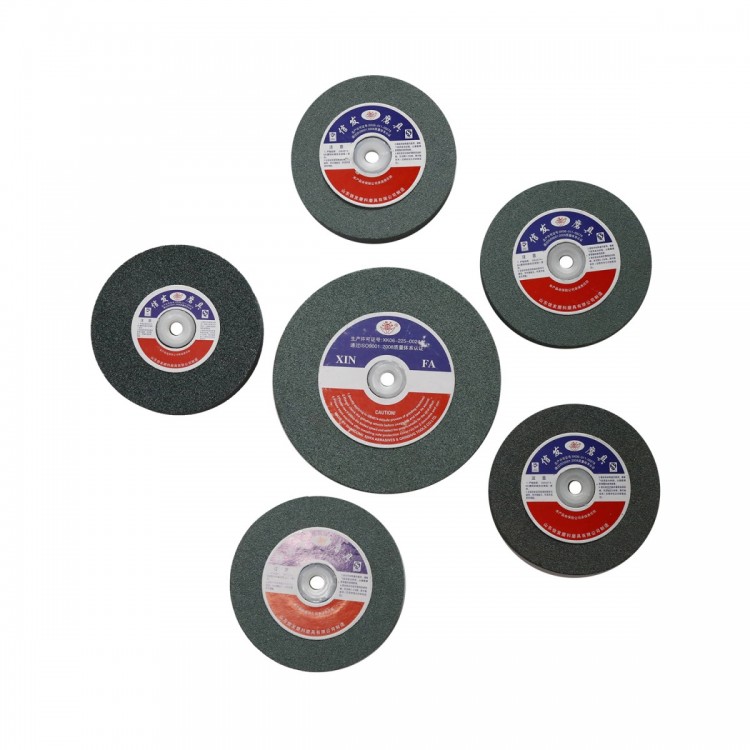
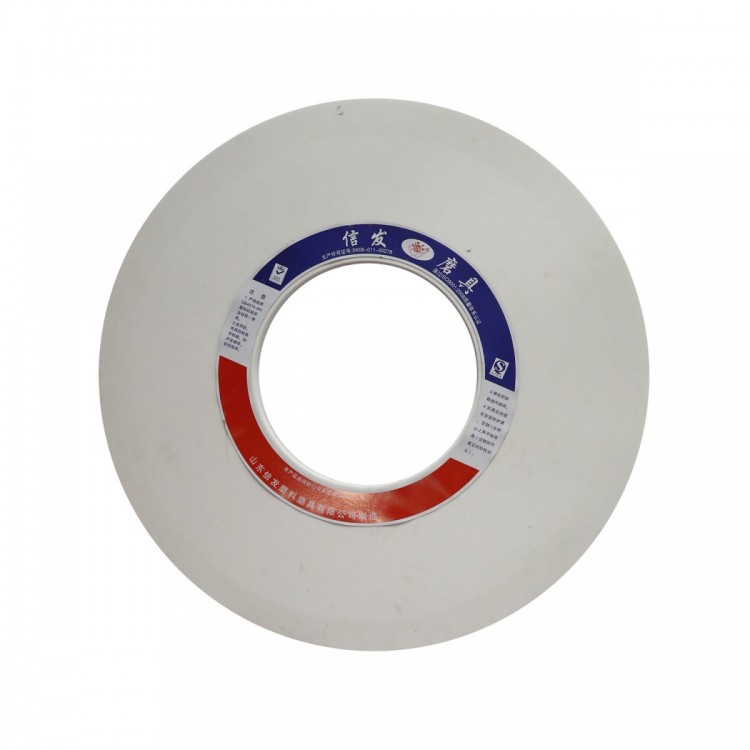
- Parallel grinding wheel: High versatility, suitable for external cylindrical and flat grinding.
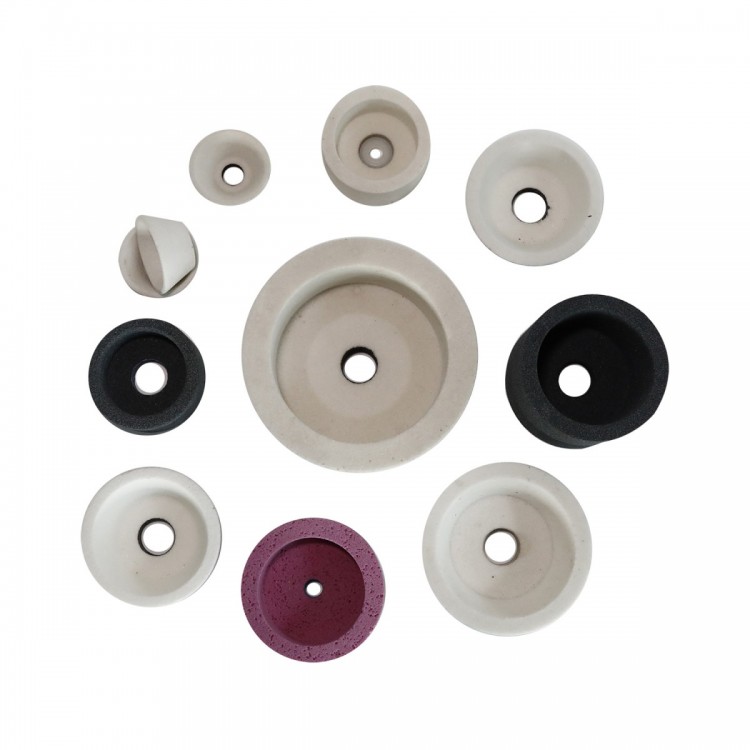
- Cup Wheel: Used for vertical grinding of flats or tool sharpening, poor heat dissipation.
- Disc-shaped grinding wheel: Specifically designed for blade sharpening, such as regrinding drill bits and milling cutters.
- Handled Sanding Wheel: Such as electric grinder sanding wheels, suitable for small workpieces or precision machining.
- Dimension Marking: Indicated as Outer Diameter × Thickness × Inner Diameter; additional marking of the grinding layer thickness is required for super hard sandpapers.