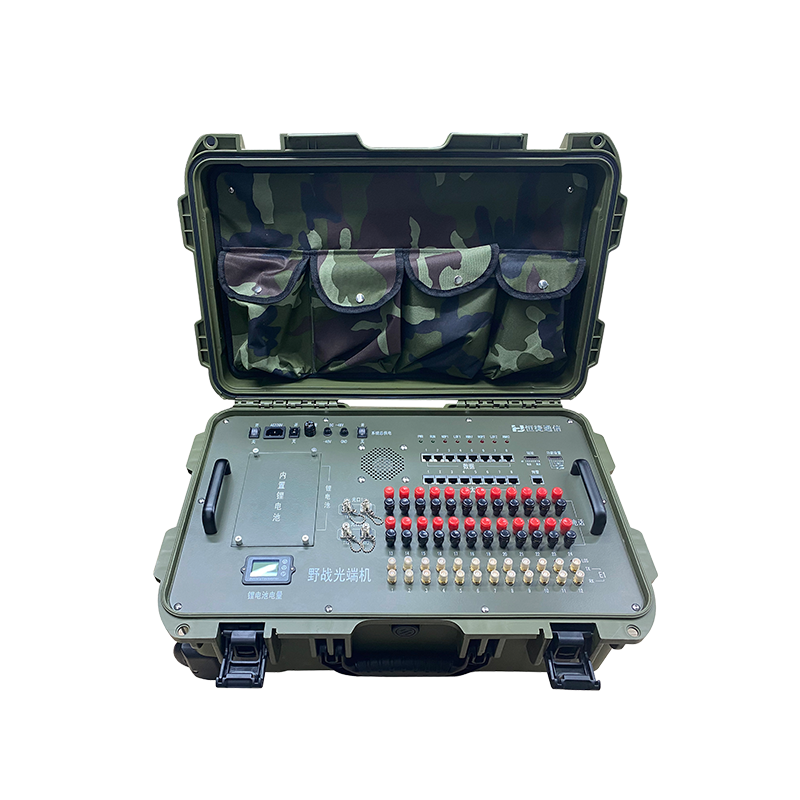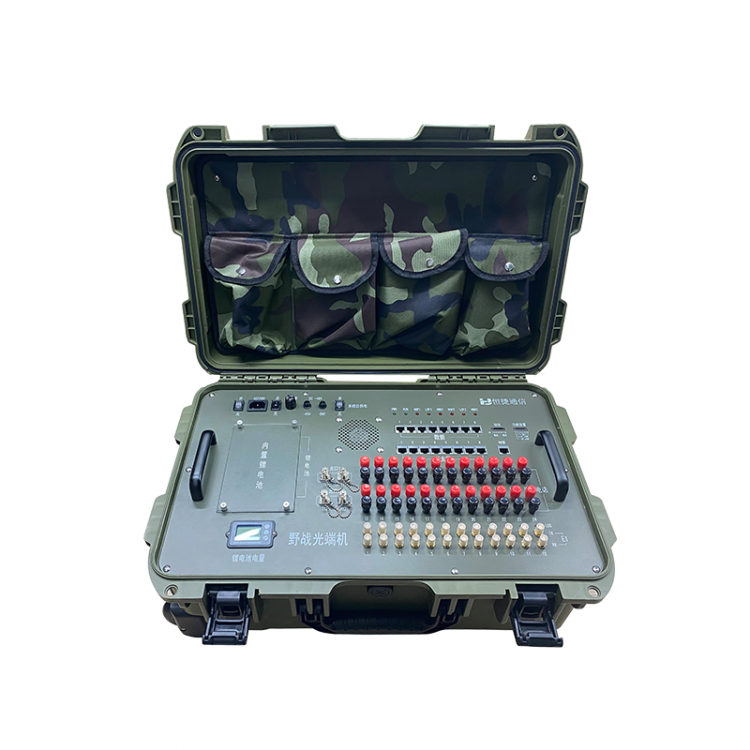











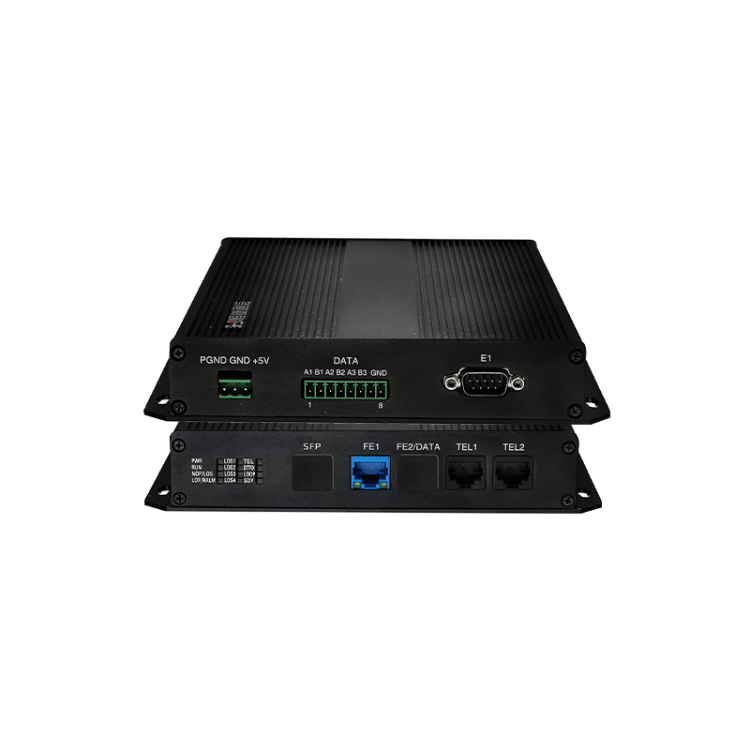
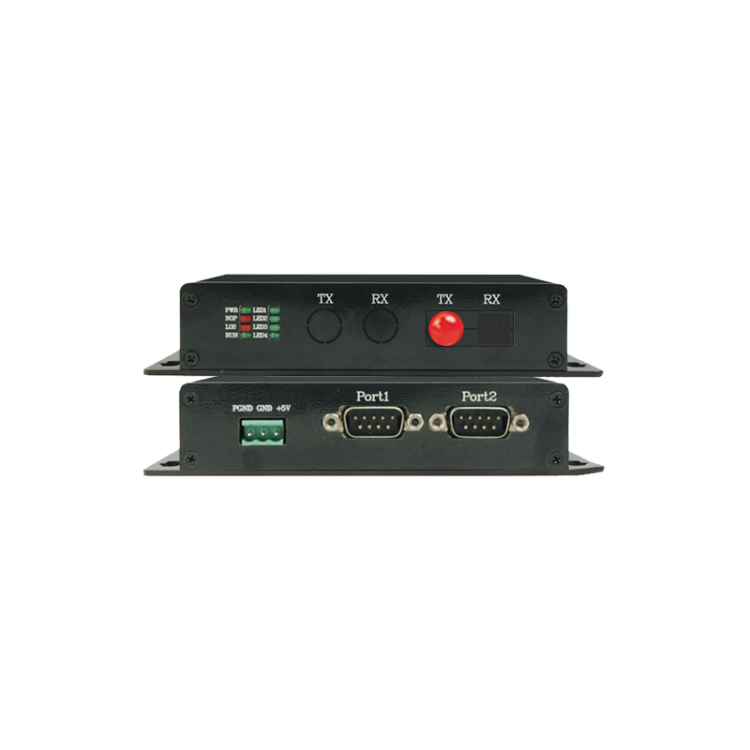
HJ-iAN210BXThis is a portable, integrated optical transceiver based on SDH and PCM technology. The equipment offers 2 STM-1 SDH optical ports on the transmission line side, and service-side interfaces include 10M/100M EOS Ethernet, E1, V.24, FXO, FXS, and MAG interfaces. The 10M/100M EOS Ethernet service bandwidth can be flexibly set from 2M to 100M in 2M increments.
The HJ-iAN210BX offers flexible networking options, allowing for various topologies such as point-to-point, point-to-multipoint, chain, and ring networks. The HJ-iAN210BX's SDH optical interfaces are compatible with other manufacturers' SDH optical interfaces that meet relevant standards. The signaling formats for FXO, FXS, and MAG business interfaces are customizable, enabling mixed networking with mainstream PCM products worldwide.
The HJ-iAN210BX offers various safety protection mechanisms, including 1+1 optical path protection, optical path ring network protection, 1+1+1 power supply protection with two external power inputs and 1 built-in lithium battery, surge protection, static protection, vibration protection, moisture protection, and dust protection.
HJ-iAN210BX is primarily targeted at specialized network users such as the military, public security, fire brigade, and police, and has been widely used in field training, emergency support, maintenance of social stability, and disaster relief operations.
Feature Highlights
The equipment features a portable enclosure, compact in size and lightweight, allowing for easy dragging or carrying.
The enclosure features dust and moisture resistance, and the entire equipment is designed for shock absorption, ensuring safety and reliability.
All interfaces and indicator lights are located on the main panel inside the cabinet, making operation easy.
Equipped with two cooling fans, the main panel features an intake and an exhaust vent for efficient heat dissipation.
The equipment provides 2 STM-1 level SDH optical ports with a speed of 155M, featuring an FC type interface.
The equipment side can provide 12 unbalanced 75Ω E1 service ports, utilizing micro-coaxial head interfaces.
The equipment side can provide 32 telephone service ports, with options for FXO, FXS, and MAG, using RJ11 interfaces or push-on terminals.
The equipment side can provide 8 V.24 low-speed data communication ports, utilizing RJ45 interfaces.
The equipment business side offers 4 EOS channels and 8 10/100M Ethernet service ports, utilizing RJ45 interfaces. The first 3 EOS channels correspond to the first 3 10/100M Ethernet service ports, providing high-security channel isolation Ethernet; the 4th EOS channel, after switching, supplies the 5th through the 8th 10/100M Ethernet service ports.
The equipment supports point-to-point, point-to-multipoint, chain, and ring network configurations, or mixed networking with other SDH equipment.
The FXS module and the MAG module both utilize independent ring current circuit designs, ensuring no interference and high safety.
The equipment circuit features surge protection and lightning protection design, and supports reverse polarity protection for power input.
The equipment is equipped with comprehensive alarm and status indicator lights, including optical port alarms, E1 alarms, power status, equipment operating status, network management connection status, Ethernet connection status, and telephone line status.
The equipment offers three power supply methods, including AC external input power, DC external input power, and built-in lithium batteries, achieving a 1+1+1 hot backup for power supply modes.
When using AC or DC external input power to power the device, it also charges the built-in lithium battery.
Without an external power source, the built-in lithium battery can continuously power the device for at least 8 hours.
The equipment provides an Ethernet management interface, enabling network management software to oversee both the equipment and the network. The primary functions of the network management software include five major modules: configuration management, resource management, alert management, performance management, and security management.
Configure loopback settings for 64K channels, VC12 (E1), and optical channels via network management software.
The network management software allows for error code testing on both 64K channels and E1 channels.