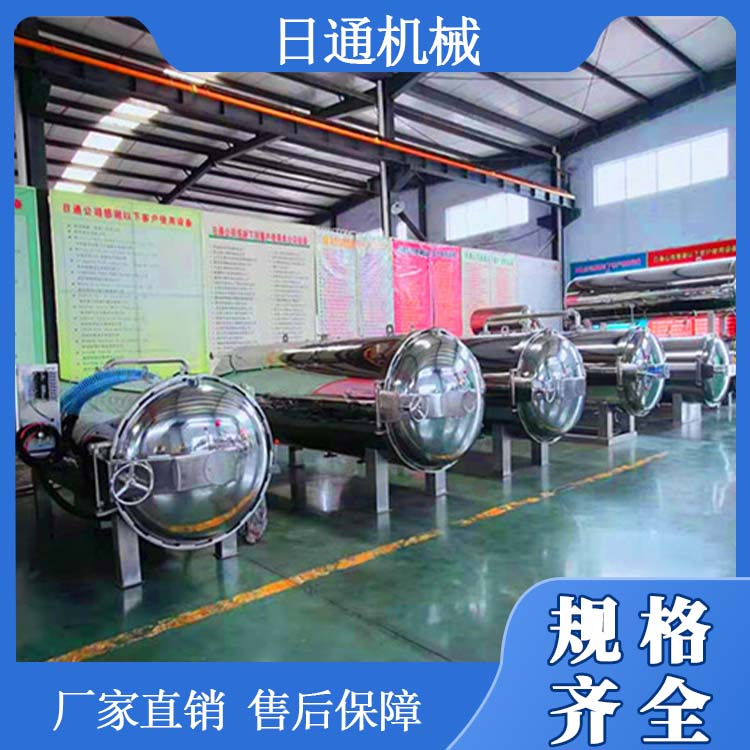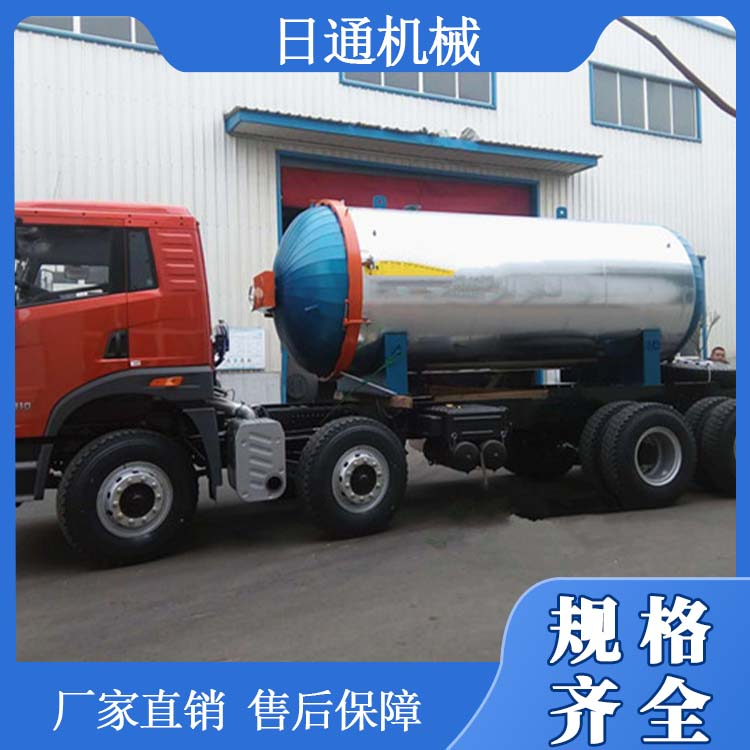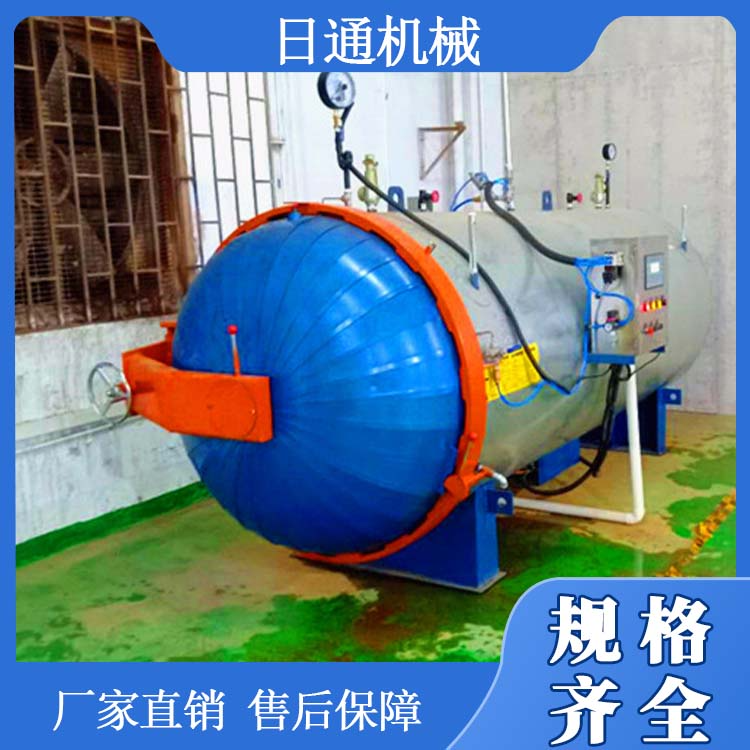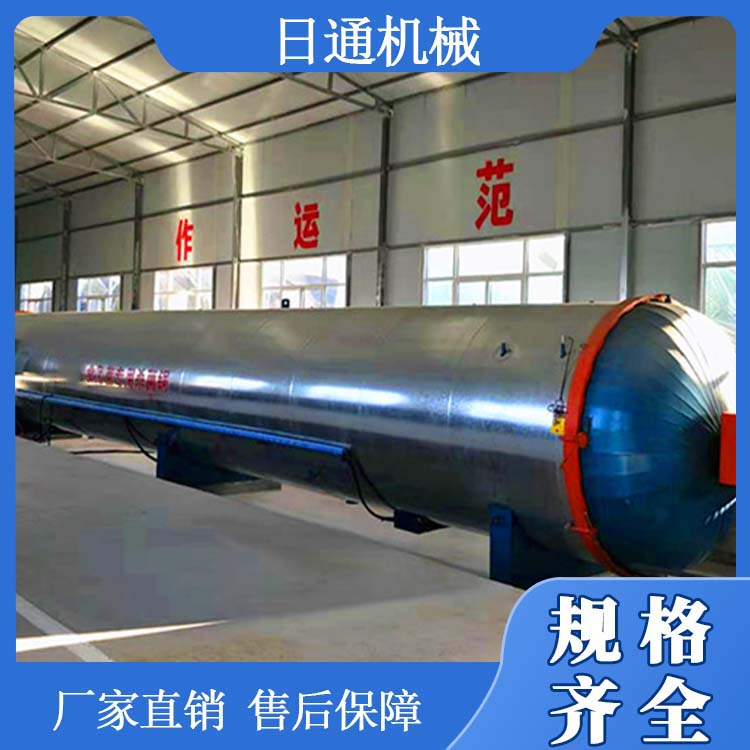


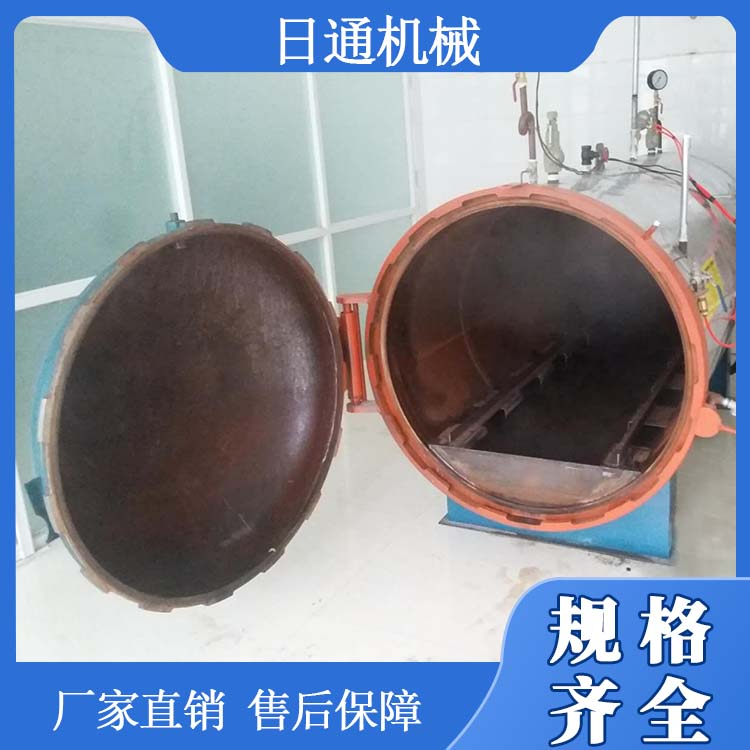
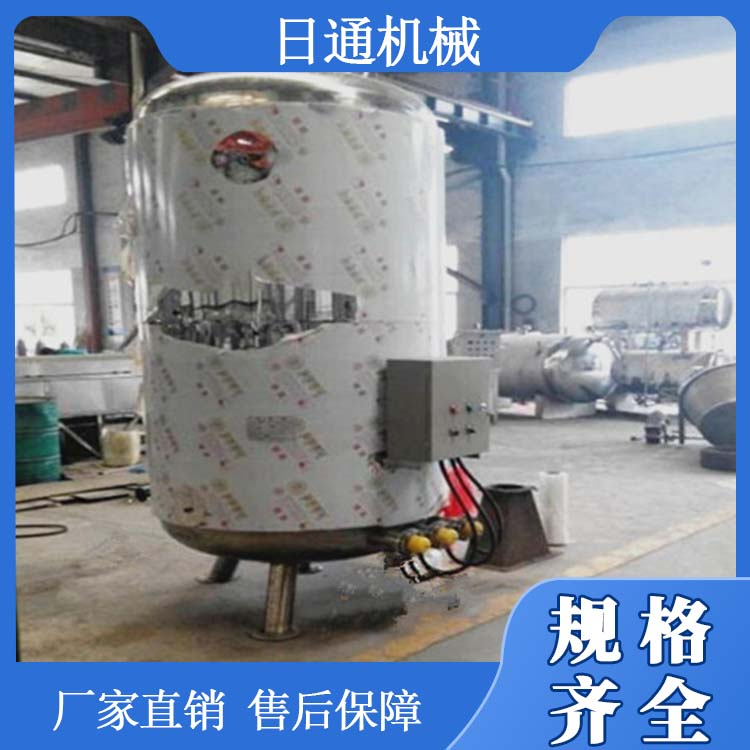
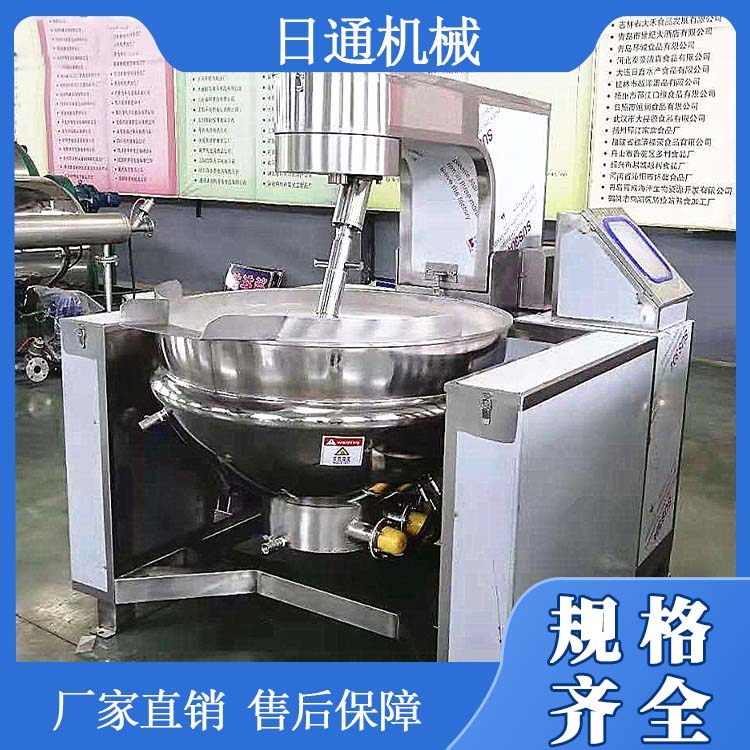
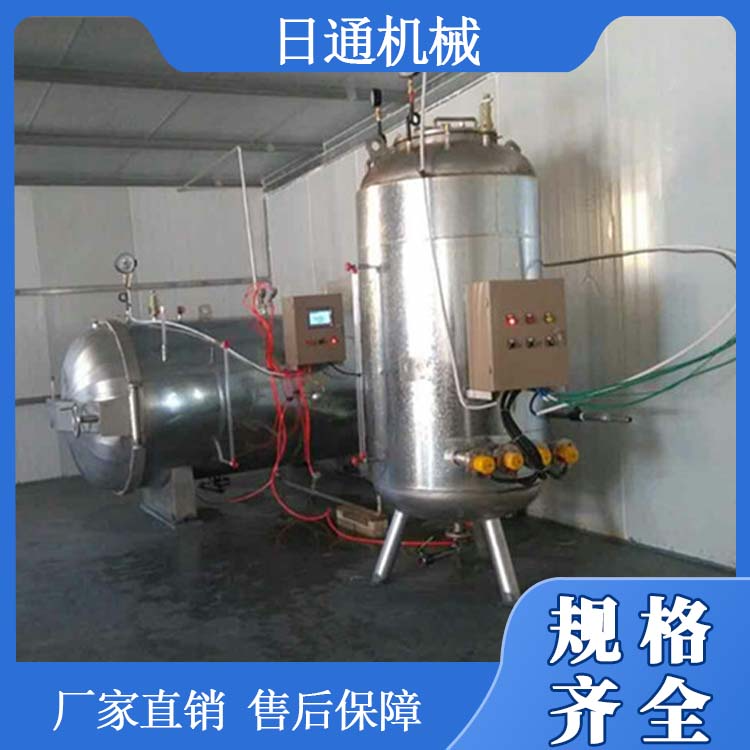
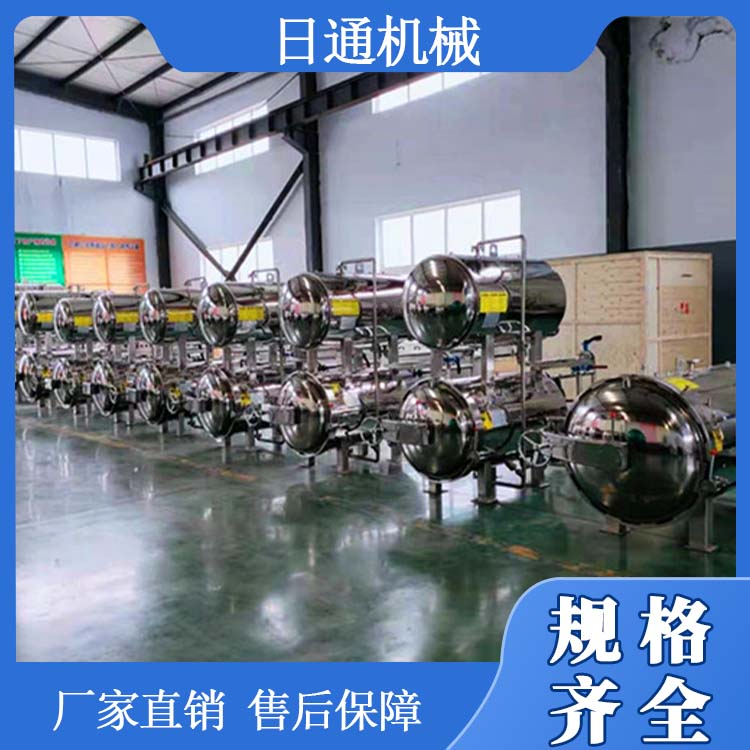





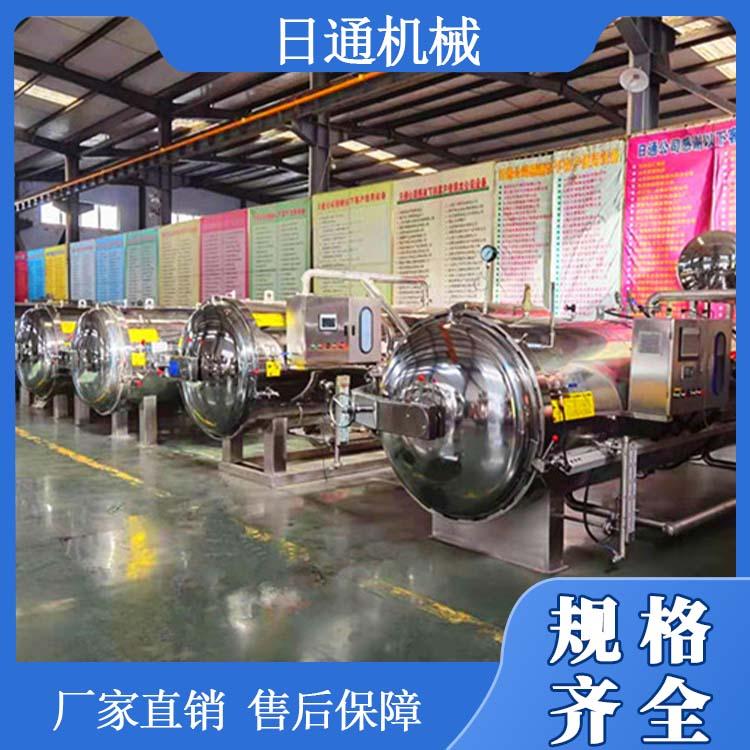
A sterilization pot for edible mushrooms is a convenient and uniformly sterilizing high-pressure horizontal sterilization equipment for edible mushrooms. This unit can be used to generate steam by heating water with electric heating pipes or by steam heating for sterilization purposes. It is suitable for sterilizing mushroom blocks and bottles, ensuring even sterilization. The even sterilization of edible mushroom blocks is a crucial step in the cultivation process, as the quality of sterilization directly impacts the yield and quality of the mushrooms. Disinfection and sterilization are essential for eliminating bacterial interference and creating a clean growth environment for edible mushrooms, and they represent a fundamental technique in mushroom production. The sterilization pot not only maximizes the space within the vessel to increase yield but also further enhances the quality of the edible mushrooms. It is increasingly favored and used by mushroom farmers and university laboratories alike.
Technical Requirements:
The sterilization pot is made of Q345R specialized sheet material, with an insulating layer attached, having a thickness of approximately 30mm.
2. Sterilizer designs include single-door or double-door configurations.
3. The pot is equipped with: 1 set of thermometer, safety valve, pressure gauge, and silicone sealing pads.
4. Design pressure: 0.35 Mpa, test pressure: 0.44 Mpa, design temperature: 147°C.
5. One computer-automated control cabinet included, with the sterilization pot's temperature, time, and pressure all controlled automatically.
6. Heating methods include electric heating and steam heating.
7. The sterilization pot is equipped with a safety interlock system and has passed the provincial technical bureau's evaluation.
【Sterilization Pot Features】
1. Excellent sterilization effect, with the temperature inside the drum being uniformly distributed from top to bottom, ensuring that every corner of the culture packages can be sterilized by steam.
2. Simple operation, high level of automation.
3. Technically mature with flexible settings. Tailored to the sterilization requirements of various fungal culture mediums, offering precise parameters such as sterilization temperature and time.
4. High configuration, low cost, and low maintenance rate. Due to the fact that the main components we use are mostly imported, the maintenance rate is low. Despite the high configuration of our products, the prices are significantly lower than those of our competitors.
5. Well-designed with a complete range of specifications. Our company produces sterilizers in various sizes from 2 to 70 cubic meters. To maximize space utilization, our sterilizers are primarily round-shaped. The internal dimensions and volume of the sterilizer are primarily tailored to the user's production requirements, and we offer free design materials related to sterilizers upon request.
6. Excellent pre-sales and after-sales service system. Before the product is sold, our company can conduct on-site inspections at the customer's location. The inspection includes site dimensions, steam and water pipeline locations, packaging size, and production capacity, among other aspects, to design and provide suitable sterilization equipment for the customer.
[Operation Standards]:
Prior to use, inspect the autoclave and its related components for any abnormalities. If any are found, address them promptly to ensure normal operation before using the autoclave.
2. Turn on the power switch, open the steam valve, water valve, and compressed air valve, and check the conditions.
3. Close the back door and open the front door for loading. After loading, close the front door and confirm the sterilization parameters are correct before initiating the sterilization program and entering automatic operation.
4. After the sterilization process is complete, shut off the steam and water valves, open the back door, and wait for the steam inside to dissipate before removing the sterilized items. After removing the items, turn off the power and the compressed air valve. The sterilization chamber will be very hot at this point, so keep the back door open temporarily. Close it once the interior has completely cooled to avoid creating a vacuum inside due to cooling.
5. Caution: Do not leave the door ajar for an extended period after sterilization. If the interior cools down and forms a negative pressure, opening the door requires re-introducing air first to prevent affecting the sterilization effectiveness.