

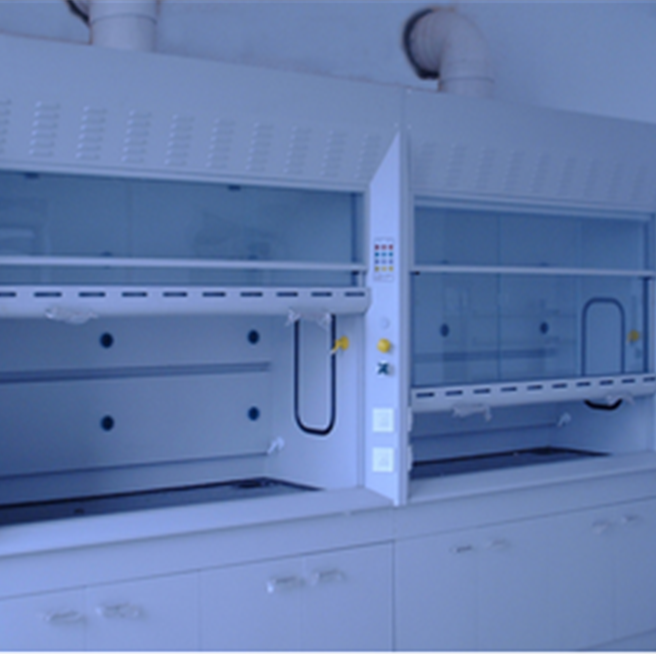










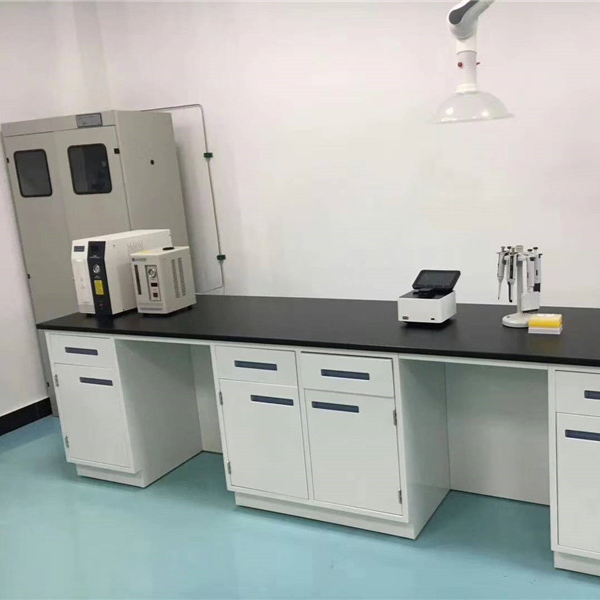
PP fume hoods are specialized acid and alkali-resistant ventilation equipment made of polypropylene (PP), widely used in laboratory environments requiring high-intensity acid and alkali operations and high purity, such as clean rooms, biological laboratories, and semiconductor laboratories.Below is a detailed introduction to the PP fume hood:
I. Core Material and Characteristics
- MaterialManufactured from polypropylene (PP), a lightweight, corrosion-resistant thermoplastic resin with excellent resistance to most acids, bases, and organic solvents. For instance, it can withstand concentrations of ≤30% for extended periods.Hydrofluoric Acid98% Concentrated Sulfuric Acid, 40% SolutionSodium HydroxideMedium to high corrosive media.
- Features:
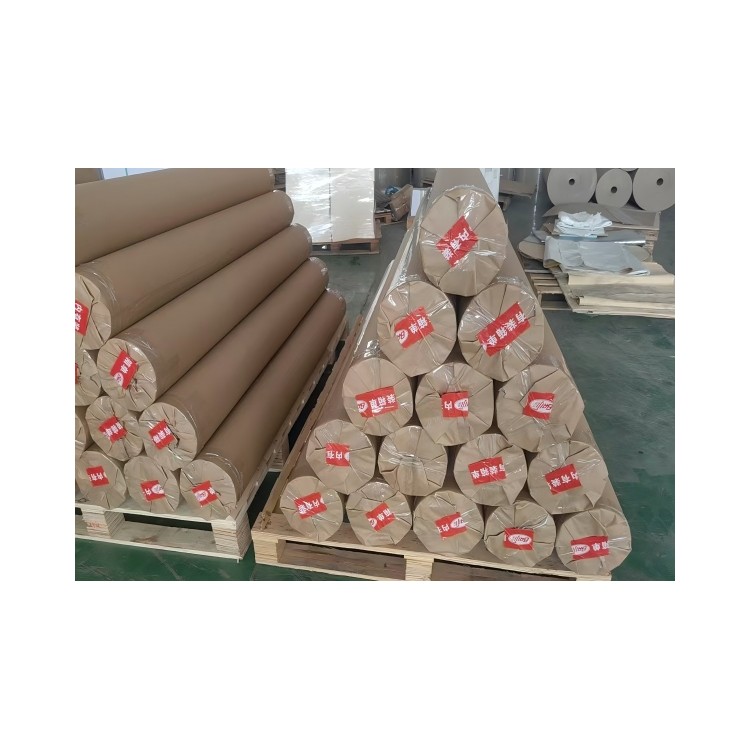
- Corrosion resistanceThe cabinet, operating surface, adjustable doors, and other critical components are all made of high-quality pure PP board, with thicknesses typically ranging from 8-12mm, ensuring long-term stable operation.
- SealabilityA precisely designed sealing structure, coupled with an efficient ventilation system, effectively prevents the leakage of harmful gases.
- Eco-friendly and energy-savingPP material is recyclable and operates with low energy consumption, meeting energy-saving and emission-reduction requirements.
- Lightweight and durableLightweight, corrosion and dust-resistant, easy to install and maintain.
Section 2: Structural Design and Function
- Structure:
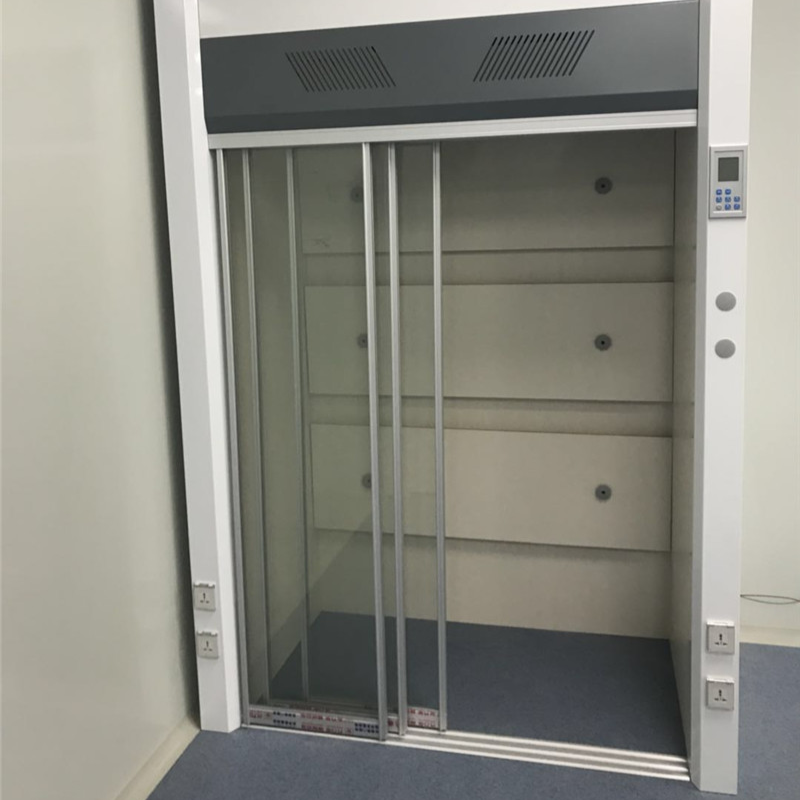
- Adjustable gateMade of 4mm thick transparent acrylic glass or 5mm thick tempered glass, offering excellent acid and alkali resistance. The frame is securely embedded with thick porcelain white PP board C-channel, ensuring safety and durability.
- Wind Speed ControlEquipped with fixed air volume, variable air volume, or adaptive control systems, capable of adjusting wind speed according to experimental requirements, ensuring a stable and uniform airflow.
- Lighting SystemUtilize LED daylight lamps or all-weather lighting fixtures to provide ample illumination, ensuring the accuracy of experimental operations.
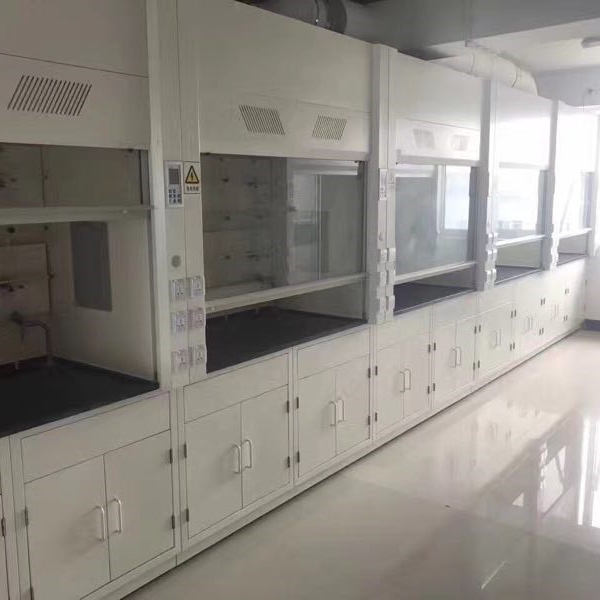
- Waste Gas EmissionAir is drawn into the fume hood by an internal fan, filtered through pre-effect and high-efficiency filters (such as HEPA filters), and then exhausted outdoors to prevent harmful substances from escaping.
- Feature:
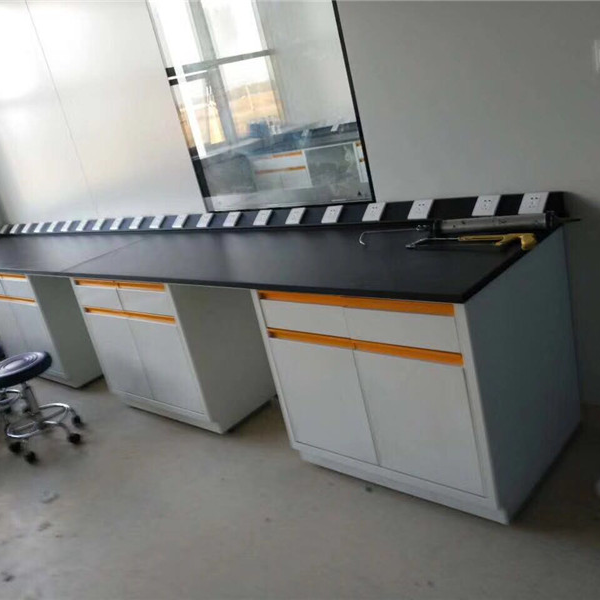
- Pre-outletEach fume hood typically comes equipped with multiple power outlets featuring splash-proof covers (such as AC220V/10A), convenient for the use of experimental equipment.
- Water Supply SystemSome ventilation cabinets are available with an optional water supply system, including imported one-piece PP cup slots and corrosion-resistant nozzles, to meet experimental water requirements.
- Control PanelEquipped with a liquid crystal display panel, offering functions such as adjustable air volume, lighting control, and power management, with easy and efficient operation.